Recipe
Servings
Servings 1×
Ingredients
- Pasta
- Noodles
- Asparagus
- Zucchini
- Garlic
- Lemon
- Cooking oil
Method
- Use the reserved water gradually while tossing the pasta with the lemon, oil, garlic, and zucchini.
- Add too much water at once and you may dilute the flavor.
- Add too little and the pasta can look oily or feel dry.
- Start modestly, toss energetically, and add more only when the pan needs it.
- Slice it into ribbons for a larger surface area and faster cooking.
- Cook the ribbons over moderate heat and keep them moving.
Some dinners need a grand plan. This one needs a pot, a skillet, and the good sense to save a little pasta water. Lemon garlic herb spaghetti with zucchini ribbons is bright, silky, and ready for a busy evening without tasting like you rushed it. The zucchini brings tenderness, the lemon keeps everything lively, and the herbs make the whole bowl smell like you have your life together. Almost.
This is one of my favorite simple pasta recipes because it relies on technique rather than a long shopping list. The separate recipe card handles exact quantities and timing; here, focus on making every strand glossy, balanced, and properly coated.
Tips & Technique: Build the Sauce, Don’t Just Pour It
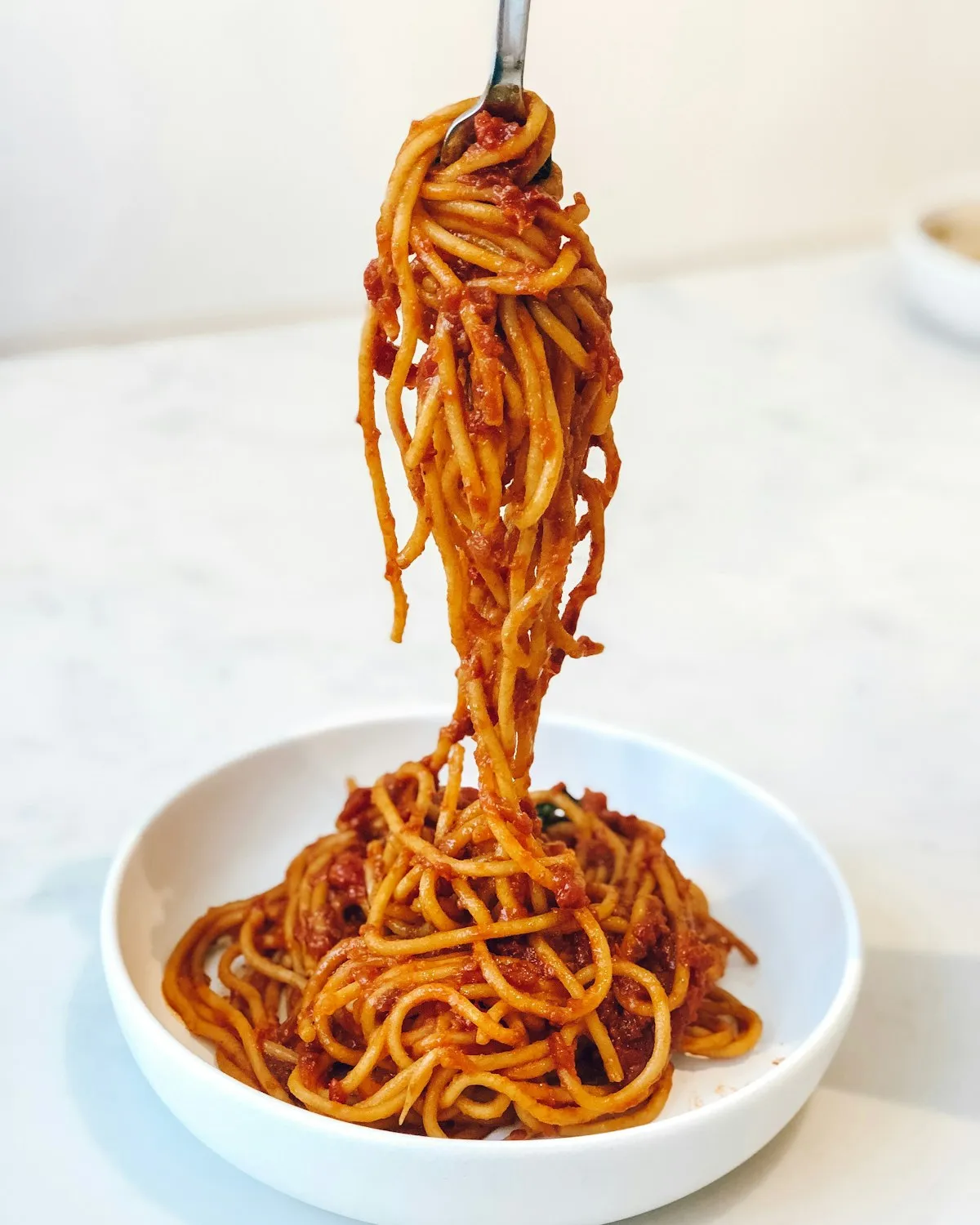
Treat pasta water like a cooking ingredient
The first non-negotiable is saving pasta water before draining. Do not treat it as cloudy waste destined for the sink. As spaghetti cooks, it releases surface starch into the water. That starch helps water and olive oil work together instead of separating into a greasy puddle and a watery bottom.
Use the reserved water gradually while tossing the pasta with the lemon, oil, garlic, and zucchini. The starch helps suspend tiny droplets of fat throughout the liquid, creating an emulsion. In plain English: it makes the sauce cling to the noodles.
Add too much water at once and you may dilute the flavor. Add too little and the pasta can look oily or feel dry. Start modestly, toss energetically, and add more only when the pan needs it. You are looking for a sauce that moves easily but leaves a light coating on the spaghetti.
Keep zucchini ribbons delicate, not defeated
Zucchini contains a great deal of water, so it does not need a long, dramatic cooking session. Slice it into ribbons for a larger surface area and faster cooking. The thin pieces soften quickly while still keeping enough shape to look and feel like vegetables rather than green wallpaper paste.
Cook the ribbons over moderate heat and keep them moving. High heat can brown the edges before the centers soften, while low heat for too long encourages the zucchini to release water and collapse. Aim for tender ribbons with a little resistance.
Do not crowd the pan unnecessarily. Crowding traps steam, which pushes the zucchini toward steaming instead of sautéing. A little moisture is useful for the sauce; a flood of zucchini water is not. If your ribbons look especially wet, give them a quick pat before they meet the skillet.
Let garlic perfume the oil
Garlic is small but bossy. It can transform the dish, but it can also turn bitter before you have finished boiling the pasta. Warm it gently in the olive oil until fragrant, watching for color. Pale golden edges are pleasant; dark brown bits are a warning.
Heating garlic in oil allows its aromatic compounds to spread through the fat, distributing flavor across the entire dish. That is why the oil matters here: it is not merely preventing sticking. It is part of the sauce.
Lower the heat if the garlic starts sizzling aggressively. The skillet will stay hot enough to continue cooking, and your dinner will be spared the taste of burnt ambition.
Use lemon in two forms
Add lemon zest for aroma and lemon juice for acidity. The zest contains fragrant oils that bloom beautifully in warm oil, while the juice sharpens the finished sauce and balances the richness of olive oil and optional cheese.
Add the juice toward the end rather than letting it boil furiously. Excessive heat can flatten the fresh citrus character. A short finish keeps the lemon tasting bright instead of merely sour.
Taste before adding more. Acidity becomes more noticeable as the dish cools slightly, so do not chase a sharp lemon flavor while the sauce is scorching hot. You want lift, not lemonade-flavored spaghetti.
Finish everything together in the skillet
Do not drain the spaghetti, put it in a bowl, and pour the zucchini mixture over the top. That approach creates uneven seasoning and leaves the sauce sitting beside the pasta instead of embracing it.
Move the just-undercooked spaghetti directly into the skillet. Toss it with the zucchini and sauce while adding pasta water little by little. The remaining heat finishes the pasta and gives the noodles a chance to absorb the seasoned liquid.
This final tossing is where the dish becomes silky. Movement matters because it encourages the starch, oil, and water to combine. Keep tossing until the sauce clings. If the pasta looks tight, loosen it. If it looks soupy, keep tossing briefly over low heat so the noodles absorb more liquid.
Stir in soft herbs at the end, preferably off the heat. Basil, parsley, and mint contain delicate aromatic compounds that fade with prolonged cooking. Add them late for a greener flavor and fresher fragrance.
For another pasta technique built around starch and a glossy finish, see Cookpedia’s one-pot lemon asparagus spaghetti. The same principle applies: pasta water earns its place at the table.
Variations: Keep the Balance in Charge
Make the dish your own, but change one major element at a time so the sauce remains balanced.
For extra protein, add white beans, shredded rotisserie chicken, or quickly cooked shrimp. Beans make the pasta feel hearty without adding much fuss, while shrimp bring a sweet, delicate contrast to the lemon. Add either one at the finishing stage so it warms without overcooking.
For a dairy-free version, skip Parmesan and let the olive oil, pasta water, and zucchini create the sauce. Add toasted breadcrumbs for texture. Their crispness gives the soft noodles a useful contrast, especially when the sauce is intentionally light.
For more green flavor, use a mixture of parsley, basil, and mint. Mint makes the zucchini taste especially fresh, but use it with restraint; too much can make the pasta feel like it wandered into a mojito.
For heat, add red pepper flakes to the oil with the garlic. Keep the amount modest. Chili should give the lemon somewhere to sparkle, not knock it off the stage.
You can also swap spaghetti for linguine or bucatini. Linguine gives the sauce a broad surface to grip, while bucatini offers a chewy center. Avoid very small shapes if you want the ribbons to remain visible and elegant.
Side Dish Pairings: Add Contrast, Not Competition
Pair this pasta with something crisp and lightly dressed. A simple green salad with lemon vinaigrette echoes the citrus, but keep the dressing restrained so the meal does not become an acidity contest.
Crusty bread is useful for catching the last drops of sauce, although the pasta should already be coated rather than swimming. For a cooler contrast, serve sliced tomatoes with a little salt and olive oil. Their juicy texture works well beside the tender zucchini.
If you want a more substantial plate, add roasted white beans or a small portion of grilled chicken. Choose sides with savory depth or crunch rather than another creamy dish. The pasta is already silky; it does not need a supporting act in the same costume.
For more easy vegetable-forward ideas, browse Cookpedia’s healthy recipes and vegetarian dinner collection.
FAQ: What If the Pasta Doesn’t Turn Out Perfectly?
What if my sauce looks oily?
Keep tossing the pasta with a small splash of reserved pasta water. Oil separates when there is not enough water-based liquid or movement to form an emulsion. Add the water gradually and toss over low heat. Do not pour in a large amount all at once, or you may replace an oily sauce with a thin one.
If the sauce still separates, check the heat. Very high heat can cause the emulsion to break. Lower the temperature, add a spoonful of water, and keep moving the noodles through the pan.
What if my zucchini turns mushy?
The most likely causes are overcooking, overcrowding, or excessive moisture. Zucchini releases water as its cells soften, and prolonged heat eventually destroys its structure. Next time, use a wider pan, cook the ribbons for less time, and keep the heat moderate.
You can still rescue a soft batch. Add the pasta and toss gently rather than stirring aggressively. Finish with fresh herbs, toasted breadcrumbs, or a little lemon zest to restore contrast.
What if the lemon flavor is too strong?
Balance the acidity with more pasta, a little olive oil, or a small amount of cheese if you are using it. Avoid adding sugar; it can make the sauce taste oddly sweet without truly correcting the balance. A little extra pasta water can also soften the sharpness by spreading the lemon through a larger volume of sauce.
Taste again after the pasta cools for a minute. Lemon often seems more integrated once the dish is no longer piping hot.
What if I forgot to reserve pasta water?
Use warm water as a backup, but expect a slightly less cohesive sauce because it will not contain the same starch. If you have a small amount of cooking liquid left in the drained pot or skillet, use that first.
For future quick family meals, place a measuring cup beside the colander before draining. Make the habit automatic. Pasta water is easy to remember when it is physically in your line of sight.
What if the spaghetti is already fully cooked?
Work quickly and keep the skillet on low heat. Fully cooked pasta has less ability to absorb sauce without becoming soft, so use less liquid and toss only until everything is warmed and coated. Do not simmer the noodles in the sauce for several minutes.
If the texture is already softer than you like, add a crunchy topping such as toasted breadcrumbs or chopped nuts. Texture contrast can make a slightly overcooked pasta feel much more intentional.
Can I prepare this ahead?
Prepare the zucchini and chop the herbs ahead, but cook and combine the pasta close to serving time. Spaghetti continues absorbing liquid as it sits, which can make the sauce disappear and leave the noodles heavy.
For healthy dinner ideas that stay fresh, think in components: prep the vegetables early, then cook the pasta when everyone is ready to eat. This dish rewards those extra few minutes at the stove with a much silkier finish.