Recipe
Servings
4 portions 1×
Serves 4 portionsPrep 5 minCook 11 minTotal 15 min
Nutrition per serving
Ingredients
- 400 g Spaghetti
- 1 bunch Asparagus trimmed and cut into 2-inch pieces
- 3 cloves Garlic minced
- 1 Lemon zested and juiced
- 2 tbsp Butter or Olive Oil
- 1 liter Water or Vegetable Broth approximate
- 50 g Parmesan Cheese grated
Method
- In a large pot, melt the butter (or oil) over medium heat and sauté the minced garlic until fragrant but not browned.
- Add the spaghetti and the liquid (water or broth).
- Bring to a boil, then reduce heat to a simmer.
- Cook, stirring occasionally to prevent sticking, until the pasta is about 3 minutes away from being al dente.
- Toss in the asparagus pieces and continue to simmer until the pasta is cooked and the liquid has reduced to a glossy sauce.
- Remove from heat.
- Stir in the lemon juice, lemon zest, and Parmesan cheese.
- Toss vigorously to create a silky emulsion.
- Season with salt and pepper to taste.
Welcome back to my blog! If you have been following along with my latest kitchen adventures, you know I am currently obsessed with streamlining our evening routines. As a busy parent, I am always on the hunt for healthy dinner ideas that don’t leave me scrubbing pans until midnight. Today, I want to talk about a dish that has become a staple in my house: One-Pot Lemon Asparagus Spaghetti. But we aren’t just talking about a meal; we are talking about the incredible food science that makes this specific method work so much better than the traditional way.
The Magic of Liquid Gold: Understanding Starch Emulsions
The secret to why one-pot pastas are such game-changers for quick family meals lies in the science of starch. When we cook pasta the traditional way, we boil it in a massive pot of salted water and then dump all that cloudy liquid down the drain. In the culinary world, we call that water “liquid gold,” and throwing it away is a massive mistake. When pasta cooks, the starch granules inside the wheat absorb heat and water, eventually swelling and bursting. This releases amylose and amylopectin into the cooking liquid.
In a one-pot dish, we use a much smaller volume of water. Because the water-to-pasta ratio is lower, the concentration of starch becomes incredibly high. This isn’t just “dirty water”, it’s a powerful emulsifier. When you add an fat like olive oil or a splash of butter at the end of the cooking process, that concentrated starch acts as a bridge. It binds the fats and the liquids together, creating a glossy, silky sauce that clings to every single strand of spaghetti. This is how you get that restaurant-quality finish without needing to add a drop of heavy cream. It’s chemistry on a plate!
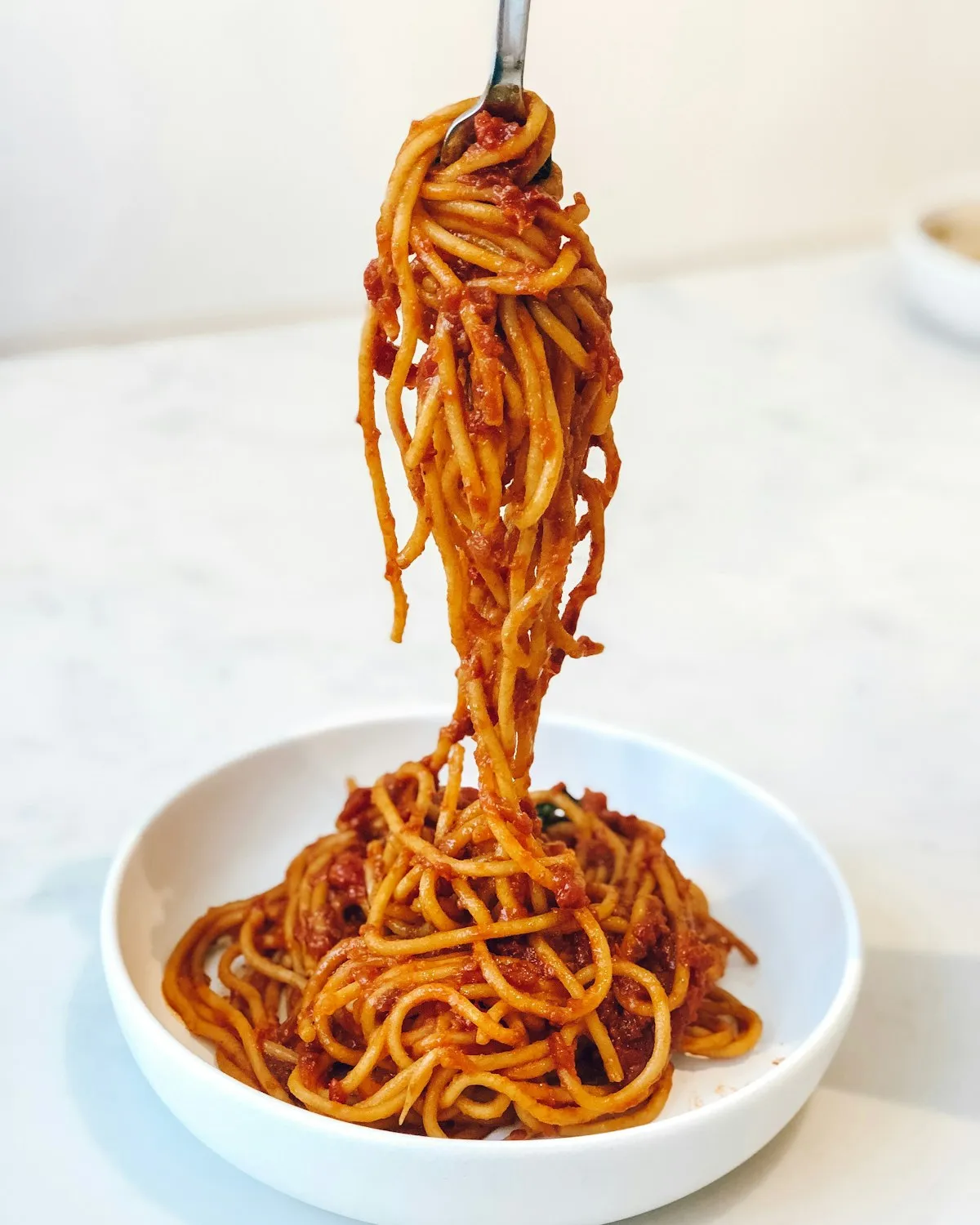
Using the one-pot method also changes the texture of the pasta itself. Because the spaghetti is simmering in a starch-heavy environment, it develops a more cohesive bite. For 15 minute meals for busy families, this efficiency is key. You aren’t just saving time on washing up; you are actively improving the sauce’s ability to coat the ingredients. In this lemon asparagus version, the acidity of the lemon juice can often cause sauces to split if they are too thin. However, the high starch content from the one-pot method stabilizes the lemon-butter emulsion, ensuring your sauce remains creamy and bright rather than oily and separated.
The timing of the asparagus is another scientific consideration. Asparagus contains delicate cell walls that can become mushy if overcooked. By adding them toward the final minutes of the pasta’s hydration process, we use the residual steam to cook them to a perfect “al dente” snap. This preserves the chlorophyll, keeping the vegetable a vibrant green, and maintains the structural integrity of the spears.
Swaps and Tweaks for Every Palate
One of the reasons this dish is at the top of my list for healthy dinner ideas is its sheer versatility. While spaghetti and asparagus are a classic pairing, the science of the one-pot method works with a variety of modifications. If you want to boost the protein for more substantial quick family meals, you can easily introduce shrimp or thin strips of chicken. If adding shrimp, I usually toss them in during the last three minutes of the pasta’s cooking time. Shrimp are mostly protein and water; they cook via conduction extremely quickly and will stay plump and juicy thanks to the starchy environment.
For those looking for a gluten-free option, the science changes slightly. Gluten-free pastas, often made from rice or corn, release different types of starches. Rice starch is much more prone to becoming “gummy” if the water isn’t managed correctly. If you are going this route, I recommend increasing the water slightly and being very careful with your stirring to prevent the noodles from breaking. On the veggie side, if asparagus isn’t in season, snap peas or broccolini offer a similar textural contrast. The key is to choose vegetables that have a similar density so they steam through at the same rate as the pasta finishes its absorption.
Perfect Pairings: Completing the Meal
Even though this one-pot wonder is a complete meal on its own, I love adding a few side dishes to round out the table, especially when I have guests. Since the pasta is bright, acidic, and quite rich thanks to that starch emulsion, you want sides that offer a different textural profile. A crisp, leafy green salad with a very light vinaigrette is always a winner. I find that a simple arugula salad provides a peppery bite that cuts through the buttery lemon sauce of the spaghetti perfectly.
If you are looking to lean into the “comfort food” aspect of these 15 minute meals for busy families, a quick garlic bread made in the air fryer is a great shout. The crunch of the toasted bread provides a necessary contrast to the silky, emulsified pasta. Another great option is roasted cherry tomatoes. You can pop them in the oven (or a toaster oven) while the pasta simmers. When they roast, their sugars caramelize and their skins blister, providing a sweet and savory pop that complements the lemon and asparagus beautifully.
Frequently Asked Questions About One-Pot Pasta Science
Why does my one-pot pasta sometimes turn out gummy?
Gumminess is usually the result of two things: too much agitation or the wrong water-to-pasta ratio. If you stir the pasta constantly, you knock too much starch off the surface too quickly, and it can clump. You want to stir just enough to prevent sticking. Also, ensure you start with cold water so the pasta heats up gradually; starting with boiling water in a one-pot method can sometimes lead to uneven starch release.
Can I use whole wheat spaghetti for this?
Absolutely. Whole wheat pasta actually contains more fiber and a slightly different protein structure, which means it might require about 10-15% more liquid and a few extra minutes of cooking time. The science remains the same, though, you are still looking for that starch-heavy “liquid gold” to create your sauce.
Is it really possible to make this in 15 minutes?
Yes! The key to 15 minute meals for busy families is prep. If you have your lemon zested and your asparagus trimmed before the heat goes on, the actual cooking time for spaghetti is usually between 8 and 11 minutes. Because everything happens in one vessel, you aren’t waiting for a massive 5-gallon pot of water to come to a boil, which is where most of the time is wasted in traditional pasta cooking.
Do I need to rinse the pasta after cooking?
Never! Rinsing pasta is the ultimate sin in the world of food science. When you rinse pasta, you wash away all that beautiful surface starch that we worked so hard to concentrate. Without that starch, your sauce will simply slide off the noodles and pool at the bottom of the bowl. In a one-pot dish, the water is absorbed anyway, so there is nothing to rinse!
What is the best way to reheat leftovers without losing the sauce consistency?
Because the starch emulsion sets as it cools, one-pot pasta can look a bit dry the next day. The trick is to reheat it with a tiny splash of water or broth. This re-hydrates the starch molecules and loosens the emulsion, bringing that glossy, restaurant-style finish back to life. Avoid the microwave if possible; a quick toss in a warm pan is much better for maintaining the texture of the asparagus.
For more cooking tips and simple kitchen ideas, feel free to explore the rest of the blog. Keeping things simple and scientific is the best way to manage a busy household! Happy cooking!