Recipe
Servings
Servings 1×
Ingredients
- Chickpeas
- Penne
- Pasta
- Noodles
- Spinach
- Tomatoes
- Lemon
- Cooking oil
Method
- Use a gentle, steady simmer.
- Keep the heat low enough for steady bubbling, then stir occasionally.
- Add bright acidic flavors after the pasta has mostly cooked, when the starch has already done its thickening job.
- Add chickpeas for body, not just protein.
- Drain the chickpeas if you want precise control over the sauce.
- Add it too early, and it can lose its fresh green color while releasing moisture before the sauce has thickened.
Some dinners ask you to sauté, boil, drain, and wash half the kitchen. This one-pot chickpea tomato pasta with spinach takes a calmer route. Everything comes together in one pan, creating a hearty, saucy meal from affordable pantry staples and a few fresh additions.
I love this dish for busy nights because it is filling without feeling heavy, naturally plant-based, and flexible enough to handle the odd vegetable hiding in the fridge. The real trick is not fancy technique. It is managing liquid, starch, heat, and timing. Get those right, and the pot does most of the work.
Tips & Technique: Let Starch Build the Sauce
One-pot pasta works because the cooking liquid stays where it belongs: in the sauce. With traditional pasta cooking, much of the surface starch disappears down the sink when you drain the noodles. Here, that starch remains in the pot and helps turn tomato juices and broth into a cohesive sauce.
As dry pasta hydrates, its starch granules absorb water, swell, and gradually release starch into the surrounding liquid. That released starch thickens the sauce and helps water-based liquid cling to oil and other flavorful components. The result should be silky and saucy rather than watery. For a useful explanation of pasta hydration and starch, see this pasta-cooking guide from ThermoWorks and the Exploratorium’s pasta science notes.
Measure your liquid carefully. This is the non-negotiable. One-pot pasta does not have a large pot of water to spare. Too little liquid leaves the pasta unevenly cooked and increases the chance of sticking. Too much liquid gives you soft pasta swimming in a thin sauce. Count the moisture from tomatoes and any broth as part of the total, not as a free bonus from the cooking gods.
Choose short pasta shapes when possible. Penne, fusilli, shells, and similar shapes are easier to stir in a shallow pot. They also catch chickpeas and spinach in their ridges and curves, giving you a better bite in every forkful. Long pasta can work, but it tends to clump unless you stir more often.
Use a gentle, steady simmer. A furious boil evaporates liquid too quickly and can make the outside of the pasta soften before the center catches up. Keep the heat low enough for steady bubbling, then stir occasionally. Stirring redistributes heat, prevents sticking, and moves starch into the sauce.
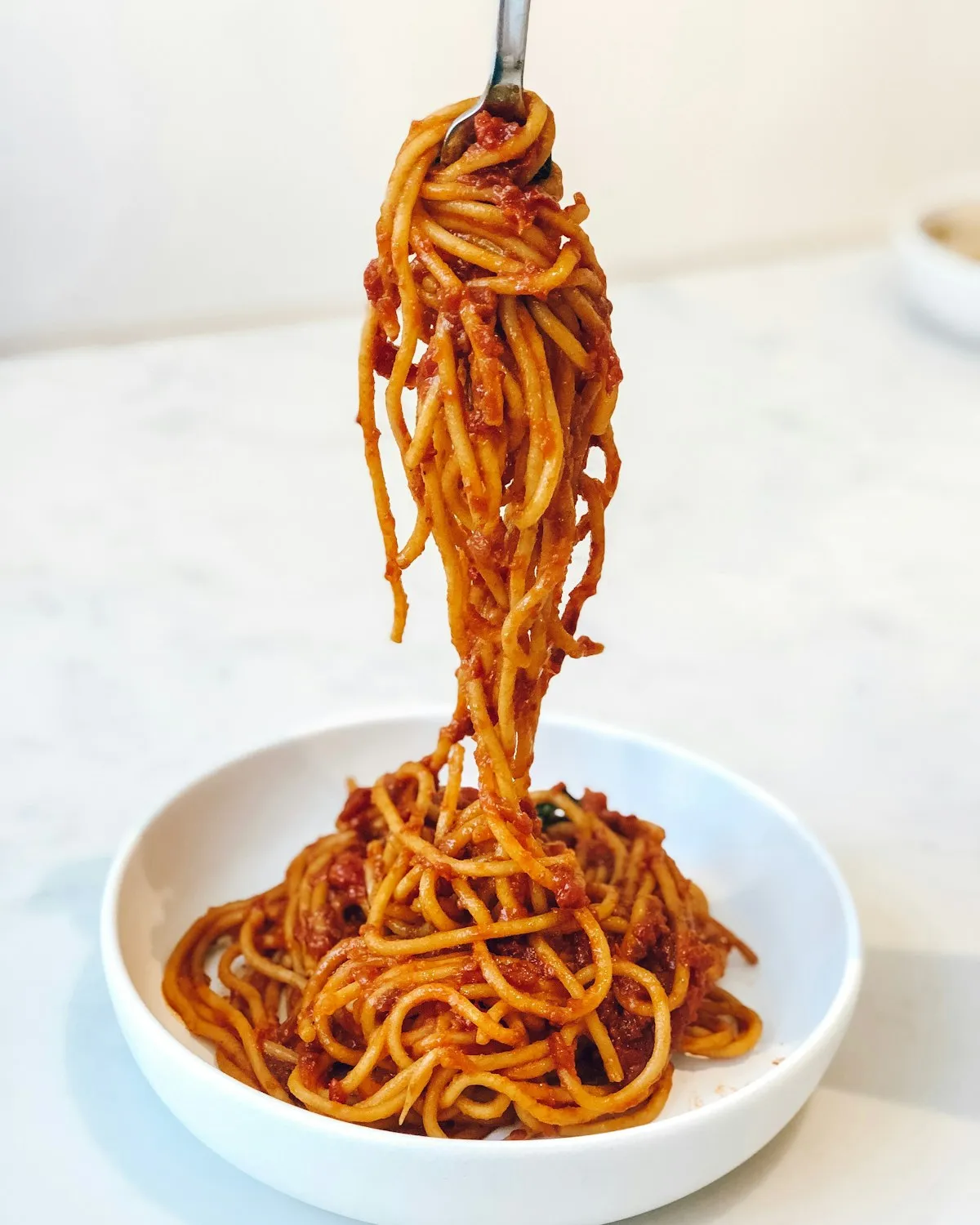
Tomatoes bring both acidity and water, so their timing matters. Acidic environments can slow starch swelling, which means the sauce may take longer to thicken if the liquid is strongly acidic from the beginning. Tomatoes are perfectly welcome here, but avoid piling on extra vinegar or lemon juice until the end. Add bright acidic flavors after the pasta has mostly cooked, when the starch has already done its thickening job.
Add chickpeas for body, not just protein. Canned chickpeas bring satisfying texture, complex carbohydrates, and plant protein, but they do not release starch quite like wheat pasta. For a creamier sauce, gently crush a small portion against the side of the pot. You are not making hummus; you are simply releasing enough soft chickpea interior to add natural body.
Drain the chickpeas if you want precise control over the sauce. The liquid from the can can vary in saltiness and thickness, and adding it without accounting for it may leave the pasta looser than expected.
Save spinach for the finish. Spinach cooks quickly and contains plenty of water. Add it too early, and it can lose its fresh green color while releasing moisture before the sauce has thickened. Fold it in during the last moments of cooking or use the residual heat after turning off the burner. It should look wilted and vibrant, not grey and forgotten.
That late addition also keeps the texture more interesting. The pasta stays pleasantly chewy, the chickpeas remain substantial, and the spinach provides soft ribbons throughout the tomato sauce.
Rest the pasta briefly before serving. Give the finished pot a minute or two off the heat. The pasta will continue absorbing liquid, and the sauce will tighten as the starch settles. If it looks slightly too loose when you remove it from the heat, do not panic. Resting is part of the cooking process, not a suggestion printed in tiny type.
For another Cookpedia dish using chickpeas, spinach, and natural starch thickening, try our Quick Chickpea and Spinach Stew. You can also browse more ideas in the one-pot meals collection.
Variations: Change the Personality, Keep the Balance
This pasta is wonderfully cooperative. Make changes, but preserve the balance between starch, moisture, richness, and acidity.
For extra vegetables, add finely chopped mushrooms, zucchini, bell pepper, or grated carrot. Cook watery vegetables long enough to soften and release some moisture before the pasta goes in. Otherwise, the final sauce may become thinner than planned.
For more heat, use chili flakes or a spoonful of harissa. Add spice early enough for it to flavor the sauce, but keep the amount sensible. Heat should lift the tomatoes, not bulldoze over the chickpeas.
For a creamier finish, stir in a small spoonful of tahini, unsweetened plant yogurt, or cashew cream after cooking. Add it off the heat so it blends smoothly instead of splitting. A little olive oil can also help the starchy sauce feel rounder.
Need more protein? Stir through white beans or cooked lentils, though the texture will become softer and more stew-like. If you use chickpea pasta instead of wheat pasta, watch it closely. Legume-based pasta can become gummy when overcooked and usually releases less starch, so it may need less liquid and a shorter cooking time.
Make it gluten-free by choosing certified gluten-free pasta. Check the package directions, but do not rely on them blindly: one-pot cooking behaves differently from boiling pasta in abundant water.
Side Dish Pairings: Add Contrast, Not Competition
This is a complete meal on its own, so choose sides that add freshness or texture rather than more heaviness.
Serve a crisp green salad with a sharp lemon or red wine vinaigrette. The acidity cuts through the tomato sauce and makes each bite taste brighter. Cucumber, radish, or shaved fennel also brings welcome crunch.
Warm flatbread or a slice of toasted whole-grain bread works well for scooping up the last spoonfuls. Keep the bread lightly toasted rather than drenched in oil; the pasta already has plenty of comfort built in.
For a cooler side, try a simple cucumber salad with herbs. Its clean, watery crunch balances the dense chickpeas and pasta. If you want a vegetable side, roast broccoli or green beans until lightly browned, then finish them with lemon zest.
Explore Cookpedia’s salad collection for more fresh pairings, or browse healthy dinner ideas when planning the rest of the week.
FAQ: What If the Pasta Does Not Behave?
What if the sauce is too thin?
Keep the pot uncovered and simmer gently for a few extra minutes, stirring often. This allows excess water to evaporate while the remaining starch concentrates. Avoid adding flour or cornstarch immediately; those can make the sauce pasty and cover the tomato flavor. Remember that the sauce will thicken further during its short resting time.
What if the pasta is still firm but the pot looks dry?
Add a small splash of hot water or broth, stir, and continue cooking over low heat. Add liquid gradually rather than pouring in a large amount. Pasta needs moisture to finish hydrating, but too much at once will dilute the sauce and make it harder to recover.
What if the pasta becomes mushy?
Remove it from the heat immediately. Drainage will not solve the texture, because the pasta has already absorbed too much water. Fold in a little olive oil and serve it with something crisp, such as a fresh salad or toasted seeds, to add contrast. Next time, begin checking for doneness several minutes before the package’s suggested time.
What if the tomatoes taste too sharp?
Balance acidity with time, fat, or a tiny amount of sweetness. Let the sauce cook a little longer to soften its raw edge, then finish with olive oil or a creamy element. If necessary, add a very small pinch of sugar. Do not keep adding sugar until the sauce tastes sweet; the goal is balance, not tomato candy.
What if the spinach makes the sauce watery?
Continue cooking uncovered for a short time, stirring gently. Spinach releases moisture as it wilts, especially if it is washed and still damp. Add it later next time and shake off excess water before it reaches the pot. Baby spinach needs very little heat, so residual warmth is often enough.
Can I make this ahead?
Yes, but expect the pasta to absorb more sauce as it cools. Store leftovers in a sealed container and reheat them gently with a splash of water or broth. Use the microwave in short bursts, stirring between each one, or warm the pasta in a covered pan over low heat. High heat can dry the sauce before the center is hot.
How long will leftovers keep?
Refrigerate leftovers promptly and use them within three to four days. Keep the refrigerator cold and reheat only the portion you plan to eat. If the pasta smells sour in an unpleasant way, feels unusually slimy, or has been left at room temperature for several hours, discard it. A bargain meal is not a bargain if it argues with your stomach.
Is this suitable for meal prep?
It works best for one or two days of meal prep, especially if you slightly undercook the pasta. Portion it into shallow containers so it cools quickly, then add a little liquid when reheating. For the freshest texture, prepare the sauce and chickpeas ahead, then cook the pasta and spinach close to serving time.
Why does crushing chickpeas help?
Crushing part of the chickpeas releases their soft interior into the sauce. That adds solids and a little natural creaminess without requiring dairy. Leave most of the chickpeas whole so the dish still has contrast. A few spoonfuls crushed is useful; turning the entire pot into purée defeats the purpose of pasta night.
Can I use whole-wheat pasta?
Yes, but expect it to absorb more liquid and take a little longer to soften. Watch the pot closely near the end and keep extra hot broth or water nearby. Whole-wheat pasta also has a more assertive flavor, so a bright finishing squeeze of lemon and fresh herbs can help keep the dish lively.