Recipe
Servings
2 generous portions 1×
Serves 2 generous portionsPrep 10 minCook 15 minTotal 25 min
Ingredients
- 200 g spaghetti
- 250–300 g mushrooms, sliced
- 3 tablespoons unsalted butter, divided
- 1 tablespoon olive oil
- 2–3 garlic cloves, finely chopped
- ½–¾ cup reserved pasta water
- ½–¾ cup finely grated Parmesan
- Salt and black pepper
- Optional: parsley, chili flakes, lemon juice, or fresh thyme
Method
- Cook the spaghetti in salted water until just al dente. Reserve the pasta water before draining.
- Brown the mushrooms in olive oil and part of the butter until their liquid evaporates and the edges turn golden.
- Add the garlic and remaining butter, then toss in the drained spaghetti.
- Add pasta water and Parmesan while tossing over medium heat until the sauce turns glossy and coats the strands. Finish with pepper, parsley, and extra Parmesan.
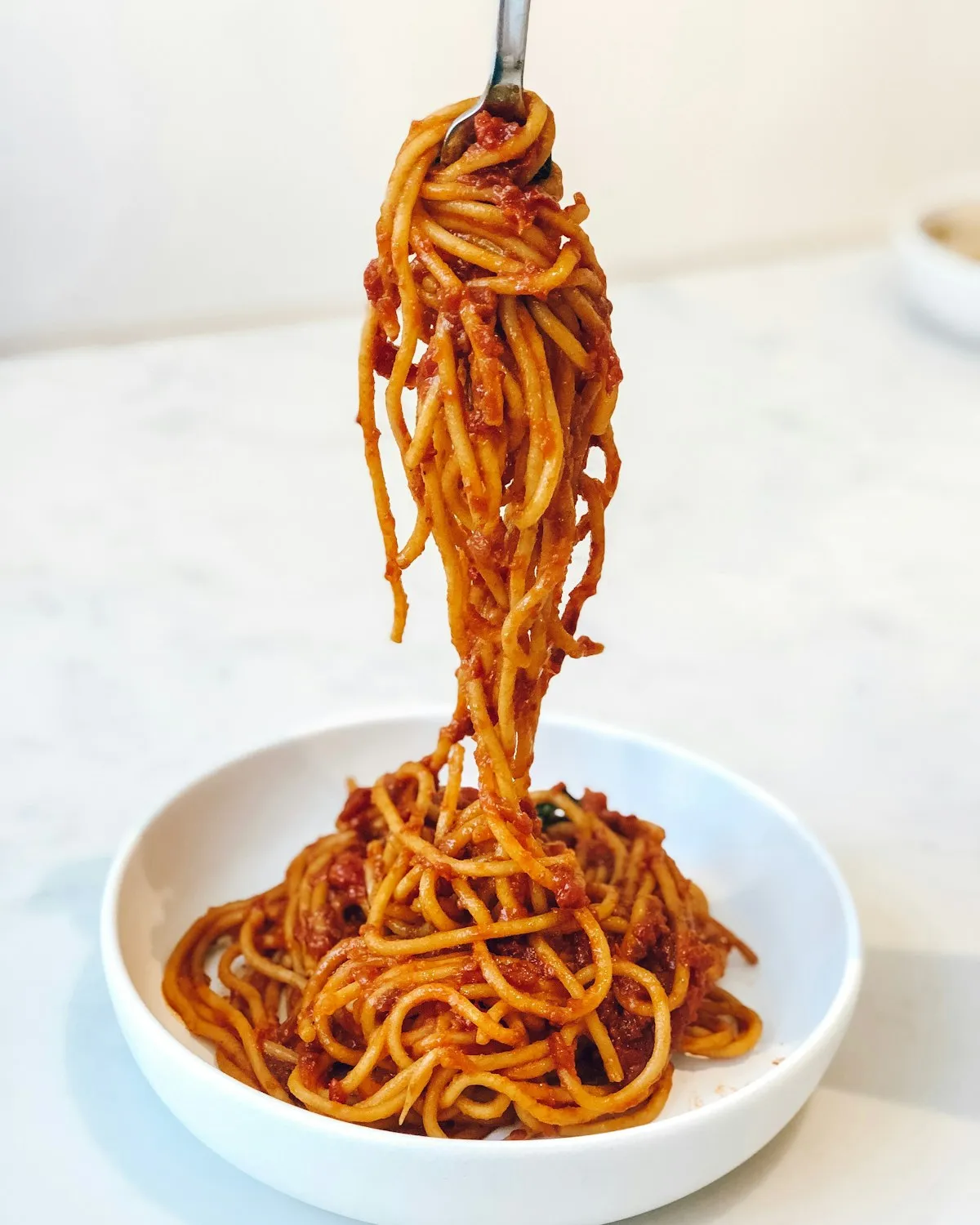
Some nights call for a complicated sauce, three pans, and a heroic amount of dishwashing. This is not one of those nights. This garlic butter mushroom spaghetti with Parmesan turns a few everyday staples into a glossy, savory dinner in about 20 minutes. The mushrooms bring deep, meaty flavor, while pasta water helps the butter and cheese cling to every strand. Keep this one handy for quick family meals when the fridge looks uninspiring but dinner still needs to happen.
Tips & Technique: Make the Mushrooms Do the Heavy Lifting
Brown mushrooms instead of steaming them
The mushrooms are the flavor engine here, so give them proper attention. Start with a wide skillet and medium-high heat. Spread the slices out rather than piling them into a damp little mushroom mountain.
Mushrooms contain a surprising amount of water. As they heat, that moisture escapes into the pan. If the skillet is crowded or the heat is too low, the liquid gathers faster than it can evaporate. The mushrooms then simmer in their own juices instead of browning. They will still become edible, but they will miss the rich, roasted flavor this dish needs.
Use enough space for the slices to touch the hot pan. Let them sit undisturbed for a couple of minutes before stirring. That contact creates better browning and gives the mushrooms savory depth. Stir only after the undersides have developed color, then continue cooking until the moisture has disappeared and the edges look golden.
Do not panic when the pan seems dry at first. Mushrooms absorb fat quickly, which can make you reach for more butter too soon. Hold back some of the butter and add it after the mushrooms have browned. Once their surface moisture has cooked away, they are no longer little fat sponges. The late butter addition tastes richer and is less likely to leave the dish greasy.
Add garlic after the mushrooms have color
Garlic cooks quickly, especially in a hot skillet. Add it too early and it can burn before the mushrooms finish releasing their water. Burnt garlic brings bitterness, and Parmesan has enough salty intensity without inviting bitterness to the party.
Add the garlic once the mushrooms are browned. Let it cook briefly in the butter so its aroma blooms without turning dark. Keep the heat controlled at this stage. Fragrance is the goal; a deep tan color is not.
Treat pasta water as a sauce ingredient
Do not drain the pasta and pour the cooking water down the sink. That cloudy water is useful kitchen chemistry.
As spaghetti cooks, it releases surface starch into the water. When you toss that starchy liquid with butter, it helps disperse the fat into tiny droplets, creating a loose emulsion. Parmesan adds more body and savory flavor, while the pasta itself provides a slightly sticky surface for the sauce to grip.
Add the water gradually rather than all at once. You want the spaghetti to look lightly sauced and slippery, not submerged. Toss firmly so the strands move through the butter, water, mushrooms, and cheese. The motion matters because it encourages the sauce to come together instead of separating in the bottom of the skillet.
Keep the pan warm but not ferociously hot while adding Parmesan. Excessive heat can make the cheese seize into clumps or release its fat. Medium heat gives the starch time to thicken the liquid and lets the cheese melt into the coating.
Grate Parmesan finely
Use finely grated Parmesan, not thick shavings. Smaller pieces melt faster and distribute evenly through the sauce. Add the cheese when there is still enough warm pasta water in the pan to help it dissolve.
Taste before adding more salt. Pasta water, butter, mushrooms, and Parmesan can all contribute seasoning, and it is much easier to add salt than rescue an oversalted skillet. Finish with freshly ground black pepper for a sharp contrast against the rich butter.
Finish immediately
This spaghetti is at its best right after the sauce emulsifies. As it sits, the pasta continues absorbing liquid and the butter-cheese coating thickens. Serve it promptly, preferably in warmed bowls, and add the final Parmesan at the table.
Variations: Change the Mood Without Losing the Balance
Keep the core technique intact, then adjust the accents.
For a brighter version, add a small squeeze of lemon at the end. Acidity cuts through butter and makes the mushrooms taste less heavy. Add it gradually; you want lift, not lemonade-flavored spaghetti.
Bring heat with chili flakes stirred into the butter with the garlic. The gentle warmth works especially well with earthy cremini mushrooms. For a more herbal direction, add fresh thyme or parsley. Thyme contributes a woodsy note, while parsley keeps the dish fresh and light.
Use a mixture of mushrooms when you want more texture. Button mushrooms bring mild flavor, cremini add depth, and oyster or shiitake mushrooms can provide firmer, more interesting edges. Slice them to a similar thickness so they finish at roughly the same time.
Add greens during the final toss. Baby spinach wilts quickly and brings color, while arugula adds peppery bite. If you want more protein, fold through white beans or serve the spaghetti with a fried egg. Even if you usually search for air fryer recipes dinner, this stovetop version is worth keeping for nights when one skillet is all the equipment you can manage.
Avoid changing everything at once. Pick one flavor direction and let the mushrooms remain the star.
Side Dish Pairings: Add Freshness, Not More Heaviness
Pair this pasta with something crisp and acidic. A simple green salad with lemon vinaigrette is ideal because the sharp dressing cuts through the butter and Parmesan. Browse Cookpedia’s salad collection for more fresh options.
Roasted or steamed broccoli also works beautifully. Its slight bitterness balances the sweet, browned mushrooms, while the florets catch any extra sauce. For an especially quick side, toss baby greens with lemon juice, olive oil, and black pepper just before serving.
Add garlic bread only if you are feeding very hungry people. It is delicious, naturally, but the spaghetti already brings plenty of richness. For lighter healthy dinner ideas, choose crunchy vegetables or a tomato salad instead.
Keep the side dish simple. This is a fast pasta dinner, not a banquet requiring a second dinner to accompany it.
FAQ: Troubleshooting Garlic Butter Mushroom Spaghetti
What if my mushrooms release a lot of water?
Keep cooking them. The water is normal and will eventually evaporate. Avoid lowering the heat or covering the skillet, because both choices trap moisture and slow browning. If the pan is severely overcrowded, transfer half of the mushrooms to a plate and brown them in batches. It takes a few extra minutes but gives you much better flavor.
What if I forget to reserve the pasta water?
Use hot water as a last resort, but expect a thinner, less cohesive sauce because plain water contains little starch. You can improve the texture by tossing the pasta vigorously with the butter and Parmesan over medium heat. Next time, place a mug beside the colander before draining. It is a small habit that saves dinner from becoming dry.
Why did my Parmesan turn clumpy?
The pan was probably too hot, the cheese was grated too coarsely, or there was not enough liquid available when you added it. Remove the skillet from high heat and add warm pasta water a splash at a time while tossing continuously. The extra moisture can loosen small clumps. Prevent the problem by using finely grated cheese and adding it over moderate heat.
Can I use pre-grated Parmesan?
You can, but finely grating Parmesan from a wedge usually gives a smoother sauce. Many pre-grated products contain anti-caking agents that can interfere with melting. If pre-grated cheese is what you have, add it gradually and keep the heat gentle. Do not dump it into a dry, blazing-hot pan.
Can I make this pasta ahead of time?
You can prepare it ahead, but the texture will be best fresh. Refrigeration causes spaghetti to absorb the sauce and firm fats to set, so leftovers often seem dry. Reheat gently in a skillet or microwave with a splash of water, tossing halfway through. Add a little fresh Parmesan and black pepper after reheating to restore flavor.
Can I make the dish dairy-free?
Yes. Replace the butter with olive oil or a dairy-free butter alternative, and use a dairy-free Parmesan-style topping. The pasta-water technique still helps create a glossy coating, although the flavor will be less nutty and rich. Add lemon, toasted breadcrumbs, or nutritional yeast to build extra savory depth.
Is this suitable for a gluten-free diet?
Use gluten-free spaghetti and check that your Parmesan and seasonings are certified safe for your needs. Gluten-free pasta can release starch differently, so reserve a little extra cooking water and watch the texture closely. Stop cooking when the pasta is pleasantly firm, then finish it in the skillet so it does not become soft and fragile.
For more ideas in the same spirit, explore Cookpedia’s pasta recipes, quick meals, and vegetarian dinner recipes. Keep the skillet wide, save the pasta water, and brown those mushrooms properly. Those are the non-negotiables. Everything else is dinner improvisation.
{“@type”:”FAQPage”,”@context”:”https://schema.org”,”mainEntity”:[{“name”:”What if my mushrooms release a lot of water?”,”@type”:”Question”,”acceptedAnswer”:{“text”:”Keep cooking until the released moisture evaporates. Use a wide skillet, avoid covering it, and cook mushrooms in batches if the pan is overcrowded.”,”@type”:”Answer”}},{“name”:”What if I forget to reserve the pasta water?”,”@type”:”Question”,”acceptedAnswer”:{“text”:”Use hot water as a substitute, although it will not emulsify the sauce as effectively because it contains less starch. Toss the pasta vigorously with the butter and Parmesan.”,”@type”:”Answer”}},{“name”:”Why did my Parmesan turn clumpy?”,”@type”:”Question”,”acceptedAnswer”:{“text”:”The heat may have been too high, the cheese may have been grated too coarsely, or there may not have been enough pasta water. Add warm pasta water gradually while tossing over moderate heat.”,”@type”:”Answer”}},{“name”:”Can I make this pasta ahead of time?”,”@type”:”Question”,”acceptedAnswer”:{“text”:”Yes, but it is best served fresh. Reheat leftovers gently with a splash of water, then finish with fresh Parmesan and black pepper.”,”@type”:”Answer”}},{“name”:”Can I make the dish dairy-free?”,”@type”:”Question”,”acceptedAnswer”:{“text”:”Replace butter with olive oil or dairy-free butter and use a dairy-free Parmesan-style topping. Lemon, toasted breadcrumbs, or nutritional yeast can add extra flavor.”,”@type”:”Answer”}}]}