Recipe
Servings
Servings 1×
Ingredients
- Penne
- Pasta
- Asparagus
- Spinach
- Tomatoes
- Garlic
- Lemon
- Cream
- Hard cheese
- Cooking oil
- Chili seasoning
- Black pepper
Method
- Start with pasta water that is properly salted.
- Use the pasta while it is still slightly firm.
- Add the reserved water gradually, not all at once.
- Toss the pasta continuously as the sauce loosens and thickens.
- Heat and movement disperse the starch, creating a sauce that looks glossy but still feels light enough to eat by the forkful.
- Keep the sauce at a gentle simmer, then lower the temperature before adding Parmesan.
Some nights call for a dinner that feels comforting but does not demand a sink full of dishes or a culinary degree. This creamy sun-dried tomato and spinach penne delivers exactly that: chewy pasta, a silky tomato sauce, tender greens, and plenty of savory flavor in about 30 minutes.
I love this dish because it belongs in the best kind of simple pasta recipes: easy enough for a Tuesday, delicious enough to serve when friends appear unexpectedly, and flexible enough to handle whatever your fridge is doing.
The Science of a Silky Pasta Sauce
The secret to creamy pasta is not simply adding more cream. In fact, too much cream can make a sauce heavy, flat, and oddly sleepy. The real magic comes from building an emulsion, a smooth blend of fat and water that clings to every ridge of the penne.
Start with pasta water that is properly salted. Think of it as the first layer of seasoning, not merely a cooking bath. As the pasta cooks, it releases some starch into the water. That cloudy liquid is useful kitchen gold, so reserve plenty before draining.
Use the pasta while it is still slightly firm. Finishing it in the sauce gives the penne time to absorb flavor and release a little more starch directly into the pan. That starch helps connect the creamy liquid, tomato-infused oil, and Parmesan instead of allowing them to separate into a greasy puddle and a sad beige film.
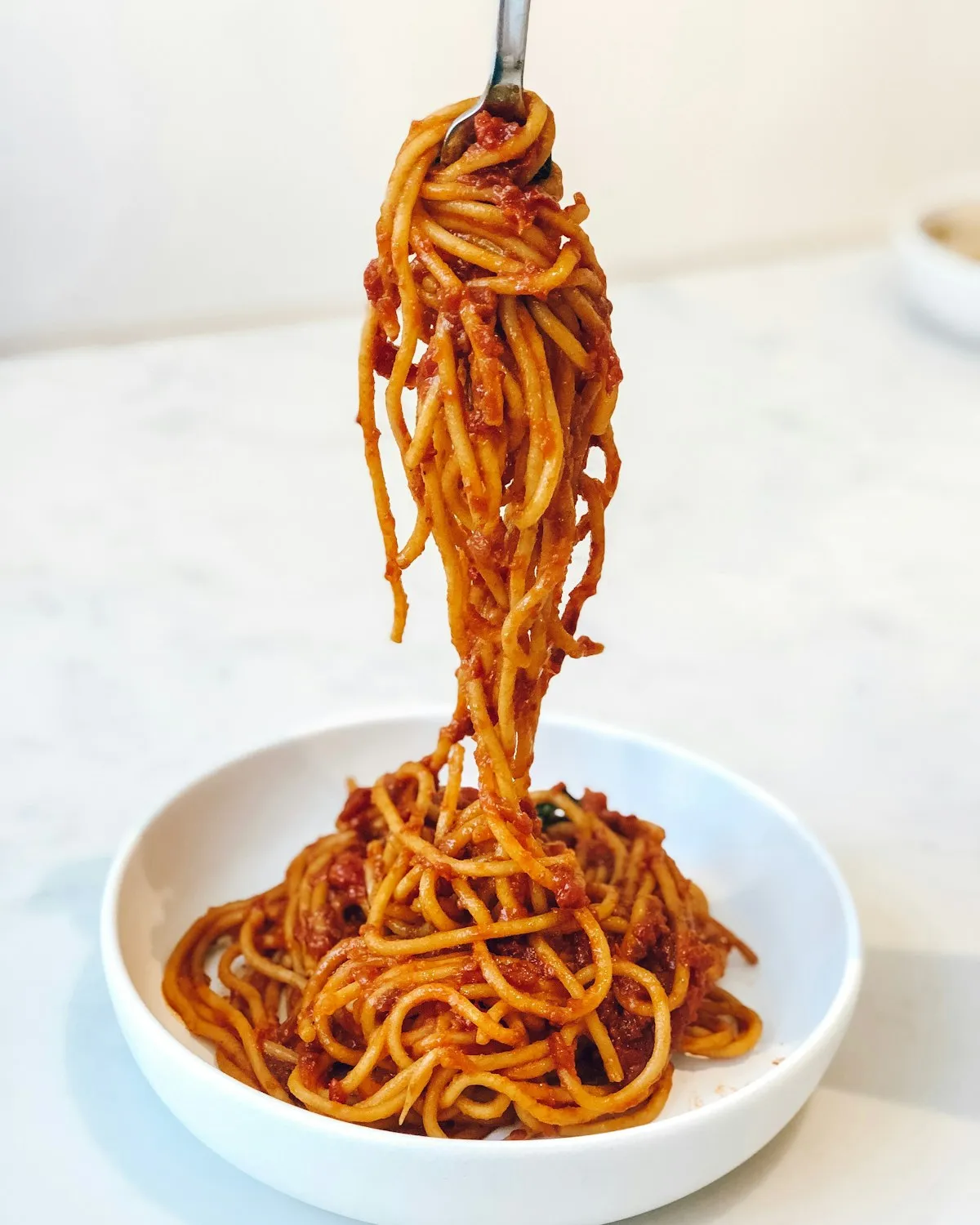
Add the reserved water gradually, not all at once. Toss the pasta continuously as the sauce loosens and thickens. Heat and movement disperse the starch, creating a sauce that looks glossy but still feels light enough to eat by the forkful. Stop adding water when the sauce coats the pasta rather than pooling beneath it.
Control the heat once dairy enters the picture. Keep the sauce at a gentle simmer, then lower the temperature before adding Parmesan. A furious boil can cause cream to reduce too quickly, while high heat can make cheese seize into little rubbery clumps. Pasta night should not include surprise cheese gravel.
Sun-dried tomatoes bring concentrated umami, acidity, sweetness, and chew. If yours are packed in oil, use a little of that oil to start the flavor base. It carries the tomato aroma through the sauce and gives the dish a deeper finish without requiring a long cooking time. If the tomatoes are dry-packed, soften them according to the package directions before using them.
Treat garlic with equal respect. Cook it only until fragrant and pale golden. Burnt garlic is bitter enough to take over the entire pan, and it will not be rescued by cream, cheese, or optimistic seasoning.
Add spinach toward the end. It wilts quickly, and its mild bitterness gives the rich sauce some welcome contrast. Avoid cooking it into oblivion. Bright green leaves and a little texture make the pasta taste fresher and look far more appealing.
Taste only after the sauce has come together. Sun-dried tomatoes and Parmesan can both be salty, so wait before making a final adjustment. Add black pepper for warmth, chili flakes for gentle heat, and a small squeeze of lemon if the sauce tastes rich but dull. Acidity does not make the dish sour; it makes the other flavors stand up straighter.
For more ideas built around the same practical approach, browse Cookpedia’s pasta collection and compare the finish with our one-pot lemon asparagus spaghetti. The same pasta-water principle works beautifully in both.
Variations That Keep the Balance
Keep the core structure, then change one element at a time. That way, you can tell whether a variation improves the dish or merely makes the pan busier.
For a lighter version, replace part of the cream with milk or unsalted vegetable stock. The sauce will be less rich, so keep the Parmesan and finish with lemon to restore body and brightness. Do not remove every source of fat; a little olive oil helps carry flavor and keeps the texture smooth.
Make it dairy-free with an unsweetened plant-based cream and nutritional yeast or a dairy-free Parmesan alternative. Choose a product designed for cooking rather than a sweet coffee creamer. Add the pasta water slowly because different plant creams thicken at different rates.
Add protein with white beans, chickpeas, sliced chicken, or shrimp. Keep the portion moderate so the pasta remains the star. Beans work especially well because their soft texture echoes the creaminess, while shrimp add sweetness and cook quickly.
For more vegetables, fold in mushrooms, roasted red peppers, peas, or broccoli. Sauté watery vegetables until their moisture has cooked away before they meet the sauce. Otherwise, they can thin the emulsion and leave you wondering where all your cream went.
Use whole-wheat penne for a nuttier flavor and extra chew. It releases starch differently from standard pasta, so reserve more cooking water and expect to adjust the sauce gradually. Gluten-free penne can also work; choose a sturdy variety and avoid overcooking it, since some brands become fragile when tossed.
If you prefer a little heat, add chili flakes or a spoonful of Calabrian chili paste. Balance the heat with lemon or a fresh herb finish. Richness, spice, salt, and acidity should behave like a team, not four people shouting in the same small kitchen.
Side Dishes That Cut Through the Creaminess
Pair this penne with something crisp, fresh, or lightly acidic. A simple green salad with lemon vinaigrette is the most dependable choice because the sharp dressing cuts through the creamy sauce while the greens add crunch.
Roast broccoli, asparagus, or green beans until the edges caramelize. Their slight bitterness makes the sweet-tangy sun-dried tomatoes taste even more intense. Keep the seasoning simple; garlic, olive oil, and lemon are enough.
Serve a small tomato and cucumber salad when you want a cooler contrast. Use a bright dressing rather than a creamy one. Doubling down on cream with a rich side dish can turn a satisfying dinner into a nap-inducing event.
Crusty bread is welcome for catching the last sauce, though you do not need a large portion. The pasta already brings plenty of starch. For more vegetable-focused inspiration, explore Cookpedia’s vegetarian dinner recipes.
Frequently Asked Questions
Can I make this pasta ahead of time?
Yes, but serve it fresh when possible. Creamy sauces naturally thicken as they cool because the starch and cheese continue to set. If you refrigerate leftovers, reheat them gently in a skillet with a splash of water or milk. Stir often and stop as soon as the sauce becomes smooth. Avoid blasting it at high heat, which can make the sauce split.
Why does my sauce look oily?
The emulsion likely broke. This can happen when the pan is too hot, the cheese is added too quickly, or there is not enough water to connect the fat and liquid. Lower the heat and add warm pasta water one spoonful at a time while tossing. Do not add more oil to fix an oily sauce; that is like bringing a bucket to a swimming pool.
What if my sauce is too thin?
Let the pasta and sauce cook together for another minute while tossing. The pasta will release starch, and some liquid will evaporate. If it still looks loose, add a little more finely grated Parmesan off the heat. Do not keep boiling the sauce aggressively, because reduction alone can make the dairy grainy before the texture improves.
Can I use fresh tomatoes instead of sun-dried tomatoes?
You can, but the result will be lighter and much more watery. Sun-dried tomatoes are concentrated, so they provide intense flavor without flooding the pan. If you use fresh tomatoes, cook them until their moisture reduces and add extra seasoning, tomato paste, or a splash of lemon to recreate some of that depth.
How do I stop the spinach from turning dull?
Add it late and cook it only until wilted. A long simmer destroys its bright color and softens the texture too much. Use fresh spinach when you want visible green leaves, or use frozen spinach after squeezing out excess water. Season after tasting, since spinach can absorb salt quickly.
Is this suitable for healthy dinner ideas?
It can fit comfortably into a balanced meal when you pair a sensible portion with vegetables or a salad. Use whole-wheat pasta, add beans or extra spinach, and lighten the sauce with milk or stock if you prefer. “Healthy” does not require removing every enjoyable ingredient; it means building a meal that satisfies you without relying on excess.
Can I double the recipe for quick family meals?
Yes, but use a wide skillet or divide the sauce between two pans. Overcrowding traps steam, cools the pan, and makes it harder for the pasta water to emulsify the sauce. Toss in batches if necessary, and adjust the seasoning only after everything is combined. For more practical weeknight options, see Cookpedia’s 30-minute meals.