Recipe
Servings
ahead-friendly menu, browse Cookpedia’s one-pot meals or 30-minute meals . And if you are comparing dinner formats, remember that this stovetop pasta delivers comfort without waiting for air fryer recipes dinner to finish cycling through another batch. 1×
Serves ahead-friendly menu, browse Cookpedia’s one-pot meals or 30-minute meals . And if you are comparing dinner formats, remember that this stovetop pasta delivers comfort without waiting for air fryer recipes dinner to finish cycling through another batch.
Ingredients
- Penne
- Pasta
- Peas
- Garlic
- Lemon
- Cream
- Hard cheese
- Salt
- Black pepper
Method
- Add the water gradually rather than tipping in a large amount.
- Cook the penne until al dente, not soft.
- Use generously salted cooking water, but season cautiously elsewhere.
- Start the pancetta over medium heat and give its fat time to render.
- Drain excess fat if the pan looks oily, but do not strip it completely.
- Add shallot or garlic only after the pancetta has begun to crisp.
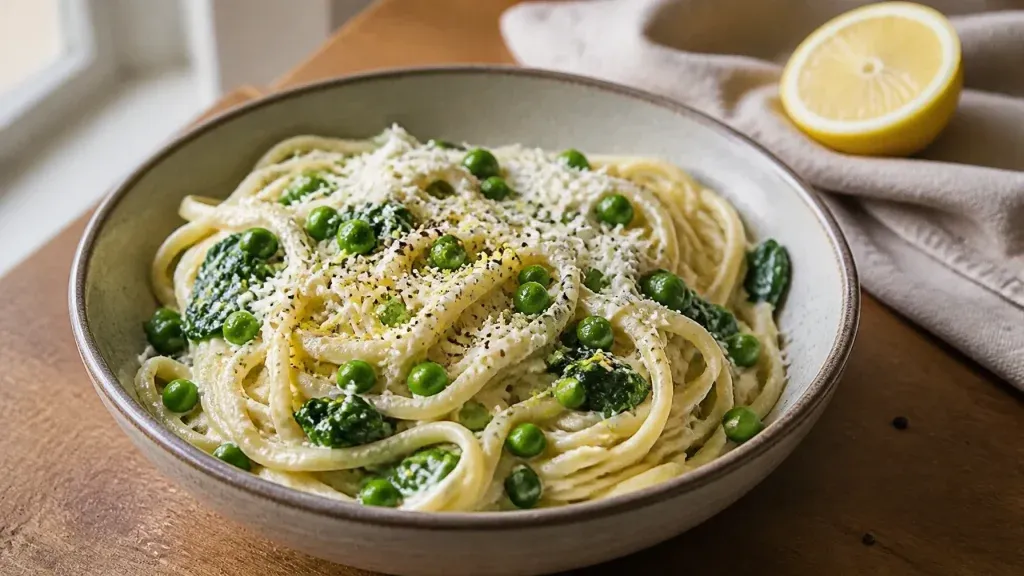
Some dinners need a clever plan. This one needs a pot, a pan, and about 25 minutes of your attention. Creamy pea, pancetta and Parmesan penne is one of my favorite simple pasta recipes because it turns a short list of everyday ingredients into something silky, savory and properly comforting. The peas bring sweetness, the pancetta brings crisp, salty depth, and Parmesan makes the sauce taste far more complicated than it is.
The Science of a Sauce That Clings
The secret to a creamy pasta sauce is not simply adding more cream. In fact, too much cream can make the dish heavy and oddly flat. The real magic comes from combining fat, water and starch so they form a smooth emulsion: tiny droplets of fat suspended evenly through the liquid instead of floating around like they have missed the meeting.
That is why pasta cooking water matters. As penne cooks, it releases surface starch into the water. Save some before draining, then use it to loosen the sauce while helping it cling to every ridge and hollow. The starch acts as a gentle thickener and gives the finished dish a glossy, cohesive texture.
Reserve the water even if you think the sauce looks perfect. Pasta continues to absorb liquid as it sits, so a sauce that seems loose in the pan may be just right in the bowl. Add the water gradually rather than tipping in a large amount. You can always loosen a sauce; rescuing watery pasta is much less entertaining.
Keep the Pasta Firm
Cook the penne until al dente, not soft. Firm pasta has a pleasant bite, but there is another reason to stop early: it can finish cooking in the sauce. This final minute allows the pasta to absorb flavor rather than simply wearing the sauce like a jacket.
Use generously salted cooking water, but season cautiously elsewhere. Pancetta and Parmesan both contain plenty of salt, and their intensity increases as the sauce reduces. Taste at the end before adding more. This is a non-negotiable. Salty pasta is difficult to disguise, even with heroic amounts of parsley.
Penne works especially well here because its ridges catch the creamy sauce and its hollow centers collect peas and pancetta. For more pasta inspiration, browse Cookpedia’s pasta collection, which includes plenty of practical weeknight ideas.
Render Pancetta Slowly
Start the pancetta over medium heat and give its fat time to render. Gentle heat allows the fat to melt gradually while the meat becomes crisp. High heat may brown the outside quickly, but it can leave the center chewy and the pan full of bitter burnt bits. Crispy is good. Charred and suspicious is not.
Leave a thin layer of rendered fat in the pan. It carries the pancetta’s savory flavor into the sauce and helps soften any aromatics you add. Drain excess fat if the pan looks oily, but do not strip it completely. You want flavor, not a dry skillet with nothing left to say.
Add shallot or garlic only after the pancetta has begun to crisp. Aromatics contain natural sugars that can scorch quickly, especially in hot fat. Cook them until softened and fragrant, then lower the heat before adding the creamy elements.
Treat Peas Gently
Frozen peas are a weeknight hero. They are picked and frozen quickly, so they retain their sweetness and bright color surprisingly well. Add them late and heat them just until tender. Overcooking turns their fresh flavor dull and their texture soft.
Do not thaw them first unless you have a specific reason. Tossing frozen peas directly into the warm sauce cools the pan slightly, which is useful because cream and cheese prefer gentle heat. The peas warm through while keeping their shape.
Finish with black pepper and a little lemon zest or juice if the sauce tastes too rich. Acidity does not make the dish sour when used carefully; it sharpens the other flavors and stops the cream from feeling sleepy. Think of lemon as the window-opener of a rich sauce: bright, useful and best deployed without drama.
Melt Parmesan Without Graininess
Parmesan is a hard, aged cheese with relatively little moisture. That makes it wonderfully flavorful but also means it can seize or turn grainy if stirred into rapidly boiling liquid. Lower the heat before adding it, and let the residual warmth do the work.
Grate the cheese finely so it melts evenly. Add it gradually while tossing the pasta, then adjust the texture with small splashes of starchy water. Keep the sauce moving. The combination of agitation, starch and gentle heat encourages the cheese and fat to blend smoothly.
Serve immediately. Creamy cheese sauces thicken as they cool, and the pasta keeps absorbing moisture. If dinner is delayed, hold back a little pasta water and loosen the sauce just before serving. Better still, call everyone to the table while the pan is still warm. This is one of the few recipes where “dinner is ready” should be treated as a serious kitchen announcement.
Variations That Keep the Balance
Make the dish lighter by reducing the cream and relying more on pasta water and finely grated Parmesan for body. Add lemon zest at the end to provide lift. Keep enough fat from the pancetta to carry the flavor, but avoid turning the sauce into a swimming pool.
Swap pancetta for smoked bacon if that is what you have. Bacon is saltier and smokier, so taste carefully before seasoning. For a meat-free version, replace the pancetta with sautéed mushrooms or finely chopped sun-dried tomatoes. Mushrooms add savory depth through browning, while sun-dried tomatoes bring acidity and concentrated sweetness.
Add tender greens such as baby spinach during the final toss. They wilt quickly and bring color without requiring a separate pan. You can also stir through fresh mint, parsley or dill, but choose one. Three herbs competing for attention is how a simple dinner becomes a committee meeting.
For extra protein, fold in shredded chicken, flaked salmon or white beans. Keep the additions modest so the sauce remains the main event. If you are building a collection of quick family meals, this recipe is flexible enough to satisfy different appetites without making separate dinners.
Side Dishes That Cut Through the Cream
Pair this penne with something crisp and acidic. A simple arugula salad with lemon vinaigrette is ideal because its peppery leaves and sharp dressing cut through the creamy sauce. Add cucumber, shaved fennel or a few cherry tomatoes for freshness.
Roasted broccoli or asparagus also works well. Let the vegetables develop browned edges, then serve them alongside rather than mixing them into the pasta. Their slight bitterness balances the sweet peas and rich pancetta.
Keep bread optional. A small piece of toasted sourdough is excellent for catching the last sauce, but pasta already brings plenty of starch. If you want more color and crunch, serve a tomato salad with red wine vinegar instead. For more vegetable-forward inspiration, explore Cookpedia’s salad recipes and vegetarian dinner recipes.
FAQ: Fixes for Common Pasta Problems
What if the sauce turns grainy?
Take the pan off the heat immediately. Graininess usually means the Parmesan was added to liquid that was too hot, causing the proteins to tighten instead of melting smoothly. Add a small splash of warm pasta water and toss vigorously. You may not restore a perfectly silky sauce, but you can often bring it back together.
Prevent the problem by grating the cheese finely, lowering the heat and adding it gradually. Never boil the sauce after adding Parmesan.
What if the sauce is too thick?
Add reserved pasta water one tablespoon at a time while tossing. The starch will loosen the sauce without making it watery. Do this before adding extra cream, because cream increases richness but does not always improve texture.
Remember that the sauce will thicken as it cools. Stop when it looks slightly looser than your ideal serving consistency.
What if the sauce is too thin?
Keep tossing the pasta over low to medium heat for another minute. The pasta will release more starch and absorb some liquid. Add a little more Parmesan if needed, but do not add a large handful all at once.
If the sauce is still loose, let it reduce gently. Avoid turning up the heat aggressively, which may split the dairy before the liquid evaporates.
Can I use fresh peas instead of frozen?
Yes. Fresh peas may need slightly more cooking time, depending on their size and sweetness. Add them early enough to become tender, but stop while they are still bright green. Frozen peas are often more reliable for a fast dinner because they require no shelling and cook quickly.
Can I make this without cream?
Use extra pasta water, Parmesan and a little olive oil or butter to create a lighter emulsified sauce. The result will be less rich but still silky if you toss the pasta energetically while the cheese melts.
Do not expect a cream-free sauce to taste exactly like the original. Instead, lean into the brighter flavor by adding lemon zest, peas and plenty of black pepper.
Can I reheat leftovers?
Reheat gently in a skillet with a splash of water or milk. Stir frequently and stop as soon as the pasta is hot. High heat can cause the sauce to split and make the penne rubbery.
This dish is best fresh, but careful reheating gives leftovers a respectable second act. Store it in the refrigerator and use it within a couple of days.
Is this suitable for meal prep?
It is better for same-day preparation than long-term meal prep because creamy sauces continue thickening in the refrigerator. If you need to prepare ahead, cook the pasta slightly under al dente, keep extra sauce or pasta water ready, and reheat gently.
For a more make-ahead-friendly menu, browse Cookpedia’s one-pot meals or 30-minute meals. And if you are comparing dinner formats, remember that this stovetop pasta delivers comfort without waiting for air fryer recipes dinner to finish cycling through another batch.
How do I make it healthier?
Keep the portion of pancetta moderate, add extra peas or greens, and serve a sharp salad alongside it. Use enough Parmesan to create flavor rather than covering the pasta in cheese. These small choices preserve the dish’s balance while supporting your collection of healthy dinner ideas.
Most importantly, keep the sauce silky and the pasta properly cooked. Healthy cooking should still taste like dinner, not a punishment dressed in parsley.