Recipe
Servings
Servings 1×
Ingredients
- Chicken
- Shrimp
- Penne
- Pasta
- Noodles
- Greek yogurt
- Bread
- Cauliflower
- Broccoli
- Asparagus
- Mushrooms
- Garlic
- Lemon
- Lime
- Coconut milk
- Cream
- Hard cheese
Method
- Use your pasta water like liquid gold.
- Keep your heat at a gentle simmer.
- Let the residual warmth melt the cheese gradually while you toss the pasta vigorously.
- Use your liquid ingredients to deglaze the pan, scraping up every bit of that umami-rich residue.
- Toss them with a bit of garlic and a squeeze of lime to echo the brightness of the Cajun spices.
You know those nights when the clock is ticking, the fridge looks sparse, and your brain is too fried to contemplate a complex menu? We’ve all been there. That is exactly why I lean so heavily on simple pasta recipes that deliver high-impact flavor without requiring a culinary degree. This Creamy Cajun Chicken Penne is my absolute favorite "emergency" dinner. It’s bold, it’s comforting, and it manages to feel like a restaurant-quality treat while being fast enough to qualify for your rotation of 15 minute meals.
The Science of a Silky Cajun Sauce
Building a cream sauce that actually clings to your noodles rather than pooling at the bottom of the bowl is a matter of science, not luck. To achieve that professional, velvety finish, you must master the art of the emulsion. An emulsion is simply the forced marriage of fat and water. In this dish, you are balancing the fats from the cream, cheese, and rendered chicken juices with the watery base of your sauce.
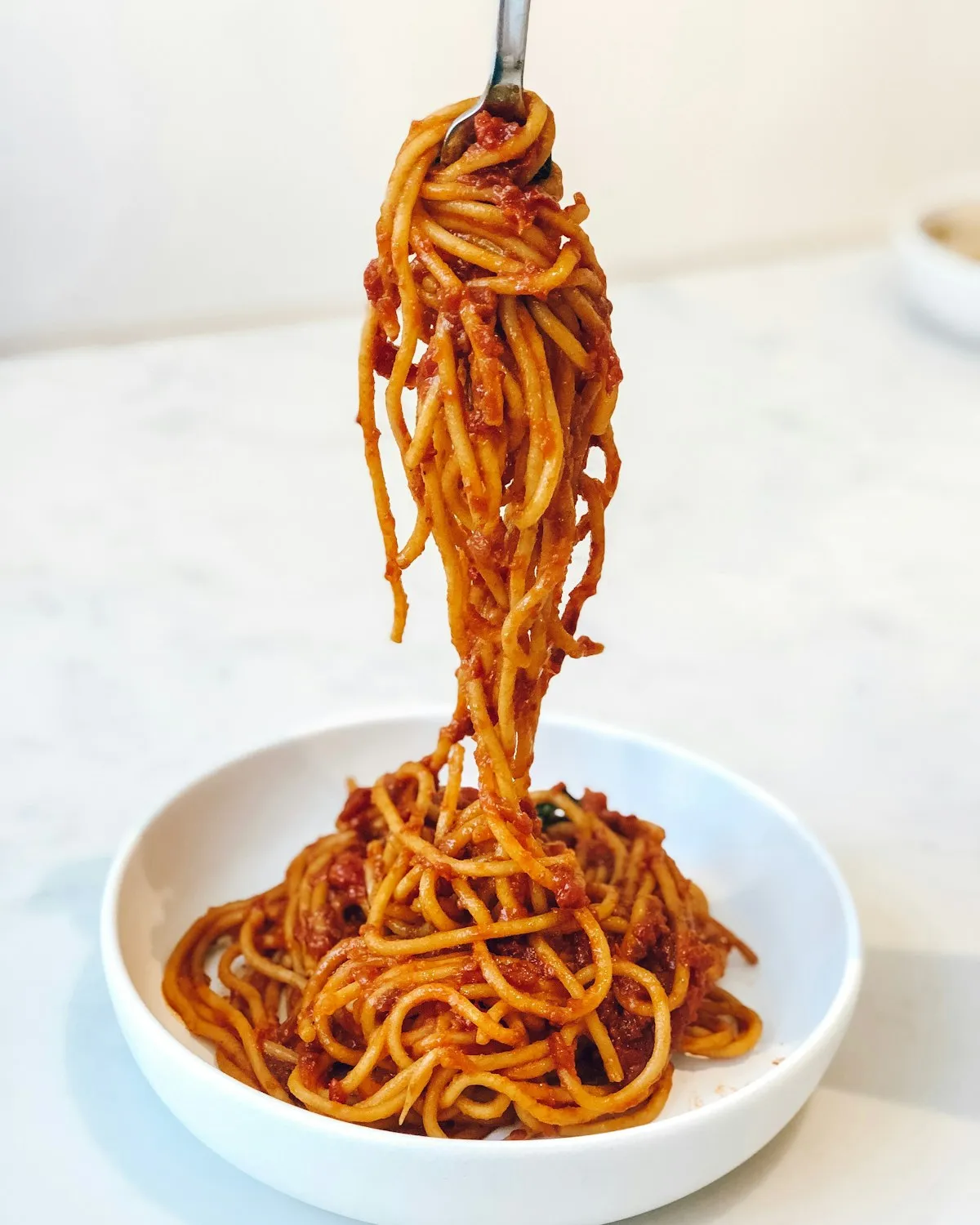
Use your pasta water like liquid gold. As the penne cooks, it releases amylose and amylopectin starches into the water. Never dump all of that cloudy liquid down the drain! Reserve at least a cup before straining. When you add a splash of this starchy water to your pan, those starch molecules act as a bridge, gripping the fats in the heavy cream and preventing them from separating into an oily mess. This is the secret to a sauce that has "body" and gloss.
Temperature control is your next non-negotiable. Casein proteins in dairy are temperamental; if you subject them to a violent boil, they will clump together, leaving you with a grainy, broken sauce. Keep your heat at a gentle simmer. When it comes time to add the Parmesan, take the pan completely off the heat. Let the residual warmth melt the cheese gradually while you toss the pasta vigorously. This mechanical force, combined with the right temperature, ensures the proteins hydrate evenly into the emulsion.
Don't be afraid of the "fond": those brown bits stuck to the bottom of the pan after searing your chicken. That is concentrated flavor waiting to be unlocked. Use your liquid ingredients to deglaze the pan, scraping up every bit of that umami-rich residue. It adds a depth of color and complexity to your Cajun spice profile that you simply can't get from a jar alone. Always toast your dry spices in the pan for thirty seconds before adding the liquids. This "blooms" the volatile oils in the paprika, cayenne, and thyme, making the flavors pop.
Finally, prioritize the "clinging" factor. Always finish your pasta in the sauce for the last sixty seconds of cooking. This allows the penne to absorb some of the sauce into its structure, while the surface starch bonds with the cream. If the result looks too thick, add more pasta water, one tablespoon at a time, until it flows like molten lava.
Bold Variations for Every Craving
While the classic chicken version is a staple, part of the joy of simple pasta recipes is their adaptability. If you are looking for healthy dinner ideas that don't skimp on spice, consider swapping the heavy cream for a mix of chicken stock and a small amount of Greek yogurt or light cream cheese. You’ll still get that tangy, creamy mouthfeel, but with a lighter profile that works beautifully for a weeknight.
For the seafood lovers, swap the chicken for blackened shrimp. Shrimp cook even faster, making this one of the most efficient 15 minute meals in your repertoire. Just ensure you sear the shrimp separately first so they don't overcook while the sauce reduces. If you’re feeling adventurous, add some sliced andouille sausage for a smoky, porky depth that screams authentic Louisiana.
Vegetarians can easily get in on the action by replacing the protein with roasted cauliflower or sautéed bell peppers and mushrooms. The earthy sweetness of mushrooms paired with the heat of the Cajun spices creates a fantastic balance. If you want to keep things strictly plant-based, use a high-quality cashew cream or full-fat coconut milk (though the latter will add a distinct tropical note).
Balancing the Plate with Side Dish Pairings
Because this pasta is inherently rich and spicy, your side dishes need to provide a counter-balance. Think about acidity and crunch. A heavy, creamy sauce needs something to "cut" through the fat on your palate.
A crisp garden salad with a sharp lemon-vinaigrette is the perfect companion. The citric acid from the lemon acts as a palate cleanser, making each bite of the creamy penne feel as fresh as the first. Avoid heavy, creamy dressings here; you already have enough dairy on the main plate!
Alternatively, go for a quick-roasted vegetable like broccolini or asparagus. Toss them with a bit of garlic and a squeeze of lime to echo the brightness of the Cajun spices. If you really want to lean into the comfort food vibe, a slice of crusty baguette or garlic bread is a must for mopping up every last drop of that sauce. It’s a carb-on-carb situation that I personally never regret.
Frequently Asked Questions
Why did my sauce turn out grainy or clumpy?
This usually happens because the heat was too high when you added the cheese. High heat causes the proteins in the cheese to seize and squeeze out their fat, leaving you with clumps of protein and a puddle of oil. Always turn the burner off or move the pan to a cool spot before whisking in your cheese. Also, ensure you are using freshly grated cheese; the pre-shredded stuff is coated in cornstarch which can mess with your texture.
Can I make this a one-pot meal to save on dishes?
Absolutely. Many one-pot meals follow this exact logic. You will need to adjust your liquid ratios so the pasta absorbs the water and cream as it cooks. It requires a bit more babysitting to ensure nothing sticks to the bottom, but the reward is a significantly easier cleanup.
How do I reheat leftovers without the sauce separating?
Cream sauces are notoriously tricky to reheat. The microwave often causes the fat to break away from the starch. To fix this, reheat the pasta in a small pan over low heat and add a splash of milk or water. Stir constantly as it warms up to re-emulsify the sauce. It won't be quite as perfect as day one, but it will be much better than a greasy bowl of noodles.
What if I don't have penne on hand?
While penne is great because the hollow center traps the sauce, any "tubular" or ridged pasta will work. Rotini or fusilli are excellent alternatives because their spirals hold onto the cream beautifully. Avoid thin, long noodles like angel hair, as they tend to get weighed down and clumped together by a thick Cajun sauce.
Is this dish too spicy for kids?
Cajun seasoning varies wildly in heat levels. If you're cooking for sensitive palates, look for a "mild" blend or make your own using more smoked paprika and less cayenne pepper. You can always add extra red pepper flakes to your individual portion if you want more kick!
Whether you’re looking for simple pasta recipes to survive a busy Tuesday or you’re diving into healthy dinner ideas that don't sacrifice soul, this Cajun penne delivers. It’s proof that you don't need hours in the kitchen to create something that feels truly special. Now, go grab that skillet and get cooking( your 15-minute masterpiece is waiting.)
{“@type”:”BlogPosting”,”image”:”https://cdn.marblism.com/Ax4JAtaL2Pw.webp”,”author”:{“name”:”Penny”,”@type”:”Person”},”faqPage”:{“@type”:”FAQPage”,”mainEntity”:[{“name”:”Why did my sauce turn out grainy or clumpy?”,”@type”:”Question”,”acceptedAnswer”:{“text”:”This usually happens because the heat was too high when you added the cheese. High heat causes the proteins in the cheese to seize. Always turn the burner off before whisking in freshly grated cheese.”,”@type”:”Answer”}},{“name”:”Can I make this a one-pot meal?”,”@type”:”Question”,”acceptedAnswer”:{“text”:”Yes, you can adjust liquid ratios to cook the pasta directly in the sauce, though it requires more stirring to prevent sticking.”,”@type”:”Answer”}},{“name”:”How do I reheat leftovers without the sauce separating?”,”@type”:”Question”,”acceptedAnswer”:{“text”:”Reheat in a pan over low heat with a splash of milk or water, stirring constantly to re-emulsify the fats and starches.”,”@type”:”Answer”}}]},”@context”:”https://schema.org”,”headline”:”Simple Pasta Recipes: Creamy Cajun Chicken Penne”,”publisher”:{“logo”:{“url”:”https://cdn.marblism.com/KxroJ1kM_KA.webp”,”@type”:”ImageObject”},”name”:”Cookpedia”,”@type”:”Organization”},”description”:”A guide to mastering creamy Cajun pasta with a focus on emulsification science, tips for the perfect sauce, and quick weeknight variations.”,”datePublished”:”2026-07-21″,”mainEntityOfPage”:{“@id”:”https://cookpedia.com/simple-pasta-recipes-creamy-cajun-chicken-penne”,”@type”:”WebPage”}}