Recipe
Servings
Servings 1×
Ingredients
- Shrimp
- Chickpeas
- Pasta
- Noodles
- Bread
- Broccoli
- Garlic
- Lemon
- Balsamic vinegar
- Cream
- Hard cheese
- Cooking oil
- Chili seasoning
Method
- Let’s dive into how you can turn a humble box of noodles into a restaurant-quality feast with zero stress and maximum flavor.
- Use a mandoline or a very sharp knife to get those slices paper-thin.
- Add your flakes to the pan just as the garlic starts to turn a very pale, champagne gold.
- Toast them for only 30 to 60 seconds.
You know those nights when you stare into your pantry and it stares back with nothing but judgment? Your fridge is a wasteland, and your motivation to cook is even lower. This is exactly why every home cook needs a back-pocket miracle. Enter the legendary Spaghetti Aglio e Olio. This dish is the crown jewel of simple pasta recipes, requiring nothing more than a handful of pantry staples and a little bit of scientific curiosity.
When you are short on time, it is easy to reach for a frozen meal, but this classic Italian staple proves that 15 minute meals can be genuinely sophisticated. It is the ultimate "I have nothing to eat" dinner that tastes like you actually have your life together. Let’s dive into how you can turn a humble box of noodles into a restaurant-quality feast with zero stress and maximum flavor.
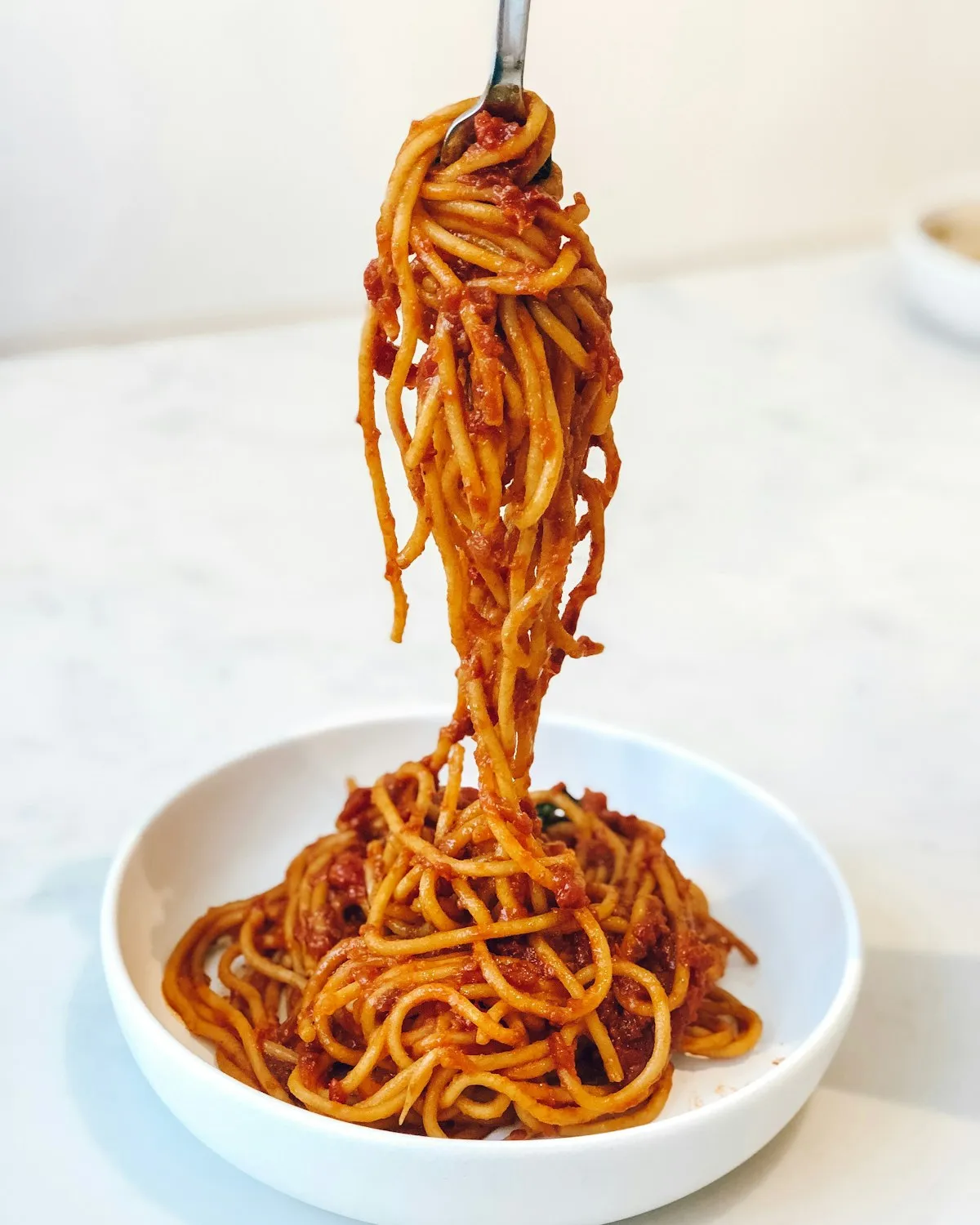
The Science of the Sizzle: Tips & Technique
To the untrained eye, this dish is just pasta tossed in oil. To the kitchen scientist, it is a delicate dance of extraction and emulsification. If you want to master easy dinner recipes, you have to understand the "why" behind the "how." The goal isn't just to coat the pasta in fat; it's to create a creamy, clinging sauce without using a single drop of cream.
The Garlic Cold Start
Most people wait for the oil to shimmer before throwing in the garlic. Don't do that. Garlic is delicate and its sugars burn faster than you can say "Mamma Mia." Start your thinly sliced garlic in cold olive oil. As the oil heats up gradually, it gently coaxes the allicin: the compound responsible for that pungent aroma: out of the cells. This slow infusion creates a deep, mellow base rather than a harsh, bitter one. Use a mandoline or a very sharp knife to get those slices paper-thin. They should melt into the sauce, not crunch in your teeth.
Blooming the Heat
Your chili flakes (peperoncino) contain capsaicin, which is fat-soluble. This means the heat doesn't really "wake up" until it meets oil. Add your flakes to the pan just as the garlic starts to turn a very pale, champagne gold. Toast them for only 30 to 60 seconds. This "blooming" process disperses the spice evenly throughout the oil, ensuring every bite of your pasta has a consistent, warming kick.
The Magic of Starchy Water
This is the non-negotiable step that separates a greasy plate of noodles from a masterpiece. When you boil pasta, it releases amylose and amylopectin (starch) into the water. Save a mug of that cloudy liquid! When you toss the pasta into the garlic oil, add a splash of this water and shake the pan like you’re trying to win a prize. This mechanical agitation, combined with the starch acting as a bridge, binds the oil and water into a glossy, creamy emulsion. Without this step, the oil will just pool at the bottom of the plate, and nobody wants that.
Elevate the Classic: Flavor Variations
While the traditional version is perfect in its simplicity, sometimes you want a little extra flair. Because this is one of our favorite simple pasta recipes, it’s built to be a canvas for your creativity.
- The Zesty Brightener: Once you’ve turned off the heat, zest a whole lemon directly over the pan. The acidity cuts through the richness of the olive oil and wakes up the garlic. A squeeze of the juice at the end adds a fresh dimension that transforms the dish.
- The Poor Man’s Parmesan: In Southern Italy, toasted breadcrumbs (pangrattato) are often used instead of cheese. Toast some coarse crumbs in a separate pan with a little oil until they are dark gold. Sprinkle them on top for a crunch that contrasts beautifully with the silky noodles.
- The Protein Boost: If you need a more substantial meal, fold in some pan-seared shrimp or a handful of canned chickpeas. Both absorb the garlic-chili oil beautifully and keep the dish within the realm of 15 minute meals.
Perfect Pairings: Side Dish Solutions
Since this pasta is rich and savory, your side dish should focus on balance. You want something with high acidity or a bit of bitterness to cleanse the palate between bites of garlic-infused heaven.
- Arugula and Shaved Parmesan: A simple arugula salad is the gold standard here. The peppery bite of the greens and a sharp lemon vinaigrette provide the perfect counterpoint to the mellow garlic.
- Balsamic Roasted Broccolini: If you want something warm, toss some broccolini in the air fryer. The charred, slightly bitter florets are incredible when dragged through any leftover oil on your pasta plate. It's one of those easy dinner recipes that makes the whole meal feel complete.
Frequently Asked Questions
Why did my garlic turn bitter and brown?
Garlic burns in a heartbeat. If your oil is too hot when the garlic goes in, the edges will brown and become bitter before the flavor has a chance to infuse the oil. Always use medium-low heat and stay vigilant. If it goes dark brown, toss it out and start over. It’s better to lose five minutes than to ruin the whole meal.
Can I use jarred minced garlic?
Strictly speaking, you can, but I wouldn't recommend it. Jarred garlic is often preserved in citric acid, which changes the flavor profile and prevents it from mellowing out properly in the oil. For this specific dish, the texture of sliced fresh garlic is half the experience.
Why is my sauce still watery and not creamy?
This usually happens because of a lack of agitation or not enough starch. Make sure you are boiling your pasta in less water than usual to concentrate the starch. When you add the water to the pan, don't be shy: toss that pasta vigorously! You need that physical movement to force the oil and water to marry.
Is extra virgin olive oil really necessary?
In a dish with only three main ingredients, quality matters. Extra virgin olive oil has a lower smoke point but a much richer, fruitier flavor. Since we are using low heat to infuse the garlic, you don't need to worry about the oil breaking down. Use the good stuff; your taste buds will thank you.
What if I don't have spaghetti?
While spaghetti is traditional because its surface area is perfect for the emulsion, you can use linguine or even fettuccine. Avoid short shapes like penne for this specific recipe, as they don't carry the light oil-based sauce as effectively as long strands do.
Can I store leftovers?
Pasta aglio e olio is best eaten immediately. As it cools, the emulsion can break, leaving you with a slightly greasy texture. If you must have leftovers, reheat them in a pan with a tiny splash of fresh water and a drizzle of oil to help bring the sauce back to life.
{“@type”:”BlogPosting”,”image”:”https://cdn.marblism.com/LwX3WDXsIE3.webp”,”author”:{“name”:”Penny”,”@type”:”Person”},”@context”:”https://schema.org”,”headline”:”Simple Pasta Recipes: Garlic and Oil Spaghetti with Chili Flakes”,”publisher”:{“logo”:{“url”:”https://cookpedia.com/logo.png”,”@type”:”ImageObject”},”name”:”Cookpedia”,”@type”:”Organization”},”description”:”Master the art of Spaghetti Aglio e Olio with our guide on emulsification, garlic science, and 15-minute meal techniques for the perfect easy dinner.”,”datePublished”:”2026-07-20″,”mainEntityOfPage”:{“@id”:”https://cookpedia.com/blog/simple-pasta-garlic-oil-chili”,”@type”:”WebPage”}}