Recipe
Servings
Servings 1×
Ingredients
- Chicken
- Penne
- Pasta
- Bread
- Broccoli
- Asparagus
- Zucchini
- Mushrooms
- Spinach
- Kale
- Tomatoes
- Garlic
- Lemon
- Cream
- Butter
- Cooking oil
- Salt
- Black pepper
Method
- Use a wide, shallow skillet rather than a deep stockpot.
- Stir your pasta every 60 to 90 seconds.
- Cover the pan and let it rest for two minutes off the heat.
If you have ever stared at a pile of dirty dishes after cooking a "simple" dinner and wondered where your life went wrong, this post is for you. We all want those soulful, home-cooked flavors, but nobody actually wants to scrub three different pots on a Tuesday night. That is why I am obsessed with one pot meals. This Tomato Basil Penne is the ultimate solution for anyone craving a high-impact dinner that respects your time and your wallet. It is elegant enough for a date night but easy enough for a chaotic weekday.
The Science of the Starch Emulsion
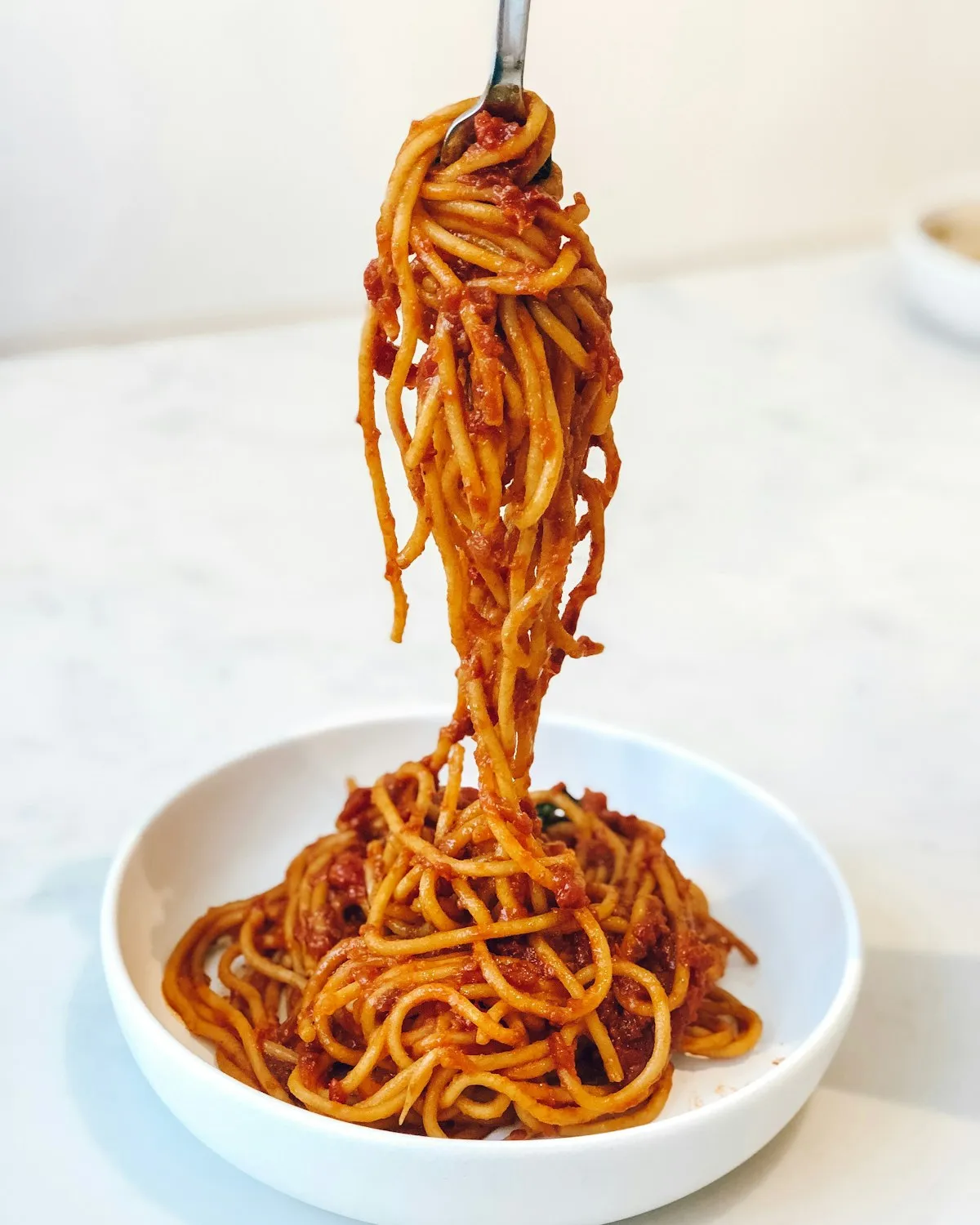
When it comes to simple pasta recipes, the magic isn't just in the ingredients; it is in the physics of the pot. Traditionally, we boil pasta in gallons of water and pour all that "liquid gold" down the drain. In a one-pot scenario, we are keeping every single molecule of starch right where it belongs: in the sauce.
Dried pasta is roughly 70% starch. As it hydrates in a limited amount of liquid, those starch molecules (specifically amylose and amylopectin) leach out and swell. In a standard pot of boiling water, they are diluted. But when you cook the pasta directly in the tomato base, that starch acts as a powerful emulsifier. It binds the water from the tomatoes and the fats from your olive oil into a single, velvety coating that clings to the penne. This is why one-pot sauces often feel richer and more cohesive than those made separately.
To make this science work for you, choice of equipment is non-negotiable. Use a wide, shallow skillet rather than a deep stockpot. A wider surface area allows for faster evaporation, which concentrates the starch at the same rate the pasta reaches al dente. If you use a deep pot, the liquid won't reduce quickly enough, and you’ll end up with pasta soup: which, while potentially edible, is not the goal here.
Maintain a gentle simmer, not a violent rolling boil. You want the temperature to stay between 185°F and 205°F. This "controlled-absorption" zone ensures the starch hydrates steadily without the pasta breaking apart. Stir your pasta every 60 to 90 seconds. Think of yourself as a manual convection current; stirring prevents sticking and helps distribute the starch evenly throughout the pan, creating that professional, glossy finish we’re after.
Level Up with Technique
Timing is everything when you are working with budget friendly recipes that rely on technique rather than expensive additives. The most common mistake is cooking the liquid until it is completely gone. Stop! Turn off the heat while there is still a small "puddle" of loose, starchy liquid at the bottom of the skillet.
Cover the pan and let it rest for two minutes off the heat. This resting period allows the starch granules to finish gelatinizing and align their structure. This stabilizes the emulsion, ensuring the sauce doesn't "split" or become oily when you add your finishing fats. After the rest, add a generous drizzle of extra-virgin olive oil and toss vigorously. This agitation breaks the fat into tiny droplets that the starch then traps, resulting in a sauce that looks like it came out of a high-end Italian kitchen.
Check the consistency before serving. If the sauce looks too thick or "tacky," whisk in a tablespoon of hot water. If it looks too thin, put it back on low heat for thirty seconds while tossing. The goal is a sauce that moves with the pasta, not one that sits at the bottom of the bowl.
Flavor Variations and Upgrades
While the classic tomato, basil, and mozzarella trio is hard to beat, the beauty of this method is its versatility. You can easily adapt this base to whatever is lingering in your pantry.
- The Protein Punch: If you want something heartier, stir in some shredded rotisserie chicken or sautéed Italian sausage at the very end. The residual heat will warm the protein through without overcooking it.
- The Veggie Loaded Version: Toss in a few handfuls of baby spinach or kale during the last two minutes of simmering. The greens will wilt perfectly into the starchy sauce. You can also add sliced mushrooms or zucchini at the start of the process to build a deeper umami profile.
- The Spicy Kick: Add a teaspoon of red pepper flakes to the aromatics at the beginning. The oil will bloom the spices, distributing a consistent heat throughout the entire dish.
- The Creamy Twist: If you want a "pink sauce" vibe, stir in two tablespoons of heavy cream or a dollop of mascarpone during the final tossing phase. The starch emulsion will hold the dairy beautifully, preventing it from curdling against the acidity of the tomatoes.
Perfect Side Dish Pairings
Even the best one pot meals benefit from a little company on the plate. Because this pasta is rich, starchy, and acidic, you want side dishes that offer a crisp contrast or help soak up any extra sauce.
A simple arugula salad with a sharp lemon vinaigrette is my go-to pairing. The bitterness of the greens and the acidity of the lemon cut right through the creaminess of the fresh mozzarella. If you have five extra minutes, a quick garlic bread made with butter, parsley, and a pinch of salt is a classic for a reason: it’s the perfect vessel for cleaning your plate.
For a lighter option, consider roasted asparagus or charred broccolini. The earthy, smoky notes from roasting provide a sophisticated counterpoint to the bright, herb-forward flavors of the basil and tomato.
Frequently Asked Questions
What if my pasta is still hard but the liquid is gone?
Don't panic. This usually happens if your heat was too high or your pan was too wide. Simply add half a cup of hot water (or broth), stir well, and keep simmering. Always use hot liquid for this to avoid dropping the temperature of the pot and ruining the starch development.
Can I use gluten-free pasta for this?
You can, but be cautious. Gluten-free pastas (especially those made from rice or corn) release starch differently and can sometimes become mushy if stirred too aggressively. I recommend checking the pasta two minutes before the package instructions suggest and being very gentle with your tossing.
Why is my sauce sticking to the bottom of the pan?
This is a sign that you aren't stirring often enough or your heat is too high. The starch that thickens your sauce is also quite "gluey." Constant movement is required to keep those molecules suspended in the liquid rather than bonded to the metal of your skillet.
Can I use dried basil instead of fresh?
You can, but add it at the very beginning with the tomatoes. Dried herbs need time and moisture to "re-awaken" their flavors. However, fresh basil is added at the end because its volatile oils are delicate and will disappear if boiled. If you can, stick with fresh: it makes a world of difference.
Why did my mozzarella turn into a giant, rubbery clump?
Mozzarella has a low melting point. If you drop it into a boiling pot, the proteins will seize and tighten. Always remove the pan from the heat and let the pasta rest for a minute before adding the cheese. You want it to soften and become "stretchy," not melt into a puddle of oil.
Is it okay to use canned tomatoes?
Absolutely. In fact, high-quality canned crushed tomatoes often provide a more consistent acidity and sugar content than fresh supermarket tomatoes, especially out of season. They are a staple for budget friendly recipes because they have a long shelf life and incredible flavor.
For more kitchen inspiration, check out our One-Pot Meals category or explore our Vegetarian Dinner Recipes for your next meatless Monday!
{“@type”:”BlogPosting”,”image”:”https://cdn.marblism.com/jzAM49d4mFI.webp”,”author”:{“name”:”Penny”,”@type”:”Person”},”@context”:”https://schema.org”,”headline”:”Simple Pasta Recipes: One-Pot Tomato Basil Penne with Fresh Mozzarella”,”keywords”:”simple pasta recipes, one pot meals, budget friendly recipes”,”publisher”:{“logo”:{“url”:”https://cookpedia.com/logo.png”,”@type”:”ImageObject”},”name”:”Cookpedia”,”@type”:”Organization”},”description”:”Learn the science behind perfect one-pot pasta. This simple tomato basil penne uses starch emulsification for a silky, rich sauce without the extra dishes.”,”datePublished”:”2026-07-20″,”mainEntityOfPage”:{“@id”:”https://cookpedia.com/simple-pasta-recipes-one-pot-tomato-basil-penne”,”@type”:”WebPage”}}