Recipe
Servings
Servings 1×
Ingredients
- Chicken
- Shrimp
- Pasta
- Noodles
- Tortillas
- Bread
- Cauliflower
- Zucchini
- Tomatoes
- Garlic
- Lemon
- Pesto
- Hard cheese
- Cooking oil
- Salt
- Black pepper
Method
- Use salt to your advantage.
- Let your noodles sit in a colander for at least 15 minutes.
- Use a wide skillet on high heat.
- Keep your pesto concentrated.
- Use high-quality Parmesan or Pecorino Romano to provide the structural integrity the sauce needs.
Switching to a low-carb lifestyle often feels like you are breaking up with your favorite comfort foods. But here is a secret: you don't have to say goodbye to pasta night. Finding solid keto recipes for beginners is all about mastering the art of the swap. My favorite way to satisfy those noodle cravings without the carb crash is with a vibrant bowl of zucchini noodles, or "zoodles." This dish is one of those easy dinner recipes that looks like a gourmet meal but takes very little effort to pull off, making it a perfect addition to your weekly rotation of healthy dinner ideas.
The Science of the "Soggy Zoodle" and How to Beat It
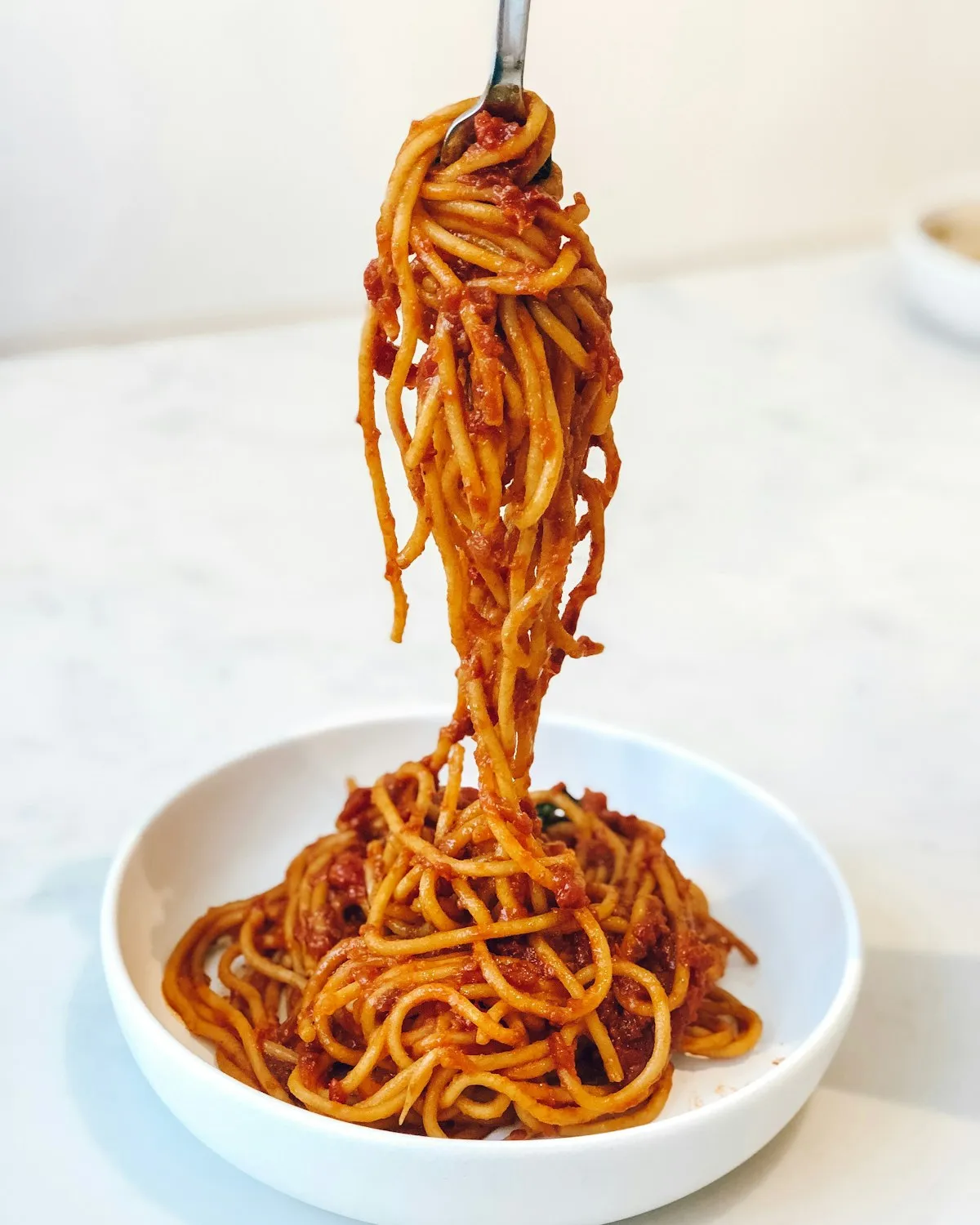
If you have tried zucchini noodles before and ended up with a watery soup instead of a crisp pasta dish, you aren't alone. Zucchini is roughly 95% water. When you apply heat, the cell walls of the vegetable break down, and all that internal hydration comes rushing out. To keep your noodles al dente, you need to understand the science of osmosis.
Use salt to your advantage. When you sprinkle coarse salt over your raw spirals, it creates a high-concentration environment outside the plant cells. Through osmosis, the water inside the zucchini moves outward to try and balance that concentration. Let your noodles sit in a colander for at least 15 minutes. You will be shocked at the puddle of water that accumulates underneath.
Avoid the temptation to skip the squeeze. After the salting period, wrap your noodles in a clean kitchen towel or a nut milk bag and give them a firm squeeze. You want to expel as much liquid as possible. This mechanical pressure, combined with the earlier chemical extraction, transforms the texture from mushy to firm.
When it comes to cooking, heat is your friend, but only in short bursts. Use a wide skillet on high heat. This encourages any remaining surface moisture to evaporate instantly rather than steaming the noodles. Sauté them for no more than two minutes. Remember, they don't need to be "cooked" in the traditional sense; you are simply warming them and slightly softening the fiber. If you leave them in the pan too long, you will cross the threshold where the cell walls collapse entirely, and no amount of salt can save you then.
Mastering the Pesto Emulsion
The soul of this dish is the pesto. Because zucchini noodles can’t support heavy, watery sauces like a traditional wheat pasta can, you need a thick, stable emulsion. A pesto is essentially a suspension of solids: basil, nuts, and cheese: in a fat base of extra virgin olive oil.
Keep your pesto concentrated. If your pesto is too thin, it will slide right off the smooth skin of the zoodles. Use high-quality Parmesan or Pecorino Romano to provide the structural integrity the sauce needs. The proteins and fats in the cheese help bind the oil to the basil, creating a coating that clings to every spiral.
Check your temperature when combining. Never boil your pesto. High heat can cause the oil to separate and the basil to turn a dull brown. Instead, toss your warm, drained noodles with the pesto off the heat. The residual warmth of the zucchini is more than enough to melt the cheese and release the aromatics of the basil without breaking the delicate emulsion. This ensures every bite is rich, nutty, and satisfying.
Flavor Variations and Protein Boosts
While the classic basil and pine nut combo is hard to beat, you can easily adapt this dish to fit whatever you have in the pantry. This versatility is why it ranks so high among quick family meals. If pine nuts are too expensive or unavailable, swap them for walnuts or toasted slivered almonds. Walnuts add a deeper, earthier note that pairs beautifully with the sweetness of the cherry tomatoes.
For those who need a bit more substance, adding a protein is a non-negotiable. You can lean into other air fryer recipes dinner styles by quickly prepping some herb-crusted chicken or lemon-garlic shrimp. The air fryer is particularly great here because it provides a crispy exterior that contrasts with the soft noodles.
Try a "Red Pesto" variation by blending in sun-dried tomatoes or roasted red peppers. This adds a punch of acidity and a different layer of sweetness that cuts through the richness of the olive oil. If you want to kick the spice up a notch, toss in a pinch of red pepper flakes during the final sauté. The capsaicin in the peppers adds a heat that balances the fat of the cheese and oil perfectly.
Perfect Pairings for a Balanced Plate
When you are eating keto, balance is about more than just macros; it's about texture and acidity. Since this dish is quite rich in fats from the pesto, you want side dishes that provide a crisp contrast.
Consider a simple arugula salad with a heavy lemon vinaigrette. The peppery bite of the arugula and the sharp acidity of the lemon help cleanse the palate between bites of the rich, buttery zoodles. This is a staple among easy dinner recipes because it requires zero cooking time.
If you miss the "bread" element of a pasta dinner, look into keto-friendly garlic bread made from almond flour or a cauliflower-based focaccia. Having something to mop up the extra pesto at the bottom of the bowl is a high-impact way to make the meal feel more indulgent. For more inspiration on building a complete menu, check out our 15-minute meals section for sides that won't keep you in the kitchen all night.
FAQ: Solving Your Zoodle Dilemmas
What if I don’t have a spiralizer?
Don't panic. You can use a standard vegetable peeler to create long, thin "ribbons" or a mandoline slicer with a julienne blade. The ribbons are actually excellent for holding onto thicker sauces. The same rules for salting and drying still apply!
Can I make this dish ahead of time for meal prep?
Zucchini noodles are best served fresh. If you must prep ahead, spiralize the zucchini and store the raw noodles in a container lined with paper towels to absorb moisture. Do not cook them until you are ready to eat. Cooked zoodles do not reheat well; they almost always become mushy when microwaved.
Why did my pesto turn brown?
This is oxidation. When basil is chopped, enzymes are released that react with oxygen. To prevent this, ensure your basil is completely dry before blending and try to limit the blending time to avoid heating the leaves. Adding a tiny squeeze of lemon juice can also help preserve that bright green color.
Is it okay to use frozen zucchini noodles?
Avoid them if you can. The freezing process creates ice crystals that rupture the cell walls of the zucchini. When they thaw, they lose almost all their structural integrity. If you are looking for quick family meals, stick to fresh zucchini: it only takes a minute to spiralize.
How many zucchinis do I need per person?
Zucchini shrinks significantly once the water is removed. Aim for 1.5 to 2 medium zucchinis per adult. It might look like a mountain of food when you start, but it will settle into a standard pasta-sized portion once cooked.
Can I use other vegetables?
Absolutely. Yellow summer squash works identically to zucchini. If you aren't strictly keto, sweet potato or butternut squash spirals are delicious, though they require a longer cooking time and don't need the salting step. For more low-carb inspiration, browse our air fryer dinners for high-protein pairings.
What is the best way to store leftovers?
If you have leftovers, store the noodles and pesto separately if possible. If they are already mixed, eat them cold the next day as a pasta salad. Reheating will only lead to more water release.
{“@type”:”BlogPosting”,”image”:”https://cdn.marblism.com/hZBcQEJgIXD.webp”,”author”:{“name”:”Penny”,”@type”:”Person”},”@context”:”https://schema.org”,”headline”:”Keto Recipes for Beginners: Zucchini Noodles with Pesto and Cherry Tomatoes”,”publisher”:{“logo”:{“url”:”https://cookpedia.com/logo.png”,”@type”:”ImageObject”},”name”:”Cookpedia”,”@type”:”Organization”},”mainEntity”:{“@type”:”FAQPage”,”mainEntity”:[{“name”:”What if I don’t have a spiralizer?”,”@type”:”Question”,”acceptedAnswer”:{“text”:”You can use a standard vegetable peeler to create long, thin ribbons or a mandoline slicer with a julienne blade. The same rules for salting and drying still apply.”,”@type”:”Answer”}},{“name”:”Can I make this dish ahead of time for meal prep?”,”@type”:”Question”,”acceptedAnswer”:{“text”:”Zucchini noodles are best served fresh. Spiralize the zucchini and store raw in a container lined with paper towels, but do not cook until ready to eat.”,”@type”:”Answer”}},{“name”:”Is it okay to use frozen zucchini noodles?”,”@type”:”Question”,”acceptedAnswer”:{“text”:”Avoid them. The freezing process ruptures cell walls, making them very mushy when thawed. Fresh is best for texture.”,”@type”:”Answer”}}]},”description”:”Learn how to make the perfect keto zucchini noodles with pesto and cherry tomatoes. Master the science of preventing soggy zoodles and enjoy a healthy dinner.”,”datePublished”:”2026-07-21″,”mainEntityOfPage”:{“@id”:”https://cookpedia.com/keto-zucchini-noodles-pesto”,”@type”:”WebPage”}}