Recipe
Servings
Servings 1×
Ingredients
- Chicken
- Shrimp
- Tortellini
- Pasta
- Noodles
- Spinach
- Tomatoes
- Garlic
- Lemon
- Cream
- Hard cheese
- Cooking oil
- Black pepper
Method
- Use your pasta water like liquid gold.
- Keep your burner on a low, steady simmer.
- Toss your fresh spinach in at the very last second.
- Let the residual heat of the sauce do the work.
If you have fifteen minutes and a serious craving for something that tastes like a fancy bistro but costs less than a single cocktail, you’ve come to the right place. I’ve spent far too many nights staring into an empty fridge, and let me tell you, this tortellini dish is my absolute secret weapon. It’s one of those simple pasta recipes that makes you look like a kitchen genius without actually requiring any heavy lifting. Forget the complicated multi-step projects; we are focusing on big flavors and zero stress today.
Emulsification and the Science of the Perfect Sauce
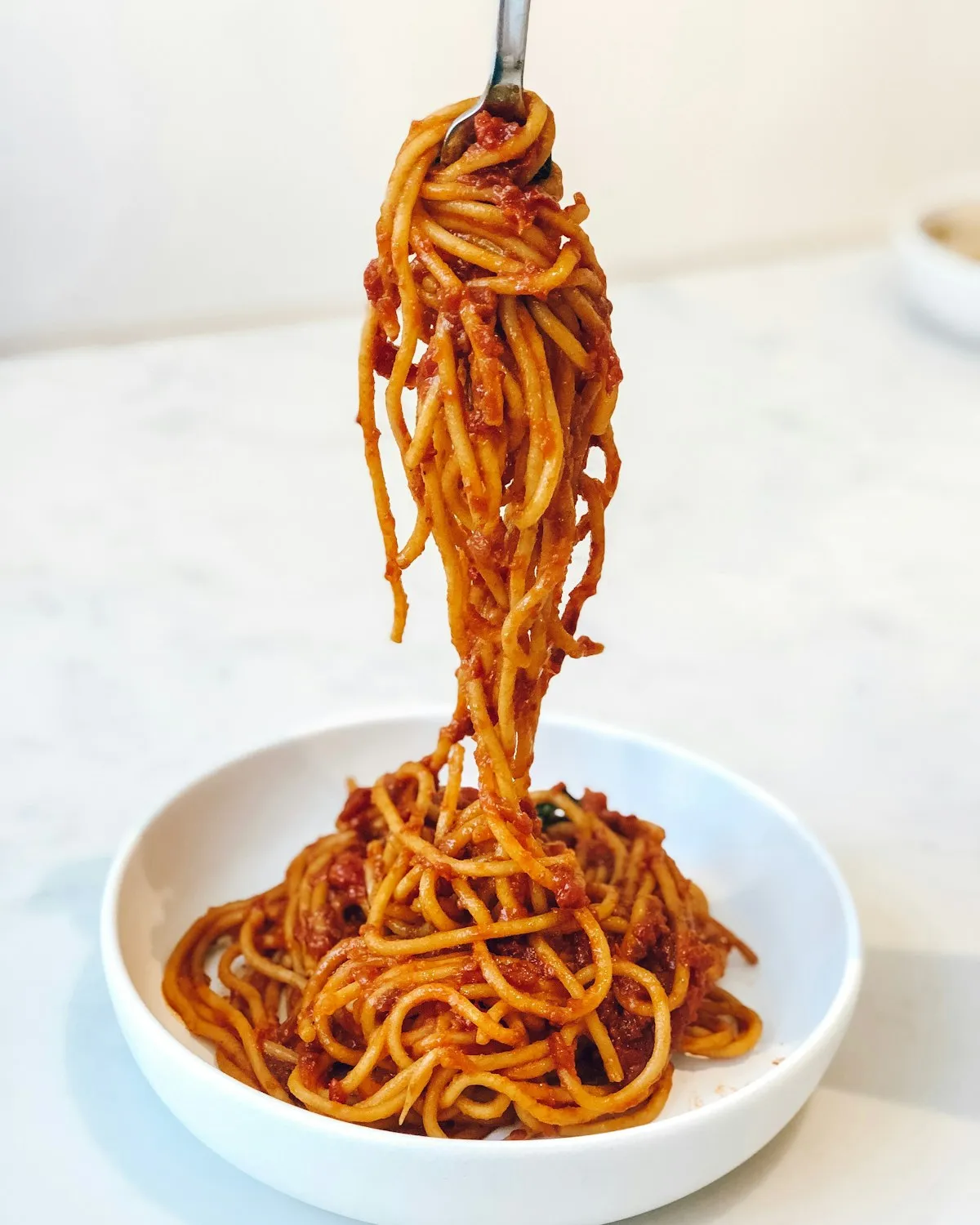
To move beyond basic noodles and into the realm of truly easy dinner recipes, you need to understand the magic of emulsification. A great cream sauce isn’t just dairy dumped into a pan; it’s a delicate balance of fat and water. When you combine heavy cream with the oils from sun-dried tomatoes and a splash of starchy pasta water, you are creating a stable emulsion. That starch acts as a bridge, holding the fats and liquids together so your sauce stays glossy rather than turning into a greasy puddle.
Use your pasta water like liquid gold. Never dump it all down the drain. Always reserve a cupful before you strain your tortellini. This cloudy, salty water contains the starch shed by the pasta, which is the key to thickening your sauce naturally. If your sauce looks a bit too thick or starts to "break" (where the oil separates from the cream), whisk in a tablespoon of that reserved water. Watch as it instantly brings everything back into a smooth, velvety harmony. It’s a simple trick that separates amateur home cooks from the pros.
Master the art of heat management. Dairy is sensitive. If you let your cream sauce reach a rolling boil, the proteins can clump together, resulting in a grainy texture. Keep your burner on a low, steady simmer. You want small, gentle bubbles, not a volcanic eruption. This slow heat allows the flavors of the garlic and sun-dried tomatoes to infuse deeply into the cream without scorching.
Check your acid balance. Sun-dried tomatoes provide a punch of tartness, but the richness of the cream and the saltiness of the Parmesan can sometimes overwhelm it. If the dish feels "heavy" or flat, add a tiny squeeze of lemon juice right at the end. Acidity acts like a volume knob for flavor; it wakes up the palate and cuts through the fat, making every bite taste brighter. Avoid adding the lemon too early, though, as high heat plus acid can cause the cream to curdle.
Focus on the texture of your spinach. Nobody likes slimy, overcooked greens that have turned a muddy shade of forest floor. Toss your fresh spinach in at the very last second. Let the residual heat of the sauce do the work. It only needs about sixty seconds to wilt into that perfect, vibrant green state. This ensures you keep the fresh, slightly mineral bite that balances the sweet-umami depth of the tomatoes.
Creative Variations and Flavor Balancing
While this tortellini is a powerhouse on its own, I often treat it as a canvas for whatever is lingering in my pantry. One of the best quick family meals involves adding a bit of protein to the mix. If you have leftover grilled chicken or even some sautéed shrimp, toss them in at the end to warm through. The smokiness of grilled chicken plays beautifully with the concentrated sweetness of the sun-dried tomatoes.
Swap your cheeses to shift the flavor profile. While Parmesan is the classic choice for its salty umami, a bit of Pecorino Romano will add a sharper, funkier edge. If you want maximum creaminess, whisk in a tablespoon of goat cheese. It adds a tangy richness that complements the spinach perfectly. Just remember to keep the heat low so the cheese melts evenly into the sauce rather than clumping.
Experiment with heat. If you enjoy a bit of a kick, bloom some red pepper flakes in your oil before you add the cream. This "blooming" process releases the capsaicin into the fat, ensuring the heat is distributed evenly throughout the entire dish rather than surprising you with a spicy landmine in a single bite. For those who prefer healthy dinner ideas, try adding extra vegetables like thinly sliced bell peppers or artichoke hearts. These additions add bulk and fiber without requiring extra heavy cream, keeping the meal light but satisfying.
Side Dish Pairings for a Balanced Plate
Since this pasta is undeniably rich and creamy, your side dishes should focus on high-contrast textures and bright flavors. A crisp, bitter green salad, think arugula or radicchio, is the perfect companion. Dress it with a simple lemon vinaigrette to provide a sharp counterpoint to the velvet-heavy sauce. The crunch of the greens provides a much-needed break from the soft, pillowy texture of the tortellini.
Don't forget the bread. A crusty baguette or a slice of sourdough is essential for "scarpetta", the Italian tradition of mopping up every last drop of sauce from your plate. If you want to lean into the air fryer recipes dinner trend, try making some quick garlic croutons or toasted bread slices in the air fryer. It takes about four minutes and gives you a perfectly even, golden-brown crunch that stands up to the sauce.
For a veggie-forward side, consider roasted asparagus or brocoli. Toss them with a bit of olive oil and salt, and roast until the tips are charred and crispy. The earthy, charred notes of roasted vegetables provide a savory depth that balances the sweetness of the sun-dried tomatoes. This creates a well-rounded meal that hits every part of the palate: salty, sweet, sour, and savory.
Frequently Asked Questions
Why did my cream sauce separate and turn oily?
This usually happens for two reasons: too much heat or a lack of emulsifier. If the sauce boils too vigorously, the fat in the cream separates from the water content. To fix this, remove the pan from the heat immediately. Whisk in a splash of cold cream or a tablespoon of starchy pasta water. The cold liquid and the starch will help pull the emulsion back together. In the future, keep the heat on a low simmer and never let the sauce reach a full boil.
Can I use milk instead of heavy cream?
You can, but the results will be significantly thinner and less stable. Heavy cream has a high fat content (around 36%), which makes it naturally resistant to curdling and gives it that luxurious mouthfeel. If you use milk, you will likely need to create a roux (a mixture of flour and butter) first to provide the necessary structure. If you are looking for healthy dinner ideas and want to reduce the fat, try using half-and-half or a splash of whole milk mixed with a teaspoon of cornstarch.
My sun-dried tomatoes are very tough. How do I fix them?
If you are using the dry-packed version rather than the ones packed in oil, they need to be rehydrated. Soak them in warm water or broth for about ten minutes before adding them to your sauce. If you are using the oil-packed variety, they should already be tender. Sautéing them in the pan for a few minutes before adding the liquid helps soften them further and releases their flavorful oils into the base of your sauce.
Can I make this dish ahead of time?
Pasta dishes with cream sauces are always best served immediately. As the sauce cools, the starch in the pasta continues to absorb moisture, which can lead to a dry, clumpy mess. If you must make it ahead, undercook the tortellini slightly. When you are ready to eat, reheat it gently on the stove with an extra splash of milk or pasta water to loosen the sauce back to its original creamy glory.
Is it possible to use frozen spinach?
Yes, but you must squeeze out every single drop of excess water first. Frozen spinach holds a surprising amount of liquid, and if you toss it straight into the pan, it will turn your beautiful cream sauce into a watery, grey soup. Thaw it completely, wrap it in a clean kitchen towel, and squeeze until no more water comes out. Since frozen spinach is already blanched, you only need to stir it in at the very end to warm it through.
{“@type”:”BlogPosting”,”image”:”https://cdn.marblism.com/MwZc5voGpxt.webp”,”author”:{“name”:”Cookpedia”,”@type”:”Person”},”@context”:”https://schema.org”,”headline”:”Simple Pasta Recipes: Sun-Dried Tomato and Spinach Tortellini”,”publisher”:{“logo”:{“url”:”https://cookpedia.com/logo.png”,”@type”:”ImageObject”},”name”:”Cookpedia”,”@type”:”Organization”},”description”:”Learn the science of emulsification and how to make the perfect creamy sun-dried tomato and spinach tortellini. A quick family meal that is simple and delicious.”,”datePublished”:”2026-07-21″}