Recipe
Servings
Servings 1×
Ingredients
- Chicken
- Penne
- Pasta
- Noodles
- Broccoli
- Onion
- Garlic
- Lemon
- Balsamic vinegar
- Butter
- Cooking oil
- Salt
- Black pepper
Method
- Prepare the ingredients described in the article and heat the cooking surface or oven as directed.
- Cook the main ingredients using the heat and timing guidance in the article.
- Finish with the seasonings and garnishes named in the article, then serve.
Stop waiting for that giant, six-quart pot of water to come to a rolling boil. You know the drill: you fill it up, set it on the high flame, and then wander off for fifteen minutes while the kitchen turns into a sauna. It’s a waste of time, a waste of energy, and: most importantly: a waste of the culinary liquid gold that is starchy pasta water. If you want to master simple pasta recipes, you need to flip the script. We are starting cold, we are using less water, and we are going to change your weeknight dinner game forever.
The Science of the Cold Start
The traditional "boil first, drop later" method isn't actually based on chemistry; it’s based on tradition. Most of us were taught that pasta needs a massive ocean of water to prevent it from sticking. The theory was that a large volume of water dilutes the starch and keeps the temperature from dropping too far when you add the noodles. But science: and a few culinary legends like Harold McGee and Alton Brown: has proven that this is simply not true.
When you start pasta in cold water, you are essentially allowing the hydration process to begin before the heat "sets" the structure. Dry pasta is a matrix of starch and protein (gluten). As the water heats up, it slowly penetrates the core of the noodle. Because the water isn't 100°C yet, the starch on the surface doesn't immediately gelatinize into a sticky glue. Instead, the pasta hydrates more evenly from the outside in. By the time the water hits a simmer, your pasta is already halfway to the finish line, and it’s doing so with a much more consistent texture.
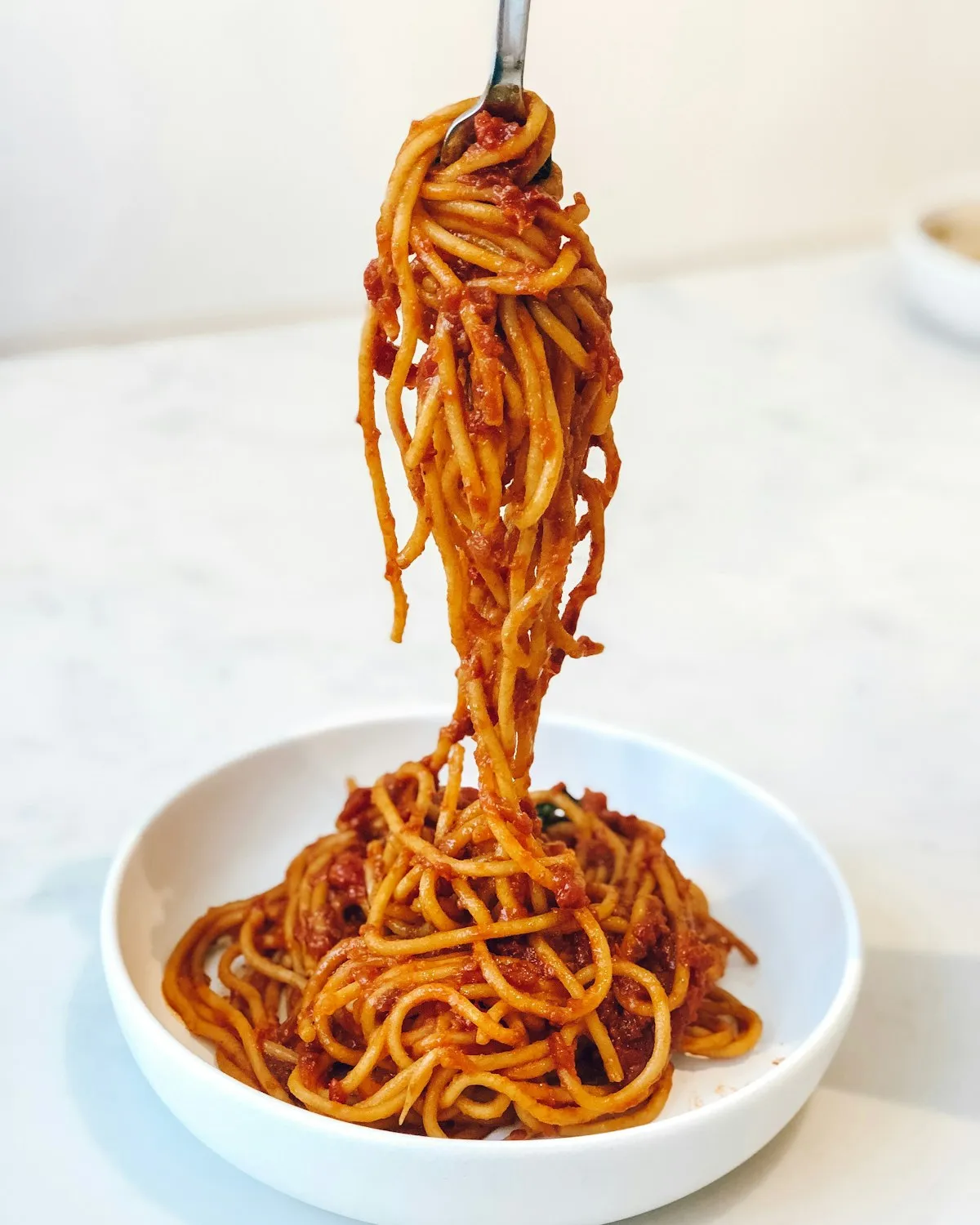
One of the biggest wins here is the concentration of starch. Because you are using just enough water to cover the pasta (usually about an inch above the noodles), the amount of starch released into that small volume is incredibly high. Think of it as "Pasta Essence." This liquid is the secret to achieving the perfect glossy sauce. When you toss your finished pasta with a bit of butter, cheese, or oil, that concentrated starchy water acts as a natural emulsifier, binding the fat and liquid into a silky coating that actually clings to the noodles.
Use a wide skillet instead of a deep pot. This increases the surface area, which helps the water heat faster and gives the pasta plenty of room to move around as you stir it occasionally. Avoid the urge to walk away during the first few minutes; a quick stir as the water begins to steam ensures that those short shapes don't decide to become a single, giant lump of dough.
Finding Your Flow: Variations to Try
While this method is a dream for simple pasta recipes, it does have its favorites. Short, sturdy shapes like penne, rotini, macaroni, and farfalle are the champions of the cold-water method. They are robust enough to handle the gradual temperature climb without falling apart.
If you’re feeling adventurous, don't just use water. You can start your pasta in a mixture of cold chicken or vegetable broth. Because the pasta absorbs the liquid it cooks in, starting with a flavorful base means you’re seasoning the noodle from the inside out. Just be mindful of the salt content in your broth; since the water reduces significantly, the saltiness will intensify.
What about the long stuff? Spaghetti and linguine can be tricky because they love to tangle. If you want to use the cold-water method for long noodles, you must use a wide pan: like a large sauté pan: so the noodles can lie flat. You’ll also need to be more aggressive with your stirring in the first five minutes to keep them separated.
For my friends in the gluten-free camp, this technique is a lifesaver. Gluten-free pastas are notoriously finicky; they often go from "rock hard" to "mush" in a matter of seconds. The gradual heating of the cold-start method allows for a more controlled cook. Check your pasta about three to four minutes after the water reaches a boil, as GF varieties can vary wildly in their absorption rates.
Balancing the Plate: Side Dish Pairings
When you've mastered a rich, silky pasta using this hack, you need side dishes that provide a bit of "crunch" and "zing" to balance the meal. Since the pasta is taking up a burner on the stove, look to your other appliances to help you create quick family meals without the stress.
I’m a huge fan of pairing a starchy pasta with high-heat roasted vegetables. You want something that cuts through the richness. Think about acidity and bitterness. A simple arugula salad with a heavy lemon vinaigrette is a classic for a reason, but if you want something warm, look at air fryer recipes dinner options. An air-fried medley of peppers and onions adds a charred sweetness that complements a simple garlic and oil pasta perfectly.
For a more substantial side, consider a quick roasted broccoli with red pepper flakes and a splash of balsamic vinegar. The goal is to provide a texture contrast to the soft, al dente pasta. Using the air fryer for your sides keeps the kitchen cool and ensures your veggies are crisp while your pasta water is reducing into that liquid gold on the stovetop.
Frequently Asked Questions
Won’t the pasta turn out gummy?
This is the most common fear, and I get it. We’ve been told for decades that "starch = glue." However, the gumminess usually comes from overcooking or letting pasta sit in stagnant, warm water for too long. By bringing the water and pasta to a boil together and stirring occasionally, you prevent the noodles from fusing. The high starch concentration is exactly what you want for the sauce, not the noodle itself. As long as you test for doneness frequently once the water hits a boil, you'll have perfect al dente results.
When do I add the salt?
Add your salt at the very beginning when the water is cold. Because you are using such a small amount of water, you don’t need the literal handful of salt that the "ocean water" method requires. Start with a teaspoon and adjust. Remember, as the water evaporates and turns into that thick sauce base, the salt concentration will increase. Under-salt at the start; you can always add a pinch of flaky sea salt at the end.
Can I do this for healthy dinner ideas?
Absolutely. This method works perfectly with whole-wheat pasta or chickpea-based noodles, which are staples for healthy dinner ideas. In fact, alternative pastas often benefit from the gentler heat of a cold start because they are more prone to breaking apart in a violent, rolling boil. It's a fantastic way to ensure your high-protein or high-fiber pasta maintains a pleasant mouthfeel.
Do I ever need to rinse the pasta?
Never. Rinsing pasta is the ultimate kitchen sin in this house. When you rinse, you wash away all that beautiful starch we worked so hard to concentrate. That starch is what makes your sauce creamy without needing a gallon of heavy cream. Even if you are making a cold pasta salad, the cold-water method provides a better structure that holds up well after cooling.
How much water is "just enough"?
The rule of thumb is about one inch of water above the level of the dry pasta in your pan. If you find the water is evaporating too quickly before the pasta is tender, just add a splash more from the kettle. It’s a very forgiving way to cook once you get the hang of the ratio.
{“@type”:”BlogPosting”,”image”:[“https://cdn.marblism.com/o7hGxcgKPrW.webp”,”https://cdn.marblism.com/xKDTRU-hu_9.webp”,”https://cdn.marblism.com/92fKel-dII_.webp”,”https://cdn.marblism.com/7D8BUBfsCzV.webp”],”author”:{“name”:”Cookpedia”,”@type”:”Organization”},”@context”:”https://schema.org”,”headline”:”Simple Pasta Hack: The Cold Water Method”,”publisher”:{“logo”:{“url”:”https://cookpedia.com/logo.png”,”@type”:”ImageObject”},”name”:”Cookpedia”,”@type”:”Organization”},”articleBody”:”Stop waiting for that giant, six-quart pot of water to come to a rolling boil… [Full content of the article]”,”description”:”Master the cold water pasta method to save time, energy, and create the starchiest water for perfect glossy sauces. A soulful guide to simple pasta recipes.”,”datePublished”:”2026-06-09″}