Recipe
Servings
Servings 1×
Ingredients
- Chicken
- Shrimp
- Pasta
- Noodles
- Mushrooms
- Spinach
- Garlic
- Lemon
- Coconut milk
- Cream
- Hard cheese
- Chili seasoning
Method
- Use a wide pan to ensure even heat distribution.
- Heat is the enemy of a smooth dairy sauce.
- Remove the lid and turn the heat up to medium-high for 60 to 90 seconds.
- Add it at the very end just to warm through.
- Heat it gently and stir often to bring that silkiness back to life.
If you’ve ever stared at a boiling pot of water waiting for it to bubble while your stomach growls, you know the frustration of the "long" weeknight dinner. We’ve all been there. My philosophy is simple: you shouldn't have to choose between a soulful, home-cooked meal and your sanity. That’s why one pot meals are the ultimate kitchen hack. This 15-minute creamy mushroom and spinach pasta is a masterclass in efficiency, proving that you can achieve restaurant-quality silkiness in the time it takes to watch a quick news segment.
The Science of the Simmer: Why One Pot Works
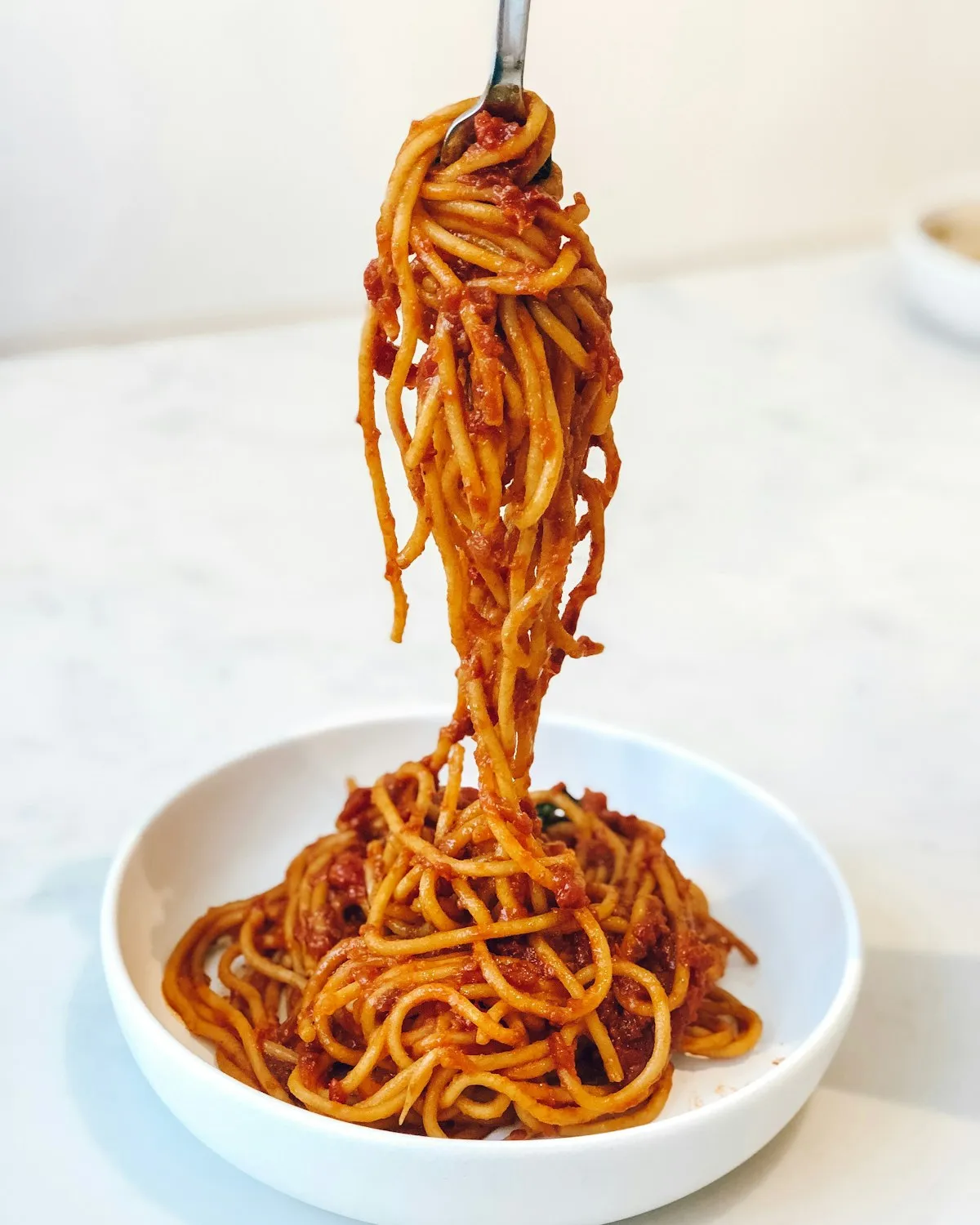
The secret to a truly great pasta isn't in a fancy jarred sauce; it’s in the science of starch. When you cook pasta in a massive pot of salted water and then drain it, you’re literally pouring the "liquid gold" down the sink. In this recipe, the pasta cooks directly in a measured amount of broth and aromatics. As the noodles soften, they release their surface starches into the liquid, creating a built-in thickener. This is how we achieve that glossy, coat-the-back-of-the-spoon texture without needing a gallon of heavy cream.
Master the Maillard Reaction
Before you even think about adding liquid, focus on your mushrooms. Mushrooms are roughly 90% water. If you crowd them in a cold pan, they’ll steam and turn rubbery. Avoid the temptation to stir them constantly. Sauté your mushrooms in a wide, high-sided pan over medium-high heat with a touch of fat until they release their moisture and begin to brown. This browning, known as the Maillard reaction, is where the deep, savory umami flavor comes from. It’s the difference between a "fine" pasta and one that tastes like it’s been simmering for hours.
Managing the Starch Emulsion
Once your mushrooms are golden and your liquid is added, you become the manager of the emulsion. Stir frequently. This isn’t just to prevent sticking; it’s to encourage the pasta to shed its starch into the broth. As the liquid reduces, it forms a mechanical bond with the fats you’ll add later, like cream cheese or Parmesan. Use a wide pan to ensure even heat distribution. If you notice the liquid disappearing before the pasta is al dente, add more broth in quarter-cup increments. The goal is to finish with just enough liquid to form a thick glaze, not a soup.
The Gentle Finish
Heat is the enemy of a smooth dairy sauce. When the pasta is nearly done, reduce your heat to the lowest setting before stirring in your creamy elements. High heat can cause dairy to "split" or become grainy, especially when dealing with cheeses. By lowering the temperature, you allow the fats to melt slowly and integrate with the starchy base, resulting in a velvety finish that stays stable even as it sits on the table. For more inspiration on achieving that perfect texture, check out our guide on achieving the perfect glossy sauce.
Elevate and Adapt: Flavor Variations
While mushrooms and spinach are a classic duo, the beauty of quick family meals is their adaptability. You can easily pivot this dish based on what’s lingering in your fridge. If you want a protein boost, thinly sliced chicken breast or sautéed shrimp can be cooked alongside the mushrooms. For a plant-based version, try using coconut milk and a dash of nutritional yeast instead of traditional dairy; the starch from the pasta will still provide that essential creamy body.
If you’re looking for a deeper flavor profile, swap standard cremini mushrooms for shiitake or oyster mushrooms. They offer a more robust texture and a forest-floor earthiness that pairs beautifully with a pinch of nutmeg or fresh thyme. For those who enjoy a bit of heat, a teaspoon of red chili flakes added during the garlic sauté will cut through the richness of the cream sauce. This recipe is one of those healthy dinner ideas that feels indulgent but remains centered on real, whole ingredients.
Perfect Pairings: Balancing the Richness
A creamy pasta is soul-warming, but it needs a partner to balance its weight. Think about acidity and crunch. A simple arugula salad with a sharp lemon vinaigrette is my go-to choice. The peppery bite of the greens and the citrus acid slice right through the creamy sauce, refreshing your palate between every forkful.
If you want something heartier, roasted vegetables are a fantastic choice. You can even use your air fryer to get crispy results in minutes while the pasta simmers. Exploring air fryer recipes dinner options can provide you with quick, low-mess sides that don't require an extra pan on the stove. A side of garlic-rubbed toasted sourdough is also non-negotiable for some, perfect for mopping up any leftover sauce at the bottom of the bowl.
Troubleshooting and FAQ
What if my sauce is too watery?
If your pasta is cooked but the sauce looks like a thin soup, don't panic. Remove the lid and turn the heat up to medium-high for 60 to 90 seconds. Stir constantly. The rapid evaporation combined with the starch release will thicken the sauce quickly. Remember that the sauce will also continue to thicken as it cools slightly when plated.
Can I use frozen spinach instead of fresh?
Yes, but with a caveat. Frozen spinach contains significantly more water than fresh. Thaw it completely and squeeze out every drop of excess moisture before adding it to the pot. If you skip this, your creamy sauce will turn into a watery, gray mess. Add it at the very end just to warm through.
Why did my cheese turn into a clump?
Clumping usually happens for two reasons: the heat was too high, or you used pre-shredded cheese. Pre-shredded varieties are coated in potato starch or cellulose to prevent sticking in the bag, which also prevents them from melting smoothly into a sauce. Always grate your cheese fresh from a block for the best results.
How do I reheat leftovers without the sauce breaking?
Cream sauces are notoriously difficult to reheat because the fats tend to separate. The best way is to add a splash of milk or water to the bowl before microwaving or heating on the stove. This extra moisture helps re-emulsify the sauce. Heat it gently and stir often to bring that silkiness back to life.
Is this recipe suitable for meal prep?
While you can certainly save leftovers, one pot pasta is best enjoyed immediately. Because the starch remains in the sauce, it will continue to absorb liquid as it sits in the fridge, making the noodles softer over time. If you do meal prep it, undercook the pasta by a minute or two so it has some "structure" left when you reheat it the next day. This is one of those healthy dinner ideas that works best in the moment but still beats a frozen meal any day of the week.
{“@type”:”BlogPosting”,”image”:”https://cdn.marblism.com/Dw1tQdROtuG.webp”,”author”:{“name”:”Penny”,”@type”:”Person”},”@context”:”https://schema.org”,”headline”:”One Pot Meals: 15-Minute Creamy Mushroom & Spinach Pasta”,”publisher”:{“logo”:{“url”:”https://cookpedia.com/logo.png”,”@type”:”ImageObject”},”name”:”Cookpedia”,”@type”:”Organization”},”mainEntity”:{“@type”:”FAQPage”,”mainEntity”:[{“name”:”What if my sauce is too watery?”,”@type”:”Question”,”acceptedAnswer”:{“text”:”If the sauce is too thin, increase the heat to medium-high for 60-90 seconds and stir constantly to encourage evaporation and starch thickening.”,”@type”:”Answer”}},{“name”:”Why did my cheese turn into a clump?”,”@type”:”Question”,”acceptedAnswer”:{“text”:”Clumping is usually caused by using pre-shredded cheese with anti-caking agents or adding cheese to a pot that is too hot. Grate fresh cheese and use low heat.”,”@type”:”Answer”}},{“name”:”Can I use frozen spinach instead of fresh?”,”@type”:”Question”,”acceptedAnswer”:{“text”:”Yes, but you must thaw and squeeze out all excess moisture first to prevent the sauce from becoming watery.”,”@type”:”Answer”}}]},”description”:”Discover the science behind the perfect 15-minute one-pot creamy mushroom and spinach pasta. Learn techniques for starch emulsion and flavor concentration.”,”datePublished”:”2026-06-08″}