Recipe
Servings
Servings 1×
Ingredients
- Pasta
- Noodles
- Butter
- Cooking oil
- Salt
Method
- Use this starchy water to bridge the gap between your fat (oil, butter, or cheese) and your water-based sauce components.
- Finish your pasta in the pan.
- Transfer it directly into your sauce pan while it’s still dripping.
- Add a splash of pasta water (about a quarter cup at a time) and turn up the heat.
- Use a lower water-to-pasta ratio if you want extra-starchy water.
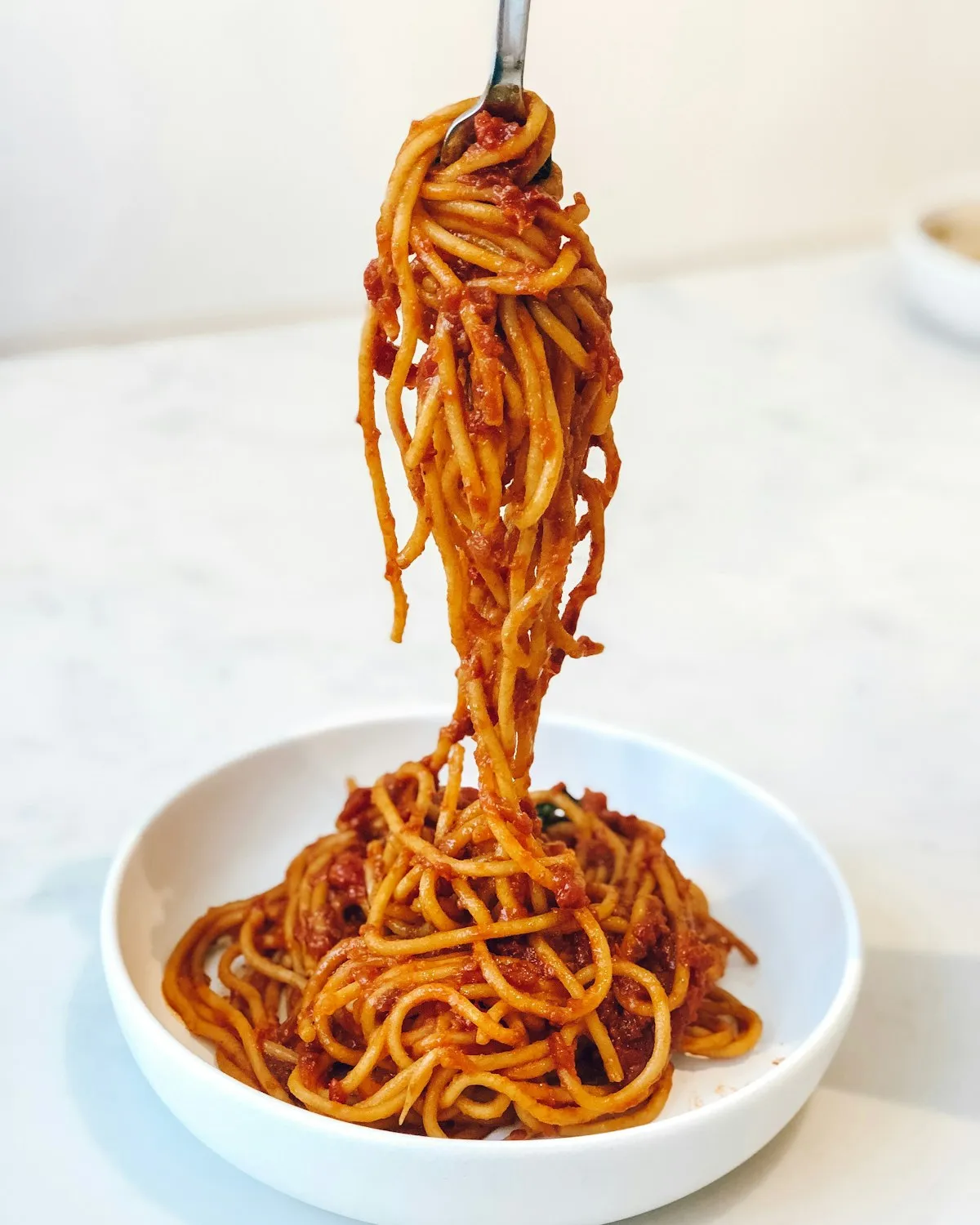
Ever wonder why your favorite Italian joint serves pasta that looks like a glossy work of art, while your home version often ends up as a sad pile of noodles sitting in a puddle of watery oil? You aren't doing anything "wrong" with your ingredients; you're just throwing away the most important one. That cloudy, salty water you usually dump down the drain? It’s liquid gold. Mastering the art of the emulsified sauce is the single biggest upgrade you can make to your simple pasta recipes.
The Science of the "Liquid Gold" Emulsion
When you boil pasta, the noodles release starch granules into the water. By the time your pasta is al dente, that water has become a dilute starch solution. This is where the magic happens. In the world of physics, oil and water are sworn enemies, they naturally want to separate. If you just toss cooked pasta with olive oil, the oil slides right off and pools at the bottom of the bowl. To get that restaurant-quality cling, you need an emulsion.
Think of starch as the peacekeeper. It increases the viscosity of the liquid, meaning it makes the water slightly thicker. This thickness slows down fat droplets, preventing them from merging back together into big, greasy puddles. Use this starchy water to bridge the gap between your fat (oil, butter, or cheese) and your water-based sauce components. When you whisk or toss them together, the starch acts as a stabilizer, trapping tiny droplets of fat in a web of water and starch. The result? A sauce that is creamy, opaque, and incredibly glossy.
Don't just pour the water in and hope for the best. Finish your pasta in the pan. This is a non-negotiable step for anyone serious about flavor. Pull your pasta out of the boiling water about a minute or two before it’s actually done. Transfer it directly into your sauce pan while it’s still dripping. This extra starch from the noodle surface goes straight to work.
Add a splash of pasta water (about a quarter cup at a time) and turn up the heat. Toss the pan vigorously. This mechanical agitation is crucial. You aren't just stirring; you are physically breaking the fat into microscopic droplets. Watch as the thin, watery liquid transforms into a thick, luxurious coating that actually sticks to every ridge and curve of the pasta. If you’re making something like our Spicy Tomato Basil One-Pot Linguine, you’ll see this technique in action as the sauce reduces and tightens around the noodles.
Avoid using too much water. Start small. You can always add more, but you can’t take it back once your sauce is a soup. Check the saltiness. Since the water has been seasoned, it will add salt to your final dish as it reduces. Taste as you go. Use a lower water-to-pasta ratio if you want extra-starchy water. Using less water in the pot concentrates the starch, giving you an even more powerful emulsifying agent.
Variations for Every Palate
The beauty of the pasta water trick is that it works across almost all simple pasta recipes. Whether you’re working with a minimalist Aglio e Olio or a complex ragu, the principle remains the same.
For oil-based sauces, the starch provides the body that oil lacks on its own. If you’re making a classic pesto, never heat the pesto itself, instead, toss the hot noodles with a splash of pasta water and then stir in the pesto off the heat. The starchy water will help the basil and oil bind to the pasta without the heat turning the herbs brown.
Butter-based sauces, like a traditional Alfredo (not the heavy cream kind!), rely entirely on this emulsion. As the butter melts into the starchy water, it creates a velvet-like texture that feels much lighter than a cream-heavy sauce. If you’re feeling adventurous, try adding a splash of pasta water to a browned butter and sage sauce. The starch will stop the butter from feeling "greasy" and turn it into a nutty, golden glaze.
When working with cheese-heavy sauces like Cacio e Pepe, the starch is your best friend to prevent clumping. Cheese proteins love to stick together when they hit high heat. The starch molecules physically get in the way, keeping those proteins separated and ensuring your sauce stays smooth rather than rubbery.
Balancing the Plate: Side Dish Pairings
A perfectly emulsified pasta is rich, even if it doesn't contain cream. You need something to cut through that silkiness and refresh your palate between bites. The goal here is contrast, think acidity, crunch, and brightness.
A simple arugula salad with a sharp lemon vinaigrette is my go-to. The peppery bite of the greens and the acid from the lemon slice right through the richness of a starchy, buttery sauce. Avoid heavy, creamy dressings here; you already have plenty of "creamy" on the main plate.
Roasted vegetables are another excellent choice. If you have an air fryer, you can whip up some quick sides while your pasta boils. Try some crispy Brussels sprouts or charred broccoli. The earthy, bitter notes of roasted brassicas provide a grounding counterpoint to the sweet, wheaty flavor of the pasta. If you're looking for more inspiration, check out our guide on air fryer dinner ideas to find quick vegetable recipes that won't distract you from your pasta-tossing duties.
FAQ: Solving Your Sauce Struggles
What if my sauce looks greasy and won't come together?
This usually means your emulsion has "broken." Most likely, the ratio of fat to water is off, or you didn't toss it vigorously enough. Add another splash of hot pasta water and turn up the heat slightly. Shake the pan back and forth while stirring rapidly. The extra starch and movement should help those fat droplets find their home back in the liquid.
Can I use regular tap water if I forgot to save the pasta water?
You can, but it won't work nearly as well. Regular water lacks the starch necessary to thicken the sauce and stabilize the fat. It will just dilute your flavors. If you’ve already drained the pasta, try whisking a half-teaspoon of cornstarch into some warm water as a last-resort substitute, but nothing beats the real deal.
Why did my cheese turn into a big rubbery ball?
This is a classic Cacio e Pepe heartbreak. It happens when the water is too hot or there isn't enough starch. Cheese proteins denature and clump at high temperatures. Next time, take the pan off the heat entirely before adding the cheese. Let it cool for 30 seconds, then add a splash of starchy water and the cheese, stirring constantly.
Does the type of pasta matter for the water quality?
Absolutely. Cheap, very smooth pasta doesn't release as much starch. For the best "liquid gold," use bronze-cut pasta. These noodles have a rougher surface area, which means they shed more starch into the water and have more "grip" for the sauce to cling to once they’re in the pan.
Is it possible to over-reduce the sauce?
Yes. If you cook it too long, the water evaporates and leaves you with a thick, gummy paste. If it looks too dry or sticky, just add another splash of water to loosen it back up. The sauce should look slightly more liquid in the pan than you want it on the plate, as the pasta will continue to soak up moisture for a minute after serving.
Should I salt the water more if I'm using it for the sauce?
Be careful. The water should taste "like the sea," but remember that as the water evaporates in the sauce pan, the salt stays behind and becomes more concentrated. If you're planning on using a lot of pasta water, go slightly easier on the initial salt or reduce the salt in your sauce base.
{“@type”:”BlogPosting”,”image”:”https://cdn.marblism.com/rzRHjNk8sKU.webp”,”author”:{“name”:”Penny”,”@type”:”Person”},”@context”:”https://schema.org”,”headline”:”Simple Trick: Using Pasta Water for Silky Sauces”,”publisher”:{“logo”:{“url”:”https://cookpedia.com/logo.png”,”@type”:”ImageObject”},”name”:”Cookpedia”,”@type”:”Organization”},”articleBody”:”Ever wonder why your favorite Italian joint serves pasta that looks like a glossy work of art, while your home version often ends up as a sad pile of noodles sitting in a puddle of watery oil? You aren’t doing anything ‘wrong’ with your ingredients; you’re just throwing away the most important one. That cloudy, salty water you usually dump down the drain? It’s liquid gold. Mastering the art of the emulsified sauce is the single biggest upgrade you can make to your simple pasta recipes…”,”description”:”Learn the simple trick of using starchy pasta water to create restaurant-quality, silky sauces for all your simple pasta recipes.”,”datePublished”:”2026-06-09″,”mainEntityOfPage”:{“@id”:”https://cookpedia.com/using-pasta-water-for-silky-sauces”,”@type”:”WebPage”}}