Recipe
Servings
Servings 1×
Ingredients
- Chicken
- Shrimp
- Pasta
- Noodles
- Asparagus
- Spinach
- Peas
- Garlic
- Lemon
- Cream
- Hard cheese
- Cooking oil
- Black pepper
Method
- Transfer it directly from the pot to your skillet using tongs, don't even think about a colander.
- Start your garlic in a cold pan with plenty of high-quality olive oil.
- Add the zest at the very end to keep those flavors vibrant and sharp.
You have ten minutes. That is precisely the amount of time it takes to go from "I’m starving" to sitting down with a bowl of restaurant-quality pasta that looks like you actually tried. This isn't just about speed; it’s about high-impact flavor with minimalist effort. If you’ve been searching for simple pasta recipes that don't taste like a compromise, you’ve arrived. Put the takeout menu down; we are making magic with a lemon, a head of garlic, and a little bit of science.
The Secret Science of the Glossy Emulsion
The difference between a greasy bowl of noodles and a silky, pan-coated masterpiece lies in one thing: the emulsion. Most home cooks treat pasta water like a waste product, but in my kitchen, it’s liquid gold. When you boil pasta, it releases amylose and amylopectin (starches) into the water. This starchy liquid is the bridge that allows oil and lemon juice to bond. Without it, the oil simply slides off the pasta and pools at the bottom of your bowl.
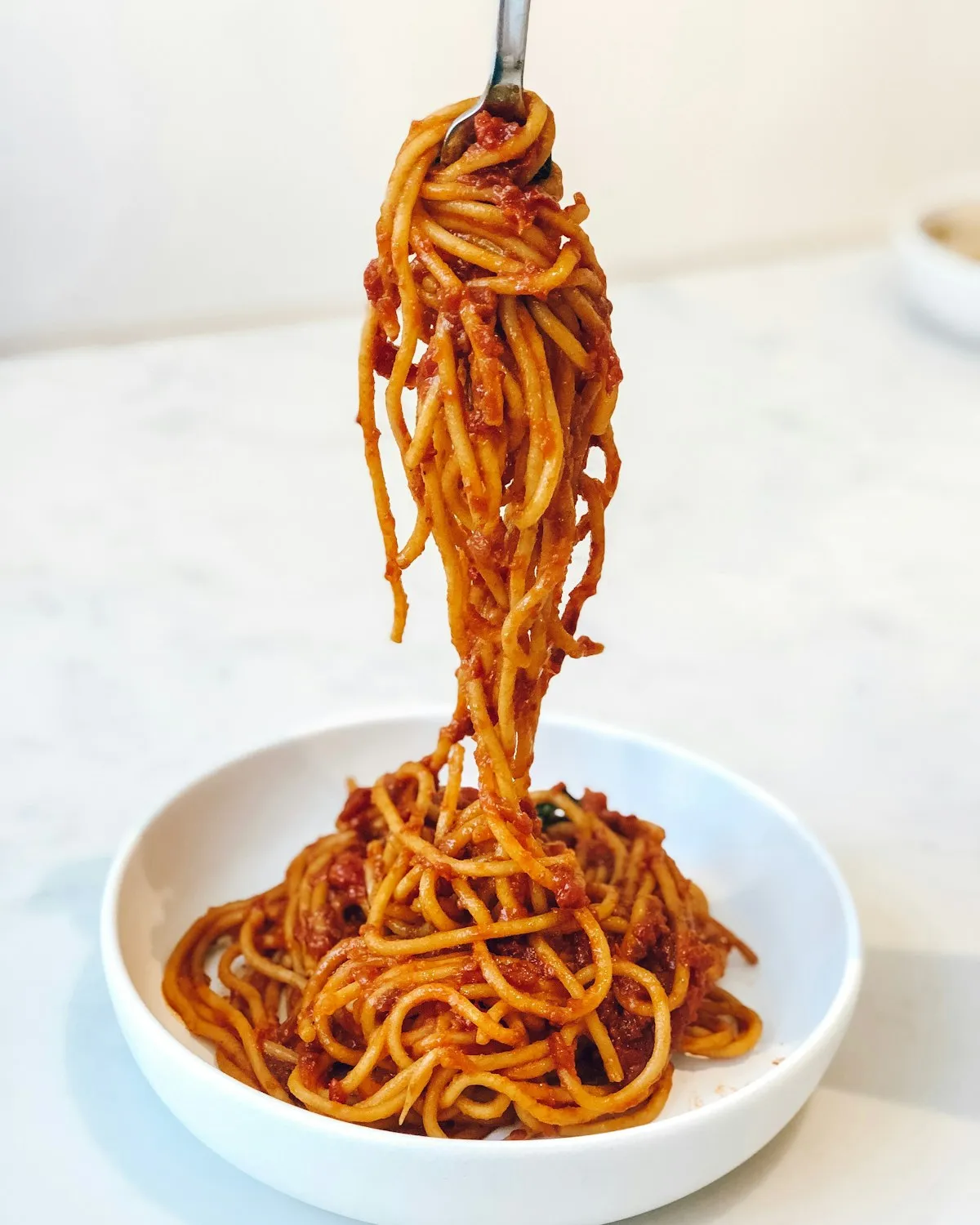
To achieve that perfect cling, undercook your pasta by two minutes. Transfer it directly from the pot to your skillet using tongs, don't even think about a colander. This ensures you bring some of that starch along for the ride. Once in the pan, add a splash of your reserved cooking water and toss vigorously. The mechanical action of tossing, combined with the heat and the starch, creates a stable suspension of fat in water. This is how you get a creamy finish without touching a drop of heavy cream. It’s one of those 15 minute meals that proves technique beats a long ingredient list every time.
Then, there is the garlic. Garlic is temperamental. Treat it with respect, or it will ruin your night. If you burn it, it turns acrid and bitter, and no amount of lemon can save it. Start your garlic in a cold pan with plenty of high-quality olive oil. Gently bring the heat up to a medium-low. This "sweats" the garlic, infusing the oil with its essential oils without browning the exterior. You want it fragrant and soft, not toasted. If you see it turning dark brown, you’ve gone too far, throw it out and start over. I’m firm on this: bitter garlic is the enemy of healthy dinner ideas.
Use fresh lemons. If you use the stuff from a plastic squeeze bottle, we can’t be friends. The acidity in fresh lemon juice provides the necessary "brightening" effect that cuts through the richness of the olive oil. Zest the lemon before you juice it; the oils in the skin contain the aromatic punch that juice alone lacks. Add the zest at the very end to keep those flavors vibrant and sharp.
Mastering the Variations
While the base version of this dish is a minimalist dream, you can easily adapt it based on what is lurking in your fridge. Think of this as the foundation for your most reliable quick family meals.
- The Protein Punch: Sauté some shrimp in the garlic oil before adding the pasta. They cook in under three minutes and absorb that lemon-garlic goodness perfectly. Alternatively, toss in some leftover shredded rotisserie chicken for a hearty upgrade.
- The Green Factor: Throw in a handful of baby spinach or frozen peas during the last minute of pasta cooking. The residual heat will wilt the spinach perfectly without making it slimy. Asparagus spears, sliced thin on a bias, also add a sophisticated crunch.
- The Heat Map: If you like a bit of a kick, add red pepper flakes to the oil while the garlic is sweating. The fat in the oil will carry that heat throughout the entire dish.
- The Crunch Factor: Toasted breadcrumbs (pangrattato) are the "poor man's parmesan" but honestly, they’re better. Sauté them with a little oil and herbs in a separate pan and sprinkle them over the top for a texture contrast that will make you feel like a pro.
If you’re in the mood for something even lower effort, remember that many of our air fryer recipes dinner options can provide a similar speed-to-flavor ratio when you don't want to stand over a stove.
Side Dish Pairings for Balance
This pasta is bright, acidic, and rich with olive oil. To round out the meal, you need something that offers a different textural experience or a complementary flavor profile.
I always recommend a crisp arugula salad. The natural pepperiness of arugula plays beautifully against the citrus of the pasta. Keep the dressing simple, just a balsamic glaze or a quick vinaigrette, so you don't overwhelm the main event. If you want something more substantial, roasted broccoli or charred zucchini spears are excellent healthy dinner ideas that stay within the ten-minute prep window if you use high heat.
Avoid heavy, cream-based side dishes. You want to maintain the "clean" feeling of this meal. A slice of crusty sourdough is the only real requirement; you’ll need it to swipe up the extra emulsion left on your plate. If you’re feeling fancy, a dry white wine like a Pinot Grigio or a Sauvignon Blanc will mirror the acidity of the lemon and make your weeknight dinner feel like a celebration.
Common "What If" Questions
What if I accidentally drained all my pasta water?
Don't panic, but do learn from your mistakes. If the sink swallowed your "liquid gold," you can create a subpar but functional substitute. Mix a teaspoon of cornstarch into a cup of warm water and whisk it until dissolved. It won't have the same depth of flavor as real pasta water, but it will help you build that emulsion. Next time, leave the ladle in the pot as a reminder.
What if my sauce looks oily instead of creamy?
This means your emulsion broke. It usually happens if the pan is too hot or if you didn't add enough water. Remove the pan from the heat, add a tablespoon of cold water, and whisk or toss like your life depends on it. The drop in temperature and the extra liquid can often coax the fat back into suspension.
Can I use gluten-free pasta?
Yes, but be careful. Gluten-free pasta often releases a different type of starch that can be a bit more "gummy." Check the water frequently; if it looks overly thick, use less of it in your sauce. For a more detailed look at achieving glossy finishes with different bases, check out my guide on achieving the perfect glossy sauce.
Is butter a non-negotiable?
Technically, no. You can make a beautiful sauce with just olive oil. However, a small knob of cold butter added at the very end acts as a stabilizer. Butter is itself an emulsion (water in fat), and as it melts slowly, it helps thicken the sauce and gives it a velvet-like mouthfeel. Use it if you want that "extra" factor.
Can I make this ahead of time?
Pasta is like a conversation; it’s best when it’s fresh. If you let it sit, the pasta will continue to absorb the liquid, and your beautiful emulsion will disappear into the noodles, leaving them dry. If you must reheat it, add a splash of water and a tiny bit more oil to the pan to loosen things up. For those days when you need a "set it and forget it" vibe, you might be better off looking at our comfort food cheat codes instead.
{“@type”:”BlogPosting”,”image”:”https://cdn.marblism.com/BBdBa0TeKxq.webp”,”author”:{“name”:”Cookpedia”,”@type”:”Person”},”@context”:”https://schema.org”,”headline”:”Simple 10-Minute Lemon Garlic Pasta”,”publisher”:{“logo”:{“url”:”https://cdn.marblism.com/r31hCYxu5lk.webp”,”@type”:”ImageObject”},”name”:”Cookpedia”,”@type”:”Organization”},”description”:”Learn the science of the perfect 10-minute lemon garlic pasta emulsion. Master the art of sweating garlic and using starchy pasta water for a glossy finish.”,”datePublished”:”2026-06-09″,”mainEntityOfPage”:{“@id”:”https://cookpedia.com/simple-10-minute-lemon-garlic-pasta”,”@type”:”WebPage”}}