Recipe
Servings
4 servings 1×
Serves 4Prep 10 minCook 15 minTotal 25 min
Nutrition per serving
Ingredients
- 12 oz linguine pasta
- 1 can (28 oz) crushed tomatoes
- 2 cups vegetable broth or water
- 2 tbsp tomato paste
- 4 cloves garlic thinly sliced
- 2 tbsp extra virgin olive oil
- 1 tsp red pepper flakes adjust to heat preference
- 1 bunch fresh basil leaves torn
- to taste salt and black pepper
Method
- In your large pot, heat olive oil over medium heat.
- Sauté garlic and red pepper flakes for 1 minute until fragrant.
- Stir in tomato paste and cook for 2-3 minutes until it turns a deep brick red.
- Add the crushed tomatoes, broth, and linguine.
- Use tongs to ensure the pasta is submerged.
- Bring to a boil, then reduce to a steady simmer.
- Cook for 10-12 minutes, stirring and tossing the pasta frequently.
- This agitation releases the starch needed for the glossy sauce.
- Once pasta is al dente and sauce is thick, remove from heat.
- Stir in the fresh basil and an extra drizzle of olive oil.
- Toss vigorously until glossy.
- Adjust seasoning with salt and pepper and serve immediately.
There is nothing quite like the panic of a Tuesday night when the family is hungry and the kitchen looks like a disaster zone. I’ve always been a fan of quick family meals that don’t sacrifice quality for speed. That’s why I’m obsessed with this spicy tomato and basil one-pot linguine. It’s one of those healthy dinner ideas that feels like a cheat code for life. Today, I want to talk about how we move beyond “boiled noodles” and into the realm of restaurant-quality glossy sauces using just one pot and a bit of kitchen chemistry.
The Science of the Glossy Sauce
The biggest secret to a perfect pasta isn’t actually the sauce itself, it’s the starch. In a traditional cooking method, you boil pasta in a huge pot of salted water and pour most of that liquid down the drain. What you’re throwing away is “liquid gold.” When we use the one-pot method, we are concentrating that starch in a very small amount of liquid. As the linguine cooks, it releases amylose and amylopectin into the simmering tomato base.
Think of starch as the bridge between water and oil. Normally, the oil from your sautéed garlic and the water-based tomato juices want to stay separate. This results in a greasy or watery plate. But starch acts as an emulsifier. It binds them together, creating a thick, velvety coating that clings to every strand of linguine. This is why this dish is the king of comfort food recipes easy.
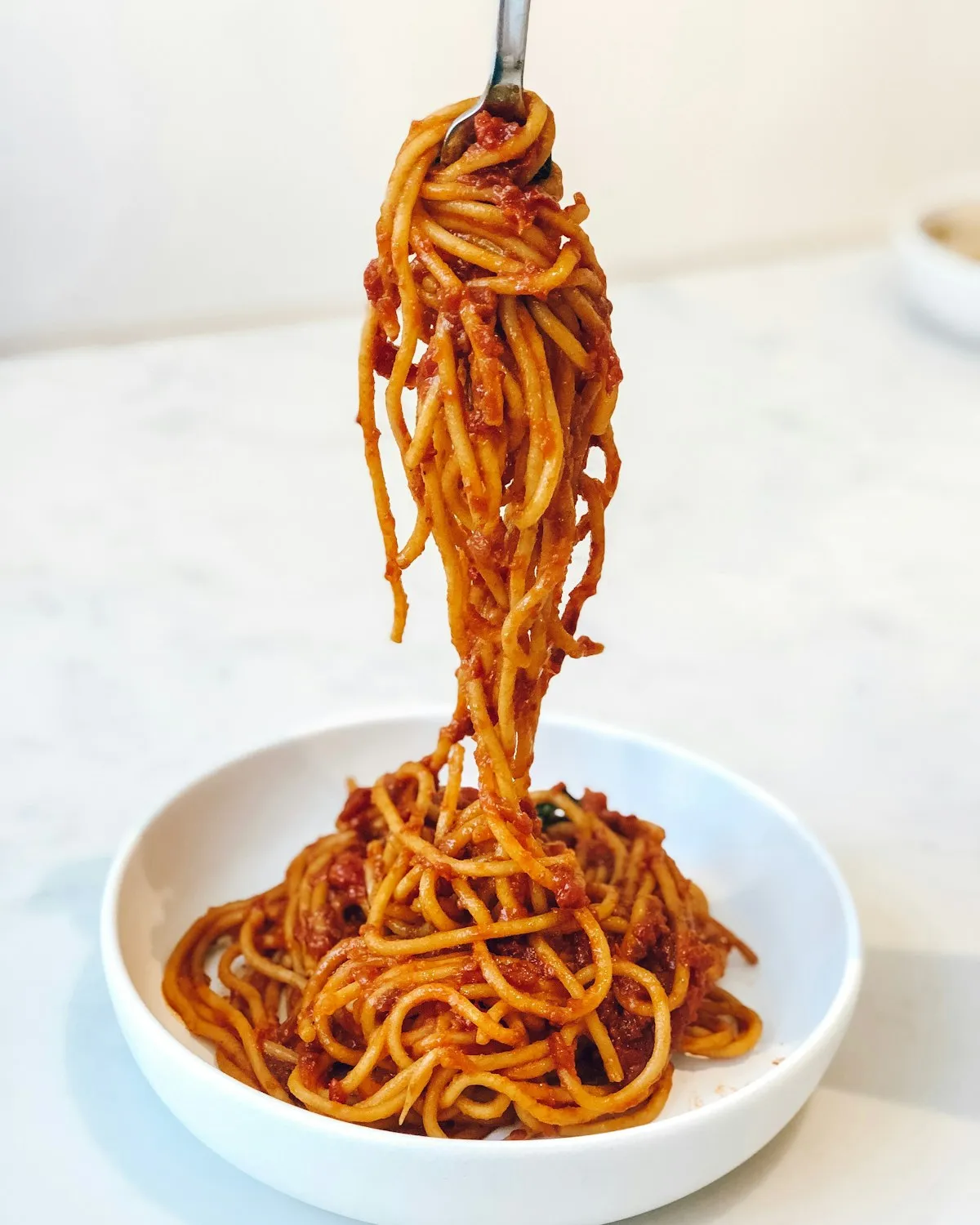
Another layer of science we need to talk about is the Maillard reaction. Before adding any liquid, I always recommend sautéing your tomato paste until it turns from a bright red to a deep, rusty brick color. This caramelization creates complex flavor compounds that you simply can’t get by just stirring it into water. It adds a smoky, savory depth that balances the heat of the red pepper flakes. When the tomato paste hits that dark hue, it signals that the sugars have concentrated, providing a foundation for the sauce that tastes like it has been simmering for hours rather than minutes.
Finally, the finish is everything. To get that high-gloss sheen you see in food magazines, you have to manage your temperature carefully. I always finish the dish off the heat. If the pan is too hot when you add your final fats, like high-quality extra virgin olive oil or a knob of cold butter, the emulsion can break. This leaves you with a greasy mess rather than a smooth sauce. By stirring vigorously off the heat, you’re creating a mechanical emulsion. You’re physically forcing the fat and the starch-heavy sauce to become one. This is what creates that silky mouthfeel that makes you want to lick the plate.
Don’t forget the role of acidity. The spicy kick from the chili needs to be balanced. Tomatoes are naturally acidic, but sometimes a splash of balsamic vinegar or a squeeze of fresh lemon right at the end can brighten the whole profile. It cuts through the richness of the starch and fat, making the flavors “pop” in a way that feels professional. If you enjoyed this, feel free to explore more cooking tips on the blog.
Creative Variations for Every Palate
While the spicy tomato and basil base is a classic, the beauty of quick family meals is their incredible versatility. If you want to lean into the protein side, adding shrimp during the last three minutes of cooking works beautifully. They steam right on top of the pasta, absorbing all that spicy tomato essence without getting rubbery.
For a meatier version, starting the pot with some crumbled Italian sausage or pancetta adds a layer of rendered fat that makes the glossy sauce even more decadent. If you’re looking for more healthy dinner ideas, try stirring in a few handfuls of baby kale or Swiss chard at the very end. The residual heat wilts the greens perfectly without turning them into mush or losing their vibrant color.
If you’re cooking for kids who might not appreciate the “spicy” part of this spicy linguine, you can easily swap the red pepper flakes for smoked paprika. It provides a similar depth of color and a hint of smokiness without the tongue-scorching heat. For a creamy twist, stir in a spoonful of mascarpone or ricotta right before serving. It transforms the dish into a “pink sauce” linguine that is pure comfort.
What to Serve on the Side
Even the best one-pot meal benefits from a little company on the table. To keep things within the realm of comfort food recipes easy, I usually stick to a simple arugula salad. The peppery bite of the greens with a light lemon vinaigrette is the perfect counterpoint to the rich, starchy pasta. It cleanses the palate between bites of the spicy, garlic-heavy linguine.
If you have a few extra minutes, a quick garlic bread is never a bad idea. Use the same olive oil and garlic logic we used in the pasta: grate the garlic into the oil to release the aromatic oils, brush it on some crusty sourdough, and toast until golden. It’s the perfect vessel for mopping up any leftover glossy sauce at the bottom of the bowl.
For a drink pairing, look for a light-bodied red like a Chianti or a crisp Vermentino if you prefer white. The acidity in the wine mimics the acidity in the tomatoes, while the spice in the pasta is refreshed by the cool, crisp notes of the wine. It turns a simple weeknight meal into a full-blown dining experience.
Frequently Asked Questions
Can I use any type of pasta shape?
While you technically can use anything, I find that long, flat noodles like linguine or fettuccine work best for one-pot sauces. Their surface area is ideal for catching that glossy emulsion. If you use shorter shapes like penne or fusilli, make sure to stir more frequently to ensure the sauce gets trapped inside the tubes and doesn’t just pool at the bottom of the pot.
Why is my sauce watery instead of glossy?
This usually happens if there is too much liquid or not enough starch release. If you find the pasta is cooked through but the sauce is still thin, remove the lid and turn up the heat for the last sixty seconds of cooking. The rapid evaporation will concentrate the starches. Alternatively, stirring more vigorously helps the emulsion form. Remember, the sauce will also thicken slightly as it cools for a minute or two before serving.
Is this dish meal-prep friendly?
One-pot pastas are generally best served immediately because the starch continues to absorb liquid as it sits. If you do have leftovers, the pasta will likely be much softer and the sauce thicker the next day. To revive it, add a tiny splash of water or broth when reheating to loosen the sauce back into that glossy state. It won’t be exactly like it was fresh, but it’s still a delicious lunch.
How do I prevent the pasta from sticking to the pot?
In the first few minutes after you add the liquid, the pasta releases a lot of surface starch. This is the “danger zone” for sticking. Stay by the pot and keep things moving with a pair of tongs. Once the temperature stabilizes and the pasta softens and becomes submerged, you can relax a bit, but that initial agitation is key to a successful one-pot meal.
Can I make this gluten-free?
Yes, but you need to be careful with the timing. Gluten-free pastas (especially those made from rice or corn) behave differently in one-pot settings. They often release too much starch and can become mushy very quickly. I recommend using a high-quality lentil or chickpea pasta, adding slightly less liquid than usual, and reducing the cooking time by about two to three minutes. Keep a close eye on the texture!