Recipe
Servings
Servings 1×
Ingredients
- Salmon
- Pasta
- Noodles
- Asparagus
- Peas
- Tomatoes
- Lemon
- Pesto
- Cream
- Hard cheese
- Cooking oil
- Salt
Method
- Prepare the ingredients described in the article and heat the cooking surface or oven as directed.
- Cook the main ingredients using the heat and timing guidance in the article.
- Finish with the seasonings and garnishes named in the article, then serve.
There is a profound beauty in the 10-minute dinner. When the world feels fast and your schedule is unforgiving, a bowl of pasta doesn't just feed you; it anchors you. My minimalist pesto pasta with peas is the ultimate expression of this philosophy. It’s a soulful, vibrant dish that proves you don’t need an hour in the kitchen to produce a meal that feels like a hug. By focusing on a few high-quality ingredients, we create quick healthy meals that nourish both the body and the spirit.
The Science of the Perfect Green Emulsion
The secret to a truly spectacular pesto pasta isn't just the quality of your basil; it’s the physics of the sauce. Most home cooks make the mistake of treating pesto like a marinara: they toss it into a hot pan and let it simmer. Avoid the heat. Pesto is a "raw" sauce. Basil contains volatile oils and chlorophyll that are extremely sensitive to high temperatures. When you heat pesto on a stove, the basil oxidizes and turns a dull, muddy brown, losing that bright, peppery punch.
Instead, leverage the power of an emulsion. An emulsion is a mixture of two liquids that wouldn't normally mix: in this case, the oil in the pesto and the water from the pasta. Use the liquid gold. Just before you drain your pasta, scoop out a cup of that cloudy, starchy pasta water. The starch acts as a stabilizer, binding the oily pesto to the noodles.
Transfer your hot, drained pasta into a large, room-temperature mixing bowl. This is where the magic happens. Add your pesto and a splash of that reserved water. Stir vigorously. The residual heat of the pasta is enough to warm the sauce without "cooking" the basil. The result? A glossy, silk-like coating that clings to every ridge of your pasta rather than pooling at the bottom of the bowl. For more on achieving that professional finish, check out my guide on achieving the perfect glossy sauce.
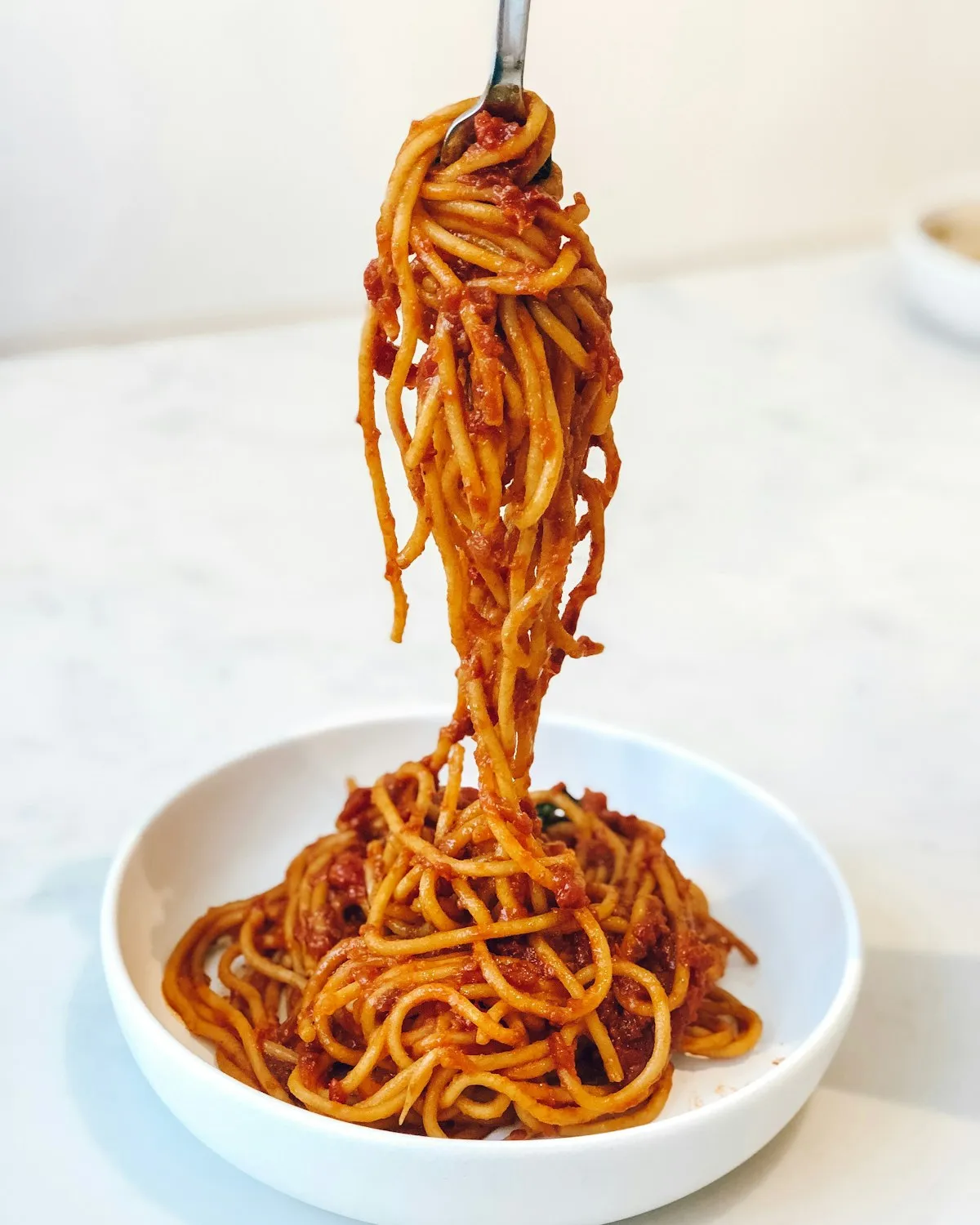
When it comes to the peas, treat them with respect. Whether you are using fresh or frozen, they require almost zero effort. If using frozen peas: which I often prefer for their consistent sweetness: simply place them in the colander and pour the boiling pasta water over them as you drain the noodles. This "flash-heating" is enough to thaw them while keeping their "pop" intact. If you want simple pasta recipes to stay simple, don't overcomplicate the veg. This approach keeps your healthy dinner ideas efficient and fresh.
Soulful Variations for Every Table
While the simplicity of peas and pesto is hard to beat, sometimes your soul craves a bit more texture or protein. This dish is a fantastic canvas for experimentation. If you’re looking to turn this into one of your go-to quick family meals, consider adding a protein that complements the herbaceous notes of the basil.
One of my favorite additions is seared salmon. The richness of the fish cuts through the brightness of the pesto beautifully. You can flake the salmon directly into the pasta or serve it as a whole fillet on top. If you’re feeling adventurous, adding a touch of cream to the pesto can bridge the gap between the fish and the noodles, creating a more decadent experience.
For a vegan twist, swap the traditional Parmesan for nutritional yeast and a squeeze of fresh lemon juice. The acidity of the lemon mimics the "tang" of the cheese while elevating the sweetness of the peas. You can also experiment with your nut base. While pine nuts are classic, toasted walnuts provide a deeper, earthier flavor, and pistachios offer a beautiful, buttery finish that pairs exceptionally well with the peas.
Balancing the Plate: Side Dish Pairings
Because pesto is naturally rich: heavy on fats from olive oil, nuts, and cheese: you need a side dish that provides a sharp contrast. Think of it as a culinary "reset" for your palate. A crisp, acidic salad is non-negotiable here.
I recommend a simple arugula salad dressed with nothing more than lemon juice, high-quality olive oil, and a pinch of flaky sea salt. The peppery bite of the arugula and the sharp citrus acid cut right through the density of the pesto, keeping the meal feeling light.
If you want to lean into the "set it and forget it" lifestyle, you can even incorporate air fryer recipes dinner techniques into your side dishes. Try tossing some cherry tomatoes or thin asparagus spears in the air fryer for 6-8 minutes. The concentrated sweetness of roasted tomatoes provides a lovely "acid pop" that complements the savory pesto perfectly. For inspiration on using your air fryer to round out a meal, look at our air fryer roast comfort food tips.
Frequently Asked Questions
What if my pesto sauce is too thick or clumpy?
This usually happens if you haven't used enough pasta water or if the pasta was too dry when you added the pesto. Check the consistency. Slowly add the reserved starchy water, one tablespoon at a time, and keep tossing. The starch will help the oil and water "handshake," turning that clump into a smooth sauce.
Can I use a different pasta shape?
Absolutely, but choose wisely based on the "science of the scoop." Pesto loves surface area. Shapes with ridges or hollow centers, like fusilli, rotini, or orecchiette, are ideal because they "trap" the pesto and the peas. Avoid long, smooth noodles like capellini, as the pesto tends to slide right off.
Why did my pesto turn brown after I mixed it?
Your pasta was likely too hot, or you left it on the burner. Transfer immediately. The goal is to use the residual heat of the pasta to warm the sauce, not cook it. If you’re worried about oxidation, add a squeeze of lemon juice to your pesto; the Vitamin C acts as an antioxidant and helps maintain that vibrant green color.
Can I make this dish ahead of time?
Pesto pasta is best enjoyed immediately. However, if you must make it ahead, store the pasta and pesto separately. Reheat the pasta with a splash of water first, then stir in the pesto at room temperature. Never microwave the pesto directly if you want to keep that fresh, soulful flavor.
How do I make this more filling for a large family?
To transform this into one of your heartier quick family meals, increase the volume of vegetables. Double the peas, or add sautéed zucchini and spinach. The more greens you add, the more nutrients you pack into the bowl without significantly increasing the prep time.
{“@type”:”BlogPosting”,”image”:”https://cdn.marblism.com/qcG09A9mV9h.webp”,”author”:{“name”:”Cookpedia”,”@type”:”Organization”},”@context”:”https://schema.org”,”headline”:”Simple 10-Minute Pesto Pasta with Peas”,”publisher”:{“logo”:{“url”:”https://cookpedia.com/logo.png”,”@type”:”ImageObject”},”name”:”Cookpedia”,”@type”:”Organization”},”description”:”A minimalist and soulful 10-minute recipe for pesto pasta with peas. Learn the science of the perfect green emulsion and how to keep your quick healthy meals vibrant and fresh.”,”datePublished”:”2026-06-09″,”mainEntityOfPage”:{“@id”:”https://cookpedia.com/simple-10-minute-pesto-pasta-with-peas”,”@type”:”WebPage”}}