Recipe
Servings
Servings 1×
Ingredients
- Chicken
- Shrimp
- Pasta
- Noodles
- Bread
- Broccoli
- Spinach
- Kale
- Tomatoes
- Garlic
- Lemon
- Hard cheese
- Butter
- Cooking oil
- Salt
- Black pepper
Method
- Prepare the ingredients described in the article and heat the cooking surface or oven as directed.
- Cook the main ingredients using the heat and timing guidance in the article.
- Finish with the seasonings and garnishes named in the article, then serve.
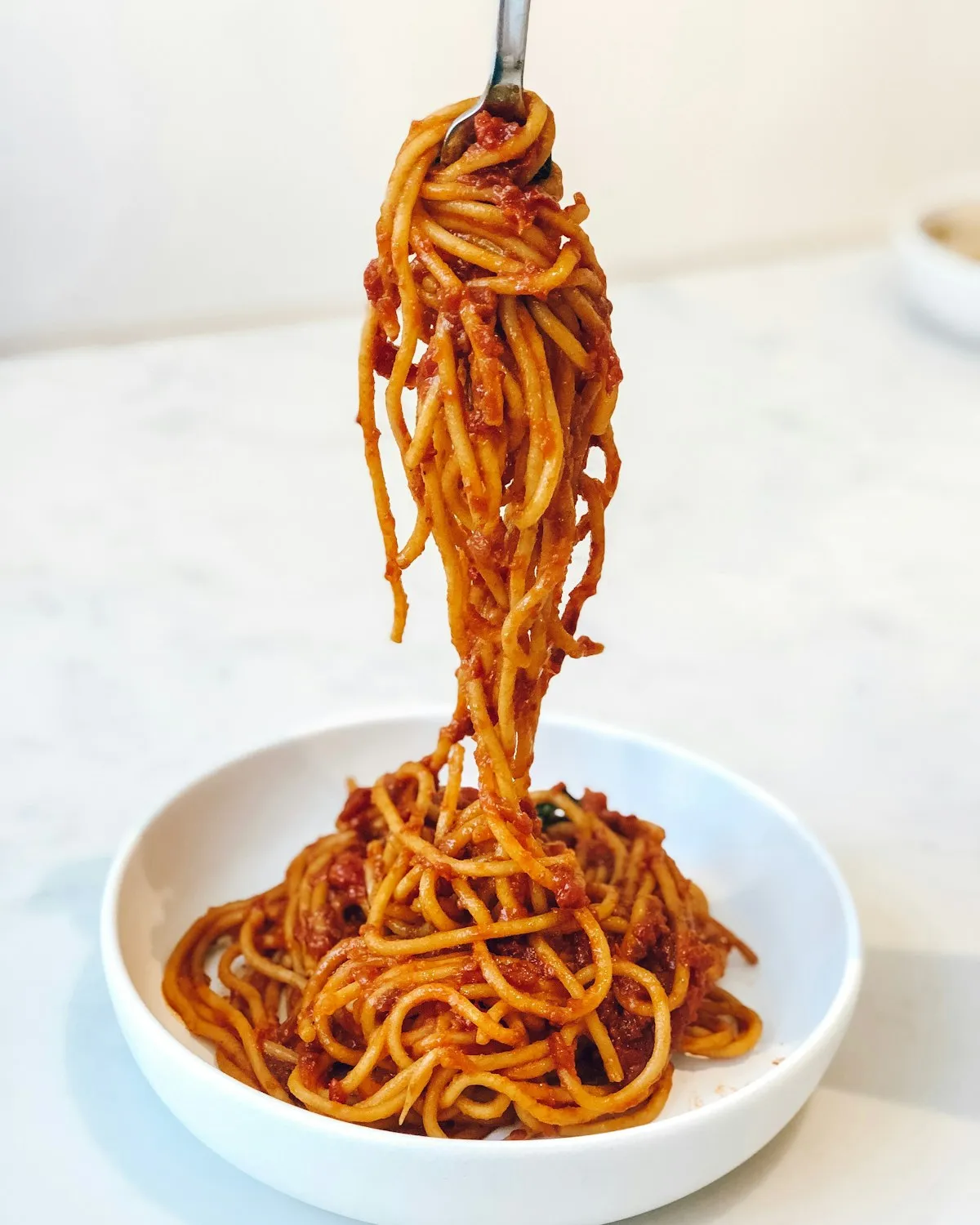
There is a specific kind of magic that happens when you stop treating your pasta water like a waste product and start treating it like gold. I’ve spent years tinkering with one pot meals, trying to find that perfect balance between "effortless weeknight win" and "restaurant-quality silkiness." This lemon and spinach pasta is the result. It’s bright, it’s zesty, and it’ll make you wonder why you ever bothered boiling a separate five-gallon pot of water just to dump half the flavor down the drain.
The Science of Starch and the Glossy Emulsion
To master simple pasta recipes, you have to understand the chemistry happening inside that single pot. When you boil pasta in a massive amount of water, you’re diluting the starch granules that leach out of the noodles. In a one-pot setting, we use a much tighter ratio: usually about 2.25 parts liquid to 1 part pasta. This creates a concentrated starch slurry that acts as a natural emulsifier. Think of it as a liquid magnet that binds your fat (olive oil or butter) and your flavorings into a cohesive, glossy sauce that actually clings to the noodle instead of pooling at the bottom of your bowl.
Timing is everything when it comes to acidity and texture. Avoid adding your lemon juice at the start of the boil. Science tells us that a high-acid environment (pH below 4.6) can actually inhibit starch gelatinization. If you pour that lemon juice in too early, your pasta might end up with a weird, chalky core that never quite softens. Instead, use only the zest during the simmer for that aromatic punch, and save the juice for the very end.
The same rule applies to your salt. If you salt the water heavily at the very beginning, you increase the osmotic pressure, which can sometimes lead to a mushier exterior. Try adding a baseline pinch at the start, then add the majority of your salt midway through the cooking process when the pasta has absorbed about half the liquid. This ensures a firm, "al dente" bite that holds up against the creaminess of the sauce.
When it comes to the spinach, treat it with respect. Spinach is mostly water and chlorophyll. If you boil it for ten minutes, it turns into a dull, army-green mess and releases enough liquid to ruin your sauce’s thickness. Add your fresh greens only after you’ve pulled the pot off the heat. The residual warmth is more than enough to wilt them while keeping that vibrant, deep green color and snappy texture. Check the consistency of your sauce once the spinach is in; if it looks too tight, whisk in a tablespoon of hot water to loosen the emulsion back to a silk-like state. For more tips on mastering this technique, take a look at my guide on achieving the perfect glossy sauce.
Elevating the Foundation: Variations for Every Mood
While the lemon-spinach duo is a classic for a reason, you should feel free to use this one-pot method as a canvas for other flavors. If you’re craving a bit of heat, toss in a teaspoon of red pepper flakes when you’re sautéing your garlic at the beginning. The oil will bloom the spices, carrying that warmth through every bite of the finished dish.
For those who need a hit of protein, consider stirring in some pre-cooked shredded chicken or quick-seared shrimp during the final two-minute rest. If you want to keep it plant-based but want more "meatiness," sun-dried tomatoes or marinated artichoke hearts add a fantastic savory depth that complements the acidity of the lemon. You can even swap the spinach for kale or swiss chard, though keep in mind these heartier greens need to go in about three to four minutes before the pasta is done to ensure they soften properly.
If you find yourself frequently reaching for one pot meals because time is tight, don’t be afraid to experiment with different pasta shapes. Just remember that smaller, thinner shapes like linguine or angel hair will require less liquid and a faster cook time than a hearty rigatoni. Adjust your liquid ratios accordingly to maintain that starchy balance.
Finding the Perfect Side for Your Pasta
Balance is the goal of any great meal. Since this pasta leans into the richness of olive oil and the brightness of citrus, you want side dishes that offer a different textural experience. A crisp, bitter arugula salad with a very light vinaigrette is a fantastic way to cut through the starch.
If you’re looking for something heartier to round out your simple pasta recipes, consider a roasted vegetable medley. I’m a huge fan of using the air fryer for this because it provides a charred, crispy exterior that contrasts beautifully with the silky noodles. You might even pair this pasta with an air fryer sausage and pepper medley for a full-throttle family feast. If you're a fan of air fryer recipes dinner enthusiasts often rave about, a quick batch of garlic bread or roasted broccoli in the basket can be done in the same amount of time the pasta takes to simmer.
Common Questions & Kitchen Wisdom
What if my sauce is too thin or watery?
If you finish cooking and the liquid looks more like a soup than a sauce, don't panic. Increase the heat for sixty seconds and stir vigorously. This rapid agitation helps the remaining starch and fats emulsify. If it’s still too loose, a small handful of finely grated parmesan (off the heat!) will act as a thickening agent.
Why did my cheese turn into a clumpy, rubbery ball?
This usually happens because the pot was too hot. Cheese proteins seize and separate from the fat if they hit boiling temperatures. Always remove the pot from the burner and let it sit for two minutes before stirring in your cheese. This brings the temperature down to that "sweet spot" (around 150°F or 65°C) where the cheese melts smoothly into the sauce instead of clumping.
Can I use frozen spinach instead of fresh?
You can, but you must be careful. Frozen spinach holds a massive amount of water. If you drop a frozen block directly into your pot, you’ll dilute your carefully constructed starch emulsion. Thaw the spinach completely and squeeze it in a kitchen towel until it’s bone-dry before adding it to the pasta at the very end.
Why is my pasta sticking to the bottom of the pot?
Pasta releases the most starch in the first two minutes of hitting the water. If you don't stir frequently during this initial window, that starch acts like glue, sticking the noodles to each other and the pot. Use a pair of tongs to keep everything moving until the simmer is well-established.
How do I store and reheat this?
One-pot pastas are best served immediately because the starch continues to absorb liquid as it sits. If you have leftovers, they will likely be quite thick the next day. Reheat them in a pan with a splash of water or broth to loosen the sauce back up. Avoid the microwave if possible, as it tends to break the emulsion and make the pasta greasy. If you're looking for more quick ideas that reheat better, you might enjoy this kielbasa and pierogi roast.
{“@type”:”BlogPosting”,”image”:[“https://cdn.marblism.com/qZxAcfisdmb.webp”,”https://cdn.marblism.com/lKEREpyYqhN.webp”,”https://cdn.marblism.com/wA1huKXMIPW.webp”,”https://cdn.marblism.com/PqyZBEeHznI.webp”],”author”:{“name”:”Cookpedia”,”@type”:”Organization”},”@context”:”https://schema.org”,”headline”:”Simple One-Pot Pasta: Lemon & Spinach”,”publisher”:{“logo”:{“url”:”https://cdn.marblism.com/KxroJ1kM_KA.webp”,”@type”:”ImageObject”},”name”:”Cookpedia”,”@type”:”Organization”},”description”:”Master the science of the perfect one-pot lemon and spinach pasta. Learn how starch emulsification creates a restaurant-quality sauce in a single pot.”,”datePublished”:”2026-06-09″,”mainEntityOfPage”:{“@id”:”https://cookpedia.com/simple-one-pot-pasta-lemon-spinach”,”@type”:”WebPage”}}