Recipe
Servings
Servings 1×
Ingredients
- Pork
- Pasta
- Noodles
- Eggs
- Broccoli
- Asparagus
- Mushrooms
- Peas
- Tomatoes
- Lemon
- Balsamic vinegar
- Cream
- Hard cheese
- Butter
- Cooking oil
- Salt
- Black pepper
Method
- Use less water than you think you need when boiling your pasta.
- Use pancetta or a high-quality, non-maple bacon.
- Keep a cup of pasta water on standby.
If you have ever stared at a plate of scrambled-egg noodles and wondered where your life went wrong, you are not alone. Carbonara is the ultimate test of a home cook’s patience and temperature control. It is one of those simple pasta recipes that looks incredibly easy on paper but can turn into a gritty, curdled mess in seconds. But don't worry; I am going to share the single most important trick to achieving that elusive, glossy, velvet-like sauce every single time without ever touching a drop of heavy cream.
The Science of the Perfect Emulsion
The "trick" isn't a secret ingredient; it is a technique called tempering. Most people fail because they treat carbonara like a stir-fry, tossing everything into a hot pan over a live flame. This is a recipe for disaster. The second those delicate egg yolks hit a surface above 70°C (158°F), the proteins link up, tighten, and turn into solid curds. To avoid this, you need to master the art of the stable emulsion.
Think of your sauce as a marriage between fat (the yolks and rendered guanciale or pancetta) and water (the starchy liquid left over from the pasta). To get them to play nice, you need an emulsifier. Fortunately, egg yolks are packed with lecithin, a natural emulsifier that holds everything together. However, lecithin needs a little help to stay smooth under pressure.
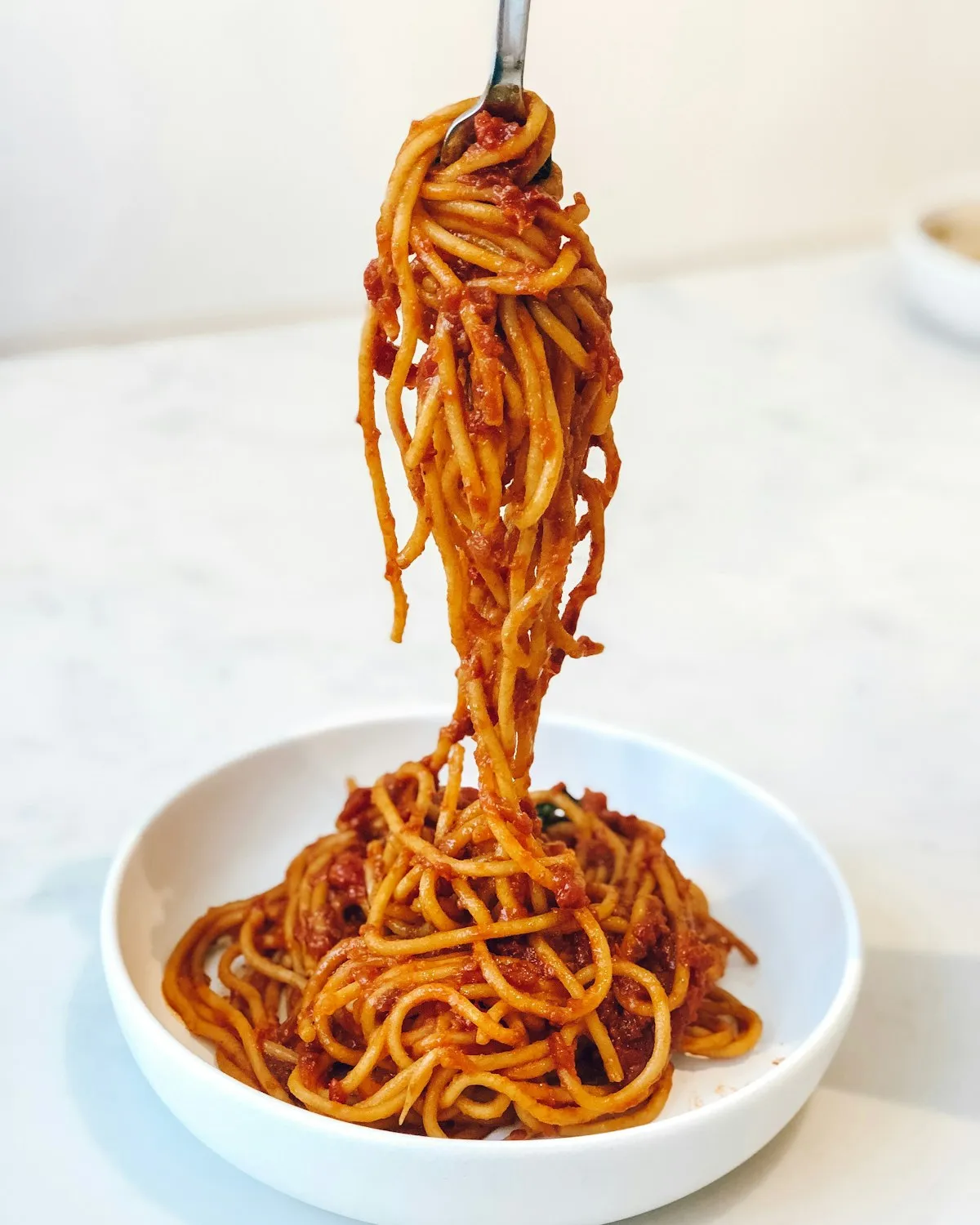
Focus on the starch. Use less water than you think you need when boiling your pasta. Most quick family meals suggest a giant pot of water, but for carbonara, you want that water to be as "muddy" and starchy as possible. This liquid gold acts as a stabilizer, preventing the fats from separating and the eggs from scrambling.
Temper your eggs. Before the pasta even touches the pan, take a ladle of that boiling, starchy water and slowly whisk it into your egg and cheese mixture. This raises the temperature of the eggs gently, moving them toward that "sweet spot" of thickening without crossing the line into "breakfast scramble." It dilutes the proteins, making them less likely to clump together when they finally meet the hot noodles.
Kill the heat. This is the non-negotiable rule of carbonara. Never, under any circumstances, add your egg mixture to a pan that is still sitting over an active burner. The residual heat from the pasta and the pan itself is more than enough to cook the yolks into a safe, creamy sauce. If the pan is still sizzling, you’ve already lost. Wait ten seconds after turning off the heat before you even think about pouring in those eggs.
Creative Variations for Every Palate
While purists will insist that only guanciale and Pecorino Romano belong in this dish, the beauty of 15 minute meals is their adaptability. You can maintain the same scientific principles while swapping out the flavor profiles to suit what is in your fridge.
For a lighter twist that fits into your healthy dinner ideas, try a "Spring Carbonara." Swap the heavy pork for blanched asparagus tips and sweet peas. You’ll still get that rich mouthfeel from the tempered yolks, but the snap of the greens cuts through the fat beautifully. If you want a smokier depth, high-quality thick-cut bacon is a perfectly acceptable substitute for guanciale, though you should drain a bit of the excess grease if it gets too swampy.
If you are a fan of air fryer recipes dinner hacks, you can actually crisp up your guanciale or bacon in the air fryer while the pasta boils. It ensures perfectly even browning and allows you to toss the crispy bits into the pasta at the very last second, preserving that crucial crunch. Just remember: the sauce itself must always happen in the bowl or a warm (not hot) skillet.
Balancing the Richness: Side Dish Pairings
Because carbonara is essentially a bomb of salt, fat, and starch, your side dishes need to provide a sharp exit strategy for your palate. You aren't looking for more starch; you are looking for acidity and crunch.
Go green and bitter. A simple arugula salad with nothing more than a squeeze of fresh lemon and a tiny drizzle of olive oil is the perfect companion. The peppery bite of the greens and the citrus acidity act as a "reset button" for your tongue after every creamy bite of pasta. Avoid heavy dressings; you want something that cleanses, not something that adds to the richness.
Roasted vegetables with a kick. If you want something warm, try quick-roasted broccolini or charred Brussels sprouts. Throw them in the oven with some red pepper flakes and a splash of balsamic vinegar. The charred edges provide a smoky contrast to the silky sauce, while the vinegar provides the necessary acidic balance.
Carbonara Troubleshooting: FAQ
Why did my sauce turn out clumpy even though I turned off the heat?
Check your pan type. Heavy cast iron or thick stainless steel retains heat much longer than thin aluminum. If you are using a heavy pan, you may need to transfer the pasta and pork to a room-temperature mixing bowl before adding the egg mixture. Also, ensure you are whisking vigorously as you pour. Motion is your friend; it prevents "hot spots" from forming.
Can I use pre-grated cheese from a green shaker can?
Absolutely not. Pre-grated cheeses are coated in cellulose (wood pulp) to prevent clumping in the container. This anti-caking agent will prevent your cheese from melting into the sauce, leaving you with a grainy, sandy texture. Buy a wedge of Pecorino or Parmesan and grate it yourself on the finest setting possible. The finer the grate, the faster it melts into the emulsion.
What if I don't have guanciale?
Use pancetta or a high-quality, non-maple bacon. The goal is cured pork fat. If you are going meatless, smoked sun-dried tomatoes or sautéed mushrooms can provide a similar umami depth, but you will need to add a tablespoon of olive oil or butter to replace the rendered animal fat needed for the emulsion.
Is it safe to eat "raw" eggs in the sauce?
The eggs aren't actually raw. The combination of the boiling pasta and the hot pasta water brings the mixture to roughly 65°C–70°C (149°F–158°F). This is the temperature range where yolks thicken and pasteurize. If you are particularly concerned, use pasteurized eggs, but for most healthy adults, the residual heat method is perfectly safe and culinary standard.
My sauce is too thick and sticky. How do I fix it?
Keep a cup of pasta water on standby. If the sauce tightens up too much as it cools, add a tablespoon of water at a time and toss vigorously. The starch will help the water integrate without thinning out the flavor. Avoid adding more cheese or heat, as this will only make it stickier.
{“@type”:”BlogPosting”,”image”:”https://cdn.marblism.com/9782803c-8a1a-4630-9092-be206967884a.webp”,”author”:{“name”:”Penny”,”@type”:”Person”},”@context”:”https://schema.org”,”headline”:”Simple Trick for the Best Pasta Carbonara”,”keywords”:”simple pasta recipes, 15 minute meals, healthy dinner ideas, quick family meals, air fryer recipes dinner”,”publisher”:{“logo”:{“url”:”https://cookpedia.com/logo.png”,”@type”:”ImageObject”},”name”:”Cookpedia”,”@type”:”Organization”},”mainEntity”:[{“name”:”Why did my sauce turn out clumpy even though I turned off the heat?”,”@type”:”Question”,”acceptedAnswer”:{“text”:”The pan might be retaining too much heat. Heavy cast iron or thick stainless steel stays hot longer. Try transferring the pasta to a bowl before adding eggs, and ensure you whisk constantly.”,”@type”:”Answer”}},{“name”:”Can I use pre-grated cheese?”,”@type”:”Question”,”acceptedAnswer”:{“text”:”No. Pre-grated cheese contains anti-caking agents like cellulose that prevent it from melting smoothly, resulting in a grainy sauce.”,”@type”:”Answer”}}],”description”:”Master the art of the perfect, glossy Pasta Carbonara with our simple tempering trick. No cream, no scrambling—just pure scientific technique for a 15-minute meal.”,”datePublished”:”2026-06-09″,”articleSection”:”Cooking Techniques”,”mainEntityOfPage”:{“@id”:”https://cookpedia.com/simple-trick-best-pasta-carbonara”,”@type”:”WebPage”}}