Recipe
Servings
Servings 1×
Ingredients
- Shrimp
- Pasta
- Noodles
- Garlic
- Cream
- Butter
Method
- Prepare the ingredients described in the article and heat the cooking surface or oven as directed.
- Cook the main ingredients using the heat and timing guidance in the article.
- Finish with the seasonings and garnishes named in the article, then serve.
You know those nights when the clock is ticking, the family is hovering, and you need a win that feels like a splurge but takes less time than a coffee run? That is exactly where this creamy garlic shrimp pasta shines. It is the ultimate heavy hitter in my rotation of simple pasta recipes, delivering a restaurant-level silkiness with minimal effort. We aren't just making dinner here; we are mastering a technique that turns basic pantry staples into a soulful, high-impact meal that feels far more indulgent than its 15-minute clock time suggests.
The Science of the Perfect Emulsion
The difference between a "good" sauce and a "mind-blowing" sauce isn't just about how much cream you pour into the pan. It is about chemistry. Specifically, we are talking about creating a stable emulsion. When you combine fats (butter and cream) with liquid (wine or broth) and starches (pasta water), you are essentially forcing molecules that don't like each other to play nice.
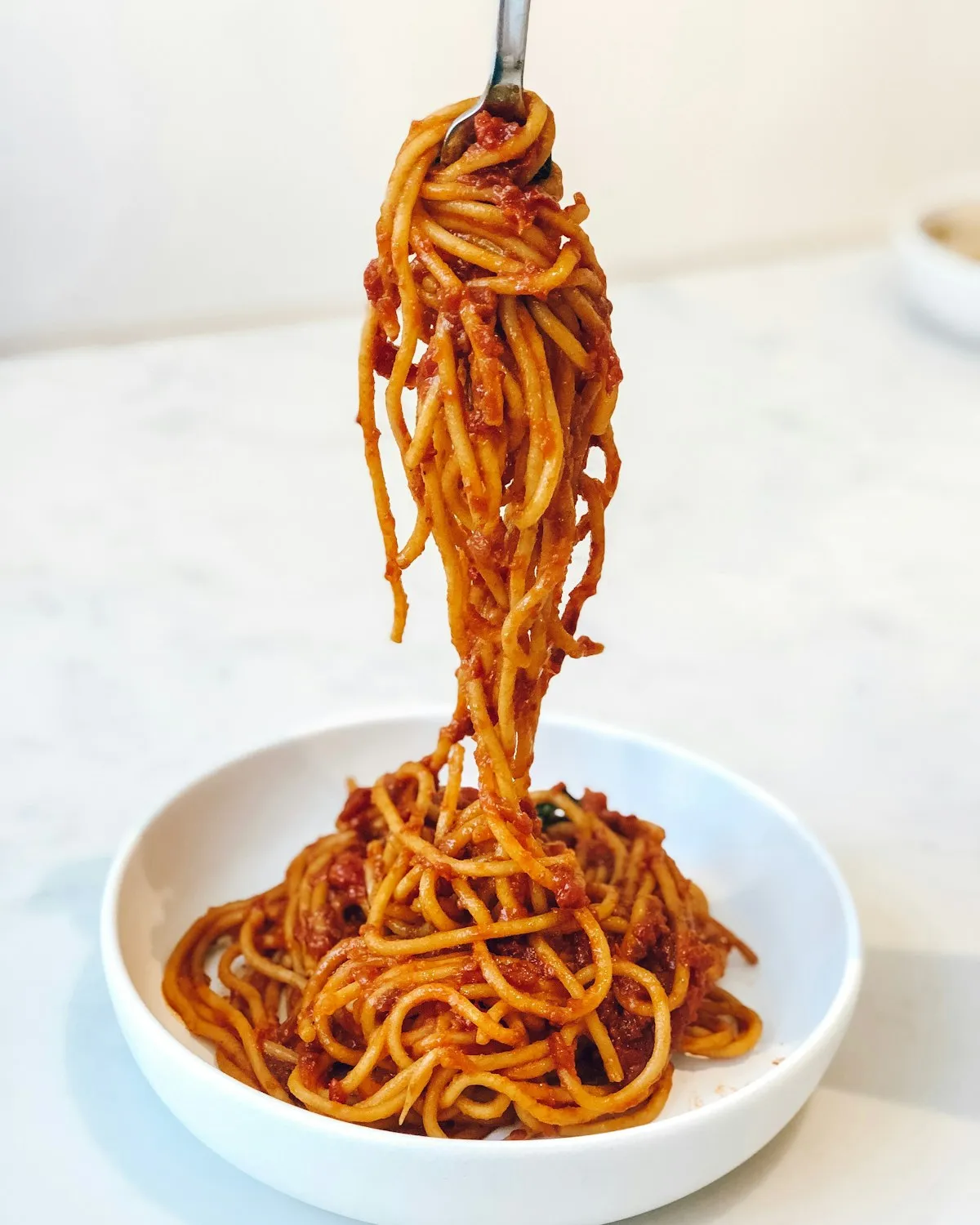
Use your pasta water like it’s liquid gold. Never, ever dump it all down the drain. That starchy, salty liquid is the secret to a glossy finish that clings to every strand of noodle. As you toss the pasta in the pan, the starch acts as a bridge between the fat and the water, preventing that dreaded greasy separation. If your sauce looks too thick or "tight," add a splash of that water. It’s the single best tip for perfecting quick family meals.
Now, let’s talk about those shrimp. Shrimp are small, delicate, and incredibly prone to overcooking. Treat them with respect. If you leave them in the pan for too long, they turn from juicy, tender morsels into rubbery erasers. Sear them on high heat for barely two minutes per side: just until they turn pink and opaque. Pull them out of the pan immediately. You’ll add them back right at the end. This prevents the carryover heat from turning them into leather while you’re busy whisking your sauce.
Don't forget to pat your shrimp dry before they hit the pan. Moisture is the enemy of the Maillard reaction. If they are wet, they’ll steam rather than sear. We want that golden, caramelized exterior because that’s where the "soul" of the flavor lives. If you’ve been looking for healthy dinner ideas that don't taste like cardboard, mastering the sear is your first step to success.
Variations for Every Mood
The beauty of a minimalist base is that it acts as a canvas for your cravings. If you’re feeling a bit of heat, don't be shy with the red pepper flakes. Adding them to the butter while you sauté your garlic allows the capsaicin to bloom, infusing the entire sauce with a gentle, building warmth. It’s a great way to pivot from a classic profile to something more adventurous.
For those looking to pack in more greens, stir in a few handfuls of fresh baby spinach right before you add the pasta back in. The residual heat will wilt the leaves in seconds without making them mushy. It’s one of those healthy dinner ideas that feels seamless rather than forced. Alternatively, if you want a brighter, zingier profile, a heavy hand with lemon zest and a squeeze of fresh juice at the very end: after the heat is off: will cut through the richness of the cream beautifully.
If you’re in a season where you’re leaning on your gadgets for speed, you might be tempted by air fryer recipes dinner options. While this pasta is a stovetop superstar, you can actually roast your garlic and even some cherry tomatoes in the air fryer beforehand to add a concentrated, jammy sweetness to the sauce. It adds a layer of complexity that makes people think you spent hours at the stove.
Perfect Pairings for Balance
Rich, creamy sauces need a foil: something to cleanse the palate and provide a bit of crunch. Avoid heavy, starchy sides. Instead, lean into the acidity. A simple arugula salad with a sharp lemon vinaigrette and some shaved Parmesan is my go-to. The peppery bite of the greens cuts right through the garlic-butter sauce, making every bite of pasta feel as fresh as the first.
If you have a bit of crusty sourdough on hand, give it a quick toast. It’s not just for aesthetics; you’ll want it to mop up every last drop of that sauce from the bottom of the bowl. For more inspiration on building these high-impact flavor profiles, check out my guide on achieving the perfect glossy sauce.
Frequently Asked Questions
Why did my sauce separate and become greasy?
This usually happens for one of two reasons: the heat was too high or you didn't use enough pasta water. High heat can cause the proteins in the cream to curdle and the fat to split. Keep the sauce at a gentle simmer, never a rolling boil. If it splits, take it off the heat and whisk in a tablespoon of hot pasta water vigorously. The starch should help pull the emulsion back together.
Can I use frozen shrimp?
Absolutely. In fact, many "fresh" shrimp at the grocery store were previously frozen anyway. Just ensure they are completely thawed and, more importantly, patted bone-dry. If they are still icy or damp, they will dump water into your pan, and you’ll lose that beautiful sear.
What if I don't have heavy cream?
You can use half-and-half or even whole milk in a pinch, but you’ll lose some of that iconic silkiness. If you use milk, you'll need to rely even more heavily on the pasta water and maybe an extra knob of butter to help build the body of the sauce.
My shrimp are rubbery. What happened?
You overcooked them! It happens to the best of us. Next time, pull them out of the pan the second they lose their translucency. They should still have a "C" shape. If they’ve curled into a tight "O," they are overdone.
Is this a good option for meal prep?
Pasta with cream sauce is always best served immediately. However, if you do have leftovers, reheat them gently on the stove with a splash of water or milk to loosen the sauce. Avoid the microwave if possible, as it tends to zap the moisture out of the shrimp and break the emulsion of the sauce.
Can I make this dairy-free?
You can swap the butter for olive oil and use a high-quality coconut cream or cashew cream. Just be aware that these will slightly alter the flavor profile. If you're looking for more dairy-light or alternative quick family meals, keeping a variety of high-impact aromatics like garlic and chili on hand is key.
Whether you’re a pro or just starting your journey into simple pasta recipes, this dish is a reminder that great cooking doesn't have to be complicated. It’s about understanding your ingredients, controlling your heat, and knowing when to let the simple flavors speak for themselves. If you're looking for more ways to simplify your weeknights, don't miss my air fryer sausage and pepper medley or this ultimate comfort food cheat code. Now, get into the kitchen and make it happen!
{“@type”:”BlogPosting”,”image”:”https://cdn.marblism.com/-hnLeeD6LMj.webp”,”author”:{“name”:”Penny”,”@type”:”Person”},”@context”:”https://schema.org”,”headline”:”Simple 15-Minute Creamy Garlic Shrimp Pasta”,”publisher”:{“logo”:{“url”:”https://cookpedia.com/logo.png”,”@type”:”ImageObject”},”name”:”Cookpedia”,”@type”:”Organization”},”description”:”Master the art of the 15-minute creamy garlic shrimp pasta with these expert tips on emulsion and searing. Perfect for quick family meals and healthy dinner ideas.”,”datePublished”:”2026-06-08″,”mainEntityOfPage”:{“@id”:”https://cookpedia.com/simple-15-minute-creamy-garlic-shrimp-pasta”,”@type”:”WebPage”}}