Recipe
Servings
Servings 1×
Ingredients
- Chicken
- Salmon
- Shrimp
- Steak
- Tofu
- Chickpeas
- Rice
- Avocado
- Fresh ginger
- Lemon
- Lime
- Tahini
- Cooking oil
- Sesame
Method
- Let’s be honest: your "busy" schedule isn't just a calendar full of meetings; it’s a marathon that leaves you staring blankly into the fridge at 7:00 PM.
- Heat takes time to travel to the center of a thick piece of meat.
- Slice chicken breasts into thin cutlets or "scaloppine" style.
- Use a heavy-bottomed skillet (cast iron or heavy stainless steel) and get it ripping hot before adding your oil.
- Use fresh lime juice, rice vinegar, or even a splash of brine from a jar of capers.
- Whisk together tahini, lemon, and a dash of warm water for a creamy dressing that works on everything from roasted chickpeas to grilled chicken.
Let’s be honest: your "busy" schedule isn't just a calendar full of meetings; it’s a marathon that leaves you staring blankly into the fridge at 7:00 PM. You want to eat well, but the siren song of the delivery app is loud. I’ve been there, and I’m here to tell you that healthy dinner ideas don’t require a three-hour commitment or a culinary degree. You can reclaim your kitchen in under 20 minutes without sacrificing flavor or your sanity.
The Science of Speed: Techniques for the Zero-Hour Cook
Cooking fast isn't about moving your hands faster; it’s about understanding the physics of heat and the chemistry of ingredients. To master the art of quick family meals, you must stop treating the kitchen like a chore and start treating it like a high-efficiency lab.
Optimize Your Surface Area
Heat takes time to travel to the center of a thick piece of meat. To cut your cooking time in half, increase the surface area. Slice chicken breasts into thin cutlets or "scaloppine" style. Dice your vegetables into uniform, small pieces. Not only does this ensure they cook in minutes, but it also creates more surface area for the Maillard reaction, that magical browning that gives food its savory "umami" punch.
Master the High-Heat Sear
Don't be afraid of the smoke point. Use a heavy-bottomed skillet (cast iron or heavy stainless steel) and get it ripping hot before adding your oil. High heat allows you to sear proteins like shrimp, tofu, or thinly sliced steak in under three minutes per side. The goal is a quick crust while keeping the interior tender. Remember the rule of carry-over cooking: remove your protein from the heat when it’s about 5 degrees below your target temperature. The residual heat will finish the job while you plate the rest of your meal.
Leverage the Power of Air and Steam
If you haven't embraced air fryer recipes dinner style, you're missing out on a convection miracle. The high-velocity hot air mimics deep-frying by removing moisture from the surface of your food instantly, resulting in crispy textures in a fraction of the time a traditional oven takes. For vegetables, use the "steam-sauté" method: add a splash of water or broth to your hot pan and cover it for 60 seconds. This uses the latent heat of steam to cook the interior of the veg rapidly before you uncover it to finish the sear.
The "Instant" Grain Revolution
Stop waiting 40 minutes for brown rice. Science has gifted us with parboiled and vacuum-sealed grains. These aren't "fake" foods; they are simply pre-cooked under pressure to gelatinize the starch. A 90-second zap in the microwave provides a fiber-rich base that is indistinguishable from the slow-cooked version once you toss it with a vibrant dressing.
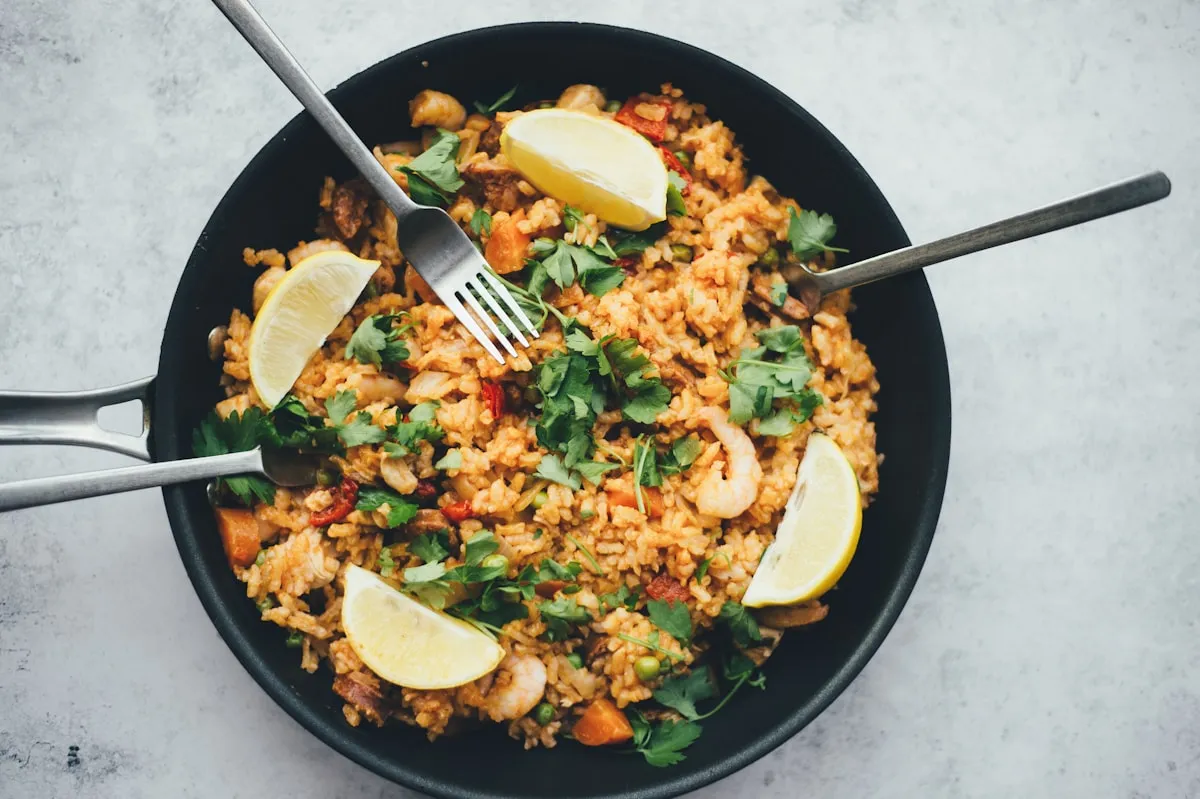
Flavor Foundations: Variations and The Rule of Three
Once you master a basic 20-minute format, protein, quick grain, and a "flash" vegetable, you can create infinite variations. Think of your meal in three parts: the texture, the base, and the "brightener."
Balancing the Palate
Healthy cooking often fails because it lacks balance. If you are serving a rich protein like salmon or avocado, you must cut through that fat with acidity. Use fresh lime juice, rice vinegar, or even a splash of brine from a jar of capers. This "acid punch" wakes up the taste buds and makes a 15-minute meal taste like it simmered all afternoon.
Texture Architecture
A quick meal often suffers from "softness syndrome." If your grain bowl feels monotonous, add a "crunch factor." Keep a jar of toasted pumpkin seeds, sliced almonds, or even crushed dried seaweed in your pantry. A handful of these adds the structural integrity needed to make a simple salad feel like a deliberate, gourmet dish.
The Sauce Shortcut
Avoid complex reductions. Instead, focus on high-impact emulsions. Whisk together tahini, lemon, and a dash of warm water for a creamy dressing that works on everything from roasted chickpeas to grilled chicken. If you’re leaning into Asian flavors, a quick stir-fry sauce of soy, ginger, and a drop of toasted sesame oil provides instant depth.
Side Dish Pairings: Creating Contrast
A great meal is a conversation between different temperatures and textures. When your main dish is hot and savory, your side should be cool and refreshing.
Cool vs. Hot
If you’re making a spicy shrimp stir-fry or a warm grain bowl, pair it with a quick smashed cucumber salad. Use the flat side of your knife to crush cucumber rounds, this breaks the cell walls and allows a quick dressing of vinegar and salt to penetrate instantly. This cooling contrast is essential for a balanced quick family meal.
Fiber-Forward Fills
When the main protein is light, like white fish or tofu, use a "filling" side dish. A quick mash of canned cannellini beans with garlic and olive oil takes four minutes and provides the slow-burning carbohydrates needed to keep you full until breakfast. Avoid heavy creams; let the natural starch of the beans create the creaminess.
Quick Healthy Meals FAQ: The Science of "What If?"
Why does my "quick" chicken always turn out rubbery?
This is usually a result of "protein tightening." When you cook chicken straight from the fridge on high heat, the outer muscle fibers contract violently. Let your protein sit at room temperature for 5-10 minutes while you chop your veg. This reduces the thermal shock and results in a more even, tender cook.
Can I really get a "sear" in an air fryer?
Technically, no. A sear requires direct contact with a hot surface (conduction). However, an air fryer uses intense convection. To maximize results for air fryer recipes dinner, don't crowd the basket. If the air can't circulate around each piece of food, you’ll end up with steaming rather than crisping.
Is frozen spinach just as good as fresh?
Actually, in many ways, it’s better for quick cooking. Frozen vegetables are usually blanched and flash-frozen at peak ripeness, locking in nutrients. Because the freezing process breaks down the cell walls (the water inside the cells expands and turns to ice crystals), frozen spinach cooks in about a third of the time fresh spinach takes to wilt. Just be sure to squeeze out the excess water to avoid a soggy plate.
What if I forgot to defrost my protein?
For thin cuts of fish or shrimp, you can use a cold-water bath. Place the sealed protein in a bowl of cold (never hot!) water. The water is a much better conductor of heat than air, and it will thaw thin items in about 15 minutes. Alternatively, many healthy dinner ideas work perfectly with "fast" proteins like canned chickpeas or eggs, which require zero defrosting time.
Why is my stir-fry soggy instead of crisp?
You’re likely "crowding the pan." When too much cold food hits the pan at once, the temperature drops and the moisture released by the vegetables turns into steam. Cook in batches if necessary. The goal is to keep the pan hot enough that the moisture evaporates the second it hits the surface.
Cooking at home shouldn't be a heroic feat of endurance. By mastering a few core techniques: like heat management and smart ingredient assembly: you can put together a meal that is faster than a delivery driver can find your house. Start with these principles, keep your pantry stocked with "building blocks," and you'll never feel "too busy" to eat well again.
{“@type”:”BlogPosting”,”image”:”https://cdn.marblism.com/hWpxHrQyRAa.webp”,”author”:{“name”:”Penny”,”@type”:”Person”},”@context”:”https://schema.org”,”headline”:”Quick Healthy Meals for People Who Have Zero Time: 25 Ideas Under 20 Minutes”,”publisher”:{“logo”:{“url”:”https://cookpedia.com/logo.png”,”@type”:”ImageObject”},”name”:”Cookpedia”,”@type”:”Organization”},”description”:”Discover 25 healthy dinner ideas you can prepare in under 20 minutes. Learn the science of quick cooking, air fryer tips, and flavor balancing for busy weeknights.”,”datePublished”:”2026-07-15″,”mainEntityOfPage”:{“@id”:”https://cookpedia.com/quick-healthy-meals-zero-time”,”@type”:”WebPage”}}