Recipe
Servings
Servings 1×
Ingredients
- Chicken
- Salmon
- Shrimp
- Steak
- Ground turkey
- Tofu
- Lentils
- Chickpeas
- Quinoa
- Pasta
- Noodles
- Greek yogurt
- Cauliflower
- Broccoli
- Asparagus
- Zucchini
- Spinach
- Greens
Method
- Let’s be honest: most "diet food" tastes like a punishment.
- Use a heavy skillet, cast iron is best, and get it hot before adding your protein.
- Pat your meat or tofu bone-dry with a paper towel first; moisture is the enemy of a good sear.
- Use the power of emulsification.
Let’s be honest: most "diet food" tastes like a punishment. You sit down to a plate of steamed, unseasoned broccoli and a dry chicken breast, wondering where your joy went. But eating well doesn't have to feel like a chore. You deserve meals that are vibrant, satisfying, and deeply flavorful. My philosophy is simple: stop focusing on what you’re taking away and start focusing on the techniques that make real food taste incredible. These ten ideas will transform your evening routine into something you actually look forward to.
Master the Science of Satisfaction: Tips & Technique
To move away from the blandness of traditional dieting, you must understand why certain foods taste better than others. It isn't just about fat and salt; it’s about chemistry.
Embrace the Maillard Reaction
Stop "graying" your meat. When you throw cold protein into a lukewarm pan, it steams rather than sears. This is a missed opportunity for flavor. The Maillard reaction is the chemical reaction between amino acids and reducing sugars that gives browned food its distinctive, savory taste. Use a heavy skillet, cast iron is best, and get it hot before adding your protein. Pat your meat or tofu bone-dry with a paper towel first; moisture is the enemy of a good sear. This "umami" punch is what makes healthy dinner ideas feel like a restaurant meal rather than a cafeteria tray.
Harness the Power of Acidity
If a dish tastes "flat," your first instinct might be to reach for the salt shaker. Instead, reach for an acid. A squeeze of fresh lemon, a splash of apple cider vinegar, or a drizzle of balsamic glaze can "wake up" the flavors in a dish. Acid cuts through richness and balances the natural sweetness of roasted vegetables. Always finish your plates with a bright hit of citrus or vinegar just before serving. This technique is essential for quick family meals where you don't have hours to simmer a sauce.
Create "Creaminess" Without the Cream
You don't need a pint of heavy cream to get a luxurious mouthfeel. Use the power of emulsification. When making a quick pan sauce, use a small amount of starchy pasta water or a spoonful of Greek yogurt whisked in at the very end off the heat. Alternatively, blend a portion of your roasted vegetables (like cauliflower or red peppers) into a smooth puree and stir it back into your main dish. This creates a velvety texture that feels indulgent but keeps the nutritional profile lean.
Prioritize Texture Contrast
One reason diet food feels depressing is that it’s often all one texture, usually mushy. Your brain craves variety. If you’re serving a soft grain bowl, add something crunchy like toasted sunflower seeds, shaved raw radishes, or a quick cabbage slaw. That interplay between soft, crunchy, warm, and cool is what makes a meal feel substantial and "complete."
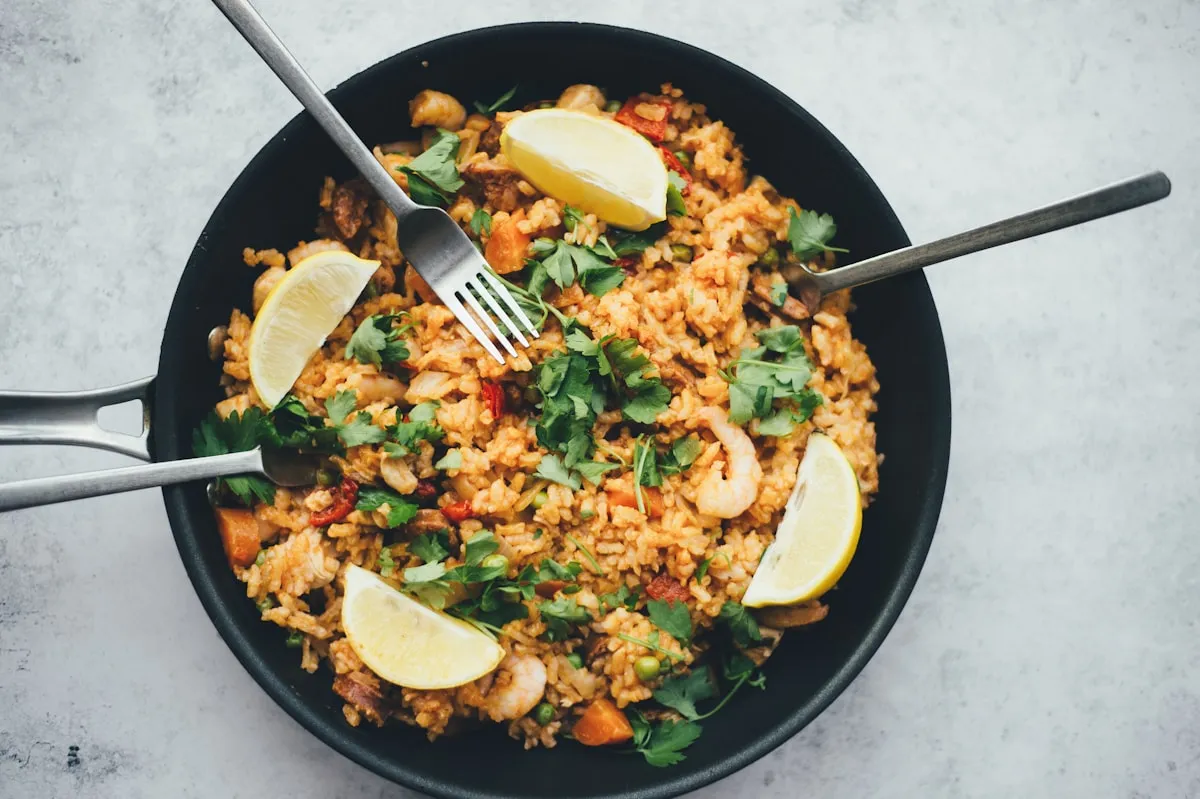
10 Ideas to Change Your Weeknight Game
- The Sheet-Pan "Power" Roast: Toss salmon fillets with a generous rub of smoked paprika and garlic. Surround them with asparagus and thin slices of lemon. The lemon slices caramelize in the oven, creating a built-in sauce that is bright and savory.
- Mediterranean "Everything" Bowls: Use a base of quinoa or farro, then pile on roasted chickpeas, cucumbers, and a massive dollop of homemade hummus. Check out our 30-minute meals for more bowl inspiration.
- The "Better" Fajita: Skip the heavy cheese and sour cream. Sauté peppers and onions until they have charred edges, and serve them with lean grilled chicken and a huge scoop of fresh pico de gallo.
- Air-Fried Sesame Tofu: If you want crunch without deep-frying, use your air fryer. Tofu bites become incredibly crispy when tossed in a light cornstarch coating. These are perfect for air fryer recipes dinner nights.
- Roasted Red Pepper Chicken: Blend roasted peppers with a bit of garlic and vegetable stock for a vibrant, orange sauce that looks like vodka sauce but is packed with vitamins.
- Zucchini Noodle "Scampi": Use a spiralizer for bulk, but mix in a small portion of whole-wheat pasta for that familiar "bite." Sauté with plenty of garlic, lemon, and red pepper flakes.
- Turkey and Spinach Meatballs: Grate zucchini or finely chop spinach into your ground turkey. This adds moisture and prevents the meat from becoming dry and rubbery.
- Coconut Curry Lentils: Lentils are a powerhouse of fiber and protein. Simmer them with ginger, turmeric, and a splash of light coconut milk for a dish that feels like a warm hug. Explore our vegetarian dinner recipes for more plant-based wins.
- Shrimp and Snap Pea Stir-fry: Use a high-heat wok and a soy-ginger glaze. Shrimp cooks in under three minutes, making this one of the ultimate 15-minute meals.
- Cauliflower Steak "Parmesan": Thick-cut cauliflower slabs, roasted until tender and topped with a bright marinara and a dusting of Parmesan, provide a hearty, "meaty" texture without the heaviness.
Variations for the Busy Home Cook
Flexibility is the key to consistency. If you don't have the exact protein suggested, swap it out. Chicken thighs are a more forgiving alternative to breasts because their higher fat content prevents them from drying out, yet they still fit into many healthy dinner ideas. If you are short on time, lean into your kitchen tech.
Using an air fryer for your proteins can cut cooking time in half compared to a traditional oven. Many air fryer recipes dinner enthusiasts find that they can achieve the "fried" texture they crave with a fraction of the oil. For those nights when you are truly exhausted, look toward one-pot meals. Cooking your grains or pasta directly in the sauce not only saves on washing up but also allows the starch to naturally thicken the liquid, creating a more cohesive flavor profile.
If you have a family to feed, turn these ideas into a "bar" style setup. Put the components of the Mediterranean bowls or tacos in separate containers and let everyone build their own. This empowers picky eaters while ensuring the meal remains a staple among your quick family meals.
Side Dish Pairings for Perfect Balance
A great dinner is a balancing act. If your main dish is rich or spicy, your side should be cooling and acidic.
- For Saucy Skillet Dishes: Pair these with a crisp green salad tossed in a simple vinaigrette. The raw crunch of the greens provides a necessary break from the soft, cooked textures of the main.
- For Roasted Proteins: Serve alongside a bright citrus slaw. Shredded cabbage or kale dressed with lime juice and a touch of honey offers a refreshing counterpoint to the deep, caramelized flavors of roasted meat.
- For Grain Bowls: Include a side of quick-pickled onions. Simply soak thinly sliced red onions in vinegar and a pinch of sugar for ten minutes. They add a pop of color and a sharp tang that cuts through earthy grains like quinoa or brown rice.
Avoid heavy, starchy sides if your main already includes a carbohydrate. Instead, focus on "volume" veggies, like roasted broccoli or steamed green beans, that fill the plate without adding excessive caloric density.
Frequently Asked Questions
Why does my "healthy" chicken always turn out dry?
This is usually a result of overcooking and a lack of temperature control. Most people cook chicken until they are "sure" it's done, which often means it's well past the safe internal temperature of 165°F (74°C). Invest in a digital meat thermometer. Pull your chicken off the heat at 160°F and let it rest; carryover cooking will bring it up to the safe zone while keeping the juices inside the meat.
Can I really get "crispy" results without a lot of oil?
Yes, but you need heat and air circulation. This is why the air fryer is so effective. It circulates hot air rapidly around the food. If you're using a standard oven, place a wire rack on top of your baking sheet. This allows the heat to reach the bottom of your food, preventing it from getting soggy in its own juices.
How do I make my kids eat more vegetables in these meals?
Stop trying to hide them and start making them taste good. Most kids (and adults!) hate vegetables because they’ve only had them boiled or steamed until they are mush. Roasting vegetables at high heat (400°F/200°C) causes natural sugars to caramelize, making them much sweeter and more palatable.
Is it okay to use frozen vegetables for "quick family meals"?
Absolutely. In many cases, frozen vegetables are "fresher" than the ones in the produce aisle because they are flash-frozen at the peak of ripeness. They are an excellent way to add nutrition to your dinner without the prep time of washing and chopping. Just be sure to sauté or roast them quickly so they don't become watery.
How can I make these meals ahead of time?
Focus on "component prepping" rather than full meal prepping. Roast a large batch of vegetables, cook a pot of grains, and grill several chicken breasts on Sunday. During the week, you can mix and match these components with different sauces and spices to create entirely different meals in minutes. This keeps your dinners feeling fresh rather than like repetitive leftovers.
{“@type”:”FAQPage”,”@context”:”https://schema.org”,”mainEntity”:[{“name”:”Why does my healthy chicken always turn out dry?”,”@type”:”Question”,”acceptedAnswer”:{“text”:”Chicken often turns out dry because it is overcooked. Use a digital meat thermometer and pull the chicken off the heat when it reaches an internal temperature of 160°F (71°C). The temperature will rise to 165°F (74°C) as it rests, keeping it juicy.”,”@type”:”Answer”}},{“name”:”Can I get crispy results without using a lot of oil?”,”@type”:”Question”,”acceptedAnswer”:{“text”:”Yes, by using an air fryer or placing a wire rack on a baking sheet in a traditional oven. This allows hot air to circulate around the food, removing moisture and creating a crispy exterior without deep-frying.”,”@type”:”Answer”}},{“name”:”Are frozen vegetables healthy for weeknight dinners?”,”@type”:”Question”,”acceptedAnswer”:{“text”:”Yes, frozen vegetables are often flash-frozen at peak ripeness, preserving their nutrient content. They are a great time-saving option for quick family meals.”,”@type”:”Answer”}}]}