Recipe
Servings
Servings 1×
Cook 92 min
Ingredients
- Chicken
- Shrimp
- Steak
- Ground turkey
- Tofu
- Lentils
- Chickpeas
- Pasta
- Noodles
- Potatoes
- Sweet potatoes
- Onion
- Garlic
- Butter
- Cooking oil
Method
- Let’s be honest: by the time 6:00 PM rolls around, the last thing you want is a three-hour culinary project.
- Cut your proteins and vegetables into small, uniform pieces.
- Use a sharp knife and commit to the "thin is in" philosophy.
- Start your kitchen session by getting a pot of water on the burner or preheating your pans.
- Toss your cooked noodles into a skillet with a little fat (like olive oil or butter) and a splash of that water.
Let’s be honest: by the time 6:00 PM rolls around, the last thing you want is a three-hour culinary project. You want food, and you want it now. But here is a secret I’ve learned from years in my kitchen, the fastest way to actually improve your cooking skills isn't by tackling complex recipes on a Sunday. It’s by mastering the art of 15-minute dinners. When you only have fifteen minutes, you’re forced to understand heat, timing, and efficiency. You stop overthinking and start cooking.
The Science of Speed: Efficiency and Heat
If you want to master 15-minute meals, you have to understand the science of heat transfer. Cooking is essentially just moving energy from a heat source into your food. To do this quickly, you need to manipulate three main variables: surface area, preheating, and conduction.
Maximize Your Surface Area
Think of heat like a commuter trying to get to the center of a crowded city. The further it has to travel, the longer it takes. Cut your proteins and vegetables into small, uniform pieces. When you slice chicken into thin strips or dice sweet potatoes into half-inch cubes, you’re drastically reducing the distance heat needs to travel to reach the center. Use a sharp knife and commit to the "thin is in" philosophy. Small pieces don't just cook faster; they also create more surface area for the Maillard reaction, that glorious browning that gives your food its savory, complex flavor.
Eliminate the "Dead Time"
The biggest mistake I see in home kitchens is waiting until the prep is done to turn on the stove. This is wasted time. Start your kitchen session by getting a pot of water on the burner or preheating your pans. If you’re looking for healthy dinner ideas that don't taste like cardboard, you need a screaming hot pan from the second the food hits the surface. Preheating ensures that your aromatics, like garlic and onions, start sizzling and releasing oils immediately rather than soaking up lukewarm fat while the pan slowly warms.
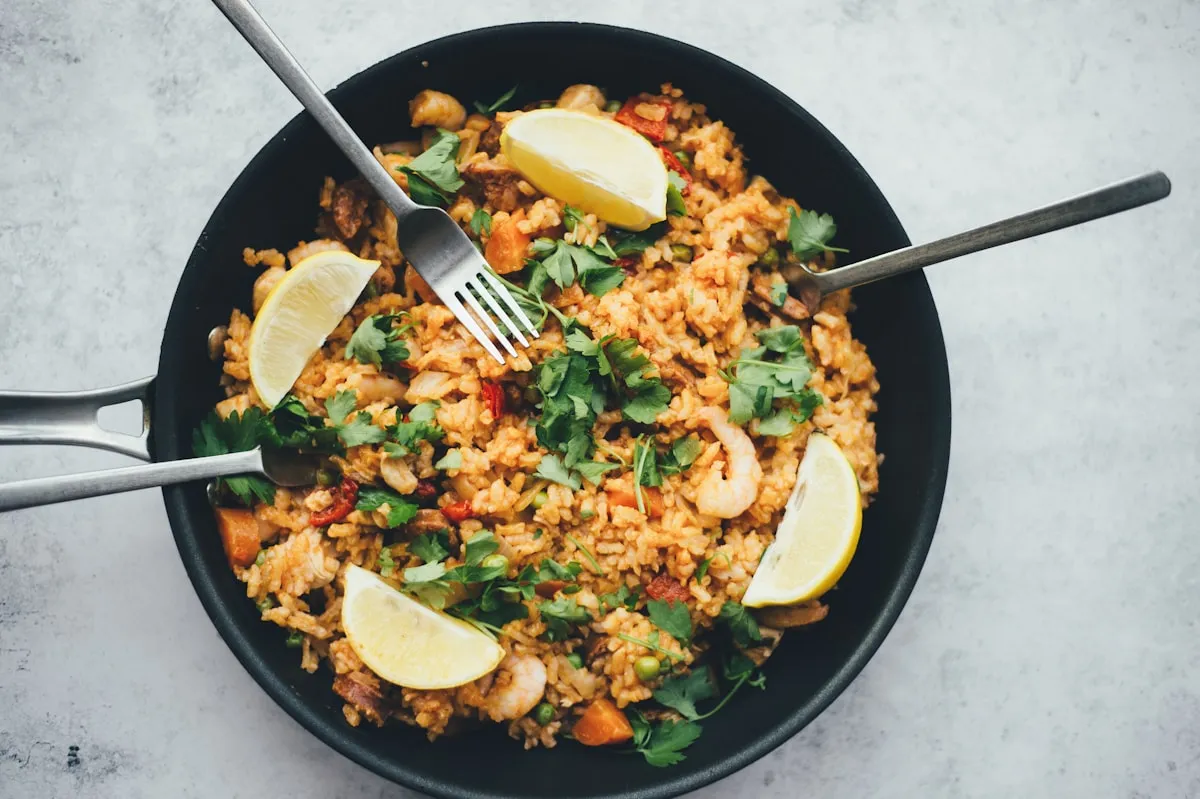
Master the Emulsion
When you're rushing, you don't have time for a sauce to simmer and reduce for forty minutes. Instead, lean on the science of emulsification. When cooking pasta, always reserve a cup of that cloudy, starchy cooking water. Toss your cooked noodles into a skillet with a little fat (like olive oil or butter) and a splash of that water. The starch acts as a bridge between the fat and the liquid, creating a creamy, luxurious sauce in about thirty seconds. This technique is the backbone of the most iconic quick family meals.
Smart Variations for Busy Nights
Once you understand the basic techniques, you can swap ingredients like a pro. The "system" of a 15-minute meal is more important than the specific ingredients. If a recipe calls for chicken but you have a block of tofu, use it. The cooking principle remains the same: high heat and small pieces.
Swap Your Proteins
Don't feel locked into one type of meat. Thinner cuts like fish fillets, shrimp, or ground turkey are your best friends. They reach a safe internal temperature much faster than a thick steak or a whole roast. If you're leaning into plant-based options, canned chickpeas or lentils are essentially "pre-cooked" for you. All they need is a quick sear to develop texture and a hit of seasoning.
The Air Fryer Advantage
If you haven't embraced the convection power of an air fryer, you're missing out on a major speed hack. Because the air fryer circulates hot air at high speeds, it cooks faster than a traditional oven. I often use air fryer recipes dinner style to get crispy textures on vegetables or proteins without the mess of deep frying. It’s perfect for those nights when you want quick family meals without standing over a stove.
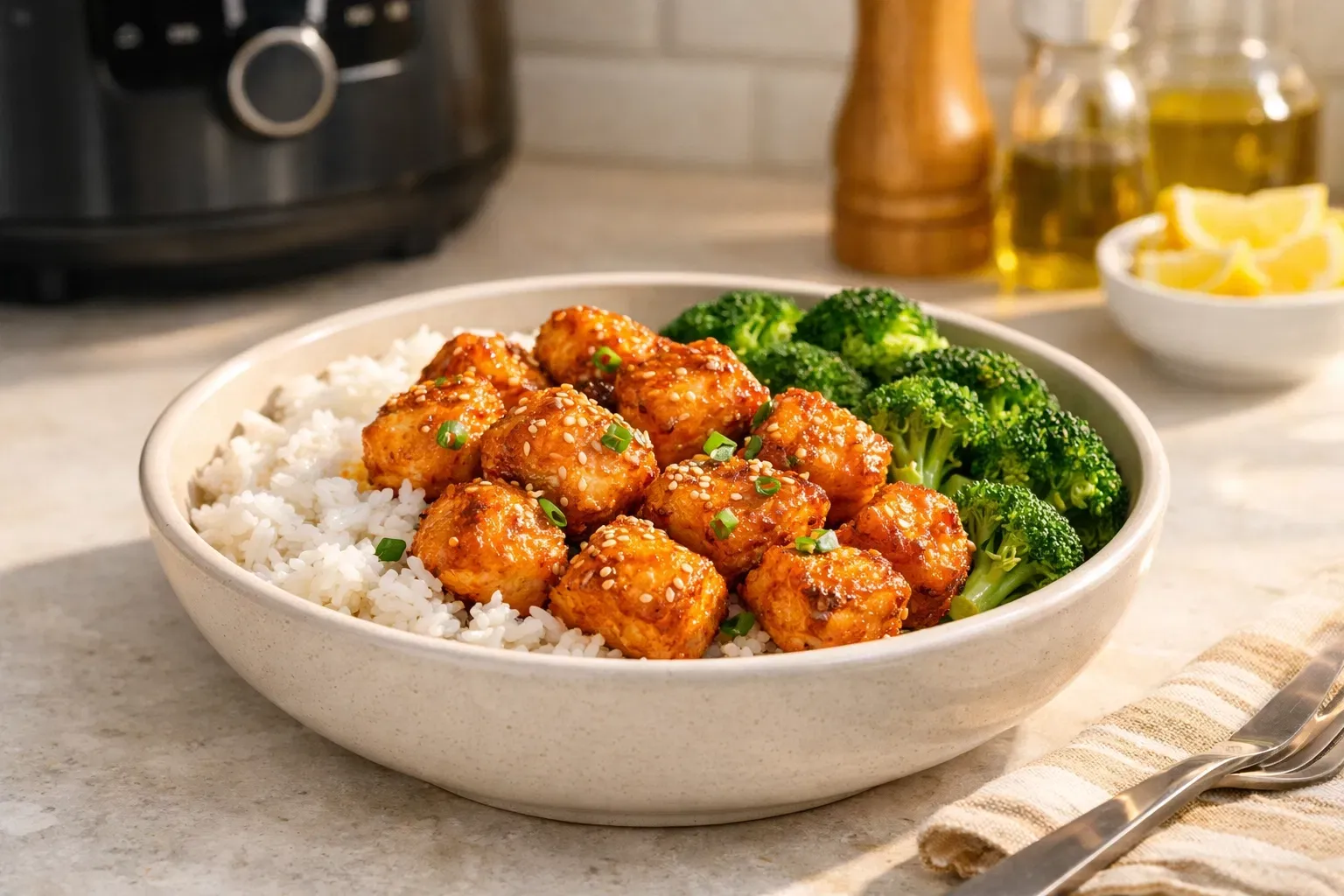
Side Dishes: Balancing the Plate
A 15-minute main dish needs a supporting cast that doesn't add another twenty minutes to your timeline. The key here is balance. If your main dish is rich or fatty, you need acidity and crunch to refresh your palate.
Acidity is Your Secret Weapon
Avoid heavy, time-consuming side dishes. Instead, focus on a quick "power salad" or steamed greens finished with a squeeze of lemon or a splash of vinegar. Acidity cuts through richness and makes even a simple bowl of grains feel like a restaurant-quality meal. Check your pantry for "ready-to-use" acids like balsamic glaze, apple cider vinegar, or even pickled jalapeños.
Texture Contrast
If you're serving a creamy pasta or a soft stir-fry, add a side with some bite. A simple arugula salad with a light vinaigrette provides a peppery, crisp contrast to a heavy main. This isn't just about nutrition; it's about making your healthy dinner ideas satisfying enough that you don't go looking for snacks an hour later.
Frequently Asked Questions
Why does my "15-minute" meal always take me 45 minutes?
The discrepancy usually comes down to your "mise en place" (the fancy French term for "having everything in its place"). If you’re searching for the cumin while your onions are burning, you’re losing time. Read the entire recipe before you touch a knife. Group your ingredients on the counter. Also, remember that most recipe times don't include the time it takes to find a clean pan. Keep your kitchen organized, and your "active" time will plummet.
Can I really get a good sear on high heat in such a short time?
Yes, but you must avoid overcrowding the pan. If you put too much food in the skillet at once, the temperature drops and the moisture released from the food turns into steam. Instead of searing, you end up boiling your meat in its own juices. Cook in batches if you have to. A high-heat sear only takes 2-3 minutes per side if the pan is properly preheated.
Is it actually healthy to cook this fast?
Absolutely. In fact, many vitamins (like Vitamin C and B vitamins) are heat-sensitive. Long cooking times can actually degrade the nutritional profile of your vegetables. Quick techniques like stir-frying or using air fryer recipes dinner shortcuts keep your vegetables vibrant, crunchy, and packed with nutrients. The faster you cook your greens, the more of their natural goodness stays on the plate.
What if my food is burnt on the outside but raw in the middle?
This is a classic sign of using heat that is too high for the thickness of the food. If this happens, your pieces are likely too large. Remember the surface area rule: smaller is faster. If you’re dealing with a thicker piece of fish or chicken, lower the heat slightly after the initial sear and cover the pan with a lid for the last two minutes. The lid traps steam, which helps cook the center through without burning the exterior.
How do I add flavor without a long simmer?
Use "flavor bombs." These are ingredients that pack a massive punch with zero cooking time. Think miso paste, soy sauce, fish sauce, pesto, or fresh herbs. Stirring in a spoonful of pesto at the very end of cooking adds more depth than boiling a sauce for an hour. Always finish your dish with a fresh element: a handful of cilantro, a sprinkle of green onions, or a zest of lime: to brighten the flavors.
{“faq”:[{“name”:”Why does my 15-minute meal always take longer?”,”@type”:”Question”,”acceptedAnswer”:{“text”:”This is usually due to poor organization or ‘mise en place’. Reading the recipe beforehand and grouping ingredients can significantly reduce active time.”,”@type”:”Answer”}},{“name”:”Is fast cooking healthy?”,”@type”:”Question”,”acceptedAnswer”:{“text”:”Yes, shorter cooking times help preserve heat-sensitive vitamins in vegetables, keeping them more nutritious compared to long-simmered dishes.”,”@type”:”Answer”}},{“name”:”How do I prevent food from burning on the outside and staying raw inside?”,”@type”:”Question”,”acceptedAnswer”:{“text”:”Ensure your food is cut into small, uniform pieces to allow heat to reach the center faster. If using larger cuts, sear first and then cover the pan to finish with trapped steam.”,”@type”:”Answer”}}],”@type”:”BlogPosting”,”image”:”https://cdn.marblism.com/92fKel-dII_.webp”,”author”:{“name”:”Penny”,”@type”:”Person”},”@context”:”https://schema.org”,”headline”:”The Fastest Way to Get Better at Weeknight Cooking? Start with These 15-Minute Dinners”,”publisher”:{“logo”:{“url”:”https://cookpedia.com/logo.png”,”@type”:”ImageObject”},”name”:”Cookpedia”,”@type”:”Organization”},”description”:”Learn how mastering 15-minute dinners can improve your cooking skills through the science of heat, surface area, and kitchen efficiency.”,”datePublished”:”2026-07-15″,”mainEntityOfPage”:{“@id”:”https://cookpedia.com/fastest-way-better-weeknight-cooking”,”@type”:”WebPage”}}