Recipe
Servings
Servings 1×
Ingredients
- Chicken
- Salmon
- Tofu
- Chickpeas
- Quinoa
- Pasta
- Rice
- Cauliflower
- Avocado
- Onion
- Fresh ginger
- Lemon
- Lime
- Tahini
- Cooking oil
- Soy sauce or tamari
- Curry spices
Method
- Let’s be honest: by 6:00 PM on a Wednesday, the last thing you want to do is perform a culinary symphony.
- Use high heat and don’t overcrowd your pan.
- Use avocado, extra virgin olive oil, or a handful of toasted nuts.
- Use the science of flavor profiles to guide your choices.
Let’s be honest: by 6:00 PM on a Wednesday, the last thing you want to do is perform a culinary symphony. You’re tired, the kids are hungry, and the siren call of the local takeout joint is getting louder. I’ve been there more times than I care to admit on my blog. But here’s the secret I’ve learned at Cookpedia: you don't need a three-hour window to put a nutritious meal on the table. You just need a system. This guide is your roadmap to mastering the art of the weeknight hustle without sacrificing your health or your sanity.
The Science of Satiety and Speed
The foundation of any successful meal is understanding why certain combinations work. Scientifically, your goal is to stabilize your blood sugar to avoid that 9:00 PM pantry raid. Focus on the "Holy Trinity" of nutrition: fiber-rich vegetables, lean protein, and complex carbohydrates. Fiber and protein take longer to digest, which keeps you full, while complex carbs provide a steady stream of energy rather than a spike and crash.
When you’re looking for healthy dinner ideas, start by building a mental template. Dedicate half your plate to vegetables, think cruciferous greens or colorful peppers. Fill a quarter with a lean protein like tofu, fish, or poultry, and the final quarter with a whole grain or starchy vegetable like sweet potato. This ratio is a non-negotiable for metabolic health.
Technique matters just as much as the ingredients. To maximize flavor in a short window, leverage the Maillard reaction. This is the chemical reaction between amino acids and reducing sugars that gives browned food its distinctive flavor. Use high heat and don’t overcrowd your pan. If you're using air fryer recipes dinner can be served even faster because the rapid air circulation mimics deep-frying while using minimal oil, preserving the nutrients often lost in prolonged boiling.
Always keep your kitchen "activation energy" low. This is a behavioral science concept: the harder it is to start a task, the less likely you are to do it. Prep your "building blocks" on Sunday. Wash your greens, chop your onions, and pre-cook a batch of quinoa or brown rice. When the ingredients are ready to go, assembling quick family meals feels like a puzzle rather than a chore. Avoid the temptation to start from scratch every single night; it's the fastest way to burnout.
Modular Variations for Every Lifestyle
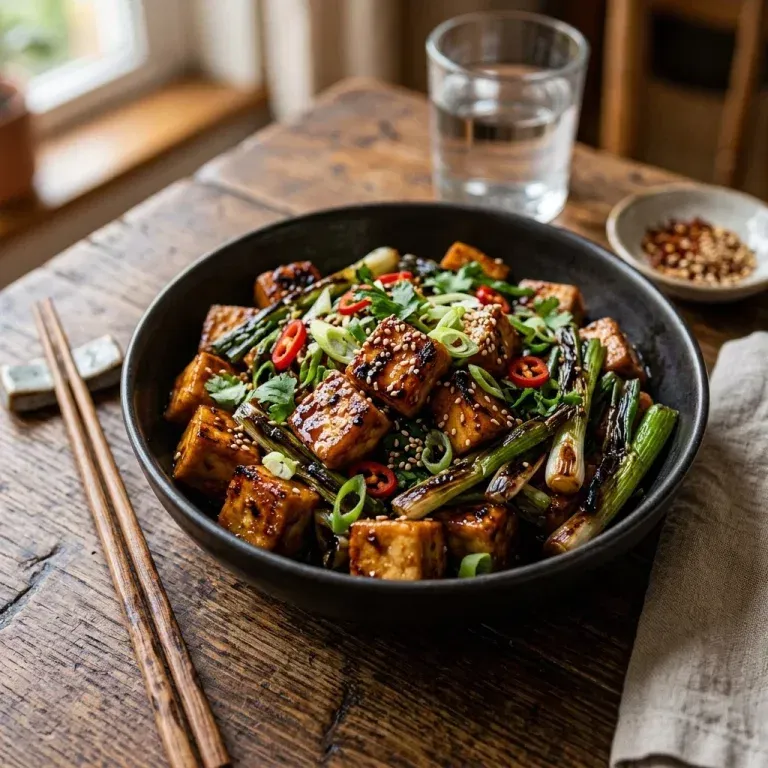
One of the best ways to keep your kitchen exciting is to treat every recipe as a modular system. You can easily pivot based on what’s in your fridge or your current dietary goals. If you're leaning into a plant-based lifestyle, swap out the chicken for extra-firm tofu or chickpeas. The cooking technique remains largely the same, crisp them up in a hot pan or air fryer to ensure they satisfy that "crunch" craving.
For those following a keto or low-carb path, replace the grain component with cauliflower rice or zoodles. The key here is to increase the healthy fat content to maintain satiety. Use avocado, extra virgin olive oil, or a handful of toasted nuts. If you find yourself in a flavor rut, change your "sauce profile." A simple lemon-tahini drizzle transforms a Mediterranean bowl into something entirely new, while a splash of soy sauce, ginger, and lime takes you toward an East Asian vibe. Check out our 15-minute meals section for more inspiration on these fast-track transitions.
The Art of Side Dish Pairing
A great main dish shouldn't stand alone, but your sides need to serve a specific purpose: balance. Use the science of flavor profiles to guide your choices. If your main dish is rich or fatty, like a creamy salmon pasta, you need acidity to "cut" through the heaviness. A bright arugula salad with a sharp lemon vinaigrette is perfect here. The acid physically breaks down the perception of fat on your palate, making each bite of the main course feel fresh again.
Conversely, if your main is lean and simple, like grilled white fish, you can afford a side with more complexity. Try roasted root vegetables or a savory grain pilaf. Always aim for a contrast in texture. If your main is soft (like a stew or a curry), pair it with something crunchy (like a raw slaw or toasted nuts). If the main is dry or crispy, add something juicy or saucy to balance the mouthfeel. This creates a sensory experience that feels complete.
Frequently Asked "What If" Questions
What if I forgot to thaw my protein?
Don't panic and don't reach for the phone to order pizza. Many thin proteins like shrimp or white fish fillets can be thawed in about 15 minutes in a bowl of cold water (keep the water running slightly or change it frequently). Alternatively, some air fryer recipes dinner methods allow you to cook directly from frozen, though you'll need to adjust the time and ensure the internal temperature is safe.
Is frozen produce actually healthy?
Yes, and sometimes it's even better than fresh. Vegetables intended for freezing are usually picked at peak ripeness and "flash-frozen" immediately, which locks in their nutritional profile. Fresh produce often spends days or weeks in transport, losing vitamins along the way. Use frozen peas, corn, and spinach as easy boosters for your healthy dinner ideas.
How do I keep my chicken or fish from drying out when I'm in a rush?
The "why" behind dry meat is usually overcooking caused by uneven thickness. Use a meat mallet to pound your chicken breasts to an even thickness before cooking. This ensures the entire piece reaches a safe temperature at the same time. For fish, use a high-heat, short-duration method. Once the flesh is opaque and flakes easily with a fork, take it off the heat immediately.
Can I really prep grains ahead of time without them getting mushy?
Absolutely. The trick is to undercook them slightly: think al dente. Once they're done, spread them out on a baking sheet to cool rapidly before putting them in an airtight container in the fridge. This prevents them from continuing to steam in the container. When you reheat them with a splash of water, they’ll reach the perfect texture. For more meal-prep tips, browse our one-pot meals category to see how to streamline your evening workflow.
Final Pro-Tips for Success
Avoid the "cluttered kitchen" trap. A messy workspace increases stress and slows you down. Adopt the "clean as you go" philosophy: while your protein is searing, wash the cutting board you used for the veggies. Check your pantry staples weekly. You should always have olive oil, lemons, garlic, and a variety of spices on hand. These are the building blocks of flavor that turn a boring plate of quick family meals into something you actually look forward to eating.
Remember, the goal isn't perfection; it's consistency. Some nights will be fancier than others, but as long as you're sticking to your template of real, whole foods, you're winning the weeknight game.
{“faq”:[{“name”:”What if I forgot to thaw my protein?”,”@type”:”Question”,”acceptedAnswer”:{“text”:”Thin proteins like shrimp or white fish can be thawed in cold water in about 15 minutes. Some air fryer methods also allow cooking directly from frozen with adjusted times.”,”@type”:”Answer”}},{“name”:”Is frozen produce actually healthy?”,”@type”:”Question”,”acceptedAnswer”:{“text”:”Yes, frozen produce is often flash-frozen at peak ripeness, locking in nutrients that fresh produce might lose during long transportation and storage.”,”@type”:”Answer”}},{“name”:”How do I keep my chicken or fish from drying out?”,”@type”:”Question”,”acceptedAnswer”:{“text”:”Pound chicken breasts to an even thickness for uniform cooking and use high-heat, short-duration methods for fish to prevent moisture loss.”,”@type”:”Answer”}}],”@type”:”BlogPosting”,”image”:”https://cdn.marblism.com/hWpxHrQyRAa.webp”,”author”:{“name”:”Penny”,”@type”:”Person”},”@context”:”https://schema.org”,”headline”:”The Ultimate Guide to Healthy Weeknight Dinners: Everything You Need to Succeed”,”publisher”:{“logo”:{“url”:”https://cookpedia.com/logo.png”,”@type”:”ImageObject”},”name”:”Cookpedia”,”@type”:”Organization”},”description”:”Learn the science and strategies behind creating healthy, quick weeknight dinners. From meal-prep blocks to flavor science, this guide covers everything for the busy home cook.”,”datePublished”:”2026-07-15″,”mainEntityOfPage”:{“@id”:”https://cookpedia.com/ultimate-guide-healthy-weeknight-dinners”,”@type”:”WebPage”}}