Recipe
Servings
Servings 1×
Ingredients
- Chicken
- Salmon
- Tofu
- Pasta
- Broccoli
- Zucchini
- Peas
- Onion
- Garlic
- Cooking oil
- Soy sauce or tamari
Method
- Let’s be honest: you didn’t sign up for a three-hour marathon in the kitchen just to get dinner on the table.
- Slice them into thin strips or small half-inch cubes.
- Use an electric kettle to boil your water first, then pour it into your pot.
- Start your heaviest hitters first.
- Use the "waiting time" of one ingredient to prepare the next.
Let’s be honest: you didn’t sign up for a three-hour marathon in the kitchen just to get dinner on the table. We’ve all been there: staring at a recipe that promises "30 minutes" only to find yourself still chopping onions an hour later while your stomach growls in protest. It’s time to reclaim your evening. Cooking shouldn't be a chore; it should be a quick win. I’ve refined a few core strategies that turn the kitchen into a high-efficiency lab, letting you whip up quick family meals that actually taste like they took effort.
The Science of Speed: Mastering Your Kitchen Efficiency
To truly master the art of the 15-minute meal, you have to stop thinking about recipes and start thinking about physics. Time is your only constraint, and these seven hacks are designed to cheat the clock using a bit of culinary science.
1. Maximize Surface Area for Rapid Heat Transfer
Physics is your best friend when you're in a rush. The larger the surface area of your food relative to its volume, the faster it cooks. When you're preparing protein, forget the whole chicken breasts or thick steaks. Slice them into thin strips or small half-inch cubes. By increasing the surface area, you allow heat to penetrate the center almost instantly. This is why a stir-fry is the king of quick meals; those tiny pieces of chicken or tofu hit the heat and are done in three minutes flat.
2. The Kettle Shortcut: Boiling Water at Warp Speed
Waiting for a giant pot of water to boil is a notorious time-sink. Stop doing it. Use an electric kettle to boil your water first, then pour it into your pot. A kettle is significantly more energy-efficient and faster because the heating element is in direct contact with the water. While the kettle is doing the heavy lifting, you can get your aromatics sizzling in a pan. This simple overlap can shave five to seven minutes off any pasta-based dish.
3. The Maillard Reaction on Overdrive
Flavor usually comes from time, specifically through the Maillard reaction: the chemical reaction between amino acids and reducing sugars that gives browned food its distinctive taste. To get this "slow-cooked" flavor in minutes, you must preheat your pan until it’s nearly smoking. If you put meat into a cold pan, it steams in its own juices, turning grey and rubbery. A blazing hot pan sears the exterior instantly, locking in moisture and creating that deep, savory crust in seconds.
4. Velveting: The Secret to Tender, Fast Protein
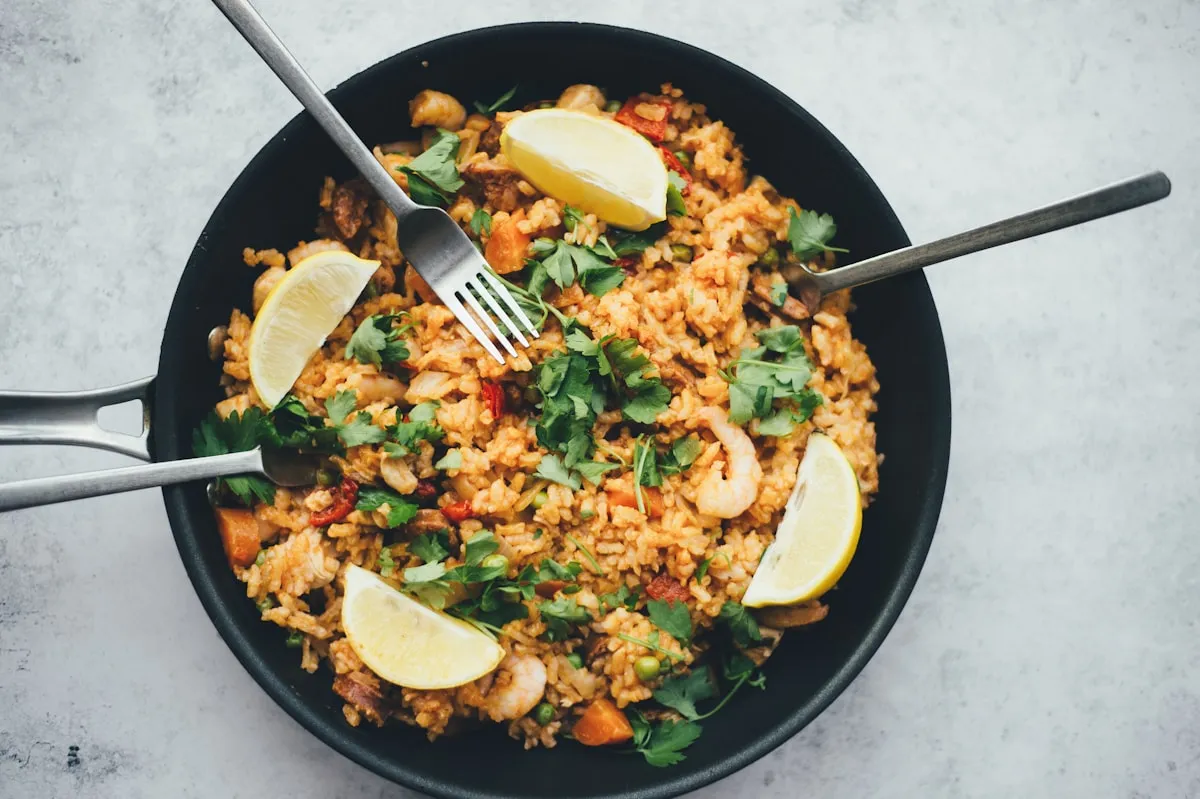
Have you ever wondered why restaurant stir-fry meat is so much more tender than yours? They use a technique called "velveting." For a 15-minute hack, toss your sliced meat with a tiny pinch of baking soda and a splash of soy sauce while you prep your veggies. The baking soda raises the pH level on the surface of the meat, preventing the proteins from bonding too tightly when they hit the heat. This keeps the meat incredibly tender even if you’re using high heat to cook it quickly.
5. Overlap Your "Mise en Place"
Traditional cooking school tells you to chop everything before you turn on the stove. When you only have 15 minutes, that’s a luxury you don't have. Start your heaviest hitters first. Get the pan hot and get the onions in. While the onions are softened, chop your peppers. While the peppers are sautéing, mince your garlic. Use the "waiting time" of one ingredient to prepare the next. This requires focus, but it’s the only way to squeeze a 30-minute process into a 15-minute window.
6. High-Heat Vegetable Charring
Don't boil or steam your vegetables; it’s slow and leaches away nutrients. Instead, toss them in a wide skillet over high heat with a bit of oil. The goal isn't to cook them through to a mushy state, but to blister the skin and keep the "snap." High, dry heat caramelizes the natural sugars in vegetables like broccoli, snap peas, and zucchini much faster than wet heat. This creates healthy dinner ideas that are vibrant and texturally satisfying.
7. Leverage Hands-Off Technology
Sometimes, the best hack is not cooking at all: at least, not manually. While we often think of "air fryer recipes dinner" as a separate category, the air fryer is actually a high-powered convection oven that circulates air so fast it mimics deep frying. You can toss seasoned sausages or salmon fillets in there, set the timer for 10 minutes, and completely walk away to prep a salad. It’s the ultimate tool for quick family meals because it eliminates the need to stand over a stove.
Variations: Swapping for Speed and Diet
The beauty of these techniques is that they are modular. You can take the "small cut" rule and apply it to almost any cuisine.
- The Mediterranean Pivot: Instead of a stir-fry, use the high-heat skillet method for cherry tomatoes and chickpeas. As the tomatoes burst, they create an instant sauce. Toss in some spinach at the very end: it wilts in 30 seconds: and serve it over quick-cooking couscous.
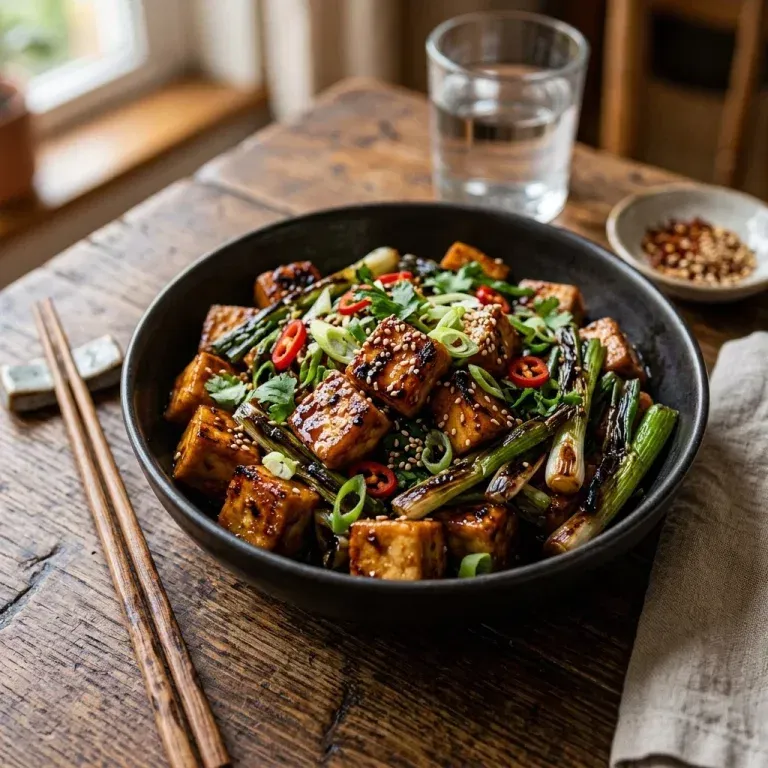
- Plant-Based Power: Tofu is the ultimate 15-minute protein because it doesn't actually need to be cooked to be safe; you’re just heating it and adding texture. Press it quickly between paper towels, cube it small, and sear it using the Maillard hack for a crisp exterior.
- Seafood Sprint: White fish like tilapia or cod fillets are thin enough to cook through in about 3-4 minutes per side. If you’re really in a rush, shrimp is the winner, turning pink and opaque in less time than it takes to toast a piece of bread.
Side Dish Pairings: Balancing the Quick Plate
When you’re cooking fast, the main dish is often rich or salty. To make these healthy dinner ideas feel complete, you need sides that offer acidity and crunch to cut through that intensity.
- The 2-Minute Slaw: Don't bother with a complex salad. Grate a carrot, slice some cabbage (or use a pre-bagged mix), and toss it with rice vinegar and a drop of toasted sesame oil. The acidity resets your palate after every bite of a savory stir-fry.
- Instant Grains: Keep microwaveable quinoa or jasmine rice packets in your pantry. They take 90 seconds and are surprisingly high quality. If you want to level them up, stir in some fresh lime zest and cilantro the moment they come out of the microwave.
- Cold Toppings: Never underestimate the power of a "topping bar." A dollop of Greek yogurt, a squeeze of fresh lime, or a handful of toasted nuts adds layers of flavor and texture that make a 15-minute meal feel like a gourmet experience.
FAQ: Solving Your 15-Minute "What Ifs"
What if my food is sticking to the pan when I use high heat?
This usually happens because you’re trying to move the food too soon. When protein hits a hot pan, it initially bonds to the metal. As the Maillard reaction occurs and a crust forms, the food will naturally "release" from the pan. If it’s sticking, wait another 30 seconds. Also, ensure your pan is properly preheated before adding the oil; cold oil in a cold pan is a recipe for a sticky mess.
Can I really get a healthy meal in 15 minutes?
Absolutely. Most people think "healthy" equals "complex," but the opposite is often true. Simple, minimally processed ingredients like fresh greens, lean proteins, and whole grains are the fastest things to cook. The key is avoiding the trap of pre-packaged "ready meals" that are loaded with sodium. Using air fryer recipes dinner techniques allows you to use less oil while still getting that satisfying crunch.
Why does my meat get tough when I cook it fast?
If you skip the "velveting" hack or use cuts that are too thick, the outside overcooks before the inside is safe to eat. High heat is for thin, small cuts. If you have a thick steak, 15 minutes isn't enough time to render the fat and soften the connective tissue. Stick to chicken breast, tenderloin, shrimp, or fish for your fastest nights.
Is it okay to use frozen vegetables for these hacks?
Not only is it okay, it’s recommended. Frozen vegetables are usually blanched before freezing, meaning they are partially cooked. They also have a high water content, which can create steam in your pan to help cook other ingredients faster. Just be sure to add them toward the end of your cooking time so they don't turn into a watery puddle.
How do I stop the "mess" that comes with high-heat cooking?
High heat can lead to oil splatter. Invest in a splatter screen: it’s a cheap mesh lid that sits on top of your pan. It lets steam escape (which is vital for browning) but stops the grease from painting your stovetop. This saves you 10 minutes of cleaning, keeping your total kitchen time under that 15-minute goal.
{“@type”:”BlogPosting”,”image”:”https://cdn.marblism.com/TP8CAQKBaJa.webp”,”author”:{“name”:”Penny”,”@type”:”Person”},”@context”:”https://schema.org”,”headline”:”Stop Wasting Time on Complicated Recipes: Try These 7 Quick 15-Minute Hacks”,”publisher”:{“logo”:{“url”:”https://cookpedia.com/logo.png”,”@type”:”ImageObject”},”name”:”Cookpedia”,”@type”:”Organization”},”description”:”Learn 7 scientific and practical hacks to get dinner on the table in 15 minutes. From maximizing surface area to the secret of velveting meat, reclaim your weeknights.”,”datePublished”:”2026-07-15″,”mainEntityOfPage”:{“@id”:”https://cookpedia.com/stop-wasting-time-15-minute-hacks”,”@type”:”WebPage”}}