Recipe
Servings
Servings 1×
Ingredients
- Tortellini
- Pasta
- Bread
- Mushrooms
- Tomatoes
- Onion
- Garlic
- Lemon
- Cream
- Hard cheese
- Cooking oil
- Black pepper
Method
- Use a heavy-based skillet or an enameled cast iron pot.
- Add a small splash of hot water or vegetable stock.
- Stir the cooked meat back in at the end.
- Use it as a vessel to scoop up any leftover sauce, but keep the portions small to let the pasta remain the star of the show.
There is a specific kind of magic that happens when you stop treating pasta water like a waste product and start treating it like liquid gold. If you are tired of the "boil, drain, sauce, wash three pots" routine, you have come to the right place. My kitchen is a sanctuary for efficiency, and this creamy tomato basil tortellini is the crown jewel of my weeknight rotation. It is rich, it is comforting, and most importantly, it leverages some serious kitchen science to get you from "I'm hungry" to "I'm happy" in under twenty minutes.
The Science of the Starch-Fat Bridge
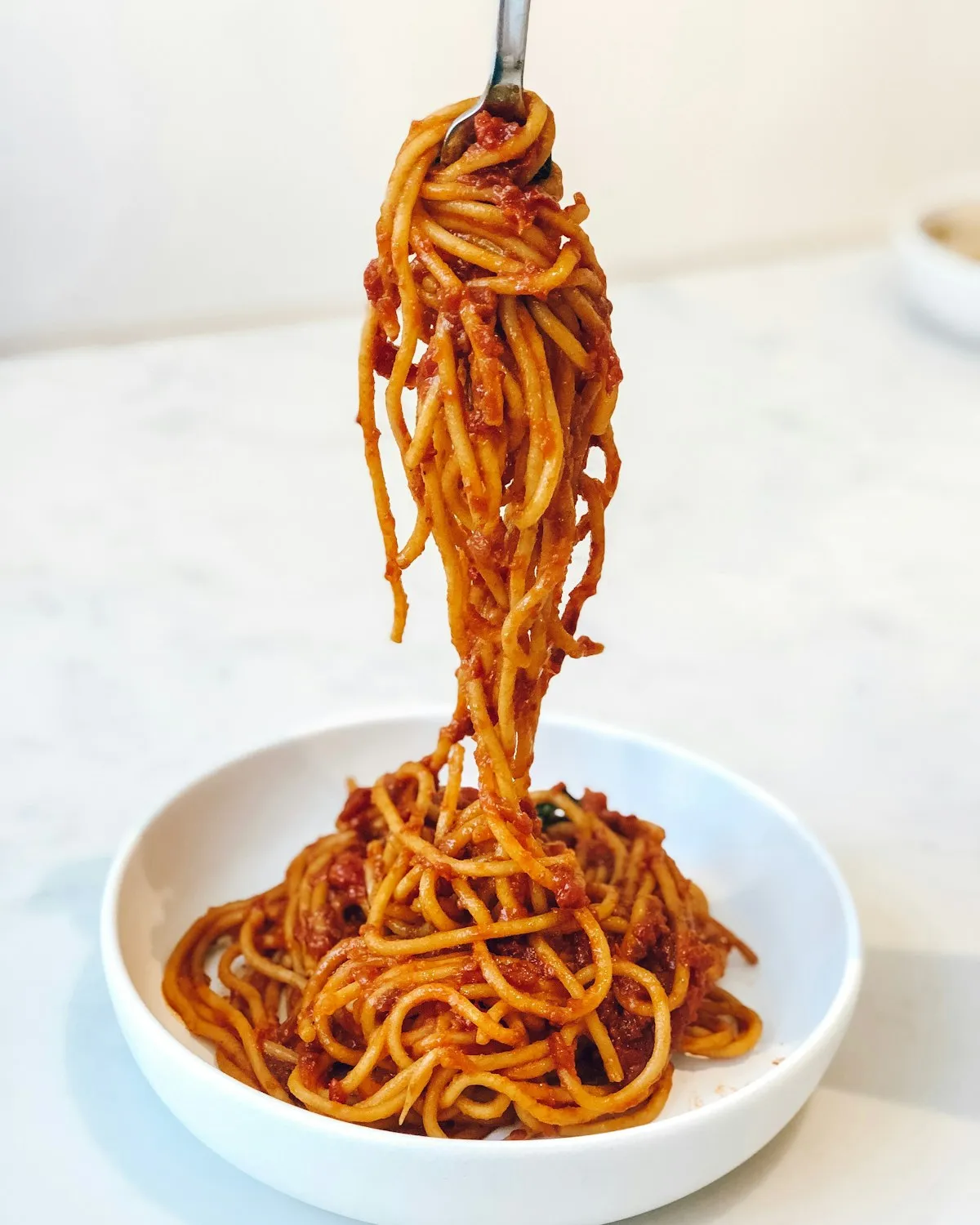
Most people think of one pot meals as a shortcut for the lazy, but in reality, they are a masterclass in emulsification. When you boil pasta in a massive gallon of water, you are diluting all that beautiful starch and pouring it straight down the drain. What a tragedy! In this recipe, we keep that starch exactly where it belongs: in the pan.
As your tortellini simmers directly in the tomato base, those little pockets of dough begin to shed starch molecules. Because we are using a limited amount of liquid, that starch concentration sky-rockets. This isn't just about thickness; it’s about chemistry. Starch acts as an emulsifier, a molecular bridge that allows the fats (from your heavy cream and Parmesan) to bond with the water-based tomato sauce. Without this starch, you’d often end up with an oily film on top of a watery sauce. With it? You get a glossy, velvet-like coating that clings to every curve of the tortellini.
Pay close attention to your heat management. Maintain a gentle simmer, think small, rhythmic bubbles rather than a violent, rolling boil. If you blast the heat, you risk scorching the delicate sugars in the tomatoes and, worse, curdling your dairy later on. Use a heavy-based skillet or an enameled cast iron pot. These vessels distribute heat evenly, preventing the "hot spots" that lead to stuck-on pasta and a broken sauce.
When it comes to the cream, timing is everything. Acids (like those in tomatoes) and high heat are the natural enemies of dairy proteins. To ensure a silk-smooth finish, lower your heat to the absolute minimum before stirring in the cream. If you use heavy cream (at least 30% fat), you have much more "grace" because the high fat content protects the proteins from clumping together. Avoid using fat-free or low-fat milk here; they lack the structural integrity to withstand the acidity of the tomato base and will likely break, leaving you with a grainy mess.
Balancing Flavor and Texture
Creating easy dinner recipes doesn't mean you should settle for flat flavors. The secret to a "restaurant-quality" sauce at home is a balance of acidity, sweetness, and umami. Tomatoes are naturally acidic, but as they cook down in a single pot, that acidity concentrates. Balance this out by sautéing your aromatics, onions and garlic, in a healthy amount of fat before you even add the liquid. This creates a base layer of savory sweetness through the Maillard reaction.
Don't ignore the importance of "fresh finishers." Basil is a volatile herb; its aromatic oils are easily destroyed by prolonged heat. If you toss the basil in at the beginning, you’ll lose that bright, peppery punch. Instead, fold it in at the very last second. The residual heat of the sauce is enough to wilt the leaves and release their fragrance without turning them into tasteless brown mush.
If you find your sauce is becoming too thick before the tortellini is fully cooked, don't panic. Add a small splash of hot water or vegetable stock. The concentrated starch in the pan will immediately "grab" the new liquid and integrate it, keeping the texture consistent. Conversely, if things look a little soupy, simply remove the lid for the last two minutes of cooking. Evaporation is your best friend when you need to tighten a sauce.
Creative Variations for Every Mood
One of the reasons this dish is a staple in my home is its incredible versatility. While the tomato-basil-cream trio is a classic, you can easily pivot based on what is lingering in your fridge.
For a spicy kick, add a generous pinch of red pepper flakes to the oil while sautéing your garlic. This "blooms" the spice, carrying the heat through the fat and ensuring every bite has a consistent glow. If you’re looking for a bit of smoky depth, try adding a tablespoon of tomato paste and letting it darken in the pan for a minute before adding your liquids. This "caramelization" of the paste adds a rich, sun-dried flavor profile that pairs beautifully with the cream.
If you want to beef it up, literally or figuratively, consider adding browned Italian sausage or sautéed mushrooms. For the sausage, brown it first in the pot, remove it, and then build the sauce in the rendered fat. Stir the cooked meat back in at the end. For a plant-based twist, use a high-quality coconut cream or a cashew-based heavy cream substitute. Just be aware that plant-based fats behave differently under heat, so keep the temperature even lower to prevent separation.
If you enjoy the technique of one-pot cooking but want something with a bit more of a kick, check out our spicy tomato basil one-pot linguine for a different take on the same scientific principles.
Perfect Pairings for a Balanced Plate
Because this dish is undeniably rich and decadent, you need a side dish that offers a sharp contrast. Think acidity and crunch. A simple arugula salad tossed in a lemon-shallot vinaigrette is the perfect foil. The bitterness of the arugula and the sharp citrus notes cut right through the heavy cream, cleansing your palate between bites.
Avoid heavy, starchy sides like potato wedges, you already have plenty of carbohydrates in the tortellini. If you absolutely must have bread (and let's be honest, we usually do), go for a thin, crispy crostini or a charred piece of sourdough. Use it as a vessel to scoop up any leftover sauce, but keep the portions small to let the pasta remain the star of the show.
If you're in the mood for something even heartier and want to use your kitchen gadgets, you might also like this kielbasa and pierogi roast, which follows the same philosophy of minimal cleanup and maximum satisfaction.
Frequently Asked Questions
Why did my sauce turn out grainy or "broken"?
This usually happens for one of two reasons: either the heat was too high when the dairy was added, or you used a low-fat milk. When milk proteins are exposed to the high acidity of tomatoes and high heat simultaneously, they tighten and clump together, this is curdling. To fix it, try whisking in a teaspoon of very hot water, but prevention is better: use heavy cream and lower the heat before adding it.
Can I use frozen tortellini instead of fresh?
Yes, but you need to adjust your liquid and time. Frozen tortellini will release more water as it thaws in the pan and will take about 3-5 minutes longer to cook than the refrigerated variety. Start with slightly less liquid than you think you need, and add more only if the sauce becomes too thick before the pasta is tender.
My sauce is too thin! How do I fix it without adding more starch?
If you've followed the "one-pot" method, the starch is already there. Simply keep the lid off and let the sauce simmer for another two minutes. The evaporation will concentrate the sauce. If you’re really in a pinch, stirring in more grated Parmesan will also act as a thickening agent, as the cheese proteins and fats help bind the liquid.
Can I make this ahead of time?
Pasta is a sponge. If you let this sit in the fridge, the tortellini will continue to absorb the sauce until you’re left with a giant, albeit delicious, block of dough. If you must make it ahead, undercook the pasta slightly and keep some extra sauce or cream on the side to loosen it up when reheating. Reheat gently on the stove with a splash of water to bring that emulsion back to life.
Is it possible to use dried tortellini?
You can, but it requires significantly more liquid and a much longer simmer (usually 12-15 minutes). Dried pasta also releases more starch, so you may find the sauce becomes "pasty" if you aren't careful. Keep extra stock or water on hand to thin it out as it cooks.
How do I stop the tortellini from breaking open?
Stir gently! Use a wooden spoon or a silicone spatula. Since the tortellini is cooking in a thick sauce rather than a vast ocean of water, there is more friction. Avoid aggressive stirring, especially once the pasta starts to soften.
Whether you are looking for easy dinner recipes for a busy Tuesday or a comforting meal for a quiet Sunday, this one-pot method is a game changer. Master the science of the starch, control your heat, and you will never go back to the old way of boiling pasta again.
{“@type”:”BlogPosting”,”image”:”https://cdn.marblism.com/ocpuA6Dy1aG.webp”,”author”:{“name”:”Penny”,”@type”:”Person”},”@context”:”https://schema.org”,”headline”:”One-Pot Creamy Tomato Basil Tortellini”,”publisher”:{“logo”:{“url”:”https://cookpedia.com/logo.png”,”@type”:”ImageObject”},”name”:”Cookpedia”,”@type”:”Organization”},”mainEntity”:{“@type”:”FAQPage”,”mainEntity”:[{“name”:”Why did my sauce turn out grainy or ‘broken’?”,”@type”:”Question”,”acceptedAnswer”:{“text”:”This usually happens if the heat was too high when the dairy was added, or if low-fat milk was used. Acid and high heat cause milk proteins to curdle. Use heavy cream and lower the heat before mixing.”,”@type”:”Answer”}},{“name”:”Can I use frozen tortellini instead of fresh?”,”@type”:”Question”,”acceptedAnswer”:{“text”:”Yes, but frozen tortellini takes 3-5 minutes longer to cook. Monitor your liquid levels as frozen pasta releases its own moisture during the cooking process.”,”@type”:”Answer”}},{“name”:”My sauce is too thin! How do I fix it?”,”@type”:”Question”,”acceptedAnswer”:{“text”:”Simmer the sauce with the lid off for 1-2 minutes to allow for evaporation. Alternatively, adding more grated Parmesan can help thicken the sauce through its proteins and fats.”,”@type”:”Answer”}}]},”description”:”Learn the science behind making the perfect One-Pot Creamy Tomato Basil Tortellini. Discover how starch helps create a glossy, emulsified sauce without the mess of multiple pots.”,”datePublished”:”2026-05-22″}