Recipe
Servings
Servings 1×
Ingredients
- Ground turkey
- Chickpeas
- Black beans
- Beans
- Pasta
- Noodles
- Tortillas
- Greens
- Corn
- Lime
- Honey
- Cream
- Salt
Method
- Brown your beef or turkey thoroughly until you see those deep, caramelized brown bits on the bottom of the pan.
- Use a wide, heavy-bottomed skillet to ensure even heat distribution and maximize the surface area for browning.
- Stir the pot at the two-minute and six-minute marks.
You know those nights when the thought of washing three different pans makes you want to order takeout and call it a day? I’ve been there more times than I care to admit. That’s exactly why I’ve become obsessed with one pot meals. This One-Pot Taco Pasta is the ultimate solution for anyone craving bold, zesty flavors without the mountain of dishes. It’s creamy, comforting, and packs all the punch of a taco into a single skillet, making it one of those easy dinner recipes you’ll find yourself returning to at least once a week.
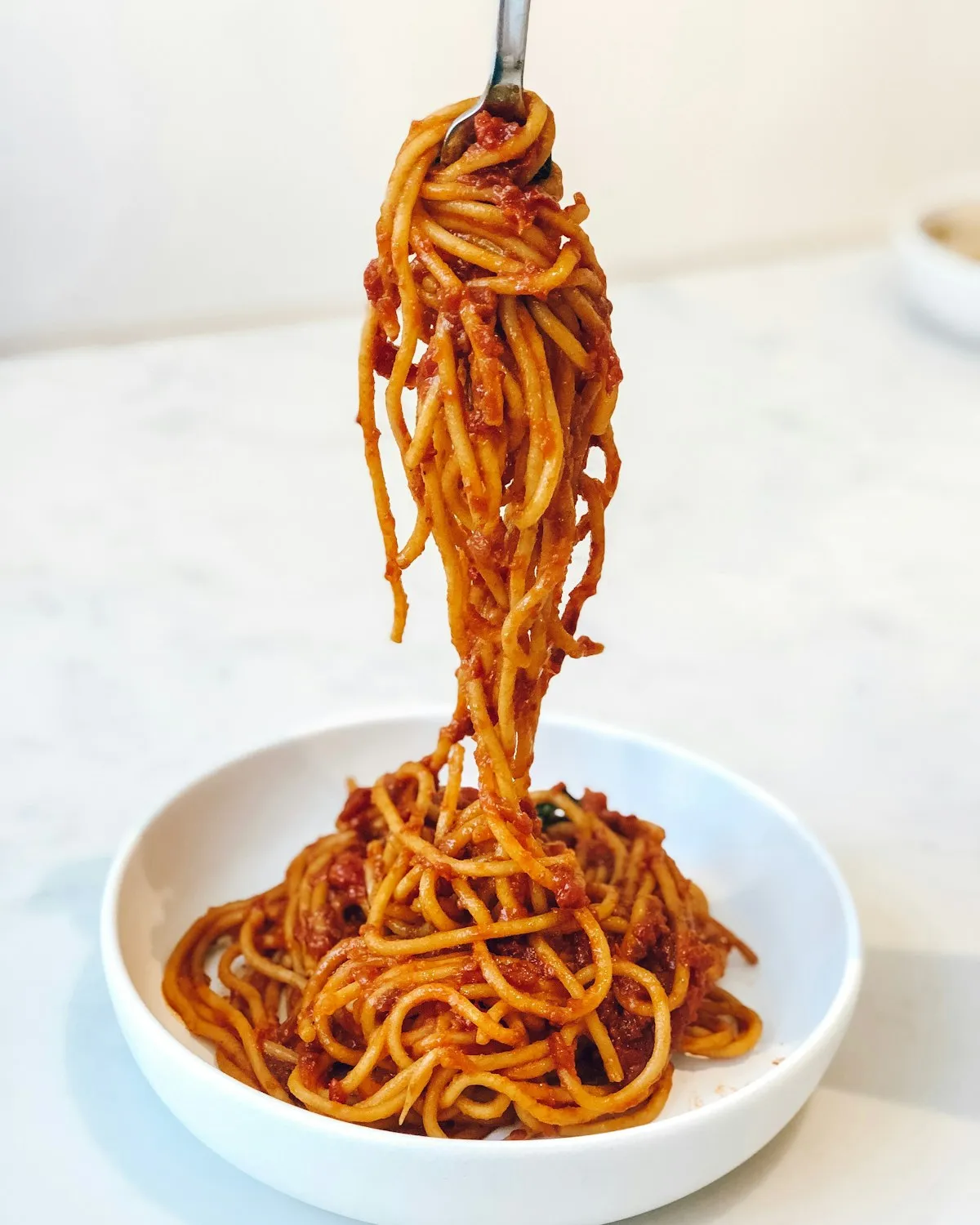
The Science of the Single Skillet
The magic of this dish isn't just in the spices; it’s in the starch. When you boil pasta in a giant pot of water and drain it, you’re literally pouring the "liquid gold" down the sink. That cloudy water is packed with starch, which is the secret to a professional-grade sauce. By cooking the pasta directly in the sauce, you harness every single molecule of that starch to create a thick, glossy emulsion that clings to every noodle.
Focus on the Maillard reaction first. Brown your beef or turkey thoroughly until you see those deep, caramelized brown bits on the bottom of the pan. This isn't just "cooking the meat"; it’s building a foundation of savory complexity. Use a wide, heavy-bottomed skillet to ensure even heat distribution and maximize the surface area for browning. Once the meat is browned, drain the excess fat, but leave about a tablespoon behind to bloom your spices.
When you add your liquid: a mix of broth and tomato base: pay close attention to the ratios. You want just enough liquid to hydrate the pasta without drowning it. As the pasta simmers, it releases amylose and amylopectin into the liquid. This creates a "net" that traps fat and moisture together, preventing your cheese from clumping or turning oily. Maintain a gentle simmer rather than a violent boil. A hard boil can break the delicate pasta shapes and cause the sauce to separate.
Stir the pot at the two-minute and six-minute marks. This prevents the pasta from sticking to the bottom while ensuring the starch is evenly distributed throughout the pan. Think of this process as a simplified version of our spicy tomato basil linguine technique, where the starch concentration is the hero of the dish.
Balancing the Heat and Cream
A great taco pasta is all about the push and pull between richness and acidity. While the cheese and sour cream provide a luxurious mouthfeel, you need a sharp hit of acid to cut through that weight. This is why you should always wait until the very end to add your lime juice. High acidity can actually inhibit starch gelatinization if added too early, leading to crunchy pasta even after a long simmer.
For quick family meals, you can easily swap the ground beef for ground turkey or even a plant-based crumble. If you’re leaning into healthy dinner ideas, try incorporating more black beans or corn directly into the pot during the last five minutes of cooking. This adds fiber and texture without requiring extra steps.
Consider adding a touch of smokiness. A small spoonful of chipotle in adobo or a dash of smoked paprika can transform the flavor profile from "simple weeknight" to "gourmet comfort." If you find the sauce is getting too thick before the pasta is al dente, add a splash of hot broth. Avoid adding cold liquid, as it drops the temperature and disrupts the cooking cycle of the starch.
Creative Variations for Every Palate
Don’t feel boxed in by the classic taco flavor profile. You can pivot this dish in several directions depending on what’s in your pantry. If you prefer a "Taco Tuesday" vibe with a kick, stir in some pickled jalapeños and top with a mountain of fresh cilantro and radishes. The crunch of the radish provides a necessary texture contrast to the soft pasta.
For those who love a bit of crunch, try crushing some tortilla chips over the top just before serving. Or, if you have a bit of extra time, use your air fryer to make quick corn strips. While the air fryer is often reserved for air fryer recipes dinner staples like sausage and peppers, it’s actually a fantastic tool for creating crispy garnishes that elevate easy dinner recipes.
If you're aiming for a leaner version, use a high-protein chickpea pasta. Just be aware that bean-based pastas release starch differently and may require a bit more liquid and a shorter cooking time. Always check the pasta a few minutes before the package directions suggest to ensure you hit that perfect al dente texture.
Perfect Side Dish Pairings
While this pasta is a powerhouse on its own, a bright side dish can make the meal feel complete. A simple Mexican street corn salad (Esquites) is a classic choice. The sweetness of the corn and the saltiness of the cotija cheese complement the spicy notes of the pasta beautifully.
Alternatively, a crisp cabbage slaw with a honey-lime dressing provides a refreshing palate cleanser between bites of the rich, cheesy pasta. If you’re looking for something warm, try some air fryer roasted vegetables seasoned with a bit of cumin and salt. The roasted edges add an earthy depth that pairs well with the bright tomato and spice notes of the main dish.
Frequently Asked Questions
Why did my pasta turn out mushy?
Mushy pasta is usually the result of one of two things: too much liquid or a cooking temperature that was too low. If the pasta sits in warm liquid for too long without reaching a simmer, the outer layers hydrate and break down before the core is cooked. Always ensure your liquid is at a gentle simmer before adding the pasta, and keep it there throughout the process.
Can I make this dish ahead of time?
One-pot pastas are best enjoyed fresh because the starch continues to absorb liquid even after you turn off the heat. If you must make it ahead, undercook the pasta slightly (very al dente) and leave the sauce a bit thinner than you’d like. When reheating, add a splash of broth or water to loosen the emulsion and restore that creamy texture.
My cheese clumped and didn't melt smoothly. What happened?
This is a classic temperature issue. If you add cheese to a boiling-hot pan, the proteins in the cheese can seize and clump together, separating from the fat. To prevent this, remove the pan from the heat and let it sit for a minute or two before stirring in your cheese. Using freshly grated cheese rather than pre-shredded bags also helps, as pre-shredded cheese is often coated in potato starch or cellulose that prevents it from melting smoothly into a sauce.
How do I store and reheat leftovers?
Store leftovers in an airtight container in the fridge for up to three days. When reheating, use the stovetop or a microwave, but always add a tablespoon or two of water or milk first. This moisture is necessary because the pasta will have absorbed most of the sauce while sitting in the fridge. For a quick hack, you can even use leftover taco pasta as a filling for hearty burritos the next day: it’s one of those quick family meals that keeps on giving!
Is this a good option for healthy dinner ideas?
Absolutely. To keep it on the lighter side, use lean ground poultry, double the amount of vegetables (like bell peppers and spinach), and swap the sour cream for plain Greek yogurt. You still get that hit of one pot meals comfort without the heavy calorie count.
{“faq”:{“@type”:”FAQPage”,”mainEntity”:[{“name”:”Why did my pasta turn out mushy?”,”@type”:”Question”,”acceptedAnswer”:{“text”:”Mushy pasta usually results from too much liquid or a cooking temperature that was too low. Ensure the liquid is at a gentle simmer before adding pasta and maintain that heat throughout.”,”@type”:”Answer”}},{“name”:”Can I make this dish ahead of time?”,”@type”:”Question”,”acceptedAnswer”:{“text”:”It’s best fresh, but if making ahead, undercook the pasta slightly. Add a splash of liquid when reheating to restore the creamy sauce texture.”,”@type”:”Answer”}},{“name”:”My cheese clumped and didn’t melt smoothly. What happened?”,”@type”:”Question”,”acceptedAnswer”:{“text”:”Adding cheese to boiling liquid can cause proteins to seize. Remove the pan from heat for 1-2 minutes before stirring in cheese, and use freshly grated cheese for the best results.”,”@type”:”Answer”}}]},”@type”:”BlogPosting”,”image”:”https://cdn.marblism.com/f9C4AZhdr4W.webp”,”author”:{“name”:”Cookpedia”,”@type”:”Organization”},”@context”:”https://schema.org”,”headline”:”One-Pot Taco Pasta”,”publisher”:{“logo”:{“url”:”https://cookpedia.com/logo.png”,”@type”:”ImageObject”},”name”:”Cookpedia”,”@type”:”Organization”},”description”:”Learn the science behind the perfect One-Pot Taco Pasta. Discover how starch emulsification creates a creamy sauce and how to balance zesty taco flavors in a single skillet.”,”datePublished”:”2026-05-22″,”mainEntityOfPage”:{“@id”:”https://cookpedia.com/one-pot-taco-pasta”,”@type”:”WebPage”}}