Recipe
Servings
Servings 1×
Ingredients
- Chicken
- Chickpeas
- White beans
- Beans
- Pasta
- Noodles
- Greek yogurt
- Tortillas
- Bread
- Broccoli
- Spinach
- Kale
- Garlic
- Lemon
- Cream
- Hard cheese
- Cooking oil
- Salt
Method
- Prepare the ingredients described in the article and heat the cooking surface or oven as directed.
- Cook the main ingredients using the heat and timing guidance in the article.
- Finish with the seasonings and garnishes named in the article, then serve.
You know that feeling when you crave the creamy, decadent soul of a spinach-artichoke dip but your stomach is screaming for an actual meal? I’ve been there. You want the comfort, the tang, and the silkiness, but you don't want to spend forty minutes standing over a stove or: heaven forbid: scrubbing three different pots after a long Tuesday. This is where the magic of one pot meals saves your sanity. We are taking the world’s favorite party appetizer and transforming it into a sophisticated, starch-powered dinner that cleans up in minutes.
The beauty of this dish isn't just in the flavor; it’s in the efficiency. By cooking the pasta directly in a measured amount of liquid, we aren't just boiling noodles; we are creating a concentrated flavor base that thickens itself. It’s smart, it’s fast, and it’s about to become your new favorite in the rotation of easy dinner recipes.
The Science of the One-Pot Emulsion
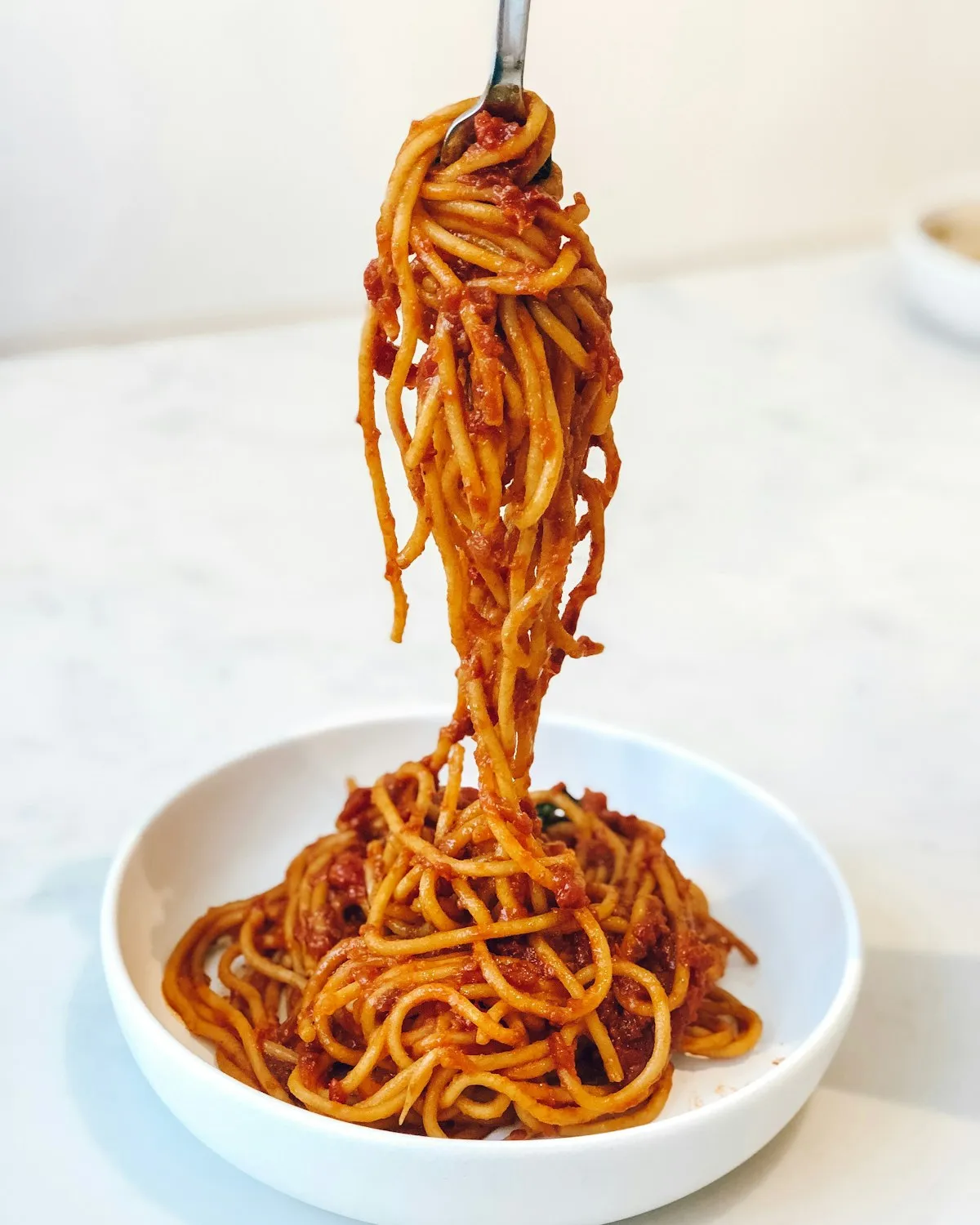
If you’ve ever wondered why restaurant pasta has that glossy, velvety sheen that your home-cooked versions lack, the answer is starch. Specifically, the concentrated starch water that usually gets dumped down your sink. When you cook pasta in a massive pot of boiling water, you dilute that precious starch to the point of uselessness. In a one-pot setting, however, we use a minimal amount of liquid. This turns the cooking water into a liquid "gold" that acts as a bridge between the fats (cheese and oil) and the liquids (water or stock).
This process is called emulsification. Without starch, melted cheese tends to clump together into a sad, rubbery ball, while the oil separates and floats on top. By keeping the starch in the pan, those long-chain carbohydrates wrap around the cheese proteins, keeping them from bonding to each other. This results in a sauce that is stable, smooth, and incredibly rich. Think of it as a chemical hug for your dinner.
Temperature control is your best friend here. Don't let the pot reach a violent, rolling boil. A gentle simmer is all you need to hydrate the pasta without bashing it into mush. If the heat is too high, the water evaporates too quickly, leaving you with crunchy noodles and a scorched bottom. Keep the heat moderate and stir often during the first few minutes. This prevents the initial release of surface starch from acting like glue and sticking your pasta to the pan.
Another scientific "must-know" involves the timing of your acidity. Artichokes and lemons bring the necessary brightness to cut through the heavy creaminess of the cheese, but adding too much acid too early can actually interfere with how the pasta cooks. High acidity can inhibit the gelatinization of starch, meaning your pasta might stay tough no matter how long you boil it. Save the big splash of lemon juice for the very end. This ensures the pasta reaches that perfect al dente texture while the lemon's volatile oils stay fresh and punchy rather than cooking away into a dull background note.
Level Up Your One-Pot Technique
To master this dish, you need to treat the artichokes as more than just a topping. Use marinated artichokes if you can find them. The oil and herbs they’ve been sitting in are packed with flavor that bridges the gap between the vegetable and the sauce. When you sauté them briefly with your garlic and shallots before adding the water, you’re performing a "flavor extraction." You’re pulling those oil-soluble aromatics out and spreading them through the entire pot.
Don't be afraid to let the liquid look a little too thick as the pasta nears completion. The residual heat will continue to absorb moisture even after you pull the pan off the burner. If you wait until the pot looks "perfect" to stop cooking, you’ll likely end up with a dry, sticky mess by the time you sit down to eat. Aim for a slightly saucy consistency: the kind that flows like heavy cream: then let it rest for sixty seconds before adding your cheese.
Speaking of cheese, use the good stuff. Pre-shredded cheese is coated in cellulose (wood pulp) to prevent clumping in the bag. While that’s great for the grocery store shelf, it’s a nightmare for your emulsion. That coating prevents the cheese from melting into the sauce, leading to a grainy texture. Buy a wedge of Parmesan or Pecorino and grate it yourself. The difference in meltability and flavor is non-negotiable if you want that professional finish.
Delicious Variations for Every Mood
While the classic spinach and artichoke profile is hard to beat, you can easily adapt this base for more healthy dinner ideas. If you want a protein boost, thinly sliced chicken breast can be sautéed at the very beginning and set aside, then tossed back in at the end. The residual heat of the pasta will finish it off without making it rubbery. For a plant-based twist, a handful of chickpeas or white beans adds a lovely creaminess and a hit of fiber without changing the soul of the dish.
If you like a bit of heat, don't just settle for a sprinkle of red pepper flakes at the table. Sauté them with the garlic to bloom the spices in the oil. This infuses the heat throughout the entire sauce rather than just hitting you in isolated spicy "pockets." If you want to experiment with different greens, kale or chard work beautifully, though they require a few extra minutes in the pot compared to the delicate, quick-wilting nature of spinach.
For those looking for a lighter touch, you can swap half of the cheese for a dollop of Greek yogurt or ricotta at the very end. This maintains the creamy mouthfeel but adds a tangy brightness that feels a bit more "springtime" than "winter comfort." Just remember the golden rule: add these dairy components off the heat to prevent them from breaking or curdling.
Perfect Pairings to Balance the Plate
Because this pasta is inherently rich and savory, your side dishes should focus on high acidity and crisp textures. A simple arugula salad is my top recommendation. The peppery bite of the leaves and a sharp lemon vinaigrette provide a necessary "reset" for your palate between bites of creamy pasta. Avoid heavy dressings like ranch or caesar; you already have plenty of fat and cream on the main plate.
If you’re craving more vegetables, roasted broccoli with a heavy dusting of lemon zest and sea salt is a winner. The charred bits of the broccoli florets add a smoky dimension that plays surprisingly well with the artichokes. If you’re feeling particularly indulgent, a thick slice of sourdough bread toasted with a little garlic and olive oil is perfect for swiping up any leftover sauce from the bottom of the bowl. For more inspiration on quick sides, check out our Spicy Tomato Basil One-Pot Linguine guide, which explores similar flavor-balancing techniques.
Frequently Asked Questions
What if my sauce is too thick?
Don't panic. This is the most common "oops" in the world of one pot meals. If the pasta has absorbed too much liquid, simply stir in a tablespoon of hot water or stock at a time until you reach your desired consistency. The starch is already there; it just needs a little more hydration to loosen up.
Can I use frozen spinach instead of fresh?
Absolutely. Just make sure you thaw it and squeeze out as much water as humanly possible before adding it to the pot. Frozen spinach holds a surprising amount of liquid, and if you don't drain it, you'll end up with a watery, gray sauce instead of a vibrant, creamy one.
Why did my cheese turn into a stringy ball?
You likely added the cheese while the pot was still boiling or on active high heat. High heat causes the proteins in the cheese to tighten and squeeze out their fat, leading to that "clumpy" texture. Always take the pot off the heat, let it sit for a minute, and then stir in your cheese gradually.
Is this dish okay for leftovers?
One-pot pastas are best enjoyed immediately because the starch continues to thicken as it cools. If you do have leftovers, the sauce will likely solidify in the fridge. To reheat, add a splash of milk or water and microwave it in 30-second intervals, stirring in between to re-emulsify the sauce. It won't be quite as glossy as day one, but it will still be delicious.
Can I use any pasta shape?
Short, tubular shapes like penne, rigatoni, or fusilli are the champions of easy dinner recipes because they have nooks and crannies that trap the sauce. Long noodles like spaghetti can work, but they are more prone to sticking together in a one-pot environment. If you use long noodles, be extra diligent with your stirring during the first three minutes of cooking.
Do I need to use stock, or is water fine?
Water is perfectly fine, especially since the artichoke marinade and cheese provide so much flavor. However, using a low-sodium vegetable or chicken stock will add an extra layer of savory depth. If you use stock, just be mindful of your salt additions: you can always add more salt later, but you can't take it out once it's in there. If you're looking for other ways to simplify your kitchen routine, you might also enjoy our Kielbasa Pierogi Air Fryer Roast for another low-effort, high-reward meal.
{“@type”:”BlogPosting”,”image”:[“https://cdn.marblism.com/one-pot-spinach-artichoke-pasta-hero.webp”],”author”:{“name”:”Cookpedia”,”@type”:”Organization”},”@context”:”https://schema.org”,”headline”:”One-Pot Spinach & Artichoke Pasta”,”keywords”:”one pot meals, easy dinner recipes, healthy dinner ideas”,”publisher”:{“logo”:{“url”:”https://cdn.marblism.com/cookpedia-logo-stylized-lemon-green-yellow.webp”,”@type”:”ImageObject”},”name”:”Cookpedia”,”@type”:”Organization”},”description”:”Master the science of the one-pot emulsion with this creamy spinach and artichoke pasta. A fast, easy, and healthy dinner idea for busy weeknights.”,”datePublished”:”2026-05-22″,”mainEntityOfPage”:{“@id”:”https://cookpedia.com/one-pot-spinach-artichoke-pasta”,”@type”:”WebPage”}}