Recipe
Servings
Servings 1×
Ingredients
- Chicken
- Pork
- Ground turkey
- Penne
- Pasta
- Noodles
- Bread
- Broccoli
- Spinach
- Kale
- Tomatoes
- Onion
- Garlic
- Lemon
- Cream
- Hard cheese
- Cooking oil
- Salt
Method
- Let’s be honest: your kitchen sink is tired of being the center of attention.
- Use a heavy-bottomed pot, ideally a Dutch oven, to achieve an even sear.
- Use a medium-low simmer once the pasta is in.
- Stir frequently in the first three minutes; this is when the surface starches are most "sticky" before they fully gelatinize.
- Add dry tomatoes into the pot along with your liquid so they have the full cooking time of the pasta to rehydrate.
- Season only at the very end after you’ve tasted the finished sauce.
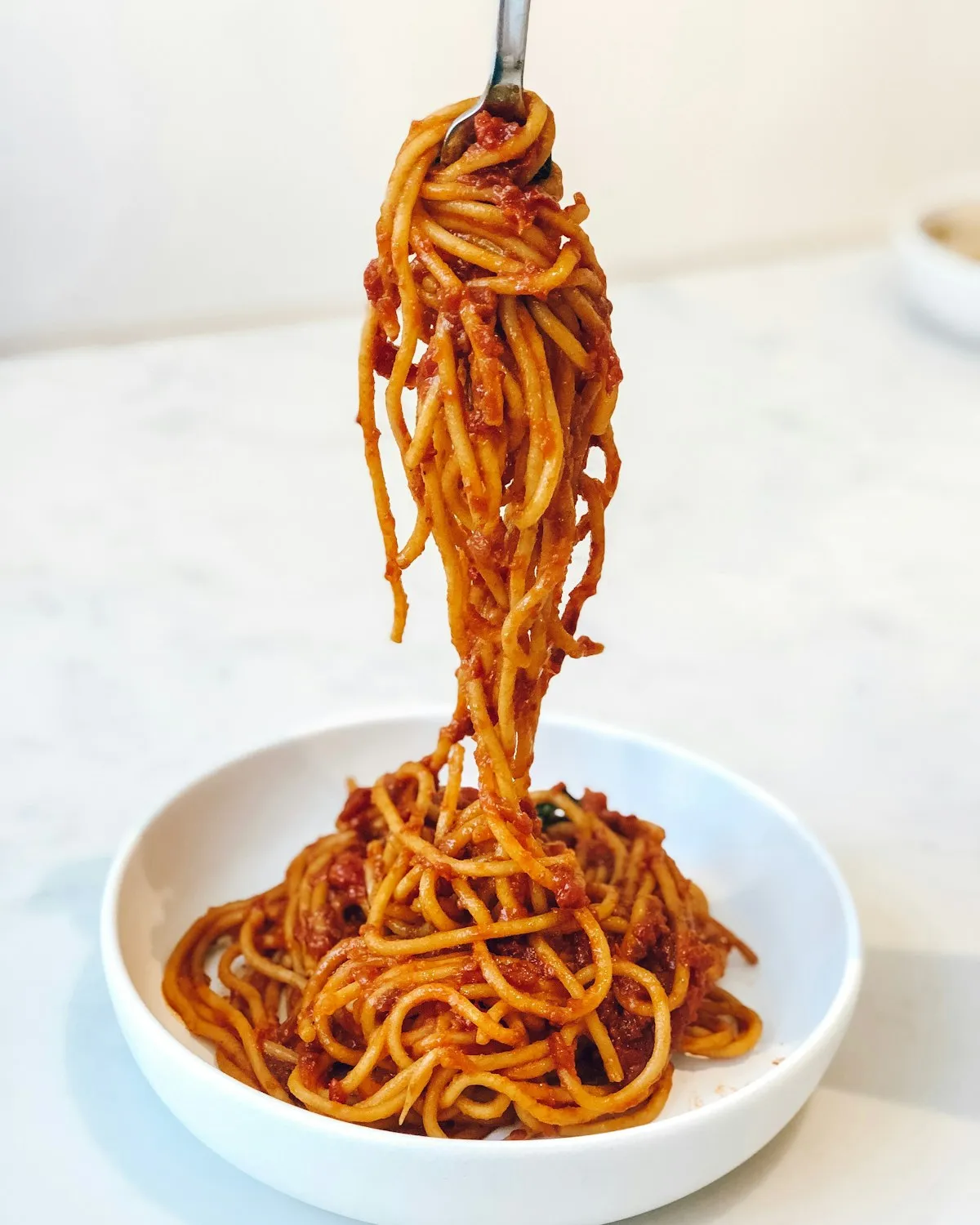
Let’s be honest: your kitchen sink is tired of being the center of attention. Between the colander, the boiling pot, and that separate pan for the sauce, a "simple" pasta night often turns into a cleanup marathon. I’m here to tell you that it doesn't have to be that way. My One-Pot Sausage & Sundried Tomato Pasta is the ultimate answer for those looking for easy dinner recipes that don't skimp on depth. We’re going to harness a bit of kitchen science to transform a handful of pantry staples into a silky, restaurant-quality meal using just one vessel.
The Science of the Single Pot: Emulsions and Aromatics
The magic of one pot meals isn't just about saving time on the dishes; it’s about starch management. When you boil pasta in a massive gallon of water and drain it, you are literally pouring the "liquid gold" of cooking down the drain. In a one-pot setting, that starch stays exactly where you want it: in your sauce.
The Maillard Mastery
The first non-negotiable rule is the browning of your sausage. Use a heavy-bottomed pot, ideally a Dutch oven, to achieve an even sear. This is the Maillard reaction in action, a chemical reaction between amino acids and reducing sugars that creates hundreds of flavor compounds. You aren't just "cooking" the meat; you are building a savory foundation. Check for the "fond", those brown, caramelized bits stuck to the bottom of the pot. Do not wash those away! They are the soul of your sauce.
Deglazing and Emulsification
Once your aromatics, onions, garlic, and those concentrated sun-dried tomatoes, hit the pan, the oil acts as a solvent for flavor. Sun-dried tomatoes are umami bombs, packed with natural glutamates that mimic the savory intensity of meat. If you use oil-packed tomatoes, use a tablespoon of that infused oil to sauté your aromatics.
When you add your liquid, whether it’s a splash of white wine or your broth, you are "deglazing." This liquid lifts the fond off the bottom and incorporates it into the sauce. As the pasta simmers, it releases amylose and amylopectin (starches) into the liquid. Because you’re using a measured amount of liquid, roughly a 2:1 ratio of liquid to pasta by weight, this starch concentrates. It acts as a natural emulsifier, binding the fat from the sausage and any added cream into a stable, glossy coating that clings to every noodle. This is a technique I also explore in my guide on achieving the perfect glossy sauce.
Heat Management and Sticking
Because this sauce is so starch-heavy, it is prone to sticking. Use a medium-low simmer once the pasta is in. If you boil it too hard, the liquid evaporates before the pasta can absorb it, leaving you with a burnt bottom and crunchy noodles. Stir frequently in the first three minutes; this is when the surface starches are most "sticky" before they fully gelatinize.
Flavor Variations: Tuning the Pot
While the sausage and sun-dried tomato combo is a classic, you can treat the one-pot method as a template for other easy dinner recipes.
- The Heat Seekers: If you want more kick, use a spicy Italian sausage and double down on the red pepper flakes. The heat is tempered beautifully by the creaminess of the finished sauce.
- The Lean Choice: Swap pork sausage for a high-quality chicken or turkey sausage. Note that these are leaner, so you may need to add a touch more olive oil to the pan during the browning phase to ensure you get that necessary Maillard browning. If you're a fan of chicken-based shortcuts, you might also like my air fryer sausage and pepper medley.
- Veggie Integration: If you want to bulk up the nutrition, fold in a few handfuls of baby spinach or chopped kale right at the end. The residual heat from the pasta will wilt the greens in about 60 seconds without overcooking them into a soggy mess.
Balancing the Richness: Side Dish Pairings
A one-pot pasta is, by nature, very rich. You have fats from the sausage, natural sugars from the tomatoes, and a concentrated starch sauce. To make this a balanced meal, you must introduce acidity and bitterness.
Avoid heavy sides like garlic bread, which just add starch to starch. Instead, opt for a crisp arugula salad dressed simply with fresh lemon juice and a high-quality extra virgin olive oil. The peppery bite of the arugula cuts right through the creamy sauce, while the lemon juice provides the necessary acid to reset your palate between bites. If arugula isn't your favorite, a side of roasted broccolini with a heavy dusting of lemon zest and red pepper flakes provides a bitter-charred contrast that works brilliantly.
One-Pot FAQ: Troubleshooting Your Dinner
Why is my pasta mushy while the sauce is still watery?
This usually happens if you use too much liquid or the wrong type of pasta. Stick to "tougher" shapes like penne, rigatoni, or rotini. Thin pastas like angel hair will give up the ghost long before your sauce has had time to reduce. Also, check the package's "al dente" time and start tasting two minutes before that.
The bottom of my pot is scorched! What happened?
Your heat was too high, or you weren't stirring enough. One pot meals require a gentle simmer, not a rolling boil. If you see the liquid disappearing too fast, add a splash of hot water immediately and turn the heat down.
Can I use pre-shredded Parmesan cheese?
Absolutely not. Pre-shredded cheese is coated in potato starch or cellulose to prevent clumping in the bag. That same coating will prevent the cheese from melting into your sauce, leaving you with a gritty, clumpy mess. Grate your own cheese off the block. It’s a non-negotiable for a silky finish.
My sauce looks oily and separated. Can I fix it?
Separation happens when the emulsion breaks, often due to high heat after adding dairy. If this happens, remove the pot from the heat and add a tablespoon of very hot water, whisking or stirring vigorously. The extra moisture and agitation can often pull the emulsion back together.
Is it okay to use dry-packed sun-dried tomatoes?
Yes, but you need to give them a head start. Add dry tomatoes into the pot along with your liquid so they have the full cooking time of the pasta to rehydrate. If you add them at the end, they’ll be like eating bits of leather.
Do I need to salt the water like I do for traditional pasta?
Be careful here. Since the water doesn't get drained, every grain of salt you add stays in the dish. Between the salty sausage, the broth, and the Parmesan, you likely won't need much extra salt. Season only at the very end after you’ve tasted the finished sauce.
{“@type”:”BlogPosting”,”image”:”https://cdn.marblism.com/NxEJ3QdPxyT.webp”,”author”:{“name”:”Penny”,”@type”:”Person”},”@context”:”https://schema.org”,”headline”:”One-Pot Sausage & Sundried Tomato Pasta”,”publisher”:{“logo”:{“url”:”https://cookpedia.com/logo.png”,”@type”:”ImageObject”},”name”:”Cookpedia”,”@type”:”Organization”},”description”:”Learn the science behind perfect one-pot pasta. This guide covers emulsification, browning techniques, and how to achieve a glossy sauce with sausage and sun-dried tomatoes.”,”datePublished”:”2026-05-22″,”mainEntityOfPage”:{“@id”:”https://cookpedia.com/one-pot-sausage-sundried-tomato-pasta”,”@type”:”WebPage”}}