Recipe
Servings
Servings 1×
Ingredients
- Chicken
- Penne
- Pasta
- Noodles
- Tomatoes
- Onion
- Lemon
- Cream
- Hard cheese
Method
- Use a wide skillet to avoid overcrowding.
- Keep your heat at a steady simmer, not a violent boil.
- Stir occasionally, but not constantly.
If you’re anything like me, your weeknights are a delicate dance between "I want a real meal" and "I have exactly zero energy to wash five different pans." Enter the savior of modern domesticity: the one-pot meal. Specifically, this Cajun Chicken and Sausage Pasta Skillet. It’s loud, it’s spicy, it’s unapologetically creamy, and it all happens in one single vessel. You get all the comfort of a slow-cooked ragu in a fraction of the time, making it a standout among easy dinner recipes for those who refuse to compromise on flavor just because the clock is ticking.
The Science of the Skillet: Why This Method Works
Cooking everything in one pan isn't just about saving your manicure from the dish scrubber; it’s actually a superior way to build flavor. Most people boil pasta in a giant vat of salted water, dump that liquid gold down the drain, and then try to force a sauce to stick to the noodles. We’re smarter than that. By simmering the pasta directly in the sauce, you’re utilizing the starch that naturally sheds from the grain. This starch acts as a bridge between the fats (your cream and cheese) and the liquids (the broth and tomato juice), creating a silky, emulsified sauce that clings to every ridge of your penne.
Respect the Sear and the Fond
First and foremost: Brown your meat properly. Do not just "cook" it; sear it. When you toss your seasoned chicken and sliced sausage into a hot skillet, the Maillard reaction takes over. This chemical reaction between amino acids and reducing sugars creates that deep, savory crust and leaves behind those precious brown bits on the bottom of the pan, what the French call fond.
Use a wide skillet to avoid overcrowding. If you dump too much meat in at once, the temperature drops, moisture releases, and you end up steaming your chicken in its own juices. Steamed chicken is sad; seared chicken is a revelation. Once you remove the meat, those browned bits are your secret weapon. When you add your aromatics like bell peppers and onions, their moisture will help you deglaze the pan, pulling all that concentrated flavor back into the heart of the dish.
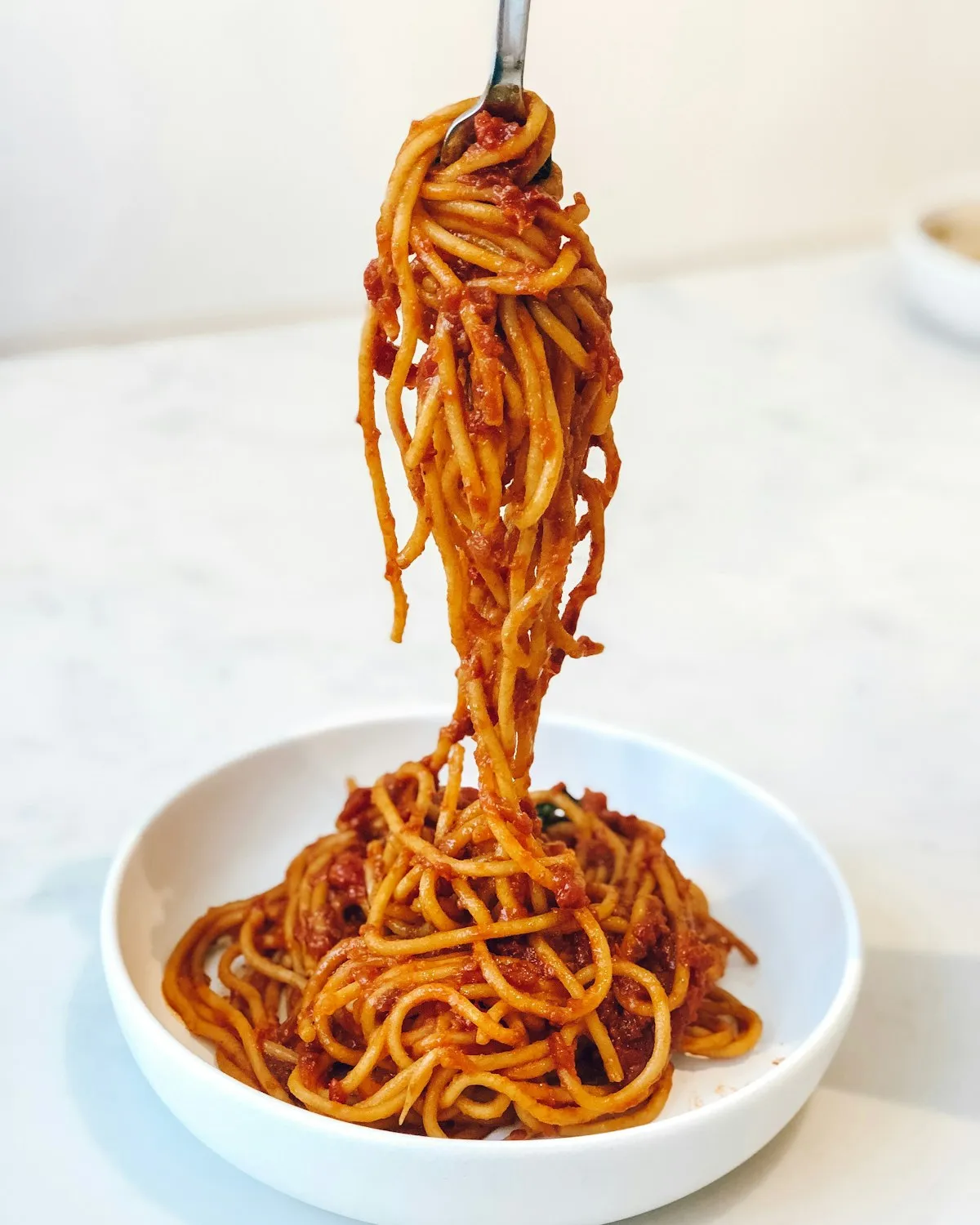
Starch Management and Liquid Ratios
The biggest fear with one pot meals is ending up with a pot of gummy, overcooked mush. Avoid this by being precise. You want just enough liquid to submerge the pasta, but not so much that it’s swimming. As the pasta cooks, it absorbs the seasoned broth, effectively seasoning itself from the inside out.
Keep your heat at a steady simmer, not a violent boil. A violent boil will break the pasta apart before the center is cooked. Stir occasionally, but not constantly. You want to move the pasta enough so it doesn't stick to the bottom, but leave it alone enough so it can release that glorious starch into the sauce.
The Grand Finale: Tempering Your Dairy
The most common mistake home cooks make with creamy pastas is curdling the sauce at the very end. Science tells us that high heat and acidity (from tomatoes or lemon) are the enemies of dairy stability. To ensure a velvety finish, take the pan off the heat entirely before you stir in your heavy cream and Parmesan. This "off-heat" finish allows the sauce to thicken gently as the temperature drops slightly, preventing the proteins in the dairy from tightening up and becoming grainy. If you want more inspiration for high-impact flavors without the fuss, check out our quick meals section.
Variations: From Smoky to Slimmed Down
One of the reasons this dish is a staple in my rotation of quick healthy meals is its versatility. You can dial the intensity up or down depending on who is at your table.
- The Smoky Classic: Use Andouille sausage for an authentic Louisiana kick. The heavy smoke and garlic in the sausage permeate the entire sauce. If you want it even richer, swap the heavy cream for a dollop of cream cheese. It adds a tang and a structural thickness that is incredibly satisfying.
- The Lean and Green: If you’re looking for quick healthy meals that don't feel like "diet food," swap the pork sausage for a lean chicken or turkey sausage. Use half the amount of cream and supplement the volume with extra bell peppers, spinach, or even zucchini.
- The "Cajun Risotto" Twist: Swap the penne for orzo. Orzo behaves a lot like rice but cooks in half the time. It creates a dish that feels more like a creamy jambalaya but with the silky texture of pasta. It’s a great way to change the mouthfeel without changing the flavor profile.
Side Dish Pairings: Finding Balance
Because this pasta skillet is so rich and spicy, your side dishes need to provide a "reset" for the palate. Think about acidity and crunch to cut through the creaminess.
- The Acidic Counterpoint: A simple arugula or spinach salad with a sharp lemon vinaigrette is non-negotiable. The bitterness of the greens and the zing of the lemon slice right through the heavy Cajun spices.
- The Cooling Crunch: A vinegar-based coleslaw (no mayo here!) adds a refreshing temperature and texture contrast. It mimics the cooling effect that sour cream has on spicy tacos.
- The Texture Buffer: If you aren't worried about carbs, a crusty baguette is essential for mopping up every last drop of that emulsified sauce. If you prefer a vegetable option, roasted broccoli or charred green beans provide a fiber-rich "snap" that balances the soft pasta.
For more ideas on how to pair your mains with vibrant sides, browse our healthy recipes for some lighter inspiration.
FAQ: Mastering the One-Pot Method
What if my pasta is still hard but the liquid is gone?
Don't panic. This usually happens if your heat was too high and the liquid evaporated before the pasta could absorb it. Add more broth or water, a quarter-cup at a time, and keep the lid on. The steam is your friend here. Just remember: you can always add liquid, but you can’t easily take it away without overcooking the noodles.
Can I use gluten-free pasta?
Yes, but be careful. Gluten-free pastas (especially those made from rice or corn) release starch differently and can break down much faster. Check the pasta around the 6-minute mark and be prepared to add the dairy a few minutes earlier than you would with wheat pasta. Avoid chickpea-based pastas for this specific one-pot method, as they tend to foam and can make the sauce taste "earthy."
My sauce is too thin! How do I fix it?
If you've followed the instructions and it still looks like soup, let it rest. Remove the pan from the heat and let it sit for 5 to 7 minutes. As the starch cools and the cheese sets, the sauce will naturally thicken. If it’s still too runny, stir in an extra handful of grated Parmesan. The cheese acts as a natural thickener.
Is this dish actually healthy?
While it has cream and sausage, it qualifies as one of our quick healthy meals because it focuses on "real food" and high protein. You control the quality of the ingredients. By loading up on peppers and onions and choosing a high-quality, nitrate-free sausage, you’re getting a balanced, satisfying meal that prevents late-night snacking. For something even faster, you might enjoy our 15-minute Teriyaki Beef Stir-fry.
Can I make this in an air fryer?
While we love our air fryer recipes, pasta needs a liquid environment to hydrate. Stick to the skillet for the pasta itself, but feel free to use the air fryer to "pre-roast" your peppers or sausages if you want that extra-charred flavor without using as much oil.
One-pot cooking is a skill that pays dividends every single Tuesday night. Master the sear, respect the starch, and you’ll never look at a separate pasta pot the same way again.
{“@type”:”BlogPosting”,”image”:”https://cdn.marblism.com/W2_P0nvcmig.webp”,”author”:{“name”:”Penny”,”@type”:”Person”},”@context”:”https://schema.org”,”headline”:”One-Pot Meals: Cajun Chicken and Sausage Pasta Skillet”,”publisher”:{“logo”:{“url”:”https://cookpedia.com/logo.png”,”@type”:”ImageObject”},”name”:”Cookpedia”,”@type”:”Organization”},”mainEntity”:{“@type”:”FAQPage”,”mainEntity”:[{“name”:”What if my pasta is still hard but the liquid is gone?”,”@type”:”Question”,”acceptedAnswer”:{“text”:”Add more broth or water, a quarter-cup at a time, and keep the lid on. The steam will help finish the cooking process without drying out the dish.”,”@type”:”Answer”}},{“name”:”Can I use gluten-free pasta?”,”@type”:”Question”,”acceptedAnswer”:{“text”:”Yes, but monitor it closely as it cooks faster and releases starch differently. Check for doneness around the 6-minute mark.”,”@type”:”Answer”}},{“name”:”How do I thicken a runny sauce?”,”@type”:”Question”,”acceptedAnswer”:{“text”:”Let the dish rest off the heat for 5-7 minutes. If it’s still too thin, stir in extra grated Parmesan cheese to help it emulsify.”,”@type”:”Answer”}}]},”description”:”Learn the science behind one-pot meals with our Cajun Chicken and Sausage Pasta Skillet. Discover tips for perfect emulsification, Maillard reaction secrets, and easy dinner recipes for busy nights.”,”datePublished”:”2026-07-20″,”mainEntityOfPage”:{“@id”:”https://cookpedia.com/blog/one-pot-cajun-chicken-sausage-pasta”,”@type”:”WebPage”}}