Recipe
Servings
Servings 1×
Ingredients
- Chicken
- Salmon
- Penne
- Pasta
- Noodles
- Bread
- Asparagus
- Spinach
- Kale
- Garlic
- Lemon
- Balsamic vinegar
- Cream
- Hard cheese
- Feta
- Black pepper
Method
- Use just enough liquid to hydrate the pasta; you want a concentrated starch environment, not a soup.
- Use a shallow, wide baking dish or a high-sided skillet that is oven-safe.
- Add your fresh leaves toward the end of the process.
- Let the residual heat do the work of wilting them, ensuring they integrate into the sauce without turning the whole dish watery.
If you have fifteen minutes and a single pan, you are exactly one step away from a dinner that tastes like it took all afternoon. I am a firm believer that soulful, comforting food shouldn’t require a sink full of dishes or a degree in culinary arts. This one-pot spinach and feta pasta bake is the ultimate evidence. It’s creamy, tangy, and shockingly simple, making it one of those essential quick family meals you’ll find yourself returning to on every busy Tuesday night.
In my kitchen, we prioritize high-impact flavors with minimal resistance. You aren’t just throwing things in a pot here; you are utilizing basic food science to create a restaurant-quality emulsion without the heavy cream or the fuss. It’s a minimalist approach to healthy dinner ideas that focuses on what really matters: texture, balance, and quality ingredients.
The Science of the One-Pot Emulsion
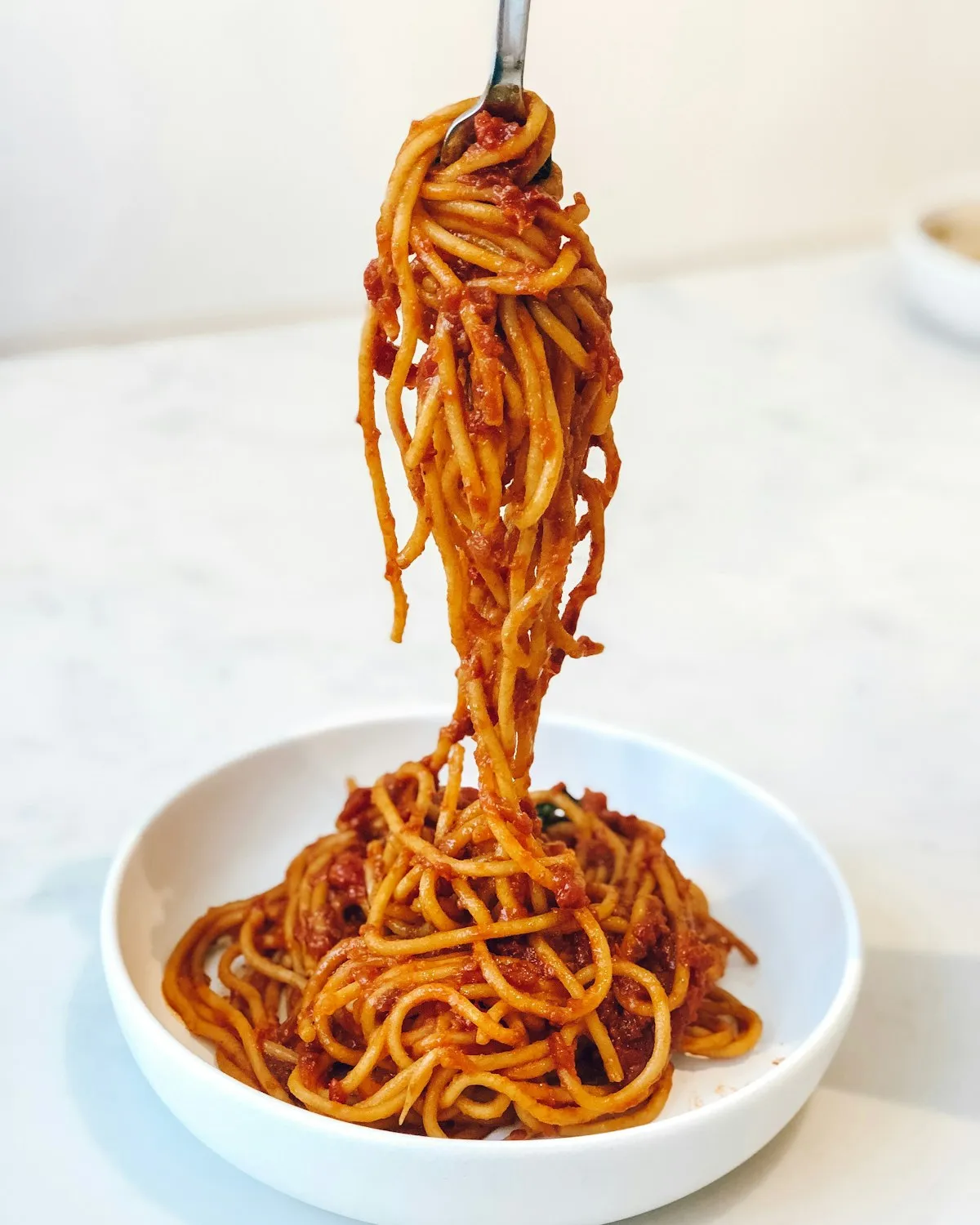
The Magic of Retained Starch
Most traditional recipes tell you to boil pasta in a massive pot of salted water and then dump that water down the drain. From a scientific perspective, you are throwing away liquid gold. Dried pasta is essentially a compact structure of starch and protein. When you cook it directly in the sauce’s liquid base, be it broth, water, or milk, the starch granules absorb heat, swell, and eventually burst.
In a one-pot system, this released starch has nowhere to go. It stays in the pan, acting as a natural thickener. Think of it as a built-in cornstarch slurry that gives your sauce a silky, clingy body that you simply cannot replicate with pre-drained noodles. Use just enough liquid to hydrate the pasta; you want a concentrated starch environment, not a soup.
Achieving the 3% Sweet Spot
The creamy texture of this bake doesn’t come from a heavy roux; it comes from an emulsion of feta fat and starchy pasta water. Scientific studies on cheese-based sauces suggest that a starch concentration of about 2–3% in the liquid phase is the "sweet spot." Below this, your cheese might clump or turn stringy. Above 4%, the sauce becomes gummy and gel-like.
By cooking the pasta directly in the pan, you naturally approach this ideal concentration. When you stir in that salty, tangy feta, the starch molecules act as a bridge, preventing the fat droplets from coalescing. This keeps the sauce smooth and prevents that dreaded oily separation that ruins a good bake.
Choosing the Right Vessel and Shape
Avoid long, flat noodles like linguine for this technique. Instead, reach for short, ridged shapes like penne or rigatoni. These shapes have a higher surface-area-to-volume ratio, which means more surface starch is released into your sauce. Furthermore, those ridges act as tiny architectural gutters, trapping the emulsified feta and wilted spinach so every bite is fully loaded.
Use a shallow, wide baking dish or a high-sided skillet that is oven-safe. A wider surface area allows for better evaporation during the final "bake" phase, concentrating the flavors and allowing the feta on top to develop those characteristic golden-brown toasted spots.
Managing Temperature and Timing
Be firm about your temperature control. If you add your feta to a liquid that is at a violent, rolling boil, the milk proteins in the cheese can tighten up and squeeze out the fat, leaving you with a grainy mess. Turn the heat down to a gentle simmer before incorporating the bulk of your cheese.
Timing your spinach is equally crucial. Spinach is nearly 90% water. If you throw it in at the very beginning, that water will release and dilute your carefully balanced starch concentration. Add your fresh leaves toward the end of the process. Let the residual heat do the work of wilting them, ensuring they integrate into the sauce without turning the whole dish watery.
Flavor Variations and Upgrades
While the spinach and feta duo is a timeless classic, the beauty of a minimalist base is that it invites customization. If you want to lean into more robust healthy dinner ideas, consider these shifts:
- The Protein Boost: Stir in some pre-cooked shredded chicken or seared salmon chunks just before the final bake. The feta sauce acts as a perfect poaching liquid to keep the protein moist.
- The Spicy Kick: Add a generous pinch of red pepper flakes during the initial simmer. The capsaicin dissolves in the fat of the feta, distributing a clean, even heat throughout the entire pan.
- Nutty Texture: Top the dish with toasted pine nuts or crushed walnuts after it comes out of the oven. This provides a necessary textural contrast to the soft pasta and creamy cheese.
- The Brassica Swap: If you find yourself out of spinach, finely chopped kale or Swiss chard works beautifully. Just remember that heartier greens take a few extra minutes to soften compared to delicate baby spinach.
Perfect Side Dish Pairings
This pasta bake is rich and savory, so your side dishes should focus on acidity and crunch to provide balance. A heavy dish needs a "bright" partner to refresh the palate between bites.
- Bright Arugula Salad: A simple bowl of arugula tossed with a sharp lemon vinaigrette and shaved parmesan is the ideal companion. The bitterness of the greens and the acidity of the lemon cut right through the saltiness of the feta.
- Garlic Rubbed Toast: If you want to double down on comfort, a thick slice of sourdough rubbed with a raw garlic clove and toasted provides a sturdy vessel for scooping up any leftover sauce at the bottom of your bowl.
- Roasted Asparagus: For a more vegetable-forward meal, quick-roasted asparagus spears with a dash of balsamic glaze offer a woody, earthy note that complements the tang of the cheese.
Frequently Asked Questions
What if my sauce is too watery after the pasta is cooked?
If you find your sauce is looking more like a soup, do not panic. Simply bake it uncovered for an additional five minutes. This allows excess moisture to evaporate while the starch continues to thicken. If it’s still too thin, you can whisk a teaspoon of cornstarch with a tablespoon of cold water and stir it into the simmering liquid before the final bake. This will provide an extra safety net for that emulsion.
Why did my feta cheese separate and look oily?
This usually happens for one of two reasons: either the pan was too hot when the cheese was added, or there wasn't enough starch in the liquid. Feta is a high-fat cheese, and without enough starch to hold the fat in place, it will break at high temperatures. Next time, ensure you are using a "one-pot" method rather than boiling and draining the pasta, and make sure you aren't adding extra water halfway through.
Can I use frozen spinach instead of fresh?
Yes, but you must be disciplined about it. Frozen spinach contains significantly more water than fresh. Thaw it completely and squeeze it in a clean kitchen towel until it is bone-dry before adding it to the pan. If you skip this, you will end up with a grey, watery sauce that lacks the soulful creaminess we’re after.
Can I make this in an air fryer?
While this is primarily a one-pot stovetop-to-oven recipe, you can certainly adapt it for air fryer recipes dinner. You would need to use a small, deep baking dish that fits inside your basket. You'll still need to start with boiling liquid to hydrate the pasta, but the air fryer is excellent for that final "bake" stage to get the top of the feta perfectly crispy and browned in about half the time of a traditional oven.
Is there a gluten-free alternative?
Absolutely. Chickpea or lentil-based pastas actually release a significant amount of starch (and protein), which makes them great for one-pot meals. Just keep a close eye on the texture, as gluten-free varieties can go from "al dente" to "mush" in a matter of seconds. Reduce your cooking time by about two minutes compared to the package instructions before starting the baking phase.
How do I store and reheat leftovers?
The starch in the sauce will continue to set as it cools, meaning leftovers might look a bit thick the next day. Reheat them with a splash of water or milk to loosen the sauce back to its original creamy state. Avoid the microwave if possible; a quick turn in a small saucepan over medium-low heat will yield a much better texture.
{“@type”:”BlogPosting”,”image”:”https://cdn.marblism.com/WS-aJ5F9HO6.webp”,”author”:{“name”:”Penny”,”@type”:”Person”},”@context”:”https://schema.org”,”headline”:”15-Minute One Pot Spinach and Feta Pasta Bake”,”keywords”:”air fryer recipes dinner, quick family meals, healthy dinner ideas, one pot pasta, spinach and feta”,”publisher”:{“logo”:{“url”:”https://cookpedia.com/logo.png”,”@type”:”ImageObject”},”name”:”Cookpedia”,”@type”:”Organization”},”description”:”Discover the science behind a 15-minute one-pot spinach and feta pasta bake. Learn how to use pasta starch to create a perfect, creamy emulsion without heavy cream.”,”datePublished”:”2026-06-14″,”articleSection”:”Recipes”}