Recipe
Servings
Servings 1×
Ingredients
- Pasta
- Noodles
- Bread
- Butter
- Cooking oil
Method
- Let’s be honest: your kitchen doesn't need to look like a high-end bistro for you to eat like you’re in one.
- Start by understanding what butter actually is: a mix of fat, water, and milk solids.
- Use a light-colored pan so you can actually see the color change.
- Keep the heat at medium-low once the foam subsides.
Let’s be honest: your kitchen doesn't need to look like a high-end bistro for you to eat like you’re in one. Sometimes, the most sophisticated flavors come from the back of the pantry and the bottom of the crisper drawer. My brown butter and sage pasta is the ultimate "I have ten dollars and fifteen minutes" miracle. It’s rich, nutty, and smells like a cozy autumn evening, even if you’re making it on a humid Tuesday in June. This is minimalist cooking at its finest: stripping away the fluff and focusing on the chemistry of fat, starch, and heat.
The Science of the Sizzle: Browning and Emulsion
Making a sauce out of butter isn't just about melting it; it’s about a chemical transformation known as the Maillard reaction. If you just pour melted butter over noodles, you get greasy noodles. If you master the brown butter emulsion, you get a velvet cloak of flavor.
Start by understanding what butter actually is: a mix of fat, water, and milk solids. When you heat it in a skillet, the water boils off first: that’s the bubbling and popping you hear. Once the water is gone, the temperature rises quickly, and those tiny milk solids begin to toast. Use a light-colored pan so you can actually see the color change. Watch for the "hazelnut" stage, also known as beurre noisette. The moment the butter smells like toasted nuts and those little flecks at the bottom turn golden-brown, you have reached flavor nirvana.
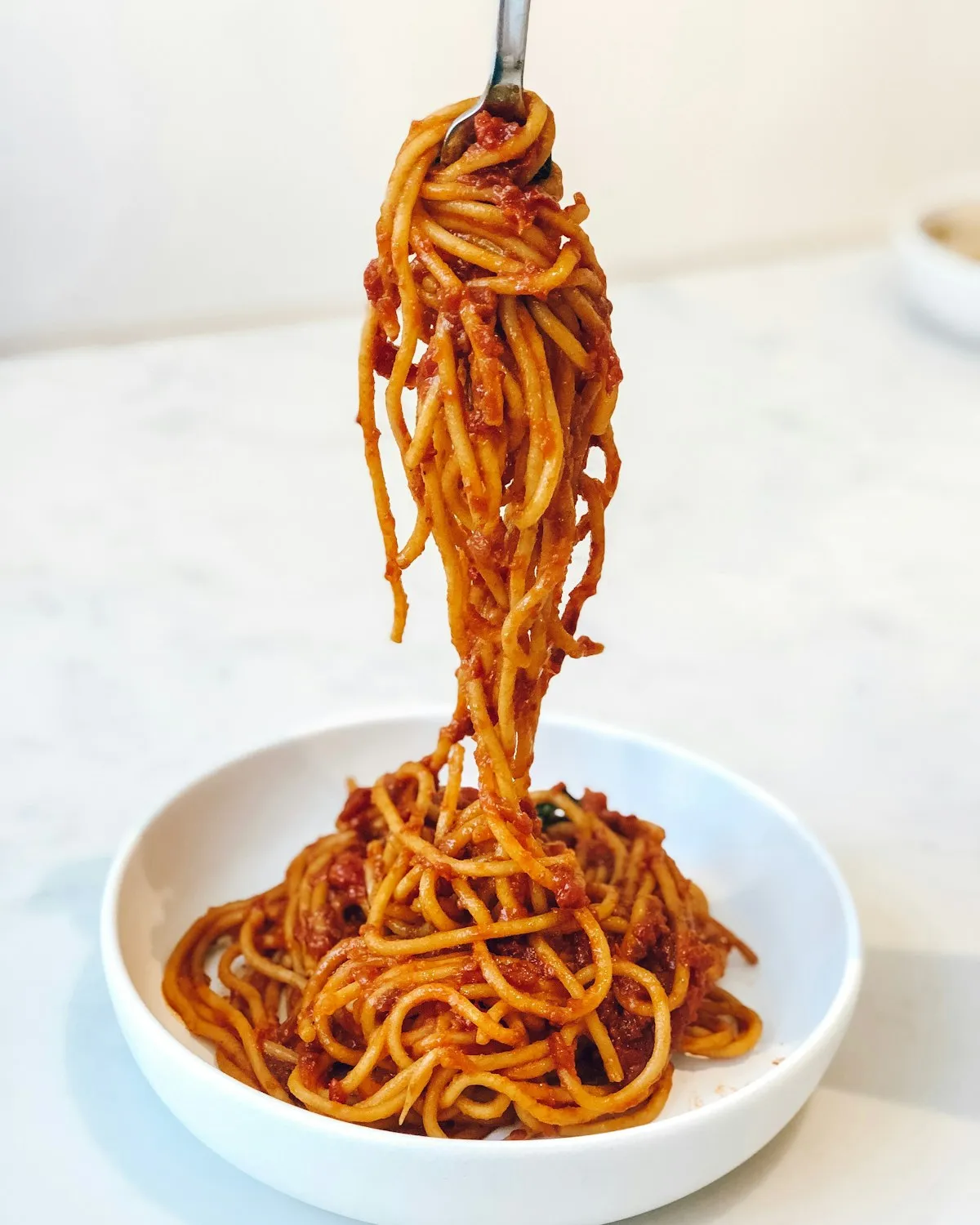
Don’t walk away from the stove. The transition from "golden-brown deliciousness" to "burnt-acrid mess" happens in about six seconds. Keep the heat at medium-low once the foam subsides. Throw your sage leaves directly into the foaming fat. They will crackle and turn crisp, infusing the butter with their earthy, piney aroma.
Now, here is the non-negotiable step: the emulsion. You cannot make a proper sauce without pasta water. Think of pasta water as liquid gold. It’s packed with starch that acts as a bridge between the fat (butter) and the noodles. When you add a splash of that cloudy water to your brown butter, the starch molecules surround the fat droplets, preventing them from clumping together. Stir vigorously. You’ll see the mixture transform from a clear yellow oil into a creamy, opaque sauce. This is the same trick we use for our one-pan cacio e pepe, and it works every single time.
Variations for Every Pantry
While the base recipe is a masterpiece of minimalism, you can easily adapt this to fit whatever is in your fridge. If you’re looking for quick family meals that feel a bit more substantial, try adding protein or bulk without breaking the bank.
- The Protein Boost: Toss in a tin of drained white beans or chickpeas. They soak up the brown butter beautifully and add a creamy texture that mimics pasta. If you have some leftover chicken, shred it and throw it in during the final tossing phase.
- The Green Machine: To turn this into one of your go-to healthy dinner ideas, add a handful of frozen peas or baby spinach in the last sixty seconds of the pasta’s boiling time. The heat from the water will blanch them perfectly, and they’ll add a pop of brightness to the rich, nutty sauce.
- The Nutty Crunch: If sage feels a bit too "holiday" for you, swap it for toasted walnuts or hazelnuts. The texture contrast against the soft pasta is incredible. Just make sure to toast the nuts in the butter along with the milk solids to double down on that earthy flavor profile.
- The Zesty Twist: A squeeze of fresh lemon juice at the very end is like turning on the lights in a dark room. The acidity cuts right through the richness of the butter, balancing the dish and making the sage flavors sing.
Perfect Side Dish Pairings
Because this pasta is quite rich, you want side dishes that offer high acidity or a crisp, fresh crunch. Avoid anything too heavy or creamy, or you’ll leave the table feeling like you need a nap.
A simple arugula salad with a sharp lemon vinaigrette is my top choice. The peppery bite of the greens is the perfect foil for the sweetness of the browned butter. If you want something warm, try some roasted broccoli or asparagus. You can even use your air fryer to get those crispy edges in under ten minutes: much faster than preheating a whole oven. While we usually save the big gadgets for air fryer recipes dinner nights, a quick blast of heat makes for an easy side dish here.
Another great option is a simple tomato and cucumber salad. The water content in the vegetables provides a refreshing break between bites of the buttery pasta. Sprinkle a little flaky sea salt on top to draw out the juices and create a natural "dressing" that complements the meal without competing with the sage.
Troubleshooting Your Pasta: FAQ
What if my butter burns instead of browning?
If you see black specks and the smell is bitter rather than nutty, you’ve gone too far. Throw it out and start over. To avoid this, use a stainless steel or light-colored pan so you can monitor the color of the milk solids. Keep the heat moderate and swirl the pan constantly.
Why is my sauce watery and pooling at the bottom?
You likely didn’t emulsify it enough. Add the pasta to the skillet when it's still a minute away from being fully cooked. Toss it aggressively with the butter and pasta water. The friction and the extra starch released from the finishing noodles will help bind the sauce. If it's still too thin, add a small handful of finely grated cheese and keep stirring; the proteins in the cheese act as a secondary stabilizer.
Can I use dried sage instead of fresh?
You can, but the experience won't be the same. Dried sage is much more concentrated and can often taste "musty" if not handled correctly. If you must use dried, add it very early to the butter to let it rehydrate and bloom, but you won't get those beautiful crispy leaves that make this dish so iconic.
Is this a good option for quick family meals?
Absolutely. It's one of those rare dishes that kids usually love (it's basically "fancy" butter noodles) and adults find sophisticated. Plus, you can scale it up or down easily. If you’re looking for more healthy dinner ideas to round out the week, you can always check our 15-minute meal collection for more inspiration.
How do I keep the sage leaves from getting soggy?
Remove the leaves from the pan once they are crisp and set them aside on a paper towel. Add them back as a garnish only at the very last second before serving. If you toss them with the pasta and water, they will absorb moisture and lose their crunch.
Can I make this dairy-free?
You can use a high-quality vegan butter substitute, but look for one that actually contains some form of protein (like nut-based versions). The "browning" flavor comes from the proteins and sugars reacting; pure oil won't brown in the same way, though it will still taste delicious with fried sage and a bit of garlic.
{“@type”:”BlogPosting”,”image”:”https://cdn.marblism.com/S105X94JLB6.webp”,”author”:{“name”:”Penny”,”@type”:”Person”},”@context”:”https://schema.org”,”headline”:”15-Minute Budget-Friendly Pasta with Brown Butter and Sage”,”publisher”:{“url”:”https://cookpedia.com”,”name”:”Cookpedia”,”@type”:”Organization”},”description”:”Master the art of the 15-minute brown butter and sage pasta. Learn the science of the Maillard reaction and how to create a perfect emulsion for a budget-friendly, gourmet dinner.”,”datePublished”:”2026-06-14″,”mainEntityOfPage”:{“@id”:”https://cookpedia.com/15-minute-budget-friendly-pasta-brown-butter-sage”,”@type”:”WebPage”}}