Recipe
Servings
Servings 1×
Ingredients
- Fettuccine
- Pasta
- Noodles
- Garlic
- Butter
- Cooking oil
Method
- Let’s be honest: your Tuesday night doesn’t have time for a three-hour ragu.
- Use a mug to scoop out a cup of that cloudy water before you drain the pot.
- Start your garlic in cold oil and bring it up to heat slowly.
- Use tongs to vigorously swirl the pasta in the pan.
Let’s be honest: your Tuesday night doesn’t have time for a three-hour ragu. You’re hungry, the kids are asking when dinner is ready for the fifth time, and your brain is fried from a day of meetings. This is exactly why I lean on simple pasta recipes that deliver maximum comfort with minimal effort. This garlic herb fettuccine isn't just a "backup" meal; it’s a glossy, aromatic masterclass in how five ingredients and fifteen minutes can outperform a fancy bistro. We’re talking about real food that feels like a hug in a bowl, designed for those of us who want 15 minute meals without the soul-crushing compromise of a frozen dinner.
The Science of the Perfect Emulsion
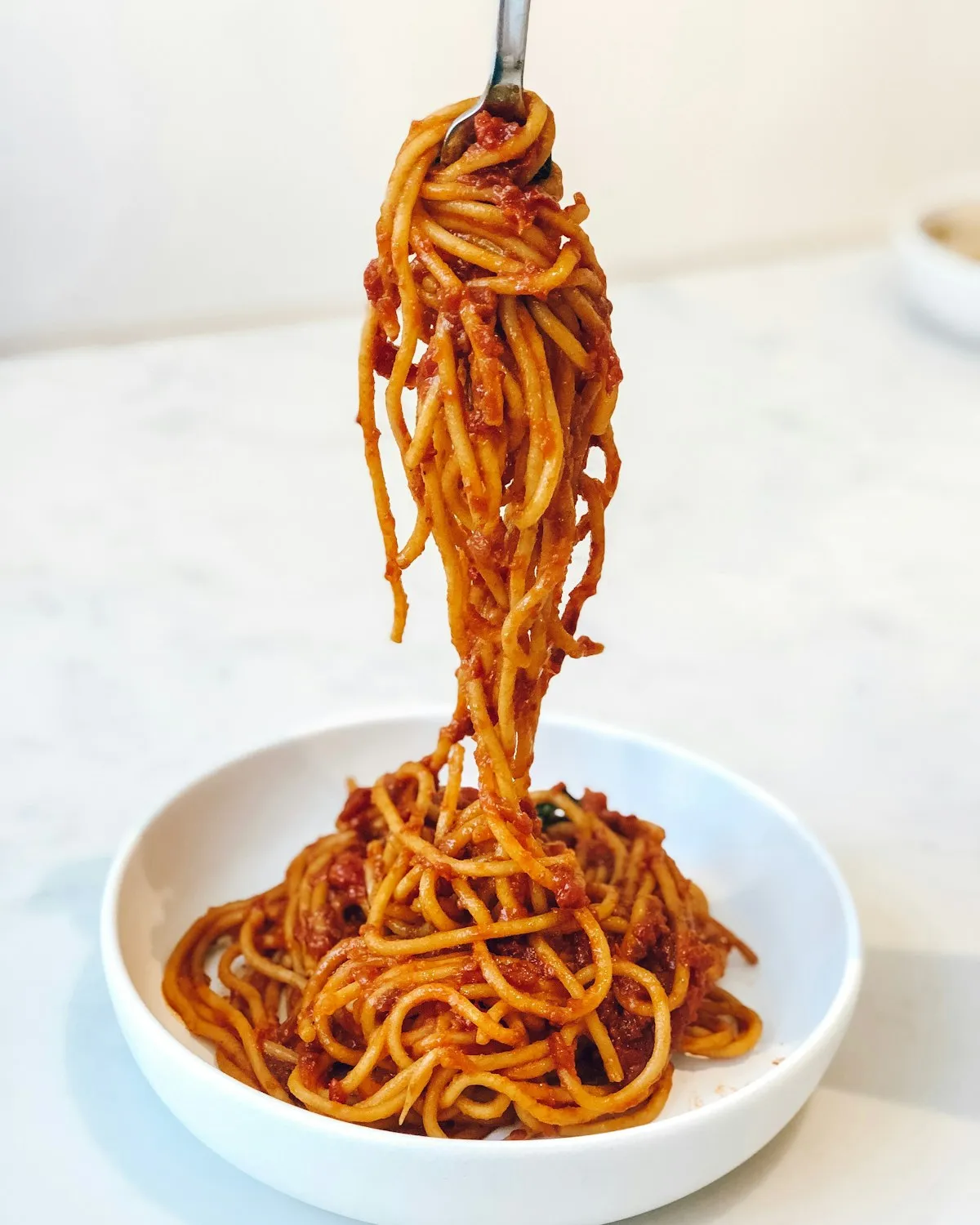
If you’ve ever ended up with a pool of oil at the bottom of your pasta bowl, you didn't fail: you just missed a beat in the chemistry department. The secret to that restaurant-quality silkiness lies in emulsification. When you toss pasta, you aren't just mixing; you’re forcing two things that hate each other: fat (oil and butter) and water: to become best friends.
To achieve this, you must treat your pasta water like liquid gold. As the fettuccine boils, it releases starches into the water. This starchy liquid acts as a bridge, or an emulsifier, that binds the garlic-infused oil to the noodles. Use a mug to scoop out a cup of that cloudy water before you drain the pot. Do not skip this. If you dump that water down the drain, you’re literally washing your sauce's potential away.
Temperature control is your next non-negotiable. Garlic is delicate; it goes from "fragrant and sweet" to "bitter and burnt" in a heartbeat. Start your garlic in cold oil and bring it up to heat slowly. This gently "blooms" the aromatics, infusing the fat with flavor without scorching the cloves. Once you add that starchy water to the pan, turn the heat up. The vigorous bubbling is the sound of the fat breaking into tiny droplets and the starch wrapping around them to create that creamy sheen.
Finally, the "toss" is where the magic happens. Use tongs to vigorously swirl the pasta in the pan. This physical agitation provides the shear force needed to finish the emulsion. If the pan looks dry, add another splash of water. If it looks like a soup, keep tossing over medium heat until the liquid reduces and clings to every strand of fettuccine. This is the foundation of many healthy dinner ideas because it relies on high-quality fats and fresh aromatics rather than heavy, processed creams.
Variations for Every Kitchen
The beauty of this base is that it’s a blank canvas for whatever is lurking in your pantry. If you’re looking to turn this into one of your go-to quick family meals, consider a protein pivot. I often throw in some leftover rotisserie chicken or a handful of frozen peas during the last two minutes of boiling the pasta. The peas add a pop of sweetness that cuts right through the rich garlic butter.
For my plant-based friends, swap the butter for a high-quality vegan alternative or just stick to a robust extra virgin olive oil. To get that "cheesy" umami hit without the dairy, stir in a tablespoon of nutritional yeast at the very end. It blends seamlessly into the emulsion and adds a nutty depth that mimics aged Parmesan perfectly.
If you’re feeling a bit more adventurous, add a pinch of red pepper flakes to the oil along with the garlic. This "Aglio, Olio e Peperoncino" vibe adds a back-end heat that transforms the dish. You can also experiment with different herbs; while parsley is the classic choice, a mix of chives and tarragon offers a sophisticated, French-inspired twist that makes a 15-minute meal feel like a special occasion.
Balancing the Plate: Side Dish Pairings
A bowl of fettuccine is inherently rich, so you need acidity and crunch to keep the palate excited. A simple arugula salad with a sharp lemon vinaigrette is my top pick. The peppery bite of the leaves and the citric acid of the lemon act as a "reset button" for your taste buds between bites of buttery pasta.
If you have a few extra minutes, check your air fryer. While we’re focusing on the stove today, some of my favorite air fryer recipes dinner involve roasting broccoli or asparagus until the tips are charred and crispy. These "burnt" bits provide a fantastic texture contrast to the soft, silky noodles.
Don't forget the bread. A thick slice of crusty sourdough is essential for "mop-up duty." There will be bits of toasted garlic and herb-flecked emulsion left on your plate, and leaving that behind should be considered a kitchen crime. If you're looking for more inspiration on quick, high-impact flavors, take a look at our viral garlic butter ramen hack for a different take on the garlic-fat-noodle trio.
Frequently Asked "What If" Questions
What if my sauce is still watery after tossing?
This usually means your ratio of water to fat is slightly off, or you haven't reduced the liquid enough. Continue to simmer the pasta in the pan over medium-high heat while tossing constantly. The evaporation will concentrate the starches and thicken the sauce. If it's still stubborn, a tiny knob of cold butter whisked in at the very end can help stabilize the emulsion.
Can I use dried herbs instead of fresh?
You can, but the experience will be different. Dried herbs need heat and moisture to "wake up," so add them to the oil with the garlic rather than at the end. Keep in mind that dried herbs are more concentrated; use about one-third of the amount you would use for fresh. However, for that "soulful" Cookpedia finish, fresh parsley is always worth the extra minute of chopping.
What if I overcook the pasta in the pot?
If your pasta is already mushy before it hits the pan, the emulsion process will likely turn it into a paste. To avoid this, aim for "uncomfortably firm" when you taste it from the boiling water. It should have a white, chalky core. It will finish cooking to a perfect al dente while it’s soaking up that glorious garlic sauce in the skillet.
Why did my cheese clump into a ball?
This is the heartbreak of many simple pasta recipes. If you add Parmesan to a boiling pan, the proteins in the cheese will seize and clump. Remove the pan from the heat entirely and let it sit for thirty seconds before showering it with cheese. The residual heat is plenty to melt the cheese into the sauce without turning it into a rubbery mess. For more tips on keeping cheese sauces smooth, our cacio e pepe guide breaks down the temperature science even further.
Is fettuccine the only option?
Not at all. While the wide surface area of fettuccine is great for catching herb-flecked sauce, linguine or spaghetti work just as well. Avoid very small shapes like orzo for this specific technique, as they don't provide enough surface tension to hold the emulsion in the same way.
Whether you're looking for more 15-minute meals or just need a reliable win for tonight, this garlic herb fettuccine is your new best friend. It’s fast, it’s real, and it proves that you don’t need a pantry full of ingredients to cook something spectacular. Now, get that water boiling!
{“@type”:”BlogPosting”,”image”:”https://cdn.marblism.com/Th7mz5xdDHH.webp”,”author”:{“name”:”Penny”,”@type”:”Person”},”@context”:”https://schema.org”,”headline”:”Simple Pasta 15-Minute Garlic Herb Fettuccine”,”publisher”:{“logo”:{“url”:”https://cookpedia.com/logo.png”,”@type”:”ImageObject”},”name”:”Cookpedia”,”@type”:”Organization”},”mainEntity”:[{“name”:”What if my sauce is still watery after tossing?”,”@type”:”Question”,”acceptedAnswer”:{“text”:”Continue to simmer the pasta in the pan over medium-high heat while tossing constantly. The evaporation will concentrate the starches and thicken the sauce.”,”@type”:”Answer”}},{“name”:”Why did my cheese clump into a ball?”,”@type”:”Question”,”acceptedAnswer”:{“text”:”Adding cheese to a boiling pan causes proteins to seize. Remove the pan from heat for 30 seconds before adding cheese to ensure a smooth melt.”,”@type”:”Answer”}}],”description”:”Master the art of the 15-minute garlic herb fettuccine. Learn the science of emulsification for a glossy, restaurant-quality pasta sauce using simple pantry staples.”,”datePublished”:”2026-06-14″,”mainEntityOfPage”:{“@id”:”https://cookpedia.com/simple-pasta-15-minute-garlic-herb-fettuccine”,”@type”:”WebPage”}}