Recipe
Servings
Servings 1×
Ingredients
- Salmon
- Pasta
- Noodles
- Peas
- Garlic
- Lemon
- Hard cheese
- Butter
- Cooking oil
- Chili seasoning
Method
- Prepare the ingredients described in the article and heat the cooking surface or oven as directed.
- Cook the main ingredients using the heat and timing guidance in the article.
- Finish with the seasonings and garnishes named in the article, then serve.
We’ve all been there: it’s 6:30 PM, your bank account is looking a little thin, and the "fridge situation" is dire. But before you reach for that takeout app, I want you to look in your pantry. If you have a box of pasta, a bag of frozen peas, and some butter, you aren't just surviving, you’re about ten minutes away from a soulful, restaurant-quality meal. This is my absolute go-to for quick family meals that don't feel like a compromise. It’s minimalist, it’s remarkably cheap, and honestly, the science behind how these four ingredients transform into a glossy, emulsified sauce is nothing short of kitchen magic.
The Physics of the Perfect Pan Sauce
Creating a sauce out of "nothing" requires understanding a bit of kitchen chemistry. Most people drain their pasta, throw it back in the pot, and toss a cold knob of butter on top. Stop doing that. You’re missing out on the emulsification process that turns greasy noodles into a velvety masterpiece.
The Starch Factor
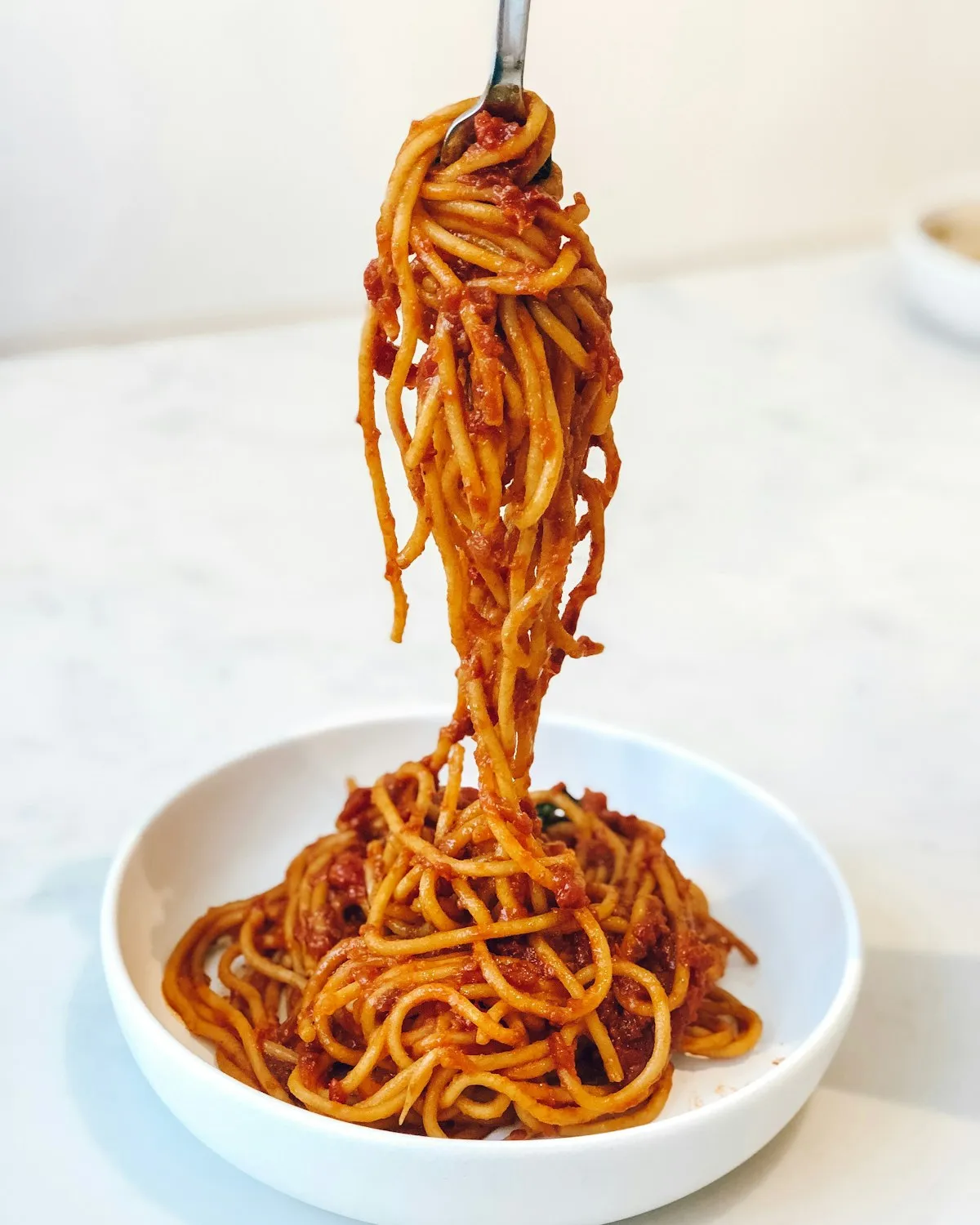
When you boil pasta, the water becomes a cloudy, starchy goldmine. This liquid is your best friend. Starch acts as a bridge between the fat (butter) and the water-based components of your dish. To get that glossy coating that actually clings to the noodles, you must reserve at least a cup of that pasta water. Use it to marry the butter and garlic together. Without this, the butter will simply slide off the pasta and pool at the bottom of your bowl in a disappointing yellow puddle.
The Garlic Golden Rule
Timing is everything when it comes to aromatics. Garlic contains volatile compounds that turn from sweet and fragrant to acrid and bitter in a matter of seconds. Keep your heat at medium. Sauté your minced garlic for exactly 30 to 60 seconds, just until you can smell it from across the room. If it turns dark brown, throw it out and start over. Life is too short for burnt garlic.
Browning the Butter (The Maillard Reaction)
While we’re talking about the pan, don't just melt the butter; let it speak to you. If you let it bubble for an extra minute until it smells slightly nutty and develops tiny brown specks, you’ve just performed a Maillard reaction. These toasted milk solids provide a deep, complex flavor profile that makes a $2 dinner taste like a $25 bistro plate.
Frozen Peas: The Science of Texture
Don't let any "foodie" tell you frozen peas are inferior. Because they are flash-frozen at the peak of ripeness, they often have more structural integrity and natural sugar than "fresh" peas that have been sitting in a grocery store bin for a week. To keep them from turning into mush, treat them with respect. Avoid boiling them for more than two minutes. I prefer adding them to the pasta water during the very last stage of cooking. This keeps them bright, sweet, and provides that satisfying "pop" that balances the richness of the garlic butter.
Flavor Profiles and Variations
Once you master the base technique, you can treat this recipe as a canvas. The goal is always balance: richness needs acidity, and soft textures need crunch. If you're looking for more healthy dinner ideas, you can easily swap the traditional pasta for a whole-grain or pulse-based variety, which adds a nutty depth and extra fiber.
- The Citrus Lift: If the butter feels too heavy, hit the pan with a squeeze of fresh lemon juice right at the end. The citric acid cuts through the fat and heightens the sweetness of the peas.
- The Protein Boost: If you have leftovers, this is the time to use them. Flaked salmon or even some crispy bacon bits can turn this into a heartier affair. I’ve even seen people pair this with air fryer recipes dinner components like sliced sausages for an extra punch.
- The Heat Component: A pinch of red chili flakes added to the butter at the same time as the garlic will infuse the entire dish with a gentle, warming glow without overpowering the peas.
- The Crunch Factor: Toasted breadcrumbs (pangrattato) are the "poor man's parmesan." Sauté some stale breadcrumbs in a little olive oil until golden and sprinkle them over the top. It adds a textural contrast that is essential for a truly soulful bowl of pasta.
Side Dish Pairings for Total Balance
This pasta is rich and savory, so your sides should work to provide contrast.
- Bitter Greens: A simple arugula or kale salad dressed in a sharp vinaigrette is the perfect companion. The bitterness of the greens resets your palate between bites of buttery pasta.
- Charred Aromatics: If you have the oven or air fryer going, some charred broccoli or asparagus provides an earthy counterpoint. We focus heavily on healthy dinner ideas that utilize high-heat roasting to bring out natural sugars in vegetables.
- The Vessel: A piece of crusty sourdough is non-negotiable if you want to swipe up every last drop of that emulsified garlic butter sauce from the bottom of the bowl.
FAQ: Troubleshooting Your Pasta
What if my sauce is watery and won't thicken?
This usually means you added too much pasta water too quickly. Turn the heat up slightly and keep tossing the pasta vigorously. The mechanical action of tossing, combined with the heat, helps the starch and fat emulsify. If all else fails, a small sprinkle of finely grated parmesan acts as a stabilizer.
Can I use margarine or oil instead of butter?
You can, but you lose the Maillard reaction benefits of the milk solids. If you are going dairy-free, use a high-quality olive oil and a splash more pasta water. It won't be "garlic butter," but it will be a delicious aglio e olio variation.
My peas turned gray. What happened?
You overcooked them. Chlorophyll (the pigment in green veggies) breaks down when exposed to heat for too long or when it hits an acidic environment (like lemon juice) for an extended period. Add your peas at the very last second and serve immediately.
Is this a good option for quick family meals on a weeknight?
Absolutely. Because the "sauce" builds itself in the time it takes for the pasta to boil, it’s one of the fastest meals in our rotation. Check out our 15-minute meals category for more efficiency hacks.
Can I make this ahead of time?
Pasta with butter-based sauces is best eaten immediately. If you must reheat it, do not use a microwave, it will cause the butter to split. Instead, put it back in a pan with a splash of water and toss over medium heat until the sauce comes back together.
Do I really need to salt the pasta water "like the sea"?
Yes. This is your only chance to season the pasta itself. If the water isn't salty, the dish will taste flat, no matter how much salt you sprinkle on top at the end. Use a heavy hand; most of it goes down the drain anyway.
{“@type”:”BlogPosting”,”image”:”https://cdn.marblism.com/tDXIYjy3nop.webp”,”author”:{“name”:”Penny”,”@type”:”Person”},”@context”:”https://schema.org”,”headline”:”15-Minute Budget-Friendly Pasta with Peas & Garlic Butter”,”keywords”:”air fryer recipes dinner, quick family meals, healthy dinner ideas, budget pasta, garlic butter sauce”,”publisher”:{“logo”:{“url”:”https://cookpedia.com/logo.png”,”@type”:”ImageObject”},”name”:”Cookpedia”,”@type”:”Organization”},”description”:”A minimalist, soulful guide to making a restaurant-quality garlic butter pasta with peas in under 15 minutes using pantry staples.”,”datePublished”:”2026-06-14″,”mainEntityOfPage”:{“@id”:”https://cookpedia.com/budget-friendly-garlic-butter-pea-pasta”,”@type”:”WebPage”}}