Recipe
Servings
Servings 1×
Ingredients
- Beans
- Pasta
- Noodles
- Rice
- Eggs
- Broccoli
- Green beans
- Peas
- Corn
- Cucumber
- Garlic
- Lime
- Butter
- Cooking oil
- Soy sauce or tamari
- Sesame
- Chili seasoning
- Salt
Method
- Use a gentle hand when stirring.
- Stir the pot in one slow, consistent direction to create a gentle whirlpool.
- Let them set for a few seconds before giving one final, light stir.
- Use the back of your knife to gently crush the cucumbers, then toss them with a splash of rice vinegar, a drop of soy sauce, and a pinch of sugar.
We have all been there: it is 6:00 PM, the fridge is looking hauntingly empty, and your motivation to cook is even lower than your grocery budget. This is where my blog becomes your best friend. Forget about expensive takeout or complicated meal prep. These 15-minute egg drop noodles are the ultimate "pantry raid" victory. They are warm, silky, and soulful, everything a quick dinner should be without the stress. If you can boil water and crack an egg, you are halfway to one of the best budget friendly recipes in your repertoire.
The Science of the Silky Ribbon
Mastering the egg drop is less about luck and more about the simple physics of protein and starch. To get those ethereal, cloud-like ribbons instead of a pot of scrambled egg bits, you must respect the cornstarch slurry. Think of the slurry as the bodyguard for your eggs. When you mix cornstarch with cold water and stir it into your broth, you are creating a slightly thickened environment. This increased viscosity slows down the egg proteins as they hit the heat, allowing them to stretch into beautiful "flowers" rather than tightening into rubbery lumps.
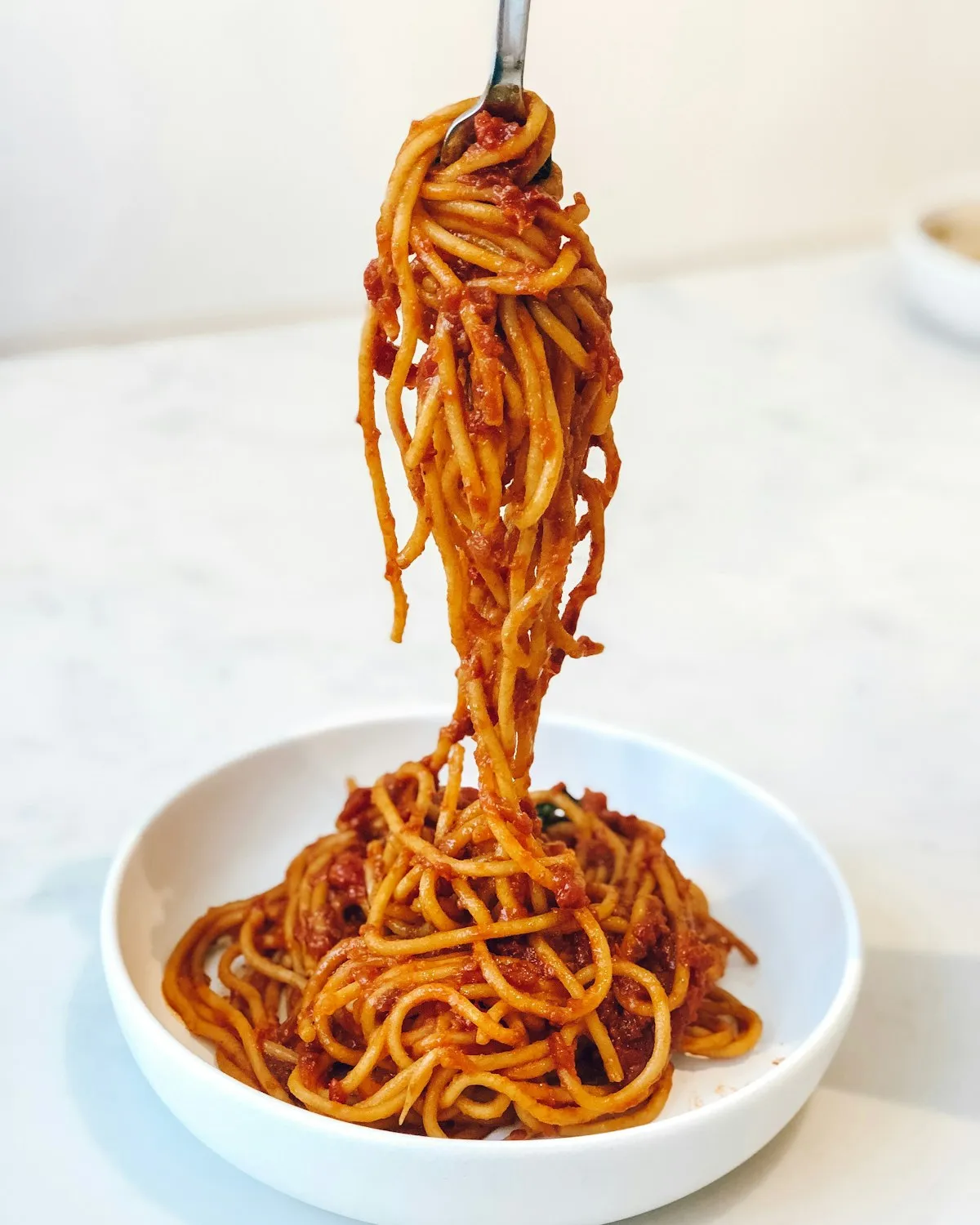
Use a gentle hand when stirring. Before you even think about adding the egg, ensure your broth is at a low simmer, not a violent boil. A rolling boil is the enemy of the delicate egg ribbon; the turbulence will shred the egg into microscopic wisps that vanish into the broth. Stir the pot in one slow, consistent direction to create a gentle whirlpool. While the liquid is moving, drizzle your beaten eggs in a very thin, steady stream.
Avoid the urge to whisk aggressively once the eggs are in. Let them set for a few seconds before giving one final, light stir. This technique is what separates a mediocre bowl of noodles from a soulful, restaurant-quality meal. If you are looking for more simple pasta recipes that utilize basic pantry staples, understanding how starch interacts with liquid is a total game-changer. It’s the same logic we use for a perfect one-pan cacio e pepe, where the starchy water creates the emulsion.
Check your noodle choice too. Since this is a 15-minute affair, choose thin wheat noodles or even instant ramen (minus the salt-bomb seasoning packet). These cook fast and have enough surface area to catch those silky egg strands. If you prefer a thicker bite, even thin spaghetti works in a pinch, just boil it a minute less than the package says so it finishes cooking directly in the broth. This ensures the noodles absorb the flavor rather than just sitting in it.
Flavor Riffs and Pantry Swaps
One of the reasons this is a staple among budget friendly recipes is its incredible versatility. You don't need a specific list of aromatics to make this work; you just need to understand the balance of salt, fat, and heat.
- The Spicy Garlic Punch: If you want a bit more "zing," sauté a clove of minced garlic and a pinch of red chili flakes in the bottom of the pot before adding your broth. The heat blooms the spices and infuses the entire soup with a deep, toasted flavor.
- The Veggie Power-Up: Do not ignore that bag of frozen peas or corn sitting in the back of your freezer. Toss a handful in with the noodles during the last two minutes of cooking. They add a much-needed pop of sweetness and texture without requiring any extra chopping or prep time.
- The Miso Twist: For a deeper umami profile, whisk a teaspoon of miso paste into your hot broth before adding the slurry. It adds a richness that makes the dish feel far more expensive than it actually is.
Remember, the goal is "Minimalist & Soulful." Don't clutter the pot with twenty ingredients. Pick one or two high-impact flavors, like a splash of sesame oil or a squeeze of lime, and let them shine. If you enjoy these kinds of adaptations, you might also like our viral garlic butter ramen hack which uses a similar "elevated pantry" philosophy.
Perfect Side Dish Pairings
While this bowl of noodles is a complete meal on its own, adding a side dish can turn a quick lunch into a balanced dinner. The key here is contrast. Because the egg drop noodles are soft, warm, and savory, you want something cold, crunchy, and acidic to cut through the richness.
A simple smashed cucumber salad is my absolute favorite pairing. Use the back of your knife to gently crush the cucumbers, then toss them with a splash of rice vinegar, a drop of soy sauce, and a pinch of sugar. The acidity of the vinegar resets your palate after every creamy bite of egg.
If you have an air fryer, use it to roast some quick broccoli or green beans while the water is boiling. A little char on the vegetables adds a smoky dimension that complements the mildness of the egg. Check out our guide on 15-minute meals for more ideas on how to coordinate your sides so everything hits the table at the same time.
Frequently Asked Questions
Why did my eggs disappear or turn the broth cloudy?
This usually happens for two reasons: either your broth wasn't thickened with the cornstarch slurry first, or you stirred too vigorously. The cornstarch acts as a stabilizer. Without it, the egg proteins don't have enough support to stay in ribbons. Next time, ensure the broth has a slight "glossy" thickness before you drop the eggs, and remember: drizzle slowly, stir gently.
Can I use different types of noodles?
Absolutely. While ramen or thin egg noodles are traditional, you can use any simple pasta recipes logic here. Rice noodles work beautifully for a gluten-free version, and even broken-up linguine can work in a pinch. Just be mindful of the cooking time; you want the noodles to be almost done before you start the egg-dropping process.
Is it possible to overcook the eggs?
Yes, but it is hard to do if you turn off the heat immediately. The residual heat of the broth is enough to cook the thin egg ribbons in about 30 to 60 seconds. If you leave the pot boiling after adding the eggs, they will become tough and rubbery. Turn the stove off the moment the last drop of egg hits the water.
What if I don't have broth?
Don't panic. You can make a perfectly delicious "faux-broth" using water, a bouillon cube, and a splash of soy sauce. If you want more depth, add a tiny bit of butter or a drop of sesame oil. The fat helps carry the flavor and mimics the mouthfeel of a slow-simmered stock.
Can I save the leftovers?
Egg drop noodles are best served fresh. As the soup sits, the noodles will continue to soak up the broth and become mushy, while the eggs can lose their delicate texture. If you must save it, store the noodles and broth separately, but honestly, it’s so fast to make that I recommend just cooking what you need for one sitting!
{“@type”:”BlogPosting”,”image”:”https://cdn.marblism.com/Ryvdhr6rYBF.webp”,”author”:{“name”:”Penny”,”@type”:”Person”},”@context”:”https://schema.org”,”headline”:”Budget Friendly 15-Minute Egg Drop Noodles”,”publisher”:{“logo”:{“url”:”https://cookpedia.com/logo.png”,”@type”:”ImageObject”},”name”:”Cookpedia”,”@type”:”Organization”},”description”:”Learn the science behind perfect silky egg ribbons in this 15-minute, budget-friendly noodle recipe. Minimalist cooking at its finest.”,”datePublished”:”2026-06-14″,”mainEntityOfPage”:{“@id”:”https://cookpedia.com/budget-friendly-15-minute-egg-drop-noodles”,”@type”:”WebPage”}}