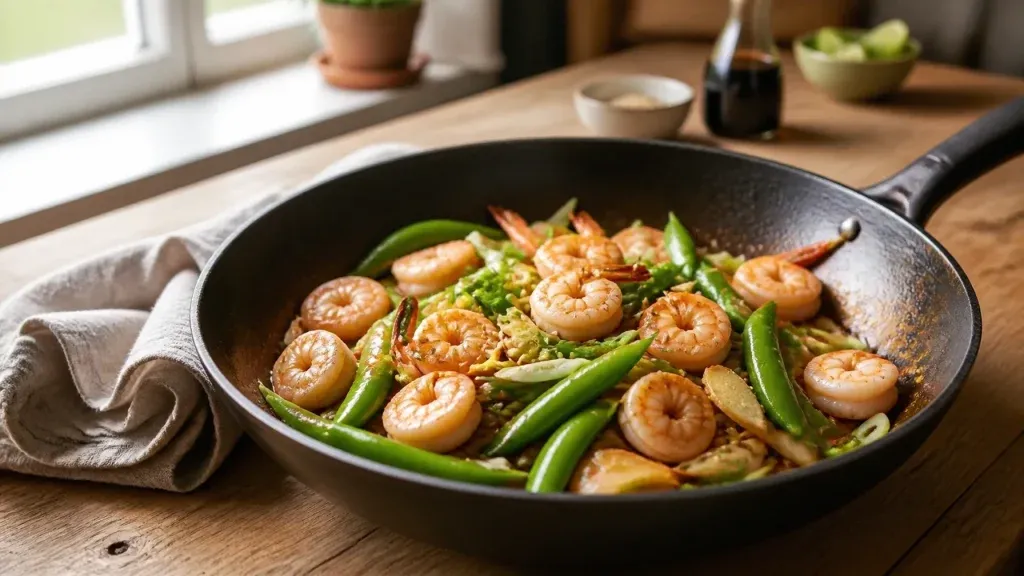
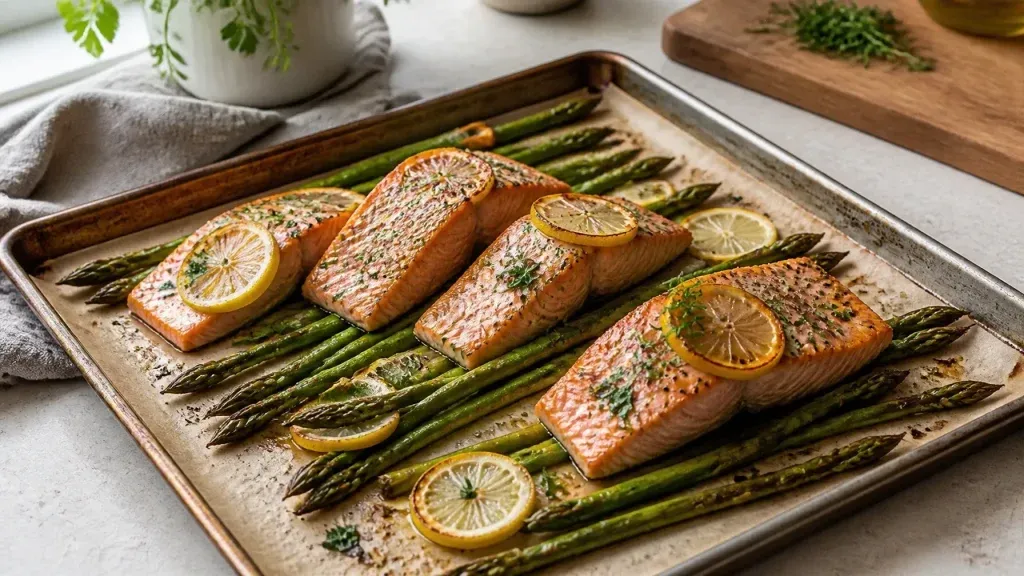
Recipe
Servings
Servings 1×
Ingredients
- Shrimp
- Orzo
- Pasta
- Bread
- Garlic
- Lemon
- Cream
- Butter
- Cooking oil
Method
- Pat the shrimp dry before they meet the pan.
- Use a wide skillet and give each shrimp a little breathing room.
- Cook in a single layer whenever possible.
- Keep cooking, and those proteins contract too much, squeezing out moisture until the shrimp become firm, dry, and vaguely rubber-related.
- Remove the shrimp as soon as they reach that loose “C.” Residual heat will continue cooking them briefly, so do not wait for them to look aggressively done in the skillet.
- Keep the garlic moving and avoid scorching it.
Some evenings need dinner to be quick, but “quick” should not mean tossing something beige into a bowl and hoping for the best. This garlic butter shrimp with lemon orzo brings together tender seafood, buttery aromatics, bright lemon, and a naturally creamy pasta texture in one pan. It belongs in your regular rotation of 15 minute meals because it is fast, satisfying, and polished enough to make an ordinary Tuesday feel slightly more organized than it really is.
Tips & Technique: Make the Pan Work Smarter
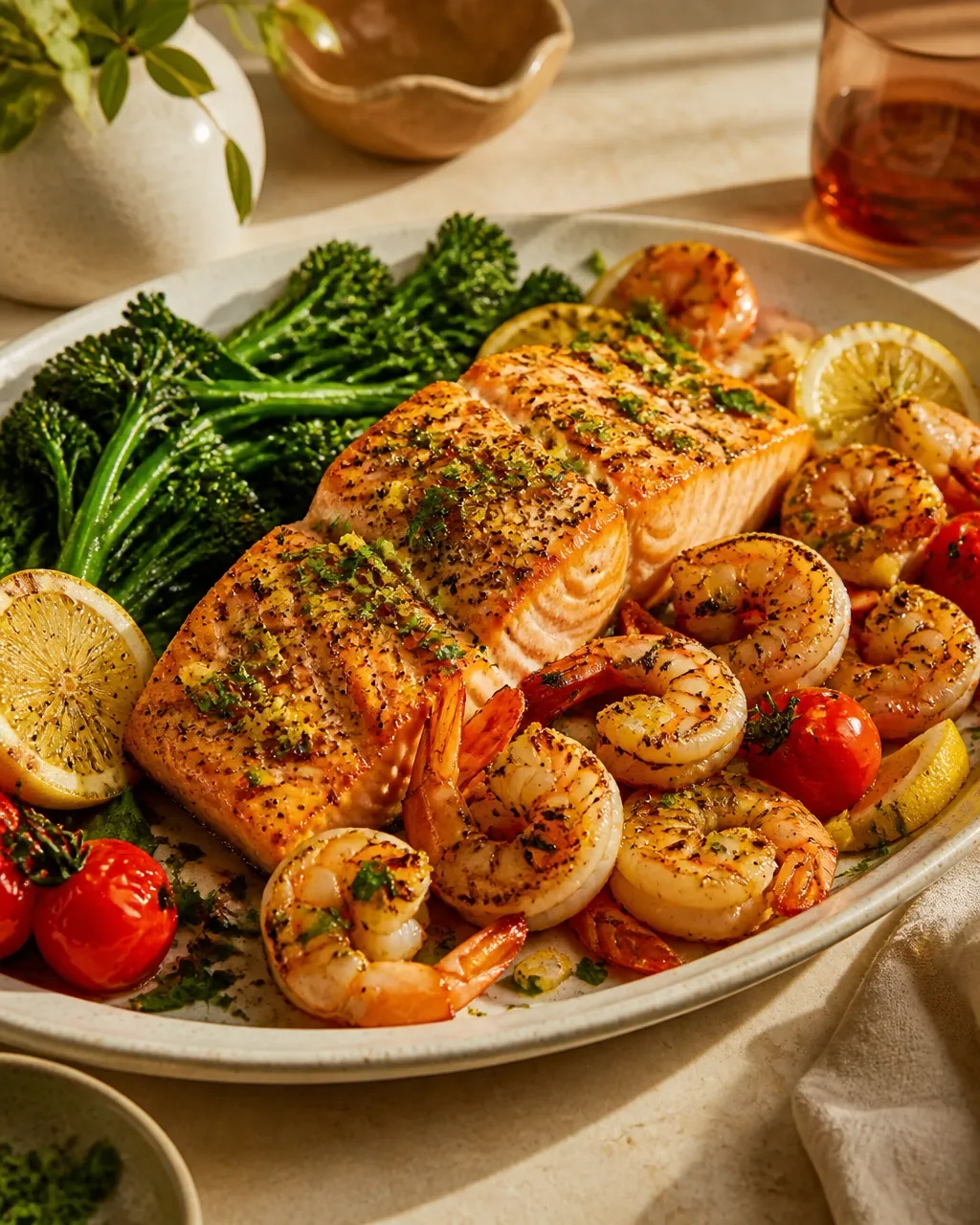
Start with dry shrimp for better browning
Pat the shrimp dry before they meet the pan. Do not skip this because you are hungry. Surface moisture has to evaporate before browning can begin, and evaporation cools the shrimp. That leaves you with pale, steamed seafood instead of the lightly browned edges that make garlic butter shrimp taste restaurant-worthy.
Dry shrimp also cook more predictably. When the surface is wet, the pan spends its energy boiling away water. When the surface is dry, heat moves directly into the shrimp, allowing the outside to firm quickly while the inside stays juicy.
Use a wide skillet and give each shrimp a little breathing room. Crowding traps steam, and steam is excellent for vegetables but not for a proper sear. Cook in a single layer whenever possible. A crowded pan is one of the fastest ways to turn a confident dinner into a watery one.
Watch the shrimp, not just the clock
Shrimp are small, lean, and remarkably quick to overcook. Their proteins tighten as heat rises. At first, that gives the shrimp their pleasant, springy texture. Keep cooking, and those proteins contract too much, squeezing out moisture until the shrimp become firm, dry, and vaguely rubber-related.
Use the shape test:
- Straight and translucent: Not ready.
- Loose “C” shape and opaque center: Just right.
- Tight “O” shape: Usually overcooked.
Remove the shrimp as soon as they reach that loose “C.” Residual heat will continue cooking them briefly, so do not wait for them to look aggressively done in the skillet. This is a non-negotiable for tender shrimp.
Build the garlic butter in layers
Garlic tastes different depending on how you treat it. Chopping breaks the cells and releases sulfur compounds, including the compounds responsible for garlic’s sharp aroma. Gentle heat mellows those flavors and allows them to spread through butter or oil.
Keep the garlic moving and avoid scorching it. Burned garlic becomes bitter quickly, especially when finely chopped. Add it where the pan still has enough fat to protect it, and lower the heat if the edges start darkening too fast. You want fragrant, golden, mellow garlic: not tiny black flecks with something to prove.
Butter works as a flavor carrier because fat spreads aromatic compounds across the pan. It also adds richness, so balance it with lemon rather than piling on more butter simply because the skillet looks inviting.
Toast the orzo before it simmers
Toasting the orzo briefly in the buttery pan is one of the highest-impact moves in this dish. Dry pasta develops deeper, nuttier notes when its surface browns lightly. You are creating extra savory flavor before any broth or liquid enters the pan.
Toasting also gives the orzo a more distinct texture. It will still become tender and creamy as it simmers, but it will taste layered rather than simply boiled. Think of it as giving the pasta a head start in the flavor department.
Use a gentle simmer once the liquid is added. A violent boil can reduce the liquid too quickly, leaving the outside of the orzo soft while the center remains firm. Stir occasionally to distribute heat and starch, but do not stir constantly. Too much agitation can make the texture overly thick and sticky.
Finish with lemon at the end
Add lemon juice after the orzo has absorbed most of its cooking liquid. Acid added too early can lose its fresh aroma during prolonged cooking, while late-added lemon stays bright and lively.
Use zest for fragrance and juice for balance. The zest contains aromatic oils that give the dish a clear lemon character without adding extra liquid. The juice cuts through butter, wakes up the shrimp, and keeps the orzo from tasting heavy.
Fold the shrimp back in only long enough to warm them. The orzo’s starch, melted butter, and remaining cooking liquid will form a loose emulsion that clings to the pasta. That is how you get a glossy sauce without cream or complicated equipment. For more simple, efficient cooking ideas, explore Cookpedia’s 15-minute meals collection.
Variations: Keep the Balance, Change the Mood
Treat the basic combination as a flexible template rather than a strict personality test.
For a Mediterranean direction, add spinach, chopped olives, capers, or a little crumbled feta at the end. The salty, briny flavors sharpen the sweetness of the shrimp and balance the butter. Keep the additions restrained so the lemon and garlic still have room to speak.
For a spicy version, use red pepper flakes, smoked paprika, or a small spoonful of chili crisp. Add heat carefully. Spice should lift the dish, not flatten every other flavor with a megaphone.
For extra vegetables, stir in peas, asparagus tips, zucchini, or baby spinach near the end of cooking. Choose vegetables that cook quickly so they do not interfere with the fifteen-minute timing. Leafy greens wilt almost instantly, while thin asparagus or zucchini brings freshness and a little bite.
For a lighter finish, reduce the butter slightly and use more olive oil. You will lose some of the rounded dairy richness, but the lemon and herbs will taste even more pronounced. This version fits neatly into a rotation of healthy dinner ideas without feeling like a compromise.
Need a different protein? Use small pieces of firm white fish, scallops, or shredded cooked chicken. Adjust the cooking time according to the protein’s thickness. Keep the same principle: cook delicate proteins briefly and add them back only at the end.
If you enjoy this flavor profile, compare it with Cookpedia’s 15-minute garlic butter shrimp for another fast skillet option.
Side Dish Pairings: Add Contrast, Not Competition
This dish already brings richness, starch, protein, and plenty of aroma. Choose sides that refresh the palate or catch the sauce rather than adding another heavy element.
A peppery arugula salad with lemon vinaigrette is an excellent match. The bitterness of the greens and the acidity of the dressing cut through the butter, making each bite of orzo taste lively again. Keep the dressing sharp and light.
Serve steamed broccoli, green beans, or asparagus for a simple vegetable contrast. Finish them with lemon, herbs, or a small splash of vinegar. Slight bitterness works especially well here because it balances the richness without competing with the shrimp.
Crusty bread is always welcome if you want to collect every last drop of garlic butter. For a heartier plate, add a small cucumber salad or sliced tomatoes. Their cool, juicy texture gives the meal a fresh counterpoint and keeps it firmly in the world of reliable quick family meals.
For more easy pairings and weeknight inspiration, browse Cookpedia’s quick meals and healthy recipes.
FAQ: What If the Orzo or Shrimp Go Off Script?
What if my shrimp release a lot of water?
Your shrimp may not have been dry enough, or the pan may have been too crowded. Excess water lowers the pan temperature and creates steam instead of browning.
Let the liquid cook off briefly, but do not keep the shrimp in the pan for several extra minutes. Remove them as soon as they are opaque and loosely curled, then reduce the liquid separately if needed. Pat thawed frozen shrimp particularly well because they often hold more surface moisture.
What if the orzo is still firm but the pan looks dry?
Add a small splash of warm broth or water and continue with a gentle simmer. Orzo absorbs liquid quickly, and different pans, heat levels, and brands can change the timing.
Avoid adding a large amount all at once. Too much liquid can leave you with loose, soupy orzo while the pasta continues softening. Add gradually and check the texture as you go.
Why did my orzo turn gluey?
Orzo releases starch as it cooks, which is useful because that starch helps create a creamy sauce. Too much stirring, too much liquid reduction, or holding the pasta on high heat can push the texture from creamy to sticky.
Stir occasionally rather than constantly, use a gentle simmer, and serve soon after finishing. If the orzo thickens while sitting, loosen it with a spoonful of warm broth or water.
What if my sauce looks greasy?
A little separation is normal because butter contains fat, water, and milk solids. The starchy liquid from the orzo helps bring those elements together, but the emulsion is not indestructible.
Lower the heat and stir gently while adding the lemon. A small splash of broth can also help the sauce come together. Do not add more butter to fix a greasy sauce; that is how a small problem gets promoted.
Can I use frozen shrimp?
Yes. Thaw them fully in the refrigerator or in cold water, then drain and pat them dry. Avoid using the microwave because it can begin cooking the outside before the center has thawed.
Choose shrimp of similar size so they finish at roughly the same time. If some are much smaller than others, add the larger pieces first and watch the smaller ones carefully.
How should I reheat leftovers?
Reheat gently with a splash of broth or water. The orzo absorbs more liquid as it cools, so it will naturally become thicker overnight. Low heat helps restore a creamy texture without overcooking the shrimp.
Warm only until heated through. Shrimp do not need a second full cooking session. If you have enough leftovers, reheat the orzo separately and add the shrimp near the end to protect their texture.
Can I make this ahead?
This meal tastes best fresh because shrimp and orzo both change texture as they sit. You can prepare the garlic, zest the lemon, and measure the orzo ahead to make the cooking window even smoother.
Keep raw shrimp refrigerated until you are ready to cook. Do not leave them sitting in lemon juice for hours; acid changes the surface texture and can make the shrimp firm before they reach the pan.
For more dependable easy dinner recipes, keep a few of Cookpedia’s one-pot meals in your weekly rotation. A hot skillet, a little timing, and dinner is handled.