Recipe
Servings
Servings 1×
Ingredients
- Cod
- Asparagus
- Tomatoes
- Garlic
- Lemon
- Butter
Method
- Remove them as soon as they are done rather than leaving them in the oven while the thickest piece catches up.
- Use thawed cod, and pat the surface dry before seasoning.
- Keep wetter ingredients, such as lemon juice, for the finished dish.
- Use citrus zest in the crust when you want lemon flavor without adding water.
- Give the spears room on the pan so hot air can circulate around them.
- Heat softens the pectin that helps hold plant cell walls together.
Some dinners ask you to babysit three pans, stir a sauce, and wash a mountain of dishes before you have even sat down. This one asks for a sheet pan and a little good judgment. Herb-crusted cod with roasted asparagus delivers crisp edges, tender fish, and bright lemony flavor in one tidy meal. It belongs firmly in the healthy weeknight dinners rotation: light enough to feel fresh, satisfying enough to keep everyone from raiding the snack cupboard later.
Tips & Technique: Make Heat Work for You
Start with evenly thick cod
Choose cod fillets that are similar in thickness. Uniform pieces cook at roughly the same rate, which is especially important with lean fish. Cod contains very little fat, so it has less protection against the drying effects of prolonged heat.
Thicker center-cut fillets are usually more forgiving than thin tail pieces. If your fillets vary in size, expect the thinner ones to finish first. Remove them as soon as they are done rather than leaving them in the oven while the thickest piece catches up.
Use thawed cod, and pat the surface dry before seasoning. Excess moisture creates steam. Steam can gently cook fish, but it will not help your herb crust brown. A dry surface also gives the topping something to cling to instead of allowing it to slide into the pan.
Keep the crust thin and lightly moistened
The herb topping is not meant to be a bulky blanket. Apply a thin, even layer and press it gently into the fish. A thick topping can stay soft underneath while the surface becomes overly dark, forcing you to choose between burnt crumbs and undercooked cod. Nobody wants that sort of dinner drama.
Moisten the crumbs just enough with a little fat to help them clump. Too much liquid makes them soggy and delays browning. Keep wetter ingredients, such as lemon juice, for the finished dish. Use citrus zest in the crust when you want lemon flavor without adding water.
Browning comes from both drying and the Maillard reaction. As the surface loses moisture and becomes hot, the crumbs develop deeper color and savory aromas. Oil or butter helps conduct heat across the topping and carries the fat-soluble flavors of the herbs. That is why a modest amount can make the crust taste much more generous than it looks.
Roast asparagus for contrast
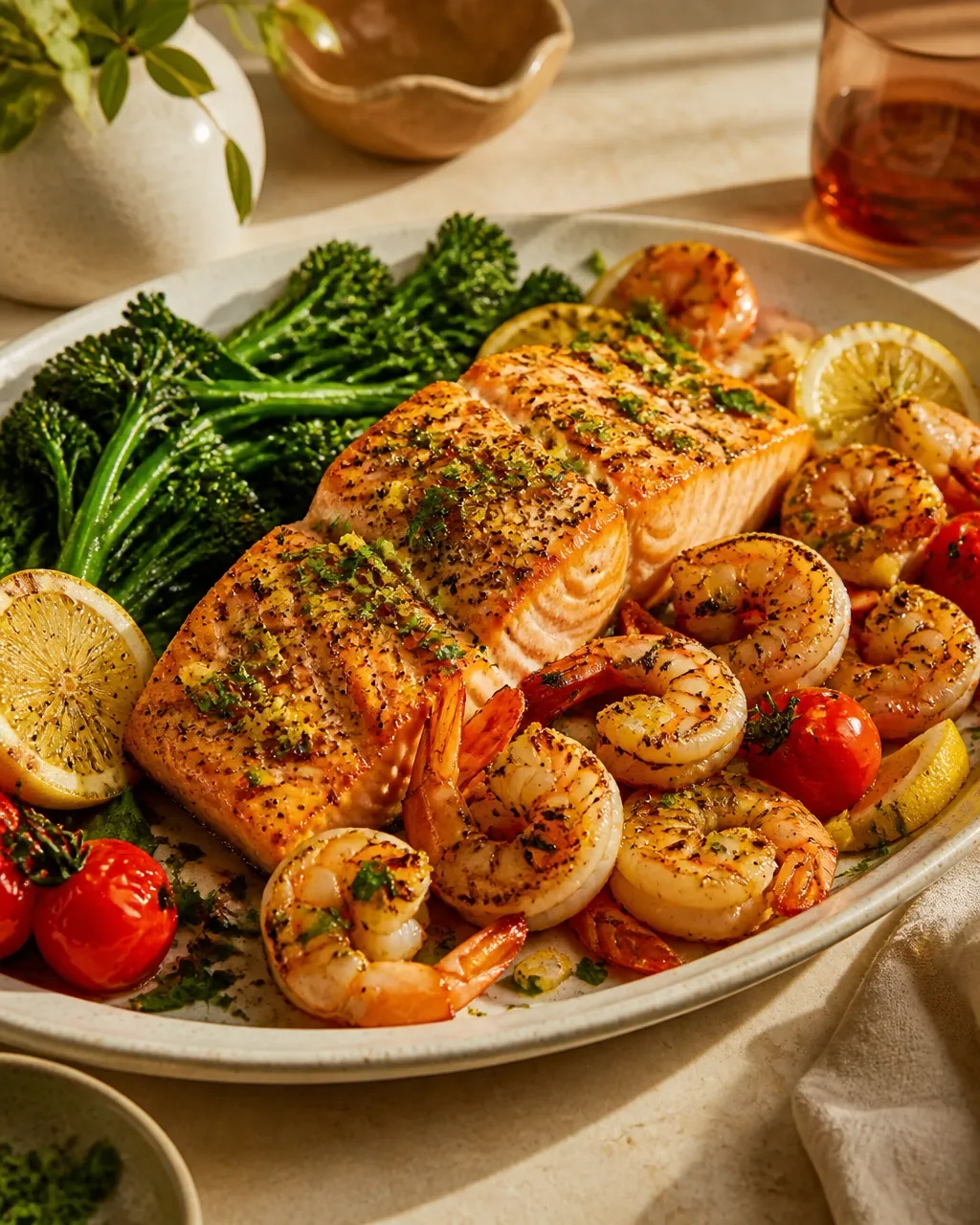
Asparagus should taste green, slightly sweet, and pleasantly crisp at the center. Give the spears room on the pan so hot air can circulate around them. Crowding traps moisture, turning roasting into steaming and leaving you with limp stalks instead of browned tips.
Heat softens the pectin that helps hold plant cell walls together. That is the science behind tender asparagus. At the same time, roasting evaporates some surface water and concentrates the vegetable’s natural flavor. The tips and cut surfaces brown particularly well because they are exposed to more heat.
Choose spears of similar thickness when possible. Thin asparagus may finish before the cod, while very thick stalks may need a head start. Arrange the vegetables so you can easily move or remove them without disturbing the fish.
Control moisture, especially on a single pan
A sheet pan works because it encourages direct contact with hot metal and plenty of evaporation. Do not cover the fish. Trapped steam will soften the crust and dilute the concentrated, roasted flavor you are trying to build.
Keep the asparagus around the cod rather than underneath it. The fish will release some moisture as its proteins tighten, and you do not want that liquid pooling beneath the vegetables. A little pan juice is welcome; a puddle is not.
Use a moderately hot oven, around 400°F, as a practical compromise. It is hot enough to brown the crust and asparagus while cooking the cod efficiently. Start checking the fish early, particularly if the fillets are thin. Cooking time is only a guide because thickness, starting temperature, and pan material all change the result.
Trust the thermometer
Check the thickest part of the cod with an instant-read thermometer. The safe minimum internal temperature for fish is 145°F (63°C), according to FoodSafety.gov’s safe temperature chart. The flesh should be opaque and separate into moist flakes.
Do not rely on flaking alone if you are unsure. A thermometer gives you a clear answer and helps prevent the most common cod problem: keeping it in the oven long after it is cooked because the asparagus needs another few minutes.
Remove the fish when it reaches the safe temperature, then let it rest briefly. Carryover heat will settle the texture, and the crust will firm slightly as it cools. Add lemon juice after cooking rather than before. Acid brightens the finished meal, but too much liquid on the raw crust can make it soft.
For another useful fish technique, compare this dish with Cookpedia’s garlic butter baked cod with roasted cherry tomatoes. The methods are different, but both rely on careful moisture control and stopping the fish at the right moment.
Variations: Keep the Method, Change the Mood
Use parsley, dill, and thyme for a fresh, garden-like crust. Add lemon zest for brightness, or choose oregano and a little smoked paprika when you want a warmer Mediterranean direction. Keep the seasoning restrained. Cod has a delicate flavor, and the crust should support it rather than stage a hostile takeover.
Make the topping gluten-free with certified gluten-free crumbs, or use finely chopped nuts for a different kind of crunch. Watch nut-based toppings closely because their natural oils can brown quickly. A thin layer still works best.
Swap cod for haddock, pollock, or another firm white fish. Adjust the cooking time according to thickness, and always check the center rather than copying the clock. Salmon can work too, but its higher fat content creates a richer result and may call for a sharper lemon or vinegar finish.
For a dairy-free version, use olive oil instead of butter in the crust. The topping may taste a little lighter, so increase the herbs and finish with citrus. If you are planning several quick healthy meals, save the same sheet-pan method for chicken cutlets, tofu, or thick slices of cauliflower.
Explore Cookpedia’s healthy recipes for more simple ways to build a weeknight rotation. On nights when you want a different appliance, browse air fryer recipes dinner, too.
Side Dish Pairings: Add Freshness and a Little Substance
Let the cod and asparagus remain the center of the plate. Choose sides that add texture or absorb flavor without competing with the herbs.
A small serving of quinoa, brown rice, or couscous makes the meal more filling and catches the lemony juices. Keep the portion modest so the dinner stays light rather than turning into a grain bowl wearing a fish costume.
A peppery arugula salad is an excellent contrast. Its slight bitterness and sharp dressing cut through the richness of the crust. Use a bright vinaigrette, not a creamy dressing; acidity is the useful counterweight here.
Crusty whole-grain bread also earns its place if you want something comforting. Serve it with steamed green beans or a simple cucumber salad for a fresh, low-effort plate. These are the kinds of pairings that turn healthy dinner ideas into meals people actually look forward to eating.
FAQ: What If the Fish or Vegetables Do Not Cooperate?
What if my cod is dry?
Check the internal temperature sooner and remove the fish at 145°F (63°C). Cod dries out when its muscle proteins contract too far and squeeze out moisture. Thin fillets can cross that line quickly.
Also inspect the crust. A very thick or wet topping can extend the cooking time while you wait for it to brown, leaving the fish overdone. Use a thinner layer and let the crust’s surface color, rather than its thickness, provide the appeal.
What if the crust stays pale and soft?
The surface probably contains too much moisture, or the pan is overcrowded. Steam prevents the temperature needed for crisp browning. Pat the fish dry, avoid adding lemon juice directly to the crumbs, and leave space between the asparagus and fillets.
If the fish is already cooked but the topping needs color, remove the cod from the oven and briefly return the pan with only the crust exposed to higher heat. Watch closely. Breadcrumbs can go from pale to burnt with astonishing confidence.
What if the asparagus is done before the cod?
Remove the asparagus and keep it loosely covered while the fish finishes. Thin spears cook quickly because they have a greater surface area relative to their volume. Thick spears may need more time than the cod.
Do not leave finished asparagus in the oven just because the fish needs another few minutes. Continued heat breaks down the cell walls further and creates the limp texture you were trying to avoid.
What if the asparagus is tough?
The spears may be unusually thick, woody near the base, or simply undercooked. Trim away the fibrous ends and give thick stalks more time. A properly roasted spear should bend slightly when lifted but still offer some resistance when you bite it.
Avoid soaking the asparagus in excess oil or liquid. Too much moisture encourages steaming rather than the concentrated flavor and browned tips that make roasted vegetables exciting.
Can I prepare this dinner ahead?
Prepare the herb crumb and trim the asparagus earlier in the day, but keep the raw cod refrigerated until you are ready to cook. Do not assemble everything hours ahead with salt and lemon on the fish. Salt draws moisture toward the surface, while acid can firm the outer proteins and soften the crust.
Store leftovers promptly in a covered container in the refrigerator. Reheat the cod gently in a low oven or in short microwave intervals. High heat squeezes out moisture and turns tender fish into something best described as a seafood doorstop.
Is this a good option for quick family meals?
Yes. The meal uses one pan, a short list of familiar components, and a cooking method that does most of the work while you prepare the table. Let each person add lemon at the end so the fish stays crisp and everyone can adjust the brightness.
Serve the cod with a grain, salad, or bread according to appetite. That flexibility makes it useful for busy households and anyone collecting dependable easy dinner recipes. For more low-fuss inspiration, visit Cookpedia’s quick meals collection and 15-minute meals.