Recipe
Servings
Servings 1×
Ingredients
- Salmon
- Steak
- Cod
- Beans
- Potatoes
- Green beans
- Tomatoes
- Garlic
- Lemon
- Pesto
- Butter
- Cooking oil
Method
- Cut them into small, fairly even pieces so the centers become tender before the edges turn too dark.
- Use a single layer and leave breathing room between the pieces.
- Pat the salmon dry before coating it.
- Spread the pesto in an even layer rather than piling it thickly in the center.
- Add them after the potatoes have begun roasting so the beans stay tender-crisp instead of collapsing into limp green ribbons.
- Keep the salmon and vegetables in separate sections of the pan when possible.
Some dinners ask for a mountain of chopping, three pans, and the emotional stamina of a cooking-show finalist. This one does not. Baked pesto salmon with roasted potatoes and green beans brings protein, vegetables, and plenty of flavor together on one sheet pan. It is colorful, filling, and wonderfully low-drama, the kind of dinner you can make on a busy evening without negotiating with your oven.
Tips & Technique: Make the Sheet Pan Work Smarter
Cut the potatoes for the same finish
Potatoes are the slowest part of this dinner, so give them a head start. Cut them into small, fairly even pieces so the centers become tender before the edges turn too dark.
The reason is simple: heat must travel from the outside of each piece toward the center. A large potato chunk has more distance to heat through, while a small piece cooks faster and develops more browned surface area. Uneven pieces create the familiar sheet-pan problem of some potatoes being perfect while others remain stubbornly firm.
Use a single layer and leave breathing room between the pieces. Overcrowding traps moisture, and trapped moisture creates steam. Steam softens vegetables but prevents proper browning. For crisp edges, space is not optional; it is the price of admission.
Dry the salmon before adding pesto
Pat the salmon dry before coating it. A damp surface makes pesto slide away and encourages steaming rather than gentle roasting.
Drying also improves flavor concentration. When the fish goes into the oven with less surface water, the heat can begin setting the exterior instead of spending its first few minutes evaporating moisture. You are not trying to create a steak-like crust, the pesto will form the flavorful topping, but you do want the surface to feel lightly set and the fish to remain moist inside.
Choose fillets with similar thickness whenever possible. Thickness controls cooking time more reliably than weight. Two pieces that weigh the same can finish at different times if one is thin and wide while the other is thick and compact.
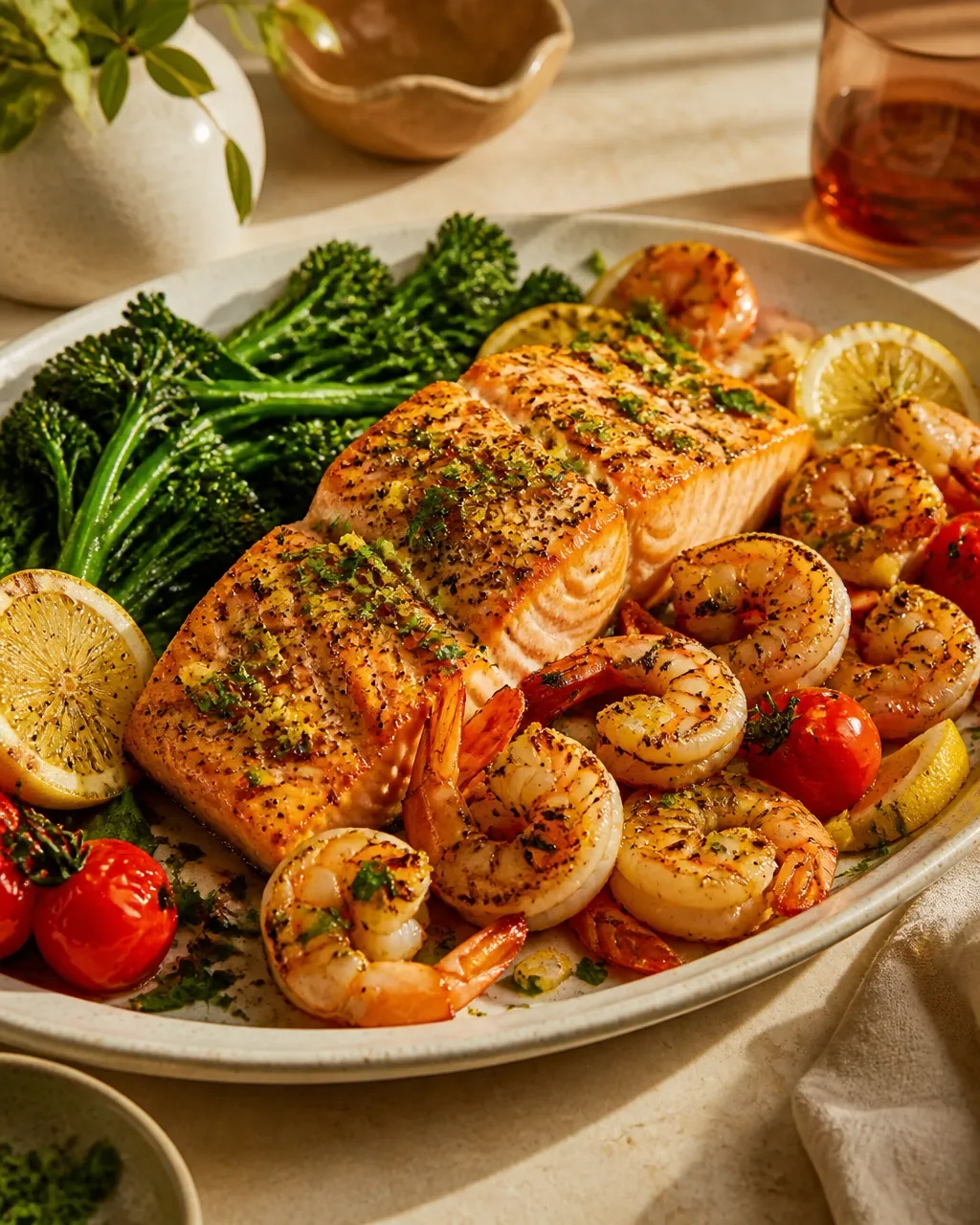
Treat pesto as both seasoning and sauce
Pesto does a lot of work here. Its herbs bring freshness, olive oil adds richness, nuts provide texture, and cheese contributes savory depth. That combination gives mild salmon a bold coating without requiring a long marinade.
Spread the pesto in an even layer rather than piling it thickly in the center. A thin, consistent coating warms more evenly and lets the salmon cook at a predictable rate. Very thick patches can stay oily while the exposed edges of the fish overcook.
Reserve a little pesto for finishing if you want the brightest basil flavor. The oven mellows garlic and herbs, which is delicious, but heat can also darken basil and flatten its fresh aroma. Adding a small spoonful after baking gives you two layers of flavor: warm, savory pesto from the oven and fresh, grassy pesto at the table.
Add green beans at the right moment
Green beans cook much faster than potatoes. Add them after the potatoes have begun roasting so the beans stay tender-crisp instead of collapsing into limp green ribbons.
Their best texture comes from a balance of heat and moisture. High heat softens the interior and encourages light blistering on the skin, while a little oil helps conduct heat across the surface. Avoid drowning them in oil or pesto. Excess coating can make them greasy and hide their clean, fresh flavor.
Keep the salmon and vegetables in separate sections of the pan when possible. This helps each ingredient roast in its own little climate and keeps fish juices from washing over the vegetables.
Check temperature, not just the clock
Use the cooking time as a guide, not a commandment carved into a wooden spoon. Salmon fillets vary widely in thickness, and ovens are not always as accurate as they claim to be.
Check the thickest part with an instant-read thermometer. For food safety, salmon should reach 145°F (63°C). The flesh should look opaque and separate into moist flakes. If you prefer a softer, more translucent center, understand that lower temperatures reduce the safety margin, particularly for young children, older adults, pregnant people, and anyone with a weakened immune system.
Remove the fish as soon as it reaches your chosen doneness. Carryover cooking continues briefly after the pan leaves the oven, and extra baking can quickly turn tender salmon dry.
Let acidity keep the dish lively
Pesto and salmon are both rich, so finish with lemon. Acidity does not remove fat, but it changes how your palate experiences it. A sharp citrus note cuts through richness and makes the meal taste lighter and more balanced.
Add lemon at the end rather than before roasting. Prolonged acid exposure can slightly firm the outer proteins of fish, while fresh lemon juice gives you a cleaner, brighter finish. A little zest can add aroma without extra liquid, which is useful when you want flavor without making the pesto runny.
For more hands-off inspiration, browse Cookpedia’s 30-minute meal collection or compare this method with our garlic butter baked cod and roasted tomatoes.
Variations: Keep the Structure, Change the Personality
Use the same sheet-pan method and adjust the finishing flavors.
For a lemon-herb version, keep the pesto modest and add parsley, dill, or oregano after baking. The herbs bring a lighter, garden-fresh character that works especially well in warmer weather.
For extra heat, stir chili flakes into the pesto or add a pinch of smoked paprika to the potatoes. Start carefully. Heat should wake up the salmon, not tackle it in a dark alley.
Make it dairy-free by choosing a pesto without Parmesan or using a homemade version built around herbs, nuts, olive oil, garlic, and lemon. The dish will taste slightly less rounded, so add a little extra acidity and toasted nuts for balance.
Swap green beans for asparagus, broccoli florets, or zucchini. Match the vegetable to the cooking time: dense vegetables need more time, while tender vegetables should join the pan later. Do not force every vegetable to follow the same schedule. The oven is not a democracy.
For a lower-carbohydrate plate, replace the potatoes with cauliflower florets or extra green vegetables. For a heartier meal, add a scoop of quinoa or brown rice. These are flexible options for healthy dinner ideas, even though salmon itself is doing most of the nutritional heavy lifting.
Side Dish Pairings: Balance Richness with Freshness
This sheet-pan dinner already includes a starch and two vegetables, so keep additional sides simple. A crisp arugula salad with lemon vinaigrette adds peppery bitterness and acidity, two useful counterpoints to oily pesto and salmon.
Serve warm crusty bread if you want something to catch the pesto and pan juices. Choose a modest portion; the bread is there for scooping, not for starting a second dinner.
A cucumber and radish salad brings cool crunch and plenty of freshness. Use a sharp dressing rather than a creamy one to preserve the meal’s light, clean balance.
For a larger gathering, add a grain salad with parsley, lemon, and roasted peppers. It can be made ahead and served at room temperature, which makes this recipe particularly useful for relaxed entertaining and practical quick family meals.
FAQ: What If the Sheet Pan Dinner Goes Sideways?
What if my potatoes are still hard when the salmon is done?
Take the salmon off the pan immediately and let it rest while the potatoes continue roasting. Potatoes need time for their starches to absorb water and soften; salmon does not become more forgiving with extra oven time.
Next time, cut the potatoes smaller or give them a longer head start. Check that they are spread in a single layer, because a crowded pan slows browning and traps steam in uneven pockets.
What if the pesto turns dark?
Basil naturally darkens with heat and air exposure. The pesto is still usable if it smells fresh and tastes good. Avoid spreading an extremely thick layer, which can darken on top before the fish finishes.
Reserve some pesto for the end. Its bright green color and fresh herbal aroma will restore contrast to the finished dish. A squeeze of lemon will also make the flavor taste fresher.
What if my salmon is dry around the edges?
The fillet may be thin, the oven may run hot, or the fish may have stayed in the oven while the potatoes finished. Check the thickest section earlier than you think you need to.
Remove thinner pieces first if necessary. You can also choose fillets with an even center thickness, which gives you a larger window between undercooked and overcooked.
What if the green beans are limp?
They probably received too much moisture or spent too long in the oven. Keep them lightly coated with oil and avoid crowding them beneath the salmon. Add them later so they roast for just long enough to become tender with lightly browned spots.
If you prefer very crisp beans, roast them on a separate pan. That gives you more control and prevents the fish’s moisture from softening them.
Can I use frozen salmon?
Yes, but thaw it fully in the refrigerator before cooking for the most even result. Frozen fish releases extra moisture as it heats, which can make the pesto slide and lengthen the cooking time.
Pat the thawed salmon dry and inspect it for thick ice crystals or excess liquid. Never thaw fish on the counter. Keep it cold until you are ready to cook.
Can I prepare this dinner ahead?
Prepare the vegetables and portion the pesto earlier in the day, then keep everything refrigerated separately. Assemble close to cooking time for the best texture.
Avoid salting the raw salmon hours ahead unless you are intentionally dry-brining it and understand the timing. Salt draws moisture toward the surface, which can change the fish’s texture. For a straightforward weeknight dinner, season shortly before baking.
How should I store leftovers?
Refrigerate leftovers within two hours in a shallow, covered container. Eat them within three to four days and reheat gently. Low oven heat or short microwave intervals will protect the salmon’s moisture better than aggressive reheating.
If the fish smells sour, feels unusually slimy, or has been left at room temperature too long, discard it. No leftover potato is worth a food-safety gamble.
Can I make this in an air fryer?
You can, but do not treat the pan method as a direct one-to-one conversion. Air fryers circulate hot air more intensely, so salmon may cook quickly while potatoes need more time. Cook the potatoes first, add the green beans later, and check the salmon early.
Use a small amount of pesto to prevent excess oil from dripping and smoking. For more compact appliance inspiration, explore Cookpedia’s air fryer dinner recipes.
Is this a good choice for healthy dinner ideas?
It can be. Salmon provides protein and beneficial fats, while potatoes and green beans make the plate satisfying without requiring a heavy sauce. Keep the pesto portion sensible and let lemon, herbs, and roasted vegetables provide the rest of the flavor.
Most importantly, build the meal around food you will actually enjoy eating. A healthy dinner should be nourishing, practical, and good enough to make again( not a punishment served on a very clean plate.)