Recipe
Servings
Servings 1×
Ingredients
- Salmon
- Beans
- Green beans
- Tomatoes
- Cream
- Cooking oil
- Salt
Method
- Use this guide to make the dish flavorful, moist, and properly cooked every time.
- Pat the salmon dry before seasoning.
- Heat changes the fish’s muscle proteins, causing them to tighten.
- Remove the salmon promptly once it reaches that point rather than leaving it in the oven while you wait for the vegetables to become dramatically softer.
- Give the tomatoes and green beans enough room on the baking tray.
- Use a rimmed tray to keep the tomato juices where they belong.
Some dinners try very hard to impress you. This one simply gets on with it.
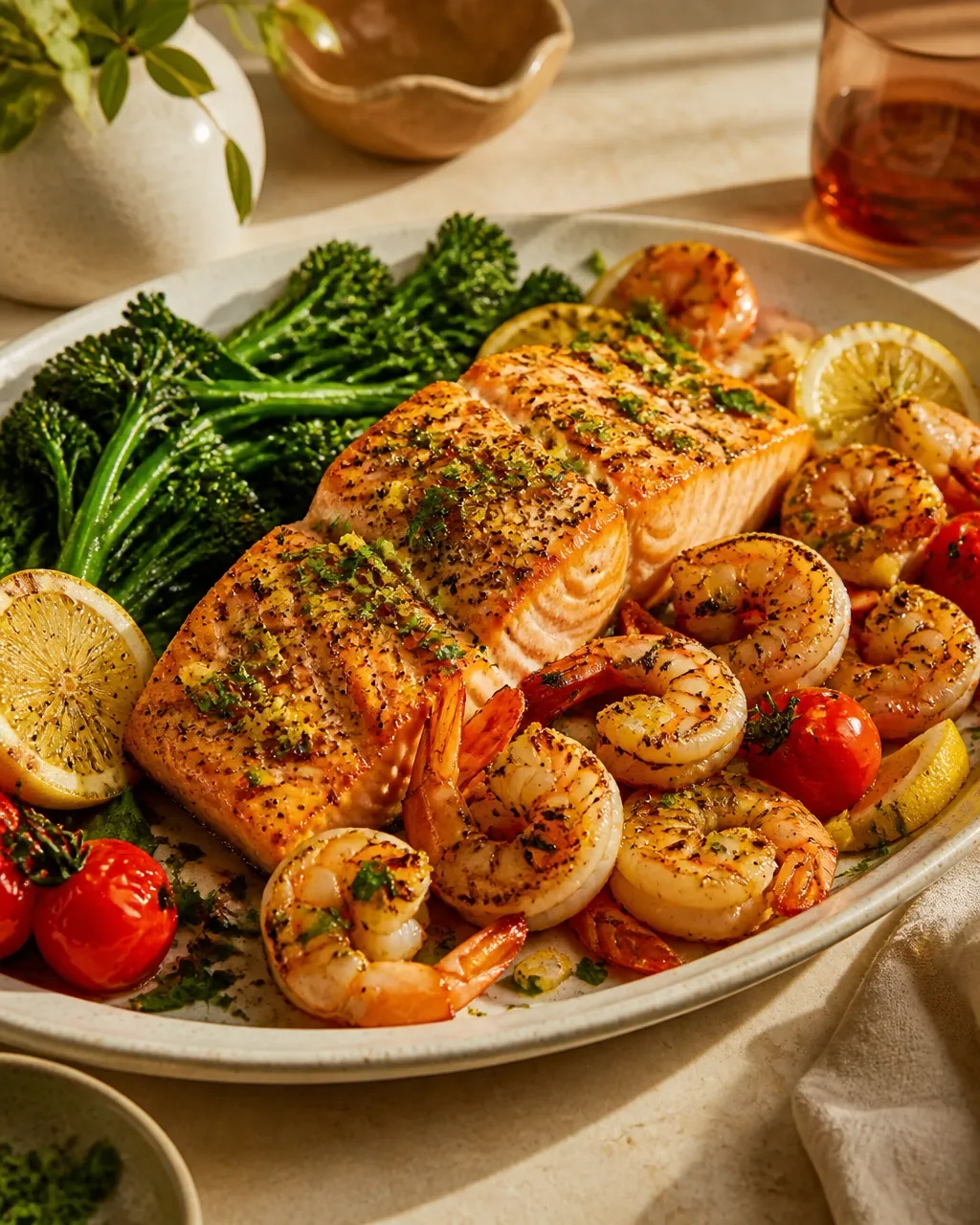
Cherry tomato basil baked salmon with green beans brings together tender fish, sweet roasted tomatoes, bright herbs, and a fresh vegetable side in one easy oven meal. It feels polished enough for company but practical enough for a Tuesday when everyone is hungry and the kitchen cleanup budget is approximately zero.
Use this guide to make the dish flavorful, moist, and properly cooked every time.
Tips & Technique: Let Heat, Moisture, and Timing Work Together
Choose salmon that cooks evenly
Select salmon fillets with a similar thickness. Matching pieces cook at roughly the same rate, which keeps one portion from drying out while another is still underdone.
Center-cut fillets are especially reliable because they are usually thick and fairly even. Thin tail pieces can work, but they need closer attention. Treat the clock as a helpful suggestion, not a legally binding contract.
Pat the salmon dry before seasoning. A wet surface releases steam, and too much steam can leave the fish soft on the outside instead of gently firm. Drying also helps oil and seasonings cling to the salmon rather than sliding into the pan.
Understand why salmon dries out
Salmon is rich in natural fat, but that does not make it impossible to overcook. Heat changes the fish’s muscle proteins, causing them to tighten. As they tighten, they squeeze out moisture.
That process is useful up to a point. It transforms raw salmon into tender, flaky fish. Push it too far, however, and the flakes become firm, chalky, and determined to stick to the roof of your mouth.
Check the thickest section with an instant-read thermometer and cook the fish to 145°F (63°C) for the standard food-safety target. The center should look opaque and separate into moist flakes. Remove the salmon promptly once it reaches that point rather than leaving it in the oven while you wait for the vegetables to become dramatically softer.
If your fillets vary in thickness, rely on temperature instead of appearance. A thermometer takes the guesswork out of dinner and prevents the classic “surely it needs another five minutes” disaster.
Use the tomatoes as a built-in sauce
Cherry tomatoes do more than add color. As they heat, their cell walls soften and their skins split. The tomatoes release sweet-tart juices that mingle with the salmon’s flavorful cooking fat and seasoning.
This creates a loose pan sauce without flour, cream, or a separate saucepan demanding attention. Roasting also concentrates the tomatoes’ natural sugars, making them taste sweeter and rounder. Their acidity remains important, though. That bright edge cuts through the richness of the salmon and keeps the plate from feeling heavy.
Give the tomatoes and green beans enough room on the baking tray. Crowding traps moisture, encouraging steaming rather than roasting. Steamed vegetables can still be perfectly edible, but they will not develop the same lightly browned edges or concentrated flavor.
Use a rimmed tray to keep the tomato juices where they belong. Otherwise, your oven may receive an unexpected tomato-basil makeover.
Protect basil’s freshest flavor
Fresh basil contains delicate aromatic oils that are easily dulled by prolonged heat. That is why basil can taste wonderfully peppery and fragrant when raw but muted after a long bake.
Keep some basil for the finish. A little heat softens its flavor and lets it blend with the tomatoes, while fresh leaves added at the end provide the lively aroma that makes the whole dish taste brighter.
Think of basil as a finishing herb rather than a vegetable that needs to be thoroughly cooked. Do not bury every leaf under the salmon and expect it to emerge heroic.
Roast green beans for contrast
Green beans bring structure to this dinner. Their slight vegetal bitterness and crisp-tender bite balance the soft, rich salmon and juicy tomatoes.
Spread them in a single layer and avoid drowning them in oil. They need enough coating to conduct heat and encourage browning, but too much will make them limp. Salt also draws moisture toward the surface, so season thoughtfully if you want the beans to retain some snap.
Thicker beans may need more time than slender ones. If your beans are especially large, give them a head start in the oven or choose thinner beans for a more synchronized sheet-pan dinner. The non-negotiable is texture: aim for tender enough to bite easily, with enough resistance to remind you that vegetables are not supposed to collapse into surrender.
For more hands-off ideas, browse Cookpedia’s healthy recipes and 30-minute meal collection.
Variations: Change the Balance, Not the Method
Keep the oven technique steady and adjust the flavor direction.
For a Mediterranean version, add oregano, olives, and a little crumbled feta after baking. The salty ingredients sharpen the sweet tomatoes, while lemon keeps the richer salmon from tasting too dense.
For a spicy version, use chili flakes, smoked paprika, or a spoonful of harissa. Add heat carefully. Salmon has a naturally rich flavor, so a little spice creates contrast; too much will bulldoze the basil and tomatoes.
For a dairy-free plate, stick with olive oil and finish with lemon juice. The dish will taste lighter, but you may want extra herbs or a splash of vinegar to keep the sauce lively.
Swap the salmon for trout if you prefer a thinner, more delicate fillet. Use cod or haddock for a leaner result, but watch the cooking temperature closely because lean white fish loses moisture faster. Cook according to thickness, not wishful thinking.
You can also turn the meal into a bowl by flaking the salmon over quinoa, brown rice, or farro. Add the roasted tomatoes and green beans, then spoon the pan juices over everything. Suddenly, leftovers look intentional. Excellent kitchen camouflage.
Side Dish Pairings: Add Freshness and Something to Catch the Juices
Let the salmon remain the star and choose sides that improve balance.
Serve the dish with quinoa, brown rice, or couscous when you want more staying power. These grains absorb the tomato juices and turn a light meal into one of those dependable quick family meals that satisfies without requiring a second dinner later.
Add a simple arugula salad for peppery freshness. Keep the dressing sharp and light with lemon or vinegar. The acidity reinforces the tomatoes and cuts through the salmon’s richness.
Crusty bread is the least complicated pairing and possibly the most popular. Use it to mop up the pan juices. Waste not, want not, and definitely do not leave good tomato-basil sauce behind.
For another easy fish dinner, try Cookpedia’s garlic butter baked cod with roasted cherry tomatoes. If you want to keep the oven off, explore Cookpedia’s quick meals or browse air fryer recipes dinner.
FAQ: What If Dinner Does Not Go Exactly to Plan?
What if my salmon is dry?
Check the thickest part with a thermometer rather than relying only on the cooking time. Salmon dries out when its proteins tighten too much and squeeze away moisture.
Also consider the fillet’s shape. A thin piece can finish several minutes before a thick center-cut portion. Remove individual pieces as they reach the correct temperature instead of forcing every fillet to stay in the oven together.
Spoon the roasted tomato juices over the fish before serving. They will not reverse overcooking, but they will add moisture and acidity to each bite.
What if my salmon is still translucent in the center?
Return it to the oven briefly and check again in the thickest section. Slight translucence can occur in moist salmon, but the fish should reach 145°F (63°C) for the standard safe-cooking target.
Do not judge doneness from color alone. Salmon varieties differ naturally, and some remain darker or more orange even when fully cooked. Use temperature and texture together.
What if my green beans are still tough?
Bean size is usually the culprit. Thick, mature beans require more heat and time than slender young beans. Give them additional roasting time, but remove the salmon first if the fish is already done.
Avoid piling the beans into a crowded mound. Restricted airflow traps steam and slows browning. A wide tray and a single layer will help them cook more evenly.
What if the tomatoes are not bursting?
Keep roasting them until their skins wrinkle and several begin to split. Larger tomatoes may need extra time, and a crowded tray can make them steam instead of roast.
Do not insist that every tomato collapse completely. Softened tomatoes with a few browned spots are ready to contribute their juices. Perfection is not required; dinner is.
What if the basil tastes dull?
Add fresh basil after baking. Heat drives off some of basil’s most aromatic compounds, so herbs added too early can lose their fragrance.
Use a combination of lightly warmed basil and fresh finishing leaves if you want both integrated flavor and a bright herbal aroma. A squeeze of lemon will also make the basil seem more noticeable by adding contrast.
Can I prepare this dinner ahead of time?
Prepare the vegetables and seasonings earlier, but keep the raw salmon refrigerated until you are ready to cook it. Avoid salting the fish hours in advance unless you are deliberately dry-brining it and understand how that changes the texture.
Store leftovers in a covered container in the refrigerator and reheat them gently. Use a low oven or short microwave intervals. High heat causes the fish proteins to tighten again, which turns tender salmon into something with the bounce of a pencil eraser.
Is this a good choice for healthy dinner ideas?
Yes. The meal centers on salmon, vegetables, herbs, and a modest amount of cooking fat. Salmon provides protein and beneficial fats, while tomatoes and green beans add color, fiber, and contrasting textures.
Keep the balance sensible by letting the roasted tomatoes, basil, garlic, and lemon provide most of the flavor. Add a moderate portion of whole grains if you need extra energy, or keep the plate vegetable-forward for a lighter dinner.
For more simple, real-food meals suited to busy evenings, visit Cookpedia’s dinner recipes and healthy cooking collection.