Recipe
Servings
2 servings 1×
Serves 2Prep 5 minCook 10 minTotal 15 min
Nutrition per serving
Ingredients
- 1 lb large shrimp peeled and deveined
- 4 tbsp butter unsalted
- 5 cloves garlic minced
- 1 tbsp lemon juice fresh
- 1/4 cup parsley freshly chopped
Method
- Pat shrimp bone-dry with paper towels.
- Moisture is the enemy of the Maillard reaction (the golden sear).
- Melt half the butter over high heat.
- Sear shrimp for 1-2 minutes per side until pink and curled into a ‘C’ shape.
- Drop heat to medium.
- Add remaining butter and garlic.
- Sauté for 60 seconds until fragrant but not brown.
- Squeeze lemon juice over the pan and toss with parsley.
- The butter and lemon will form a thick, glossy glaze.
- Serve immediately.
You’ve had one of those days. The kind where your inbox is a disaster zone, your phone won’t stop buzzing, and the last thing you want to do is spend an hour hovering over a hot stove. We’ve all been there, staring into the fridge like it’s a magic portal that might suddenly produce a Michelin-star meal. Spoiler alert: it won’t. But if you have a bag of shrimp and a head of garlic, you’re exactly fifteen minutes away from a dinner that tastes like you actually have your life together. This isn’t just another addition to your list of healthy dinner ideas; it’s a masterclass in efficiency and flavor physics.
The Physics of the Pan: Why Science Makes Better Shrimp
Cooking shrimp is less about “following a recipe” and more about managing heat, moisture, and timing like a tiny seafood traffic controller. If you’ve ever bitten into shrimp that felt like a pencil eraser with ambition, you’ve seen what happens when protein gets pushed too far. Shrimp are built for flash-cooking. They’re small, lean, and packed with muscle proteins that go from supple to stiff in a hilariously short amount of time. That’s why this dish works so well for rushed evenings and why it also punishes inattention with the speed of a parking ticket.
Flash-cooking is all about exposing food to intense heat for a short period so the outside develops color before the inside overcooks. With shrimp, you don’t have much margin for error because the proteins denature quickly. As the heat rises, the proteins unwind, bond together, and firm up. That’s useful right up until the moment it isn’t. Push too far and those tightened proteins squeeze out moisture, leaving you with shrimp that bounce when they should snap. Use high heat, but use it briefly. This is one of those rare kitchen situations where being a little bossy with your pan is the right move.
Let’s start with the sear. Browning happens when the surface gets hot enough for the Maillard reaction, the series of chemical reactions that creates savory, nutty, deeply appealing flavor. For shrimp, this only happens if the exterior is dry and the pan is genuinely hot. If water is hanging around on the surface, your pan wastes energy boiling it off first. That keeps the temperature stuck around 212°F instead of climbing into proper browning territory. Use paper towels. Blot aggressively. Do not give the shrimp a spa treatment. Give them a full moisture eviction notice.
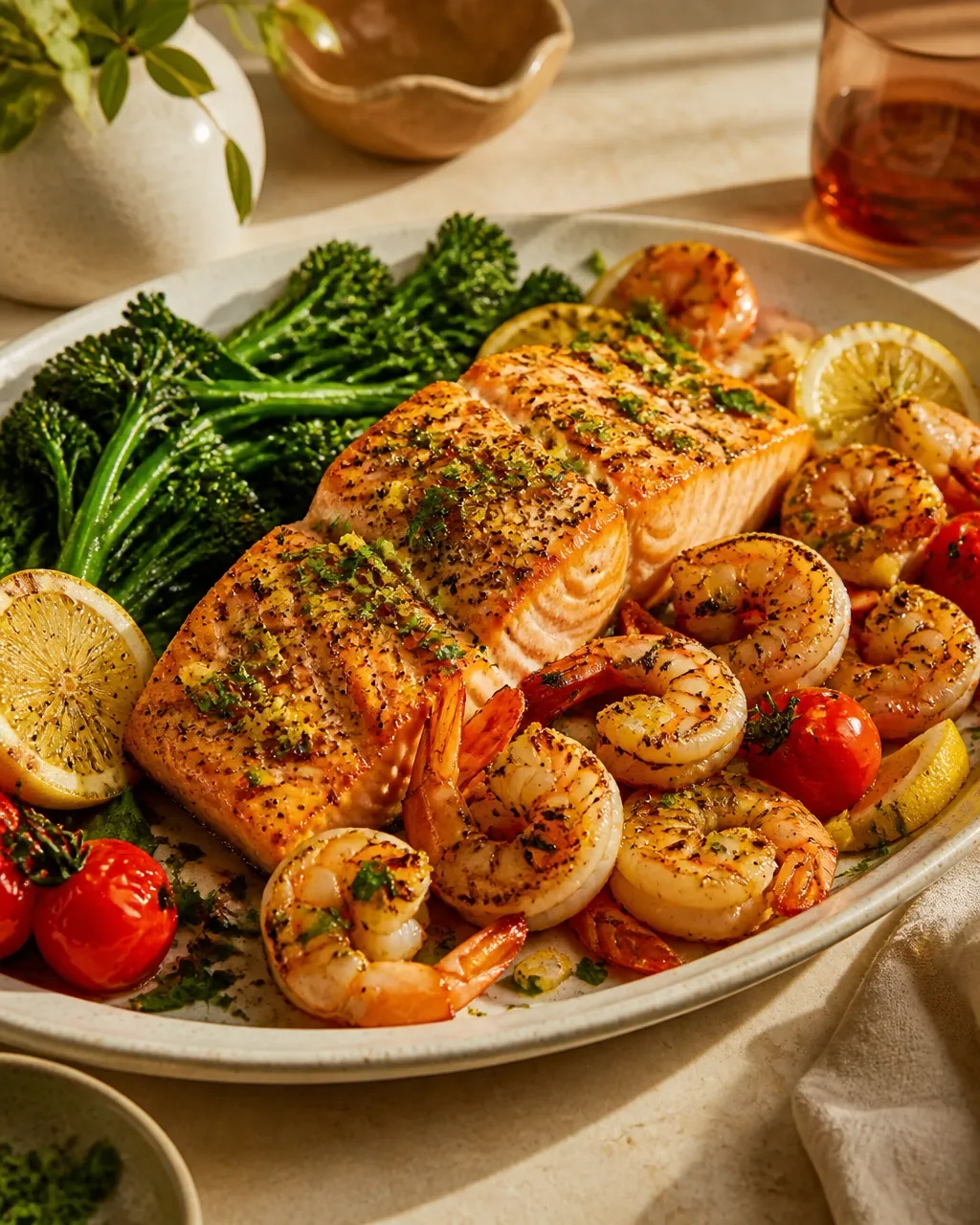
This is where the physics gets fun. A hot pan transfers energy quickly by direct contact. If the shrimp are wet, that energy gets hijacked by evaporation. Instead of browning, you get pale, damp seafood and a pan full of disappointment. Dry surfaces brown faster because the heat can get straight to work on sugars and amino acids at the exterior. Translation: dry shrimp equals better color, better flavor, and a dinner that tastes intentional.
Pan crowding is the next trap. When too many shrimp go in at once, they release moisture faster than the pan can evaporate it. Instead of searing, they steam. Steam has its place in the world. This is not it. Leave space between pieces so the hot fat can make direct contact with the shrimp and transfer heat efficiently. That direct contact matters because searing is basically controlled chaos at the surface: fast evaporation, browning, and protein tightening all happening in a very small window.
Then there’s the geometry test. Remember three letters: I, C, and O.
- “I” is underdone. The shrimp is still relatively straight and translucent.
- “C” is cooked. That’s the sweet spot, where the proteins have tightened enough to give structure but not so much that they squeeze out every drop of moisture.
- “O” is overcooked. If your shrimp curls into a tight ring, it has gone from dinner to cautionary tale.
Why does that shape matter? Because heat causes the proteins in shrimp muscle to denature and contract. As they tighten, the shrimp curls. A gentle curl means the fibers are set but still juicy. A hard curl means the fibers have clenched like they’re bracing for bad news. Pull them as soon as they hit that “C” shape. Respect carryover cooking too. The shrimp keep cooking for a short time after leaving the pan because the residual heat in the exterior keeps moving inward. If they look absolutely perfect while still blazing away in the skillet, you’re already late.
Now let’s talk about garlic oil infusion, because this is where the dish stops being “shrimp plus butter” and starts tasting like you know exactly what you’re doing. Garlic flavor compounds are both water-soluble and fat-soluble, but fat is especially good at carrying aroma across the whole dish. When chopped garlic hits warm butter or oil, its sulfur compounds disperse into the fat, which then coats every shrimp and every bite of whatever you serve alongside it. That’s why a properly infused garlic butter tastes bigger than the ingredient list would suggest.
Garlic’s punch comes largely from allicin, but here’s the sneaky science part: whole garlic cloves do not just sit around full of allicin waiting to impress you. Intact garlic contains alliin and an enzyme called alliinase in separate compartments. Once you chop, crush, or grate the clove, you break those compartments and the enzyme converts alliin into allicin. In other words, the flavor fireworks begin when you damage the garlic. Very metal. Very delicious.
That also means prep affects flavor. Crush or finely mince garlic for a more intense hit because you rupture more cells and create more allicin-producing action. Slice it for a milder, rounder result. If you want maximum garlic aroma, let the chopped garlic sit for a few minutes before it hits the pan. That brief rest gives the enzyme time to do its job before heat starts shutting things down.
And heat absolutely does shut things down. Allicin is unstable and volatile, which is a polite scientific way of saying it’s dramatic. It forms quickly, smells amazing, and then starts breaking apart when exposed to heat. But that breakdown is not automatically bad. As allicin transforms, it creates mellower sulfur compounds that are less sharp and more savory. That’s the whole trick of garlic oil infusion: use enough heat to soften raw harshness and perfume the fat, but not so much that the garlic burns and goes bitter. Burned garlic doesn’t taste “rustic.” It tastes like regret.
Butter adds another layer of physics here. Butter contains water, milk solids, and fat. Those milk solids are flavor gold, but they can also brown fast. That’s great if you’re paying attention and awful if you’re not. When garlic joins the butter, both ingredients become sensitive to heat. This is why timing matters more than brute force. Use high heat to get color on the shrimp, then back off so the butter and garlic can finish the job without burning. That sequencing gives you the best of both worlds: proper sear and a glossy sauce that actually tastes like garlic butter instead of a campfire mishap.
If you want the garlic flavor to spread evenly, swirl or spoon the infused butter over the shrimp instead of letting the garlic sit in one angry little corner of the pan. Fat is your delivery system. Use it. Let the garlic steep briefly in the hot butter so the flavor disperses, but do not wander off to answer a text. Garlic can go from golden to scorched in less time than it takes to choose an emoji.
Acid helps too, but only at the right moment. A squeeze of lemon at the end brightens the sauce and balances the richness, while also lifting some of the browned bits from the pan. Add it too early and you lower the pan temperature and interfere with searing. Add it late and it stays lively. This is one of those small choices that separates a flat shrimp dish from one that tastes sharp, rich, and weirdly competent.
If you want the short version, here it is. Dry shrimp thoroughly. Heat the pan properly. Avoid crowding. Pull at the “C.” Add garlic late enough to infuse the fat, not burn in it. These are not suggestions. These are the rules that keep shrimp juicy, garlic fragrant, and dinner firmly in the win column. This level of technique is exactly why our cooking guides focus on the “why” behind the “how,” especially for meals that need to move fast without tasting rushed.
Flavor Deviations: Taking It Beyond the Basics
While the classic garlic butter profile is hard to beat, you aren’t limited to one flavor lane. Once you understand the sear, the flash-cooking window, and the garlic timing, you can tweak the flavor without messing up the structure. Think of the core method as your reliable little black skillet.
For a Mediterranean-style version, use acidity to cut through richness. A splash of dry white wine added after the shrimp are seared loosens the fond from the pan and builds a sharper, more layered sauce. The acidity keeps the butter from feeling heavy, while briny add-ins like capers or olives give you contrast. This variation works because rich fat loves a bright, salty interruption.
If you want a smoky version, coat the shrimp lightly with paprika, black pepper, and a pinch of chile before cooking. The spices toast in the fat and create deeper savory notes without changing the speed of the dish. This is one of my favorite ways to keep quick family meals interesting, because it feels different without requiring extra drama.
For a fresher profile, finish with lemon zest and herbs instead of leaning harder on butter. Zest carries aromatic oils without adding extra liquid, so you get brightness without sabotaging the sear. Parsley, dill, or chives all work because they add freshness where shrimp and butter naturally run rich.
You can also nudge the dish in a tropical direction by swapping some or all of the butter for coconut oil and finishing with lime. Coconut oil behaves differently because it doesn’t contain the same milk solids as butter, so you lose some nutty depth but gain a cleaner, lighter finish. The lime then steps in to keep things sharp. If you like that flavor profile, it fits nicely into a rotation of healthy dinner ideas that still feel like real food, not sad compromise.
Another smart variation is to lean into garlic oil instead of heavier butter. Use a neutral oil with just enough butter for flavor, and the result feels lighter while still carrying the garlic aroma beautifully. This works because oil stays fluid and efficient at coating the shrimp, while a smaller amount of butter brings the flavor roundness. It’s a good move if you want something that lands closer to weeknight-friendly than steakhouse-rich.
Side Dish Pairings: Balancing the Plate
Garlic butter shrimp hits hard on richness and aroma, so your side dish should bring balance, not competition. Think contrast. Think structure. Think “what helps this sauce taste even better?” not “what can I pile on for sport?”
If you’re keeping things light, use zucchini noodles or a pile of simply cooked greens. Zucchini has tons of water, so keep it barely warmed. Overcook it and it leaks into the sauce, thinning everything out and undoing your hard-earned buttery gloss. Greens like spinach or kale work because a bit of bitterness cuts through richness.
If you want comfort, go with crusty bread, rice, or a restrained pasta shape. Bread is obvious and glorious because it soaks up sauce without apology. Rice is useful because it absorbs flavor while staying neutral. Pasta can work too, but keep it simple so the shrimp stays the main event.
For a fresher pairing, use something peppery or acidic. Arugula with lemon vinaigrette is excellent because bitterness and acid both help reset your palate between bites. A crunchy cucumber salad does the same job from a different angle. When the main dish is rich, the side dish should either absorb, brighten, or refresh. Preferably one of those. Ideally all three.
If you’re planning this as one of your faster air fryer recipes dinner backups on another night, keep the same pairing logic. Rich shrimp still needs a side that cools things down or soaks things up. The science doesn’t care whether the shrimp came from a skillet or a convection basket; balance is still the assignment.
The "What If" Files: Garlic Butter FAQ
What if I only have frozen shrimp?
Use them! In many cases, "fresh" shrimp at the grocery store is just frozen shrimp that’s been thawed behind the counter anyway. The key is how you thaw them. Avoid the microwave at all costs: it will start to cook the exterior while the interior is still an ice cube. Place them in a bowl of cold water for 15 minutes. Once thawed, refer back to the most important rule: dry them thoroughly. Frozen shrimp tend to hold more exterior moisture, so be aggressive with the paper towels.
Why did my garlic turn blue or green?
Don't panic; you haven't created a biohazard. This is a natural reaction between the sulfur compounds in the garlic and trace minerals (like copper) in your water or pan, or even the acid in lemon juice. It’s totally safe to eat, though it looks like a middle school science experiment. To prevent this, use fresh garlic rather than the pre-minced stuff in jars, which is more prone to discoloration.
Can I make this in an air fryer?
While this specific recipe excels in a pan for the sake of the butter sauce, you can certainly adapt your air fryer recipes dinner routine for shrimp. Toss the shrimp in melted butter and garlic, then air fry at 400°F for about 5-8 minutes. You won’t get the same pan-emulsified sauce, but you’ll get a great snap on the shrimp. Just keep an eye on them; the air fryer is a convection beast and can turn shrimp into rubber in the blink of an eye.
How do I reheat leftovers without ruining them?
Reheating shrimp is a delicate operation. If you use a microwave, you’re basically asking for a chewy disaster. Instead, use a low-heat skillet with a tiny splash of water or extra butter. Cover the pan for 2 minutes just to let the steam penetrate the shrimp. You want to bring them back to "warm," not "cook" them again. Better yet, eat them cold in a salad the next day: garlic butter shrimp is surprisingly delicious chilled.
Should I leave the tails on?
This is a matter of debate, but scientifically, the shells (including the tails) contain a lot of flavor. Cooking with the tails on can actually add more depth to your butter sauce. From a practical standpoint, it also gives you a "handle" if you're serving these as an appetizer. However, if you’re tossing them into pasta or over zoodles, save yourself the hassle of picking them out later and peel them beforehand.
If you're looking for more ways to master simple, high-impact flavors, dive into our guide on starch emulsions to see how pasta water can transform your sauces. Now, stop reading and get that pan hot( dinner is only fifteen minutes away.)