Recipe
Servings
Servings 1×
Ingredients
- Chicken
- Salmon
- Shrimp
- Fettuccine
- Pasta
- Noodles
- Broccoli
- Asparagus
- Spinach
- Garlic
- Lemon
- Cream
- Hard cheese
- Butter
- Cooking oil
- Black pepper
Method
- Use that starchy water religiously.
- Use a microplane and stop once you hit the white pith; that white part is bitter and will ruin the vibe.
- Toss them into the hot pasta right as you mix in the sauce; the residual heat will wilt them just enough to keep their vibrant color and slight bite.
- Use a very basic vinaigrette: think three parts olive oil to one part fresh lemon juice: and a heavy hand with the black pepper.
- Use nutritional yeast in place of Parmesan to keep that savory, "cheesy" depth.
You know those nights when the fridge is looking back at you with judgment and the clock is ticking faster than your patience? We have all been there. You want something that tastes like a weekend in the Amalfi Coast but you only have the energy for a Tuesday in the suburbs. That is where my 15-Minute Lemon Ricotta Pasta comes into play. It is the crown jewel of quick healthy meals because it relies on high-impact pantry staples and zero complex maneuvers. It is bright, it is creamy, and it is going to be your new best friend.
The Science of the Starchy Emulsion
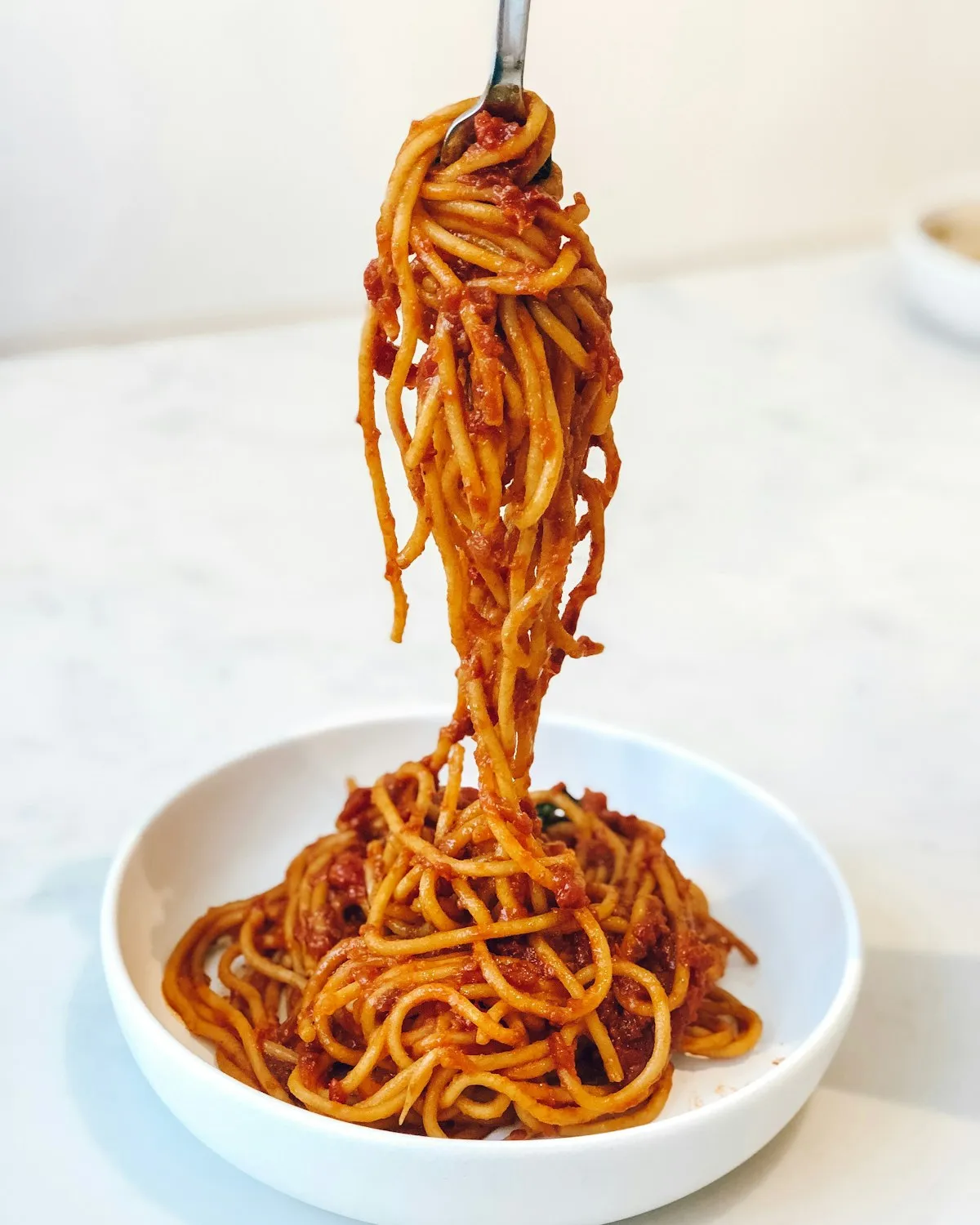
When you are diving into the world of 15 minute meals, you might think you have to sacrifice texture for speed. You don't. The magic of this dish lies in a concept called emulsification. Think of it as a forced friendship between fat and water. Ricotta, on its own, is a bit of a wallflower; it is thick, slightly grainy, and won't naturally coat a noodle. However, when you introduce the "Liquid Gold": otherwise known as starchy pasta water: everything changes.
Use that starchy water religiously. As the pasta boils, it releases amylose and amylopectin (starches) into the water. When you whisk this cloudy liquid into your ricotta and lemon base, the starch acts as a bridge. It binds the milk fats in the cheese to the liquid, creating a glossy, silk-like sauce that actually clings to the pasta instead of sliding off into a puddle at the bottom of the bowl. This is the same principle I discuss in my guide to achieving the perfect glossy sauce for one-pot linguine.
Temperature control is your next non-negotiable. Ricotta is a heat-sensitive soul. Avoid boiling the sauce once the cheese is added. If you subject ricotta to high, direct heat, the proteins can tighten up and become unpleasantly grainy or "squeaky." Instead, whisk your sauce components together in a separate bowl or in the pan off the heat. The residual heat from the freshly drained pasta and that splash of hot pasta water is all you need to reach the perfect temperature.
Don't ignore the lemon zest. While the juice provides the acidity needed to cut through the richness of the whole-milk ricotta, the zest contains the essential oils that carry the actual "lemony" aroma. Always zest your lemon before you juice it: it is a lot easier that way. Use a microplane and stop once you hit the white pith; that white part is bitter and will ruin the vibe. For anyone looking for healthy dinner ideas, this focus on fresh aromatics instead of heavy creams is a game-changer.
Clever Twists and Additions
One of the reasons I love quick family meals is their ability to act as a blank canvas. If you want to bulk this up, start with your protein. Seared shrimp or even flaked, pan-seared salmon (as seen in the photo above) pairs beautifully with the citrus notes. If you are in a massive rush, grab a rotisserie chicken, shred it with a fork, and toss it in at the very last second.
Check your crisper drawer for greens. Baby spinach or arugula are perfect because they require zero actual cooking. Toss them into the hot pasta right as you mix in the sauce; the residual heat will wilt them just enough to keep their vibrant color and slight bite. If you want a bit of crunch, toasted pine nuts or even a handful of panko breadcrumbs sautéed in a little garlic oil will provide a sophisticated texture contrast that makes people think you spent an hour on dinner.
For a bit of heat, add a generous pinch of red pepper flakes into your olive oil before you stir in the ricotta. The oil will "bloom" the spice, spreading that warmth evenly throughout the dish. If you find the ricotta a bit too mild, swap out a quarter of it for a funky goat cheese or a sharp Pecorino Romano. This adds a salty, tangy depth that balances the floral notes of the lemon.
Balancing the Plate: Side Dish Pairings
Because this pasta is inherently rich and creamy, you need a side dish that provides a sharp, acidic contrast. A simple arugula salad is my top recommendation. Use a very basic vinaigrette: think three parts olive oil to one part fresh lemon juice: and a heavy hand with the black pepper. The peppery bite of the arugula and the sharp dressing reset your palate between every bite of creamy pasta.
If you want something warm, roasted vegetables are excellent quick healthy meals companions. Try charred broccolini or asparagus. The smoky, bitter notes of charred greens provide a great counterpoint to the sweet creaminess of the ricotta. If you have an air fryer handy, you can even whip up some quick roasted peppers. I’ve found that using air fryer recipes dinner style for sides is a fantastic way to keep the stovetop clear while your pasta finishes. It’s a trick I often use when making my Kielbasa Pierogi Roast, where the air fryer does all the heavy lifting.
Your Questions, Answered (FAQ)
My sauce is looking "clumpy" rather than creamy. What happened?
This usually happens for two reasons: the heat was too high or the water-to-cheese ratio was off. If the sauce looks tight or grainy, add more pasta water, one tablespoon at a time, and whisk vigorously. The starch and the mechanical action of whisking will help smooth out those proteins. Remember: never boil the ricotta!
Can I use part-skim ricotta instead of whole milk?
You can, but you probably shouldn't if you want that restaurant-quality finish. Part-skim ricotta has a higher water content and less fat, which often leads to a grainier texture when heated. Whole milk ricotta provides the stability and mouthfeel that makes this dish feel like a treat. If you must use part-skim, add a teaspoon of butter to the sauce to help with the emulsion.
I forgot to save the pasta water! Is the meal ruined?
It’s not ruined, but we need to pivot. Do not just use plain tap water; it lacks the starch needed to bind the sauce. Instead, use a splash of warm milk or even a little bit of chicken broth. If you have some, whisk a tiny pinch of cornstarch into the liquid before adding it to the pan to mimic that starchy pasta water effect.
What is the best pasta shape for this recipe?
Long, flat noodles like linguine or fettuccine are classic because they provide a large surface area for the sauce to cling to. However, if you are making quick family meals for kids, short shapes like fusilli or shells are actually better. The "nooks and crannies" in those shapes act like little cups that trap the ricotta sauce, ensuring every bite is flavorful.
How do I store and reheat leftovers?
Pasta with cream-based or cheese-based sauces can be tricky to reheat because the emulsion breaks, leaving you with greasy noodles. Store it in an airtight container for up to three days. When reheating, add a splash of milk or water and heat it very gently on the stove over low heat. Avoid the microwave if possible, as it tends to zap the moisture out of the cheese.
Can I make this vegan?
Absolutely. There are some fantastic almond-based or cashew-based ricottas on the market now. Just be aware that plant-based fats melt differently. You might need to add a bit more olive oil to get that same glossy finish. Use nutritional yeast in place of Parmesan to keep that savory, "cheesy" depth. It’s one of my favorite healthy dinner ideas for a meatless Monday!
{“@type”:”BlogPosting”,”image”:”https://cdn.marblism.com/TkFSAwLhNxd.webp”,”author”:{“name”:”Penny”,”@type”:”Person”},”@context”:”https://schema.org”,”headline”:”15-Minute Lemon Ricotta Pasta”,”publisher”:{“logo”:{“url”:”https://cdn.marblism.com/KxroJ1kM_KA.webp”,”@type”:”ImageObject”},”name”:”Cookpedia”,”@type”:”Organization”},”mainEntity”:[{“name”:”My sauce is looking clumpy rather than creamy. What happened?”,”@type”:”Question”,”acceptedAnswer”:{“text”:”This usually happens because the heat was too high or the water-to-cheese ratio was off. To fix it, add more pasta water, one tablespoon at a time, and whisk vigorously off the heat.”,”@type”:”Answer”}},{“name”:”Can I use part-skim ricotta instead of whole milk?”,”@type”:”Question”,”acceptedAnswer”:{“text”:”You can, but whole milk ricotta is recommended for a smoother, less grainy texture. If using part-skim, add a teaspoon of butter to help the emulsion.”,”@type”:”Answer”}},{“name”:”I forgot to save the pasta water! Is the meal ruined?”,”@type”:”Question”,”acceptedAnswer”:{“text”:”No, but don’t use plain tap water. Use a splash of warm milk or chicken broth, ideally with a tiny pinch of cornstarch mixed in to mimic the starchiness.”,”@type”:”Answer”}}],”description”:”A quick, creamy, and healthy 15-minute lemon ricotta pasta recipe guide focusing on the science of emulsification and easy weeknight variations.”,”datePublished”:”2026-05-22″,”mainEntityOfPage”:{“@id”:”https://cookpedia.com/15-minute-lemon-ricotta-pasta”,”@type”:”WebPage”}}