Recipe
Servings
Servings 1×
Cook 4 min
Ingredients
- Chicken
- Shrimp
- Chickpeas
- Pasta
- Noodles
- Zucchini
- Tomatoes
- Onion
- Garlic
- Lemon
- Pesto
- Hard cheese
- Cooking oil
- Salt
- Black pepper
Method
- Use the power of osmosis to your advantage before the zucchini ever touches a pan.
- Start with the highest quality extra-virgin olive oil you can find.
- Use a mortar and pestle if you have the time; the crushing action releases essential oils from the basil leaves that a spinning blade simply cannot replicate.
- Use more oil or a splash of lemon juice to adjust the viscosity.
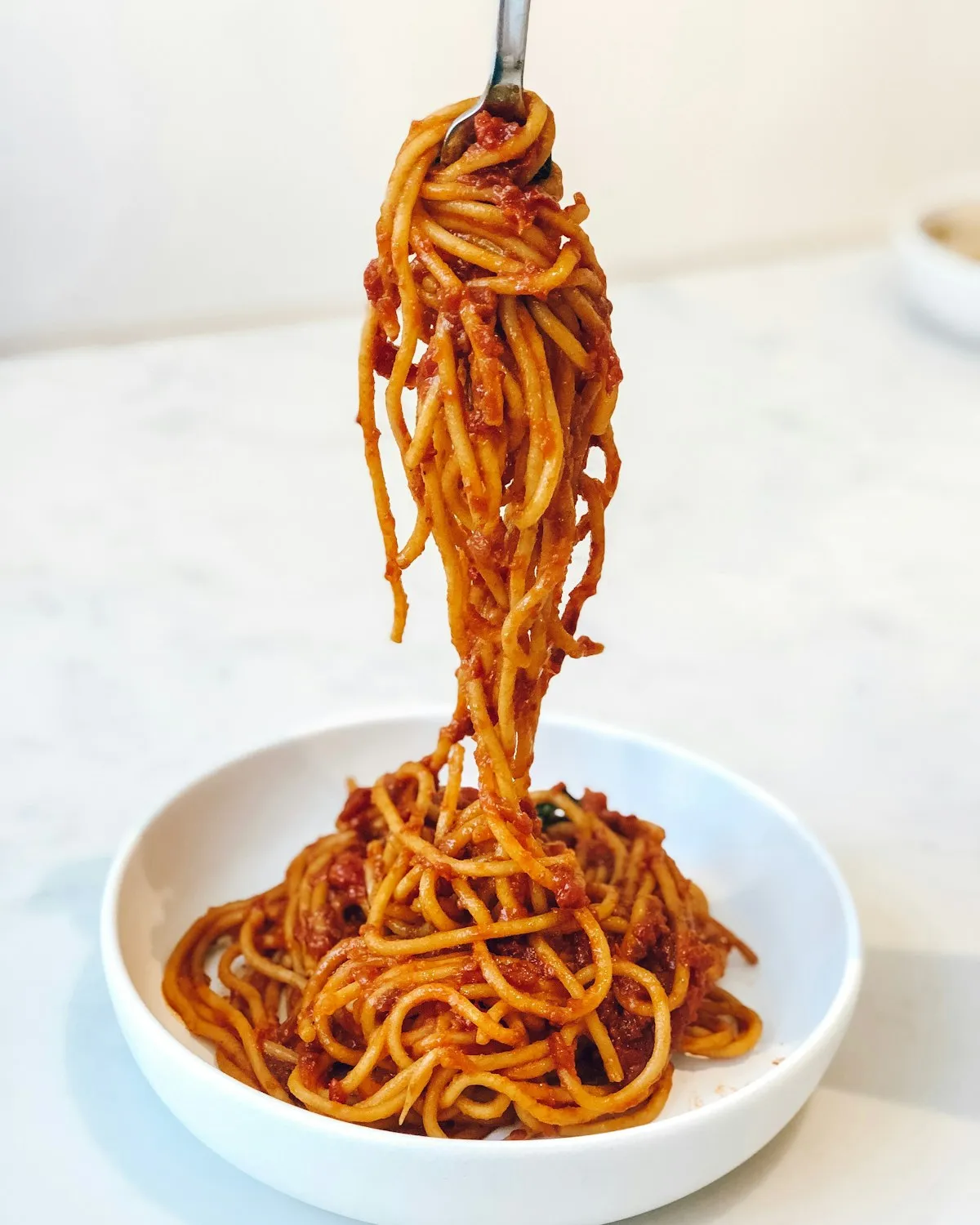
You’ve probably been there: you’re trying to eat light, you spiralize a mountain of fresh zucchini, and five minutes later, you’re staring at a bowl of green mush swimming in a lake of vegetable water. It’s a tragedy that has turned many people away from what should be one of the best healthy dinner ideas in your repertoire. But I’m here to tell you that zucchini noodles, or "zoodles," don’t have to be a soggy mess. When you understand the science of the squash and the physics of a perfect emulsion, you can create a meal that rivals any high-end pasta dish without the carb coma.
The Science of the Perfect Zoodle: Osmosis and Heat
If you want to master this dish, you have to understand your enemy: water. Zucchini is roughly 95% water, held together by a delicate cellular structure of cellulose and pectin. The moment you apply heat, those cell walls collapse, releasing a flood of liquid. To prevent this, you must be proactive. Use the power of osmosis to your advantage before the zucchini ever touches a pan.
Sprinkle your raw noodles with coarse sea salt and let them sit in a colander for at least 15 to 20 minutes. Salt creates a high-solute environment outside the plant cells, which draws the water out through the semi-permeable membranes. You’ll be shocked at how much liquid accumulates at the bottom of the bowl. After the wait, squeeze the noodles firmly between several layers of paper towels or a clean kitchen towel. You want them as dry as humanly possible. This isn't just a suggestion; it’s a non-negotiable step for quick family meals that actually taste like they came from a restaurant.
When it comes to cooking, less is more. The goal is to achieve an "al dente" texture, which for zucchini means barely warm and slightly softened but still possessing a snap. Avoid boiling them at all costs. Instead, sauté them in a very hot pan with a tiny bit of oil for no more than 60 to 90 seconds. Better yet, skip the stove entirely and toss the room-temperature, salted, and squeezed noodles directly with your warm pesto. The residual heat from the pesto and the friction of tossing are often enough to reach the perfect temperature without triggering a total cellular collapse.
The Art of the Basil Pesto Emulsion
A great pesto is more than just blended greens; it’s a stable emulsion where oil and solids are suspended in harmony. If your pesto looks oily or separated, you’ve missed the mark. Start with the highest quality extra-virgin olive oil you can find. Because this is a raw sauce, the flavor of the oil is front and center.
Use a mortar and pestle if you have the time; the crushing action releases essential oils from the basil leaves that a spinning blade simply cannot replicate. If you are using a food processor for speed, common when you're looking for quick family meals, pulse the ingredients rather than running the motor continuously. High-speed blades generate heat, which oxidizes the basil and turns it a dull, unappetizing brown. Keeping the ingredients cold helps maintain that vibrant, neon-green hue.
The "glue" of your pesto emulsion is the combination of nuts and cheese. Pine nuts provide a creamy base of monounsaturated fats, while hard cheeses like Parmigiano-Reggiano or Pecorino Romano add structure and salt. If your sauce feels too thick, resist the urge to add water. Use more oil or a splash of lemon juice to adjust the viscosity. The acidity of the lemon not only brightens the flavor but also acts as a stabilizer for the chlorophyll in the basil, keeping your dish looking fresh for longer.
Flavor Variations and Textural Shifts
Once you have the foundation down, you can start experimenting with the flavor profile to suit your mood. If you find traditional basil pesto too heavy, try a "Pesto Rosso" variation by adding sun-dried tomatoes and a pinch of smoked paprika. The concentrated acidity of the tomatoes cuts through the richness of the oil and provides a beautiful color contrast to the green noodles.
For those looking to increase the protein content, grilled shrimp or seared chicken are excellent additions. The key is to cook the protein separately and add it at the very end. This prevents the zucchini from overcooking while you're waiting for the meat to reach temperature. You can even swap the pine nuts for walnuts or toasted pistachios to change the fat profile and add a different nutty undertone. If you’re a fan of spicy food, a few red pepper flakes infused into the olive oil before blending can transform the dish from a mild summer staple into a fiery, complex dinner.
Perfect Side Dish Pairings
While this dish is a powerhouse on its own, the right side can elevate it into a full feast. Because the zucchini noodles are light and acidic, you want something with a bit of crunch or a deep, savory profile to balance the plate.
I often look toward my other healthy dinner ideas for inspiration. A side of crispy air-fried chickpeas provides a wonderful textural counterpoint to the soft noodles. If you’re not strictly low-carb, a thick slice of sourdough toasted with garlic and olive oil is perfect for mopping up any leftover pesto.
You might also consider pairing this with some kielbasa pierogi air fryer roast if you're serving a crowd with varying dietary needs. For a more vegetable-forward meal, an air fryer sausage pepper onion medley works beautifully alongside the zoodles. Using your air fryer for sides is a great way to manage air fryer recipes dinner workflows, allowing you to focus on the delicate assembly of the pesto while the machine handles the heavy lifting.
Frequently Asked Questions
Why did my pesto turn brown immediately?
This is almost always due to oxidation and heat. Basil is incredibly sensitive. When the leaves are bruised or cut, enzymes react with oxygen to create melanin (the same process that browns apples). To prevent this, blanch your basil leaves in boiling water for exactly 5 seconds, then shock them in an ice bath before blending. This "sets" the color. Also, ensure your food processor isn't running so long that it heats up the sauce.
Can I freeze zucchini noodles?
In a word: No. Freezing causes the water inside the zucchini cells to turn into ice crystals, which expand and puncture the cell walls. When you thaw them, you’ll be left with a pile of mushy fibers and a puddle of water. Always spiralize and eat your zucchini fresh for the best experience. If you have extra, it’s better to use it in a viral garlic butter ramen or a soup where the texture matters less.
Is it better to eat zoodles raw or cooked?
It depends on the sauce. For a basil pesto, I actually prefer them raw or "flash-warmed." If you have followed the salting and squeezing steps correctly, the noodles will have a perfect "al dente" bite without any cooking at all. If you must have them hot, toss them in a pan for no more than 60 seconds. Any longer and you're entering the danger zone of sogginess.
How do I make the pesto stick to the noodles?
The secret is the emulsion. If your pesto is too thin or oily, it will simply slide off the waxy surface of the zucchini and pool at the bottom. Ensure you have enough cheese and nuts to create a creamy, thick consistency. Also, make sure the noodles are bone-dry before mixing; any residual surface water will act as a lubricant, preventing the sauce from clinging to the "pasta."
Can I use a different vegetable?
Absolutely. Yellow summer squash works identically to zucchini. If you want something sturdier, try spiralized carrots or daikon radish, though these require slightly longer cooking times (around 3-4 minutes) to soften to a palatable texture. Just remember the golden rule: salt, wait, and squeeze!