Recipe
Servings
Servings 1×
Ingredients
- Lentils
- Chickpeas
- Fettuccine
- Penne
- Pasta
- Noodles
- Broccoli
- Asparagus
- Spinach
- Onion
- Garlic
- Lemon
- Hard cheese
- Butter
- Cooking oil
- Soy sauce or tamari
- Salt
- Black pepper
Method
- Use a low and slow heat to infuse the butter.
- Keep the heat on low and continue to toss the noodles vigorously.
- Use high-quality, European-style butter for the best fat content and flavor profile.
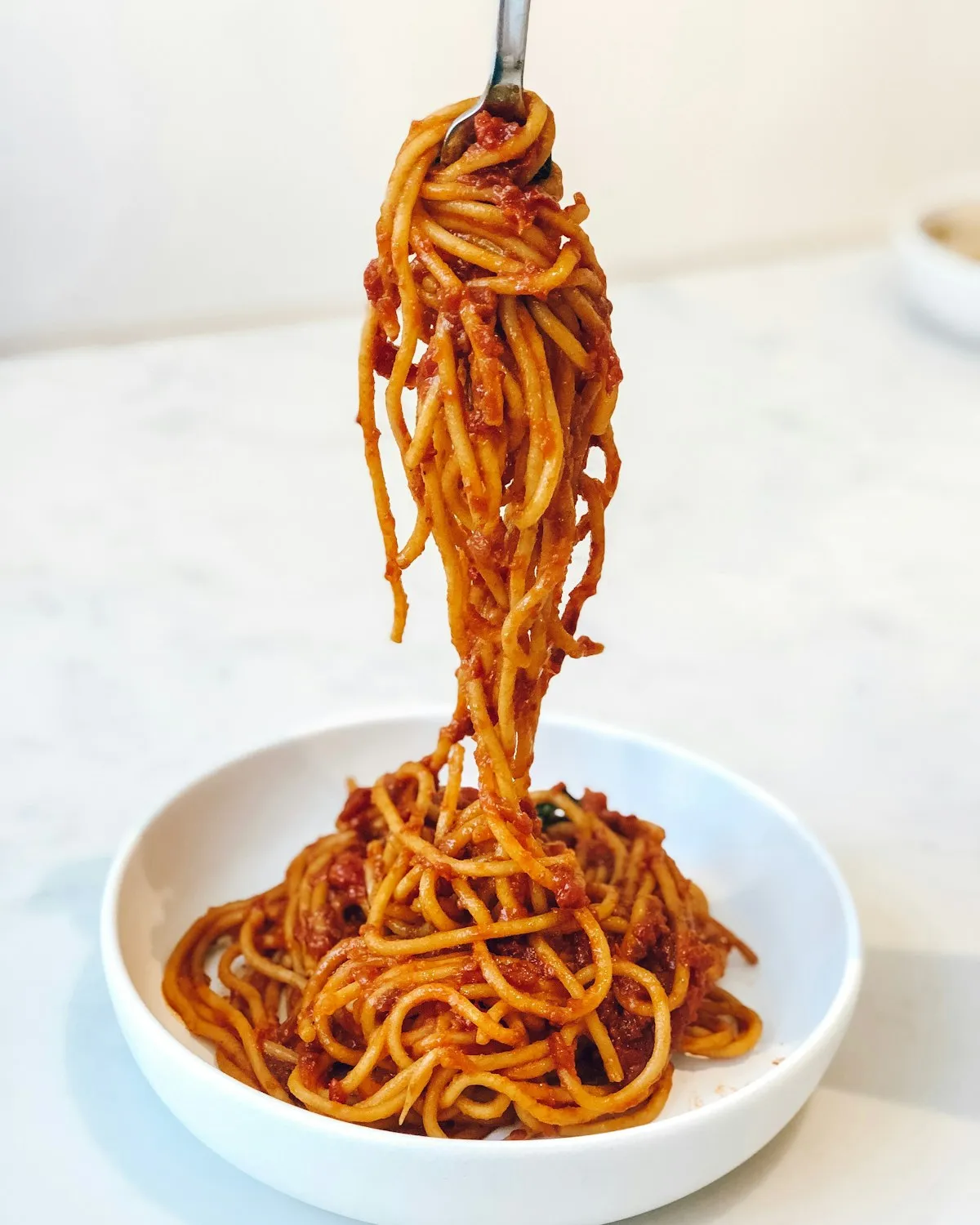
We’ve all been there. It’s 7:00 PM on a Tuesday, your fridge is looking like a desert landscape, and the siren song of a $40 delivery app order is getting louder. Stop right there. Before you drop half your grocery budget on a lukewarm burrito, look at your pantry. If you have pasta, butter, and garlic, you don’t just have a meal, you have a masterpiece. These 5-ingredient garlic butter noodles are my go-to "pantry emergency" solution. They are the definition of simple pasta recipes that feel like a hug in a bowl, requiring zero heavy lifting and providing maximum flavor satisfaction.
The Science of Salt and Liquid Gold
When you are working with only five ingredients, there is absolutely nowhere for mediocre technique to hide. This isn't just about boiling water; it’s about chemistry. To turn dry noodles and fat into a restaurant-quality dish, you must master two non-negotiables: the salt and the "liquid gold" (pasta water).
Why You Must Over-Salt Your Water
Salt is the only ingredient that can season the pasta from the inside out. When the starch granules in the pasta expand during boiling, they pull in the surrounding water. If that water is seasoned, the pasta becomes seasoned. If it isn't, your final dish will taste flat, no matter how much salt you rain down on the finished plate.
Don't be shy, your pasta water should taste like the ocean. Scientifically, salt also helps to break down the starches on the surface of the noodle, which leads us to our next critical component: the emulsification.
The Power of Starchy Pasta Water
Never, ever pour all your pasta water down the drain. That cloudy, shimmering liquid is essentially a concentrated starch solution. When you whisk a splash of this "liquid gold" into your melted butter and garlic, a miracle occurs. The starch acts as an emulsifier, binding the fat of the butter to the water.
Without it, the butter will simply slide off the noodles and pool at the bottom of your bowl in a greasy puddle. With it, you create a silky, cohesive sauce that clings to every strand of pasta. This is the secret to making quick family meals feel like they came from a high-end bistro.
Garlic Management 101
Garlic is temperamental. Treat it with respect. Use a low and slow heat to infuse the butter. If you see the garlic turning dark brown or black, start over. Burnt garlic is bitter and will ruin the delicate balance of the butter. You want it golden and fragrant, releasing its oils into the fat without losing its sweetness. If you’re looking for a different spin on this flavor profile, you might also enjoy our viral garlic butter ramen hack for those nights when even boiling a large pot of water feels like too much work.
Elevating the Basics: Simple Variations
While the beauty of this dish lies in its minimalism, you can easily adapt it based on what’s lingering in your crisper drawer. These variations keep the spirit of healthy dinner ideas alive without complicating your evening.
- The Green Machine: Toss in a handful of fresh baby spinach or arugula at the very end. The residual heat from the pasta will wilt the greens perfectly, adding a pop of color and a boost of iron.
- The Crispy Texture: If you have an extra five minutes, try adding some air-fried elements. I love topping these noodles with crispy broccoli or even chickpeas. For a more substantial protein addition that fits the "quick" vibe, check out our kielbasa pierogi air fryer roast, which uses similar flavor profiles.
- The Umami Bomb: Add a teaspoon of white miso or a splash of soy sauce to the butter while it’s melting. This adds a deep, savory complexity that pairs beautifully with the sweetness of the garlic.
- The Heat Factor: Never underestimate the power of red pepper flakes. Adding them to the butter along with the garlic allows the heat to bloom, distributing a gentle, spicy glow throughout the entire dish.
Balancing the Plate: Side Dish Pairings
Because garlic butter noodles are inherently rich and fatty, your side dishes need to provide a counter-narrative. Think acidity and crunch. You want something that "cleans" the palate between bites of buttery pasta.
A simple arugula salad with a heavy squeeze of lemon juice and a sharp vinaigrette is the perfect companion. The bitterness of the greens and the acidity of the lemon cut right through the richness of the butter. If you're looking for more air fryer recipes dinner ideas to serve alongside, consider quick-roasted asparagus or a medley of bell peppers.
Our air fryer sausage pepper onion medley is another fantastic way to round out a meal if you want to add more bulk and protein to your dinner table without turning on the oven.
Garlic Butter Noodle FAQ
What happens if my sauce is too watery?
If you added too much pasta water and the sauce looks thin, don't panic. Keep the heat on low and continue to toss the noodles vigorously. The mechanical action of tossing, combined with the heat, will help the water evaporate and encourage the starch to thicken the sauce. You can also add a small sprinkle of parmesan cheese; the proteins in the cheese will act as a secondary binder to pull the sauce together.
Can I use jarred minced garlic?
You can, but I’m going to firmly tell you to avoid it if possible. Jarred garlic is often preserved in citric acid, which gives it a sour, metallic twang that clashes with the creamy sweetness of the butter. In a 5-ingredient recipe, every ingredient has to be a superstar. Take the sixty seconds to smash and mince two fresh cloves, your taste buds will thank you.
Why did my butter separate?
Separation usually happens because the heat was too high or the noodles were too dry when they hit the pan. If the butter turns into clear oil and yellow solids, the emulsion has broken. To fix it, remove the pan from the heat, add a tablespoon of cold pasta water, and whisk like your life depends on it. The temperature drop and the extra starch can often bring a broken sauce back from the dead.
Is there a "healthy" way to do this?
For those looking for healthy dinner ideas, you can swap traditional wheat pasta for chickpea or lentil-based noodles. These provide a significantly higher protein and fiber content. Just be aware that alternative pastas release different amounts of starch, so you may need to adjust the amount of pasta water used to get that perfect silky coating.
Does the shape of the pasta matter?
Technically, no, but practically, yes. Long, flat noodles like linguine or fettuccine provide more surface area for the garlic butter to cling to. However, if all you have is penne or fusilli, use it! The ridges on short pasta are excellent at trapping bits of sautéed garlic, ensuring you get a punch of flavor in every single bite.
Should I use salted or unsalted butter?
Always use unsalted butter if you have the choice. This gives you total control over the seasoning. Since you’ve already heavily salted the pasta water (right?), using salted butter can often push the dish over the edge into "unpleasant" territory. Use high-quality, European-style butter for the best fat content and flavor profile. High-quality fat is what makes simple pasta recipes feel truly indulgent.