Recipe
Servings
Servings 1×
Cook 1 min
Ingredients
- Chicken
- Shrimp
- Pasta
- Bread
- Tomatoes
- Garlic
- Coconut milk
- Cream
- Butter
- Cooking oil
Method
- Prepare the ingredients described in the article and heat the cooking surface or oven as directed.
- Cook the main ingredients using the heat and timing guidance in the article.
- Finish with the seasonings and garnishes named in the article, then serve.
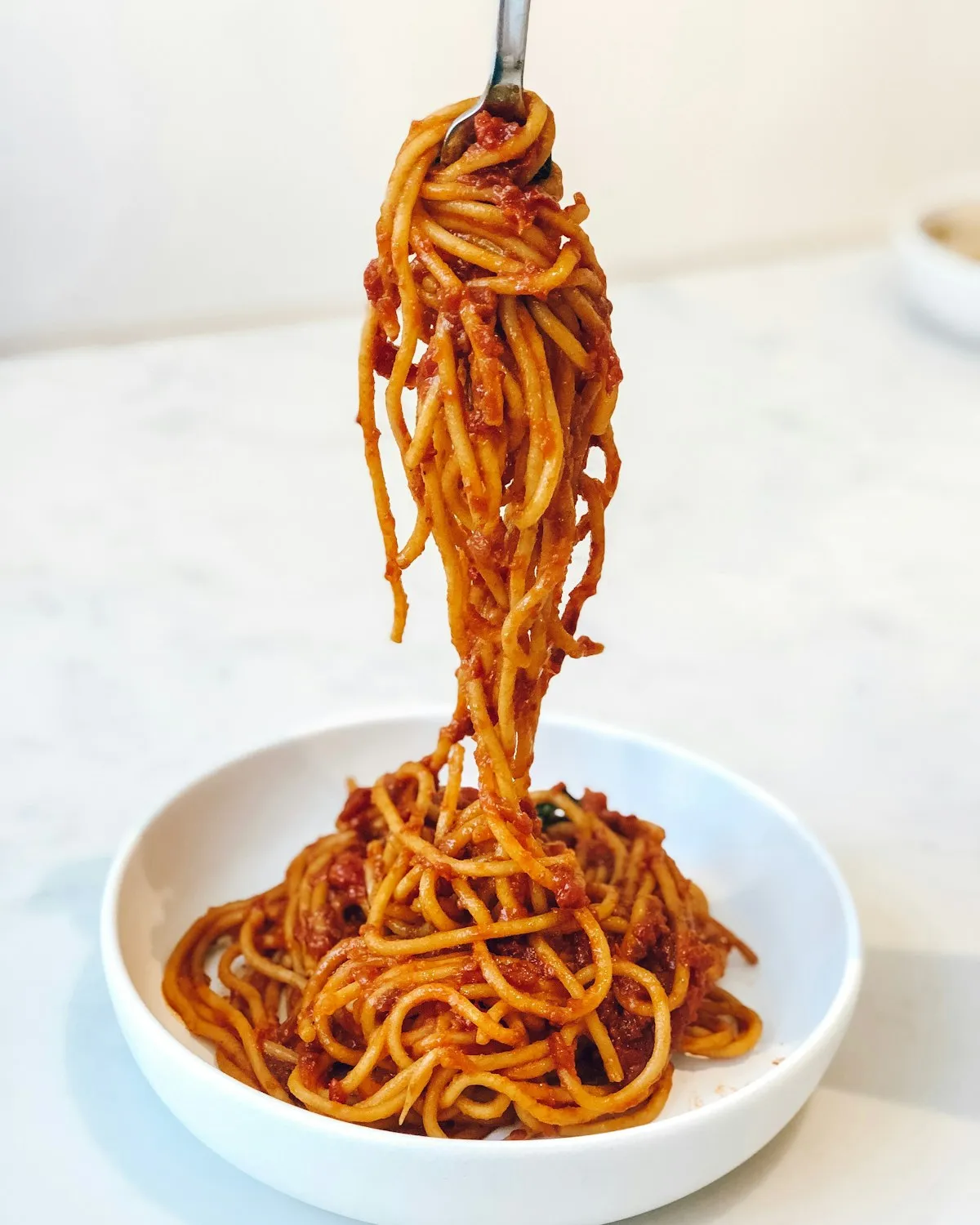
If you’re anything like me, your kitchen counter usually looks like a battlefield by the time dinner hits the table. But what if I told you that you could achieve a restaurant-quality silkiness without the pile of pots to scrub? This One-Pot Creamy Tomato Basil Pasta is the ultimate solution for those nights when you need quick family meals that don't sacrifice flavor for speed. We’re leaning hard into kitchen science today to turn simple starch and dairy into a cohesive, velvety masterpiece that will make you look like a pro.
The Science of the "One-Pot" Emulsion
The magic of this dish isn't just in the ingredients; it’s in the starch. Normally, when you boil pasta, you use a massive pot of water and dump all that liquid gold down the drain. In a one-pot setup, we’re keeping all that pasta starch right where it belongs: in your sauce. This is the secret to getting that glossy, thick texture without needing a pound of heavy cream or flour-based thickeners.
Think of starch as the "peacekeeper" in your pan. Fat (from the cream and olive oil) and water (from the tomatoes and broth) naturally want to stay separate. They are like two rival sports teams that refuse to sit in the same section. Starch acts as the emulsifier, physically getting in between the fat droplets and the water molecules, forcing them to bond together into a smooth, unified sauce. This is why you must avoid rinsing your pasta. Rinsing strips away the surface starch, leaving your sauce watery and sad.
When you’re cooking, watch for the "glossy shift." You’ll start with a liquid that looks a bit thin and splashy. As the pasta releases its amylose (a type of starch molecule), the liquid will begin to tighten. Use a vigorous stir to help this process along; the physical agitation helps distribute those starch molecules more effectively. If you've ever tried our Garlic Butter Ramen Hack, you’ve seen this emulsification in action on a smaller scale.
Another scientific hurdle is the acidity of the tomatoes versus the stability of the cream. High acidity can cause dairy to curdle, resulting in a grainy texture. To prevent this, ensure your tomato base has simmered down and mellowed out before you introduce the heavy cream. The fat in the cream is your friend here, but temperature matters. Never boil the sauce aggressively after adding the dairy; a gentle simmer is all you need to maintain that structural integrity.
Lastly, focus on the "carry-over" effect. Pasta continues to absorb liquid and cook even after you turn off the burner. Aim to pull your pasta off the heat when it is slightly firmer than you’d like. By the time you carry the pot to the table and plate it, the residual heat will have finished the job perfectly, leaving you with that elusive al dente bite.
Flavor Variations and Scientific Swaps
Once you master the base technique, you can treat this recipe as a canvas. If you’re looking for healthy dinner ideas that lean into plant-based territory, you can swap the heavy cream for full-fat coconut milk or a cashew cream. Scientifically, cashews are high in natural fats and starches, making them an excellent emulsifier that mimics the mouthfeel of dairy surprisingly well. Just be aware that cashew cream thickens faster than heavy cream, so you may need an extra splash of broth to keep things loose.
For a protein boost, adding shrimp or thinly sliced chicken breast is a great move, but timing is everything. Add delicate proteins like shrimp only in the last 3-4 minutes of cooking. If you add them too early, the prolonged exposure to the acidic tomato base will turn them rubbery. If you're a fan of heartier meats, you can pre-sear some Italian sausage and set it aside, adding it back in at the very end to keep the skin crispy while the pasta finishes in the sauce.
If you want a deeper, more savory profile, try adding a tablespoon of tomato paste at the very beginning of the sauté process. Letting the paste "toast" in the oil until it turns a deep brick red creates a Maillard reaction, intensifying the umami notes and providing a more complex backbone to the finished sauce. This is a common trick we use in many of our quick family meals to simulate the flavor of a sauce that’s been simmering all day.
Side Dish Pairings for Perfect Balance
A rich, creamy pasta needs a side dish that can provide a "palette reset." The heavy fats and starches in the pasta can eventually overwhelm your taste buds, so look for pairings that offer high acidity or a bitter edge.
- Acidic Greens: A simple arugula salad with a sharp balsamic vinaigrette or a lemon-tahini dressing is perfect. The bitterness of the arugula and the acidity of the dressing "cut" through the fat of the cream sauce, making every bite of pasta taste as fresh as the first.
- Roasted Veggies: If you have an air fryer, you can whip up some quick roasted broccoli or asparagus. Much like our Air Fryer Sausage Pepper Onion Medley, roasting at high heat caramelizes the natural sugars in the vegetables, providing a sweet-and-charred contrast to the savory tomato sauce.
- Garlic Bread: Sometimes you just want to lean into the comfort. A crusty baguette toasted with garlic butter provides a crunchy texture that contrasts beautifully with the soft, silky pasta.
Frequently Asked Questions
Why did my pasta turn out mushy?
This usually happens because of an incorrect liquid-to-pasta ratio or overcooking. One-pot cooking requires precise liquid management. Use the exact amount specified, and keep the lid on to trap steam. If you notice the pasta is cooked but there’s still too much liquid, remove the lid and turn up the heat for the last 60 seconds to rapidly evaporate the excess. Always err on the side of undercooking by a minute or two.
Can I use gluten-free pasta for this?
Yes, but proceed with caution. Gluten-free pastas (especially those made from rice or corn) release a lot more starch than traditional wheat pasta, which can make the sauce very thick, very quickly. They also have a much narrower window between "done" and "disintegrated." Check your pasta 3-4 minutes before the package says it should be done.
Why did my cream sauce curdle?
Curdling is usually caused by two things: high heat or high acidity. If you add cold cream to a boiling-hot, highly acidic tomato sauce, the proteins in the dairy will clump together. To avoid this, lower your heat to a simmer before stirring in the cream, and ensure your tomatoes are fully cooked down first.
Is this recipe suitable for meal prep?
Pasta generally absorbs sauce as it sits, so leftovers may become a bit "dry." To revive it the next day, add a tablespoon of water or broth before reheating. This helps re-emulsify the sauce and restores that glossy texture. If you're looking for other meal prep winners, check out our Kielbasa Pierogi Air Fryer Roast for another low-effort, high-reward option.
Can I use whole wheat pasta?
You can, but keep in mind that whole wheat pasta has more fiber and a different protein structure, which means it absorbs liquid more slowly and requires a bit more cooking time. You may need to add an extra 1/4 cup of liquid to compensate for the longer simmer.
Do I have to use fresh basil?
While dried basil can work in a pinch, it lacks the volatile oils that give this dish its signature aroma. Fresh basil should always be added at the very end, off the heat. Heat destroys those delicate aromatics, so stir them in just before serving for the best impact. This is a non-negotiable for healthy dinner ideas that want to taste fresh and vibrant!