Recipe
Servings
Servings 1×
Ingredients
- Pasta
- Noodles
- Greek yogurt
- Spinach
- Avocado
- Tomatoes
- Lemon
- Pesto
- Cream
- Hard cheese
- Cooking oil
- Chili seasoning
Method
- Prepare the ingredients described in the article and heat the cooking surface or oven as directed.
- Cook the main ingredients using the heat and timing guidance in the article.
- Finish with the seasonings and garnishes named in the article, then serve.
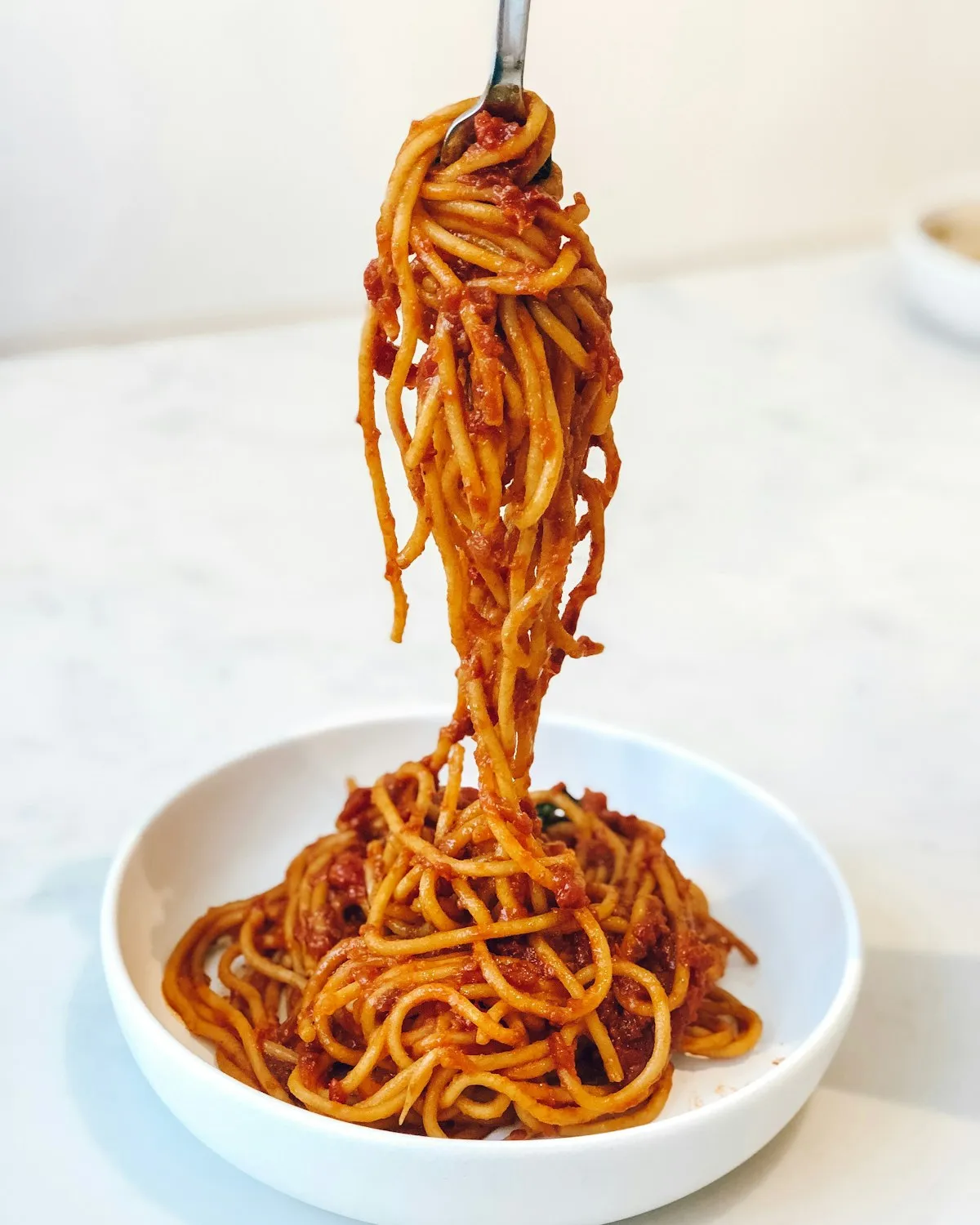
If you have ever stared at a jar of pesto and a box of pasta while contemplating the meaning of a "quick" Tuesday night, you’ve probably ended up with a greasy mess at the bottom of your bowl. We’ve all been there. You boil the noodles, drain them (throwing away the liquid gold), and stir in the pesto, only to have the oil separate and the flavor vanish into the steam. Stop doing that. I am here to tell you that the secret to a professional, restaurant-quality sauce doesn't come from a heavy splash of cream, it comes from the science of starch. This one-pan method turns your pasta water into a liquid velvet that binds everything together for one of the most reliable quick family meals in your arsenal.
The Science of Silk: Mastering Starch Extraction
The magic of this dish happens because we are breaking the first rule of traditional pasta cooking: do not drain your water. In a standard setup, you use a massive pot of water to keep the starch concentration low so the noodles don't stick. In our world, the world of healthy dinner ideas that actually taste good, we want that starch concentrated.
When you cook pasta in a limited amount of water in a shallow pan, the heat causes the starch granules within the wheat to swell and eventually burst. This process is called gelatinization. As these granules break down, they release amylose and amylopectin into the cooking liquid. Normally, you’d pour this down the sink. In a one-pan recipe, that cloudy, viscous liquid stays in the pan, acting as a natural emulsifier.
Why does this matter for your pesto? Pesto is essentially an oil-based sauce. Oil and water famously do not get along. If you just toss pesto with dry pasta, the oil slides right off the noodles. However, when you introduce that starchy pasta water, the starch molecules act as a mechanical barrier. They increase the viscosity of the liquid to the point where the oil droplets from the pesto become suspended in the water rather than floating on top of it. This creates a stable O/W (oil-in-water) emulsion. The result? A creamy, glossy sauce that clings to every ridge of your pasta without a single drop of heavy cream.
To pull this off effectively, you must manage your heat. If the pan is too cold, the starch won't gelatinize properly, and you’ll just have soggy noodles. If it’s too hot, the water evaporates before the starch can do its job. Keep a gentle, consistent simmer. Also, avoid using a lid for the entire process; you want to see exactly how much liquid is left so you can time the addition of your pesto perfectly. Check your pasta two minutes before the package says "al dente." The residual heat will finish the job while you are stirring in the sauce.
Flavor Variations: Beyond the Basil
Once you master the starch-emulsion technique, the sky is the limit. You aren't tethered to traditional basil pesto. While a classic Genovese is hard to beat, you can swap the greens for sun-dried tomatoes to create a rich, umami-heavy "Pesto Rosso." The acidity in the tomatoes plays beautifully with the creamy starch base.
For those looking for high-protein quick family meals, consider whisking in a dollop of Greek yogurt at the very end, off the heat. This adds a tangy depth that mimics goat cheese but keeps the fat content lower. If you want a bit of a kick, a teaspoon of Calabrian chili paste stirred in with the pesto provides a slow burn that balances the richness of the pine nuts and parmesan.
If you are leaning into more healthy dinner ideas, try a "green goddess" variation by blending spinach, avocado, and lemon juice. The healthy fats in the avocado reinforce the emulsion started by the pasta starch, leading to an even thicker, more decadent mouthfeel. Just remember the golden rule: always add your fresh sauces off the heat. High heat will oxidize the basil and turn your vibrant green sauce a muddy brown. We want neon, not swamp.
Side Dish Pairings: Balance and Crunch
Because this pasta is rich and silky, your side dishes need to provide a counter-narrative. You need acidity to cut through the oil and crunch to contrast the soft pasta. A simple arugula salad with a lemon-tahini dressing is my go-to. The peppery bite of the arugula is the perfect foil for the herbal sweetness of the pesto.
If you have a bit more time, roasted vegetables are a non-negotiable. I often suggest looking into air fryer recipes dinner options to keep the stovetop clear. For instance, air-fried zucchini or bell peppers add a smoky char that complements the fresh herbs in the pasta. If you're feeling adventurous, you could even try a variation of the kielbasa pierogi air fryer roast technique on the side, substituting the pierogis for roasted cauliflower tossed in lemon zest. The goal is to provide a bright, acidic "interruption" to the savory richness of the main dish.
Frequently Asked Questions (FAQ)
Can I use gluten-free pasta for this one-pan method?
Yes, but you have to be careful. Gluten-free pastas (especially those made from brown rice or chickpeas) release more starch than traditional wheat pasta. This can sometimes lead to a "gummy" texture if you aren't stirring constantly. Use a slightly higher water-to-pasta ratio and keep a close eye on the texture. If it starts looking like glue, add a tablespoon of hot water immediately to thin it out.
Why did my pesto turn brown as soon as I added it?
You likely kept the pan on the burner. Basil is extremely sensitive to heat. When the temperature exceeds a certain point, the enzymes in the leaves react with oxygen, causing browning. This is why we preach the "off the heat" method. Once the pasta is cooked and the water has reduced to a starchy slurry, pull the pan off the flame, wait 30 seconds, and then fold in your pesto.
What is the best pasta shape for starch extraction?
Technically, any shape works, but shapes with more surface area or ridges (like fusilli, radiatori, or orecchiette) are superior. More surface area means more starch is released into the pan, and those same ridges act like tiny scoops to hold onto that silky emulsion you worked so hard to create. If you’re using long noodles like linguine, make sure to move them constantly so they don't clump together in the shallow water.
Can I save the leftovers?
You can, but emulsions are fickle. When the pasta cools, the starch will set, and the sauce will thicken into a block. When reheating, do not just throw it in the microwave. Put it back in a pan with a splash of water or milk and stir over low heat. This re-hydrates the starch and helps "re-emulsify" the sauce. It won't be quite as perfect as the first time, but it’s a much better solution than the oily alternative.
Is this actually healthy?
As far as healthy dinner ideas go, this is a winner because it relies on technique rather than heavy additives. You are getting your creaminess from the pasta itself and the healthy fats in the olive oil and nuts, rather than saturated fats from heavy cream. If you want to boost the nutrition further, throw in a handful of fresh peas or baby spinach in the last sixty seconds of cooking. For more inspiration on quick hacks, check out our guide on the viral garlic butter ramen hack.
My sauce is still watery, what did I do wrong?
You probably had too much water left when the pasta finished cooking. Next time, start with less water: you can always add more, but it’s hard to take it away without overcooking the noodles. If you find yourself in this situation, use a slotted spoon to remove the pasta and boil the remaining liquid down until it looks like a thick syrup, then toss the pasta back in.
Remember, cooking is just delicious chemistry. Respect the starch, kill the heat, and your weeknight dinners will never be the same. Now, get in the kitchen and stop draining your liquid gold!