Recipe
Servings
4 servings 1×
Serves 4Prep 5 minCook 9 minTotal 14 min
Nutrition per serving
Ingredients
- 12 oz linguine
- 12 oz cherry or grape tomatoes halved
- 1 large yellow onion thinly sliced
- 4 cloves of garlic thinly sliced
- 5 tsp red-pepper flakes
- 2 sprigs fresh basil plus more for garnish
- 2 tbsp extra-virgin olive oil
- 5 cups water
- Coarse salt and black pepper to taste
Method
- Place linguine, tomatoes, onion, garlic, red-pepper flakes, basil, and olive oil in a large straight-sided skillet.
- Add the 4 1/2 cups of water to the skillet.
- Bring to a boil over high heat.
- Once boiling vigorously, set a timer for 9 minutes.
- Cook, stirring and turning the pasta frequently with tongs so it cooks evenly and the liquid emulsifies.
- Cook until the pasta is al dente and the liquid has reduced to a thick, glossy sauce that coats the noodles.
- Remove the basil sprigs and season with additional salt and pepper as needed.
- Plate the pasta immediately into bowls, garnishing with fresh basil and an optional grating of Parmesan.
There’s a special kind of joy in a dinner that feels clever without acting smug about it. That’s exactly why this one-pan pasta took off. It looks almost too simple to work, yet it somehow turns a handful of everyday basics into something glossy, rich, and wildly comforting. On my blog, I love recipes that pull off this sort of kitchen magic: less mess, less fuss, and a result that tastes like you worked much harder than you actually did.
Tips & Technique
The real genius of one-pan pasta is not that it’s fast, though that certainly helps on chaotic weeknights. It’s that the method changes the sauce itself. Traditional pasta cooking uses a huge pot of water, which is great for separate boiling, but not so great if you want to keep all that useful starch in the final dish. In the one-pan setup, the starch stays put. That’s where the silky texture comes from.
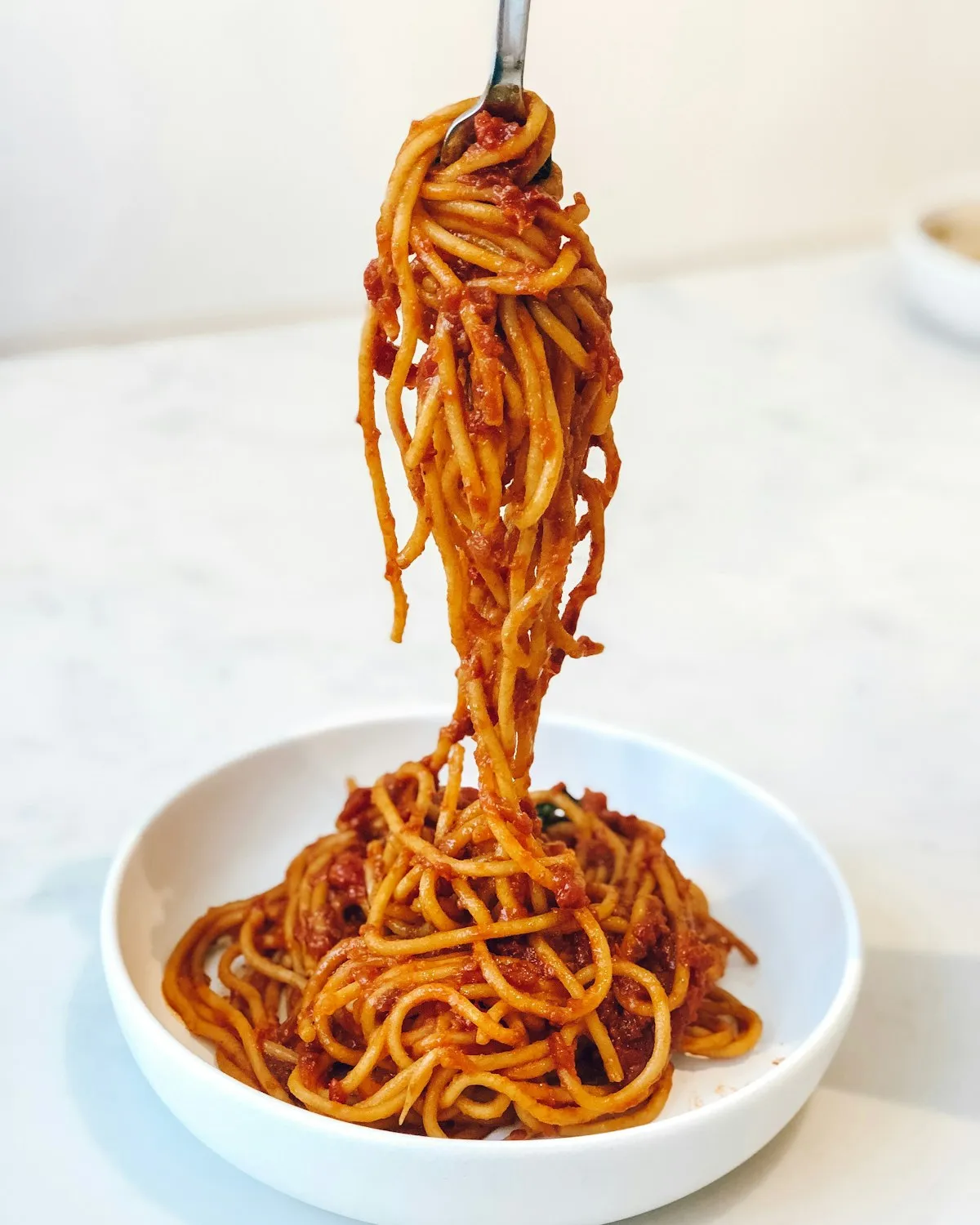
Let’s talk about the starch-to-water ratio, because this is where the “hack” stops being a gimmick and starts being kitchen science. Dry pasta is packed with starch granules. As they heat up in water, those granules absorb liquid, swell, and eventually begin to rupture. Once that happens, starch leaks into the cooking liquid and thickens it. In a giant stockpot, that starch is diluted in loads of water, and most of it gets poured down the drain. In a shallow pan with a smaller amount of liquid, the starch concentration builds quickly. That means the cooking liquid transforms into a naturally thickened sauce instead of a watery tomato bath with identity issues.
This is also why the pan shape matters. A shallow skillet creates more surface area than a deep pot. More surface area means the liquid heats quickly and reduces at a pace that matches the pasta’s hydration. Everything is happening in sync: the pasta softens, the tomatoes break down, the aromatics mellow, and the liquid tightens into a glossy coating. It’s basically dinner choreography, and for once nobody misses their cue.
The other big win is emulsion. When starch from the pasta mingles with olive oil and the juices released by tomatoes and onions, it helps bind the water and fat together. Instead of oil floating around awkwardly on top like it arrived at the wrong party, you get a unified sauce that clings to every strand. That cling is the whole point. A good sauce should coat, not puddle.
There’s also some sneaky flavor building happening with the aromatics. Garlic and onion don’t fully brown the way they might in a dry sauté, but as the pan heats and the water begins to simmer, they go through enough softening and concentration to develop sweeter, deeper notes. The Maillard reaction usually gets all the fame for browning and savory depth, and while this wetter environment doesn’t create a full-on dark sear, it still nudges the aromatics toward a more rounded flavor as moisture evaporates and heat intensifies around the edges. In plain English: they taste less sharp, more mellow, and much more like they belong in the sauce.
One-pan pasta also wins on timing. In a separate-boil setup, you’re always trying to coordinate the pasta, the sauce, and that one burner that suddenly decides to underperform. Here, the sauce and pasta finish together. The noodles don’t get shocked by draining, and they don’t sit around waiting for the sauce to catch up. They absorb flavor as they cook, which gives the whole dish a more integrated taste. Everything in the pan is pulling in the same direction.
This method is also one of my favorite answers to the eternal “what’s for dinner?” panic. It fits beautifully into the world of quick family meals because the cleanup is laughably light and the payoff is huge. It’s not exactly from the same playbook as air fryer recipes dinner, but it scratches that same itch: maximum comfort, minimum chaos. And if you’re collecting healthy dinner ideas that don’t feel boring, this approach earns a very smug little gold star.
The final thing to remember is that the sauce tells you when it’s ready. You’re looking for glossy, not soupy. If the liquid reduces too fast, the pasta can stay too firm. If there’s too much liquid hanging around at the end, the sauce won’t have that lovely cling. The sweet spot is when the noodles are tender but still lively, and the remaining liquid has enough starch in it to look silky rather than thin. That’s the whole one-pan charm in a nutshell.
Variations
Once you understand the structure, this style of pasta becomes wonderfully flexible. Adding protein changes both flavor and liquid behavior, so it’s worth thinking beyond “what sounds nice” and into “what will the pan do with it.” Chicken tends to make the dish feel heartier and more savory, especially if it’s added in a way that brings a little extra richness. Prawns keep things lighter and sweeter, but because they cook quickly, they can turn rubbery if they sit around too long in a hot pan. That’s less “chef’s kiss” and more “chew politely and move on.”
Greens also change the balance in useful ways. Spinach melts quickly and disappears into the sauce, adding softness and a slightly earthy note without demanding much attention. Kale is bolder and chewier, which gives the dish more structure but also needs a bit more time to relax. Peas add sweetness and little pops of texture, while mushrooms bring a deeper, more savory direction because they release moisture and intensify the pan’s overall flavor.
If you swap the flavor profile entirely, the method still holds. A slightly spicy version leans on chili and sharper aromatics. A greener version with herbs and softer vegetables tastes fresher and lighter. A cheesier finish makes the sauce thicker and more luxurious because the starch helps support that added richness. This is why one-pan pasta is one of those healthy dinner ideas that can easily drift into comfort-food territory if you let it. No judgment from my blog. I support your cheesy ambitions.
Side Dish Pairings
Because one-pan pasta is soft, saucy, and deeply cozy, the best side dishes bring contrast. I like to think in terms of crunch, bitterness, and brightness. A crisp green salad with a sharp dressing wakes everything up and keeps the meal from feeling too heavy. Something peppery or lemony works especially well because it cuts through the starch and richness without starting a flavor fight.
You can also lean into texture with toasted bread or a crunchy topping on the side. That contrast is what makes each bite more interesting. If dinner is feeling a little too soft-on-soft, it helps to add something snappy and fresh to the table. Roasted vegetables with crisp edges also play nicely here, especially if they bring a bit of caramelized sweetness.
For busy nights, this kind of menu belongs in the same mental folder as air fryer recipes dinner and other quick family meals: low drama, high reward, and very little washing up. That’s really the dream, isn’t it? Dinner that tastes like a plan, even if you made it while half-answering texts and wondering where the evening went.
FAQ
Why does one-pan pasta make a better sauce?
Because the starch stays in the pan. As pasta hydrates, starch granules absorb water, swell, and release starch into the cooking liquid. In a one-pan method, that starch isn’t drained off, so it thickens the liquid and helps create a smooth, glossy sauce. It’s less about magic and more about not throwing the useful part away.
How much liquid does pasta actually need in a one-pan method?
Enough to hydrate the pasta and leave a little behind for the sauce, but not so much that the starch gets overly diluted. The exact amount depends on the pasta shape, pan size, and heat level. In general, shallow cooking works because the water reduces as the pasta cooks, concentrating flavor and starch at the same time. That balance is what gives one-pan pasta its signature texture.
Why use a shallow skillet instead of a deep pot?
A shallow skillet gives more contact between the ingredients and the heat. It also encourages faster reduction, which helps the sauce thicken at the same pace that the pasta softens. In a deep pot, the liquid tends to stay looser for longer, which can make the final sauce feel thinner and less clingy.
Does the pasta cook differently when it starts in cold liquid?
Yes, but not in a bad way. Starting everything together lets the pasta release starch gradually as the temperature rises. That helps build the sauce while the noodles hydrate. It’s a different rhythm from the usual rolling-boil method, but it’s exactly why the final dish feels so cohesive.
What happens if the pan looks too dry before the pasta is tender?
That usually means the liquid reduced faster than the pasta hydrated. A little extra liquid fixes the issue, but the bigger takeaway is that heat, pan width, and pasta thickness all affect timing. One-pan pasta is simple, but it still responds to the conditions in front of you.
Is one-pan pasta actually efficient, or just trendy?
It’s genuinely efficient. You save time, reduce cleanup, and build the sauce in the same vessel where the pasta cooks. That makes it ideal for quick family meals, especially when you want something comforting without juggling multiple pots. It deserves a spot beside air fryer recipes dinner as one of those methods people keep returning to because it actually solves a weeknight problem.
Can one-pan pasta fit into healthy dinner ideas?
Absolutely. It’s easy to load it with vegetables, lean proteins, herbs, and lighter flavorings while still keeping the sauce satisfying. The built-in starch gives body without needing a heavy cream situation, which is great news if you want healthy dinner ideas that still taste like a proper dinner and not a compromise on a plate.