Recipe
Servings
4 1×
Serves 4Prep 5 minCook 15 minTotal 20 min
Nutrition per serving
Ingredients
- 12 oz linguine or fettuccine
- 1 lb cremini mushrooms sliced
- 3 cups vegetable broth
Method
- Sear mushrooms in a dry pan for the Maillard reaction.
- Do not salt early.
- Add pasta and broth.
- Stir frequently to release amylopectin for a glossy sauce.
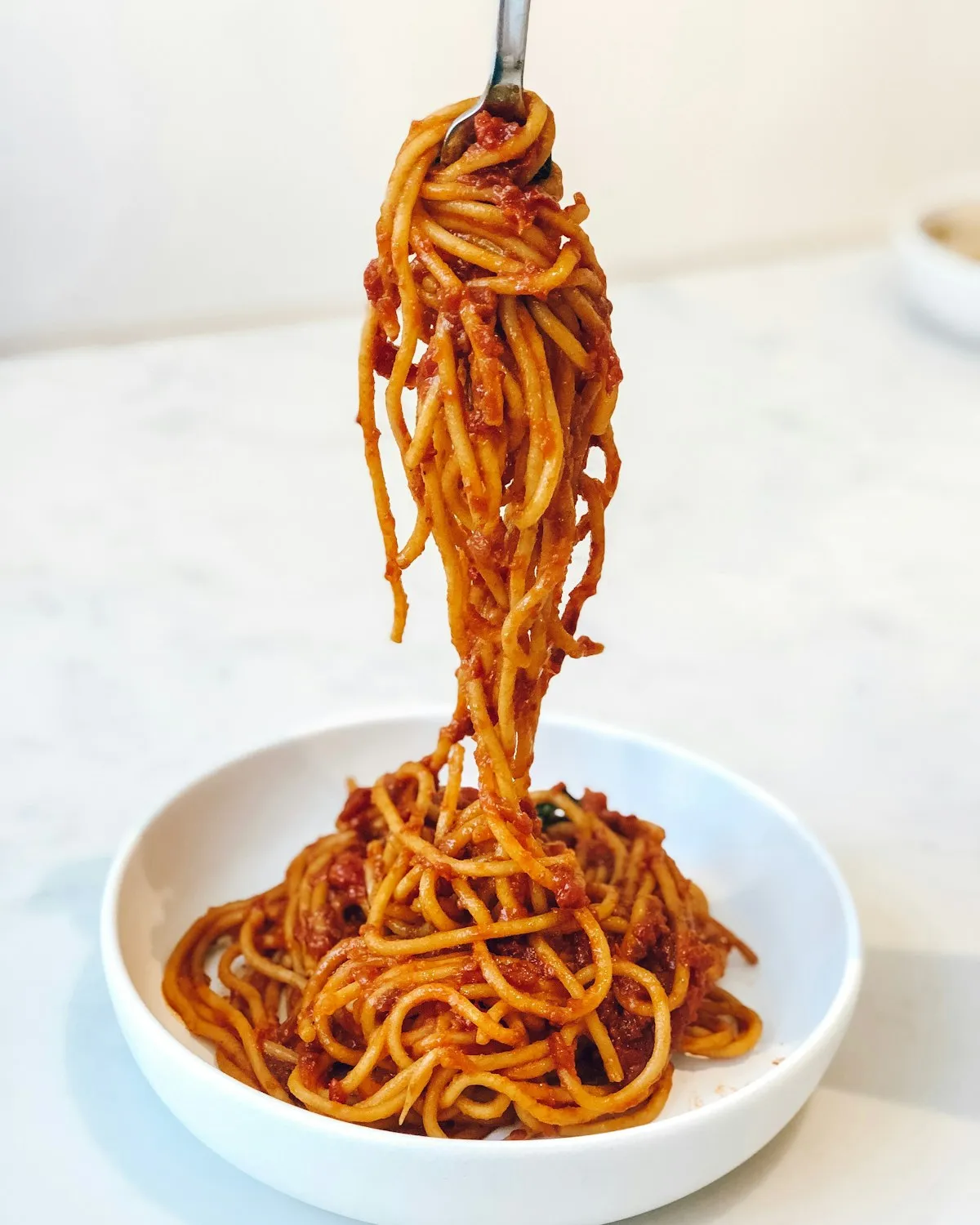
If you have twenty minutes and a single pan, you have a masterpiece. I’m not talking about a mediocre “box-mix” dinner; I’m talking about a lush, restaurant-grade bowl of noodles that feels like a warm hug for your soul. Forget the mountain of dishes and the complicated reductions. This is the pinnacle of simple pasta recipes, designed for those nights when your brain is fried but your stomach demands excellence.
We’ve all been there, staring into the fridge at a half-used container of mushrooms and wondering if we should just order pizza. Don’t do it. Put the phone down. This dish is faster than delivery and infinitely more satisfying. It’s the ultimate solution for quick family meals that don’t sacrifice flavor for convenience. By the time you’ve set the table and poured a glass of wine, dinner is served.
The Science of Mushroom Structure: Umami, Chitin, and Why Browning Is Non-Negotiable
Mushrooms are the quiet overachievers of the produce drawer. They don’t sparkle. They don’t shout. They just sit there looking earthy and slightly suspicious, then turn into a deeply savory dinner the second you handle them properly. That payoff comes partly from umami and partly from structure. Yes, structure. Mushrooms are not soft little sponges by accident. Their cell walls contain chitin, a tough structural polysaccharide that also shows up in crustacean shells and insect exoskeletons, which is a wildly unglamorous fact for such a cozy pasta but a useful one.
Chitin gives mushrooms some of their springy, chewy bite. It’s one reason mushrooms feel meatier than a lot of vegetables even before you cook them. But chitin also helps explain why mushroom texture can go two very different ways depending on your heat management. Cook mushrooms gently in a crowded pan and they stay damp, a little rubbery, and weirdly bouncy in the wrong direction. Cook them with enough heat to drive off moisture first, and that same internal structure starts to concentrate rather than bloat. The result is firmer edges, better chew, and much deeper flavor.
That moisture issue matters because mushrooms are loaded with water. When they hit the pan, they release it fast. If the pan temperature drops or the pieces are piled too tightly, the liquid hangs around and the mushrooms simmer instead of sear. Searing is the goal. Always. You want evaporation first, browning second, and then seasoning. Skip that sequence and you’ll still have dinner, sure, but you won’t have the version worth repeating.
Once surface moisture clears, the Maillard reaction gets to work. This is the browning process that creates new flavor compounds from amino acids and sugars under heat. It gives mushrooms nuttier, roastier, more savory notes and pushes them far beyond “pleasantly earthy.” It’s also why browned mushrooms taste fuller and more complex than pale ones, even if both started in the exact same package. Browning is not just color. It’s flavor manufacturing.
Mushrooms also bring natural glutamates, which is why they taste so satisfying in the first place. Those glutamates trigger umami perception, and some mushroom varieties layer in nucleotides that intensify the effect. That’s why a mix of cremini, shiitake, or oyster mushrooms can create a more rounded flavor than just one variety alone. You don’t need to turn dinner into a mushroom symposium, but mixing types does make the bowl taste more dimensional.
Salt timing still matters here, maybe more than people expect. Salt too early and you draw even more moisture to the surface before the mushrooms have had a chance to brown. That slows evaporation, which slows browning, which slows flavor. So be patient. Let the mushrooms get color first. Then season. This is one of those tiny kitchen choices that feels fussy until you taste the difference and realize it absolutely is not.
Then there’s thyme, which does much more than wave politely from the herb corner. Thyme contains essential oil compounds, especially thymol, that bring sharp, woodsy, almost peppery brightness. But you don’t get the full aromatic benefit of thymol by merely tossing thyme into a watery pan and hoping for the best. Thymol is hydrophobic, meaning it dissolves much more readily in fat than in water. That’s why blooming thyme in oil or butter after the mushrooms have browned works so well. The fat helps extract and distribute those aromatic compounds throughout the dish instead of leaving them trapped in the herb.
Heat also helps release thymol, but use some common sense. You want warm fat and steady contact, not scorched herbs that smell like a campfire gone wrong. Fresh thyme is excellent here because its essential oils are still lively and volatile. Dried thyme can work, but it needs more time in the pan to rehydrate and surrender its flavor. Either way, the principle is the same: use fat to carry aroma. It’s not just tastier. It’s chemically smarter.
Garlic and onion round things out by adding sulfur compounds and sweetness, which support both the mushrooms and the thyme. Use them as backup singers, not the lead. The mushroom flavor should remain the headline. This dish works because the savory base tastes focused, not crowded.
The Starch Emulsion Trick: Why One-Pot Pasta Gets Creamy Without Getting Heavy
One-pot pasta has a reputation for being easy, which is true, but that undersells it a little. When it works, it works because the chemistry is doing excellent work behind the scenes. You’re not just saving on dishes. You’re deliberately keeping starch in the pan so it can build the sauce for you.
In a standard pasta method, you boil noodles in a lot of water and drain them. Along with that water goes a good amount of released starch. In one-pot cooking, the pasta cooks in a measured amount of liquid, so the starch stays put. As the pasta hydrates, starch granules absorb water, swell, and begin releasing amylose and amylopectin into the surrounding liquid. Those molecules thicken the sauce and help it cling to the noodles. That’s the backbone of the creamy texture.
Now add fat. Butter, olive oil, cheese, or some combination of them can disperse into that starchy liquid and form an emulsion. The starch acts like a stabilizer, helping water and fat stay mixed long enough to create a glossy, unified sauce instead of a greasy puddle. This is why the pasta feels silky without needing a dramatic amount of cream. Cream can add richness, but starch gives the sauce structure. Structure is what makes it feel luxurious instead of loose.
Stirring matters because movement helps free more starch from the pasta surface and encourages the emulsion to come together. Don’t stir constantly like you’re auditioning for a cooking show montage, but do stir often enough to keep the pasta from sticking and the sauce from separating. Agitation is part of the method, not busywork.
The liquid ratio is where people usually get cocky and then confused. Too much liquid and the sauce never tightens properly. Too little and the pasta cooks unevenly, then threatens to glue itself to the pan like it pays rent there. Keep the noodles mostly submerged. Watch the pan during the final few minutes. The sauce should look a touch looser than you want at the table because carryover absorption is real. Pasta keeps soaking up liquid after the heat goes off. It is committed to the bit.
This method suits mushrooms beautifully because the pasta and mushrooms are doing opposite jobs at the same time. Mushrooms shed moisture and concentrate in flavor. Pasta absorbs moisture and releases starch. One ingredient intensifies while the other thickens. Put them together and you get a sauce that tastes deeply mushroomy but still has body and gloss. That’s the whole charm of the dish.
It also means you can keep the ingredient list leaner without sacrificing comfort. A proper starch emulsion gives you creaminess with less dependence on heavy dairy, which is one reason this recipe lands nicely among healthy dinner ideas. Richness from technique is still richness. It just cleans up after itself a little better.
Flipping the Script: Flavor Variations
Once you’ve got the base technique down, variations become much safer. The key is not to mess with the architecture: mushrooms for savoriness, enough cooking liquid for starch release, some fat for emulsion, and a bright note to keep the whole bowl from turning muddy.
For deeper savory flavor, swap some cremini for shiitake. Shiitake bring a stronger umami hit and a slightly smokier profile, which plays very well with thyme. Oyster mushrooms go in the opposite direction: softer, silkier, a little more delicate. Mix them if you want a more layered texture. That choice matters because mushrooms are not interchangeable little brown blobs, even if the grocery store lighting tries to convince you otherwise.
If you want more protein, add something that won’t bully the dish. Chicken thighs are the easy choice because they brown well and stay juicy. White beans are also excellent if you want to keep things meatless while adding creaminess and heft. They work especially well because they support the sauce rather than interrupting it.
To brighten the bowl, use lemon zest, a squeeze of lemon juice, or a handful of peas or spinach at the end. Acid cuts through the earthy richness. Greens add freshness and a little bitterness. Sweet peas can soften the darker tones of mushrooms if your mix tastes extra intense. Balance is the goal, not chaos.
For a plant-based version, lean on olive oil, starch, and mushrooms instead of chasing fake creaminess with ingredients that taste vaguely like regret. Nutritional yeast adds nuttiness, and a small amount of miso can reinforce umami. Keep the miso restrained, though. It should deepen the mushrooms, not body-slam the thyme.
If you like heat, add chili flakes. That sharp edge wakes up the creamy sauce and keeps the pasta from feeling too heavy, which is handy if you want this to stay in your rotation of quick family meals instead of becoming a once-a-month comfort bomb.
Balancing the Plate: Side Dish Pairings
This pasta is rich, earthy, and silky, so don’t pair it with something equally heavy unless your evening plans involve a nap by 7:30. Use sides that bring crunch, bitterness, or acidity. Those elements keep the meal balanced and make the pasta taste even better.
A peppery arugula salad with lemon vinaigrette is the easiest win. Arugula has enough bite to stand up to the mushrooms, and lemon cuts straight through the creamy starch emulsion. Shaved fennel or radicchio also work for the same reason. You want something brisk and snappy next to a bowl this cozy.
Roasted green vegetables are another smart move. Asparagus, green beans, or Brussels sprouts all bring contrast, especially if they get a little char around the edges. If you want to dip into air fryer recipes dinner territory, use the air fryer for a quick vegetable side rather than making the whole meal feel like a gadget demo. Crisp edges and a bright finish are what you’re after.
And yes, bread belongs here. A slice of toasted sourdough or a rustic loaf gives you chew and crunch against all that silkiness. Rub it with garlic if you’re feeling ambitious, or just use it to swipe the plate clean with dignity. Or without dignity. No judgment.
One-Pot Wisdom: Frequently Asked Questions
What if my mushrooms won’t brown no matter what I do?
Your pan is probably overcrowded, not hot enough, or both. Mushrooms dump moisture quickly, so they need enough surface area and heat for that water to evaporate fast. Use a wider pan and resist stirring too much at the start. Let them sit long enough to develop real color.
What if my pasta is cooked but the sauce still looks thin?
Keep the heat on for another minute and stir. A loose sauce often tightens quickly once a little more water evaporates and the starch concentrates. Remember that the sauce will continue to thicken slightly off the heat too. Don’t overcorrect too fast.
What if the sauce gets too thick before the pasta is done?
Add a small splash of hot water or broth and keep going. Use a little, not half the kettle. You want to loosen the sauce enough for the pasta to finish cooking while keeping the starch concentration high enough to preserve the emulsion.
Why are my mushrooms rubbery?
They likely steamed instead of browned. That usually happens when the pan is crowded or the salt goes in too early. Brown first, season after you’ve got color, and keep the heat high enough to drive off moisture instead of trapping it.
Can I use any pasta shape for this?
Mostly, yes, but choose with common sense. Fettuccine, linguine, fusilli, and orecchiette all work well because they cook evenly and hold sauce nicely. Very small shapes can overcook fast, and very thick shapes may need more liquid than expected.
Is dried thyme okay?
Yes, but treat it differently. Dried thyme is more concentrated and slower to give up its flavor. It benefits from a little time in warm fat, which helps extract aromatic compounds the same way fresh thyme does, just less dramatically. Fresh thyme still tastes brighter and more complex, but dried thyme works if you use a lighter hand.
Can I make this ahead of time?
You can, but it’s best fresh. One-pot pasta keeps absorbing liquid as it sits, so the sauce tightens and the noodles soften. Reheat gently with a splash of water or broth to bring the emulsion back together. Don’t blast it over high heat unless you enjoy avoidable disappointment.
Does the pot matter?
Yes. Use a wide, heavy-bottomed skillet or Dutch oven. Even heat helps the mushrooms brown properly and keeps the pasta from sticking or cooking unevenly. Thin pans create hot spots, and hot spots create drama you do not need on a weeknight.