Recipe
Servings
Servings 1×
Ingredients
- Pasta
- Eggs
- Greek yogurt
- Broccoli
- Spinach
- Tomatoes
- Lemon
- Cream
- Cooking oil
- Black pepper
Method
- Use a paper towel and be aggressive about it.
- Keep them in a single layer with breathing room.
- Use a proper dredge sequence.
- Use an egg wash or a light coating of flour first to create a dry surface for the egg to cling to.
- Keep your layers single, your pasta dry, and your dipping sauce ready.
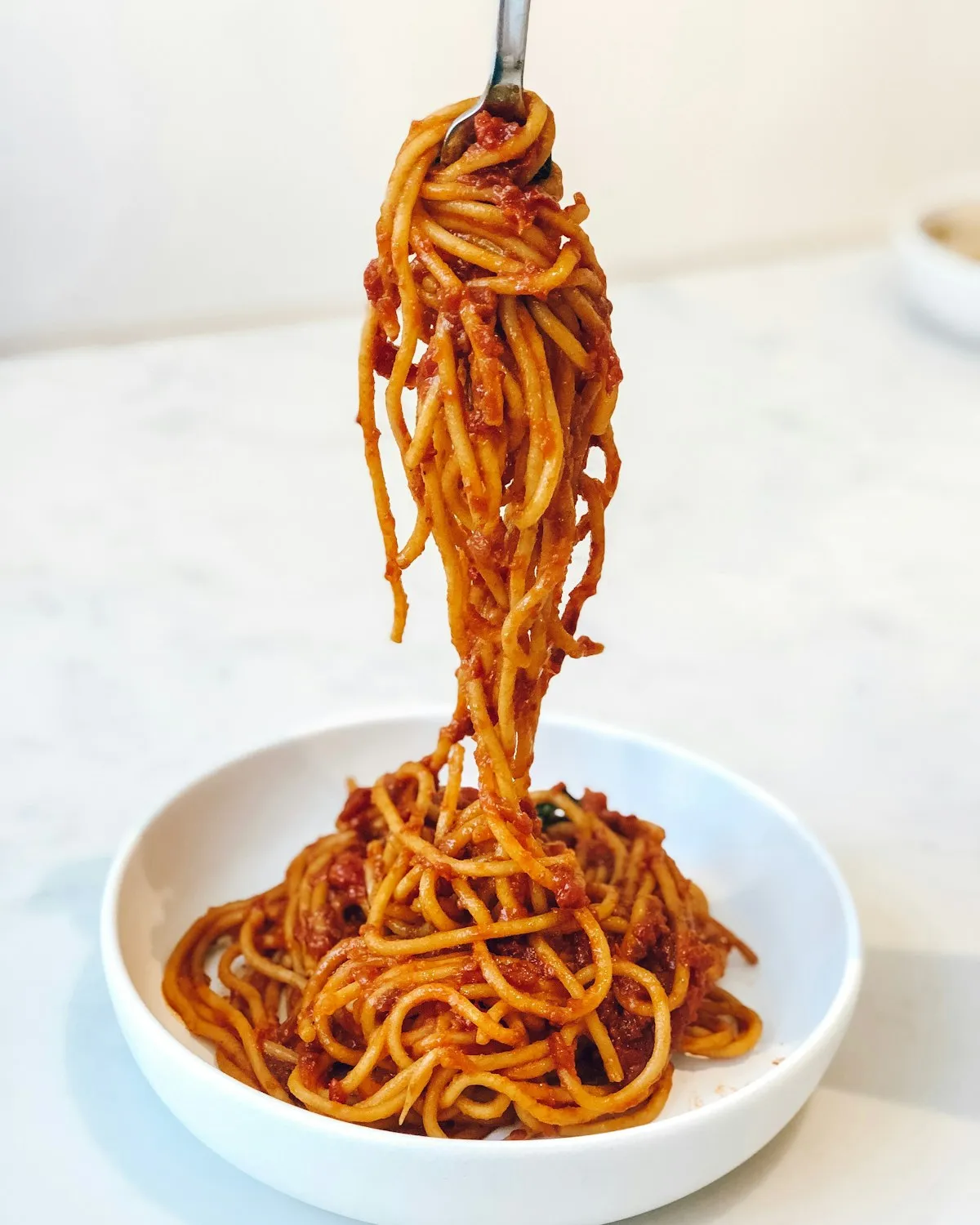
If you have ever been to St. Louis, you know that "toasted" ravioli is a bit of a misnomer. They don't actually put it in a toaster, thank goodness, because cleaning cheese out of those slots would be a nightmare. Traditionally, these little pillows of joy are deep-fried until they’re crunchy enough to wake the neighbors. But I’m here to tell you that your air fryer is actually the superior vessel for this job. It’s faster, cleaner, and gives you that legendary crunch without the oil-slicked fingers.
The Physics of the Perfect Crunch
To understand why this works, we need to talk about the science of your air fryer. It isn't just a mini oven; it’s a high-velocity convection machine. While a standard oven relies on slow-moving air, your air fryer uses a powerful fan to blast heat directly onto the surface of the food. This creates what scientists call "rapid air technology," which is essential for triggering the Maillard reaction.
The Maillard reaction is that magical chemical dance between amino acids and reducing sugars that happens when food hits temperatures between 140°C and 165°C. This is what turns a pale, soft pasta shell into a golden, savory masterpiece. Because the air fryer circulates heat so efficiently, it evaporates surface moisture almost instantly. This is a non-negotiable step: if there is water on the surface of your ravioli, the energy goes into boiling that water instead of browning the pasta. Dry your ravioli thoroughly before you even think about starting. Use a paper towel and be aggressive about it.
You must also consider the breading as a heat shield. When you coat your ravioli, you aren't just adding flavor; you are creating a porous surface area. Those tiny crumbs of breading increase the total surface area exposed to the hot air, allowing for more "micro-crunches" per bite. If you skip the breading, the pasta skin often becomes tough and leathery rather than crispy. Think of the breading as the structural engineering that supports the steam pressure building up inside the ravioli.
For those looking for quick family meals, the air fryer is your best friend because it eliminates the "preheat and pray" phase of traditional baking. Because the chamber is small and airtight, the heat density is much higher. Avoid overcrowding the basket. If the ravioli are touching, the air can’t circulate, and you’ll end up with "steamed" spots that are sad and soggy. Keep them in a single layer with breathing room. This is the difference between a soggy mess and a snack that belongs on the best air fryer recipes dinner list.
Lastly, remember that the filling is already cooked or at least pasteurized in most store-bought ravioli. Your goal isn't to "cook" the inside; it’s to thermally shock the outside while the inside reaches a gooey, molten state. If you leave them in too long, the steam inside will expand until the pasta wall fails, leading to a "cheese explosion." Monitor the internal pressure by watching for slight puffing, that is your cue to pull them out.
Exploring the Ravioli Universe
Don't limit yourself to just the standard four-cheese variety. The beauty of this technique is that it works across the entire pasta spectrum. Meat-filled ravioli, like sausage or beef, provide a much heartier bite and tend to stay savory and juicy inside the crispy shell. The fats from the meat can actually migrate slightly into the pasta wall during the air-frying process, acting as a natural "fry oil" from the inside out.
For those pursuing healthy dinner ideas, try using spinach and ricotta or butternut squash ravioli. The sweetness of squash provides a fantastic contrast to a salty breading. You can even experiment with gluten-free ravioli; the air fryer is surprisingly forgiving with alternative flours because the rapid dehydration of the surface happens so quickly that the dough doesn't have time to become gummy. If you want to get really wild, look for "dessert" ravioli filled with chocolate or sweet cream, just swap the savory breading for a light dusting of cinnamon and sugar after they come out of the heat.
Finding the Flavor Balance
Since toasted ravioli are inherently rich and savory, you need side dishes and dips that offer high acidity to cut through the density. A classic, bright marinara sauce is the gold standard for a reason, the lycopene and citric acid in the tomatoes act as a palate cleanser.
Pair your ravioli with a crisp arugula salad dressed in a sharp lemon vinaigrette. The peppery bite of the arugula and the sharp citrus will prevent the meal from feeling too "heavy." Alternatively, a side of roasted broccolini with red pepper flakes adds a much-needed fibrous crunch and a hit of heat that complements the creamy cheese center. If you’re serving this as part of quick family meals, a simple tray of raw vegetable crudités with a Greek yogurt-based dip can provide a refreshing, cool contrast to the hot, toasted pasta.
Troubleshooting Your Toasted Ravioli (FAQ)
Can I use frozen ravioli directly in the air fryer?
Yes, but you have to adjust your expectations and your timing. Frozen ravioli have a higher moisture content due to ice crystals. Do not thaw them first, as they will become a sticky, soggy mess. Instead, increase your cook time slightly and give the basket an extra shake halfway through. The science here is simple: you need more energy to undergo the phase change from ice to water before the browning can begin.
Why did my ravioli explode and leak cheese everywhere?
This is a classic case of thermal expansion. As the moisture inside the ravioli heats up, it turns into steam. Steam takes up significantly more space than water. If the pasta shell is weak or if you cook them for too long at too high a temperature, the pressure exceeds the structural integrity of the dough. Check your ravioli early and look for a slight "ballooning" effect. That’s your warning sign.
How do I get the breading to actually stick?
If your breading is falling off, your "glue" is likely too thin. Use a proper dredge sequence. If you just dip wet pasta into crumbs, they will slide off as soon as the steam starts to escape. Use an egg wash or a light coating of flour first to create a dry surface for the egg to cling to.
Why are they crunchy on the edges but soft in the middle?
This usually happens if you haven't preheated the air fryer or if you've piled the ravioli on top of each other. The edges catch the most airflow, so they brown first. To ensure even browning, ensure a single layer and flip them halfway through. This ensures the "wind" of the air fryer hits every square millimeter of that delicious breading.
Can I make these ahead of time and reheat them?
You can, but I’ll be honest: they’ll never be as good as the first time. If you must reheat, use the air fryer again for 2-3 minutes. Never use a microwave unless you enjoy the texture of a damp sponge. The air fryer will re-evaporate any moisture that the breading absorbed while sitting in the fridge, bringing back a semblance of that original Maillard-induced crunch.
This dish is one of the most reliable healthy dinner ideas for when you want comfort food without the heavy lifting of a deep fryer. It’s efficient, it’s scientific, and it’s undeniably delicious. Keep your layers single, your pasta dry, and your dipping sauce ready.