Recipe
Servings
2 bowls 1×
Serves 2 bowlsPrep 5 minCook 10 minTotal 15 min
Nutrition per serving
Ingredients
- 200 g spaghetti
- 4 cloves garlic thinly sliced
- 25 cup olive oil
Method
- Start garlic and oil in a cold pan.
- Heat until pale gold.
- Toss noodles with pasta water and oil until a glossy sauce forms.
There is a specific kind of magic that happens when you take three or four humble pantry staples and turn them into a dish that tastes like a five-star Italian vacation. Garlic Olive Oil Spaghetti is the ultimate "nothing in the fridge" hero. It’s one of those simple pasta recipes that proves you don’t need a laundry list of ingredients to achieve culinary greatness. If you’ve got garlic, oil, and a box of pasta, you’re already halfway to a masterpiece.
The Molecular Magic of Emulsification
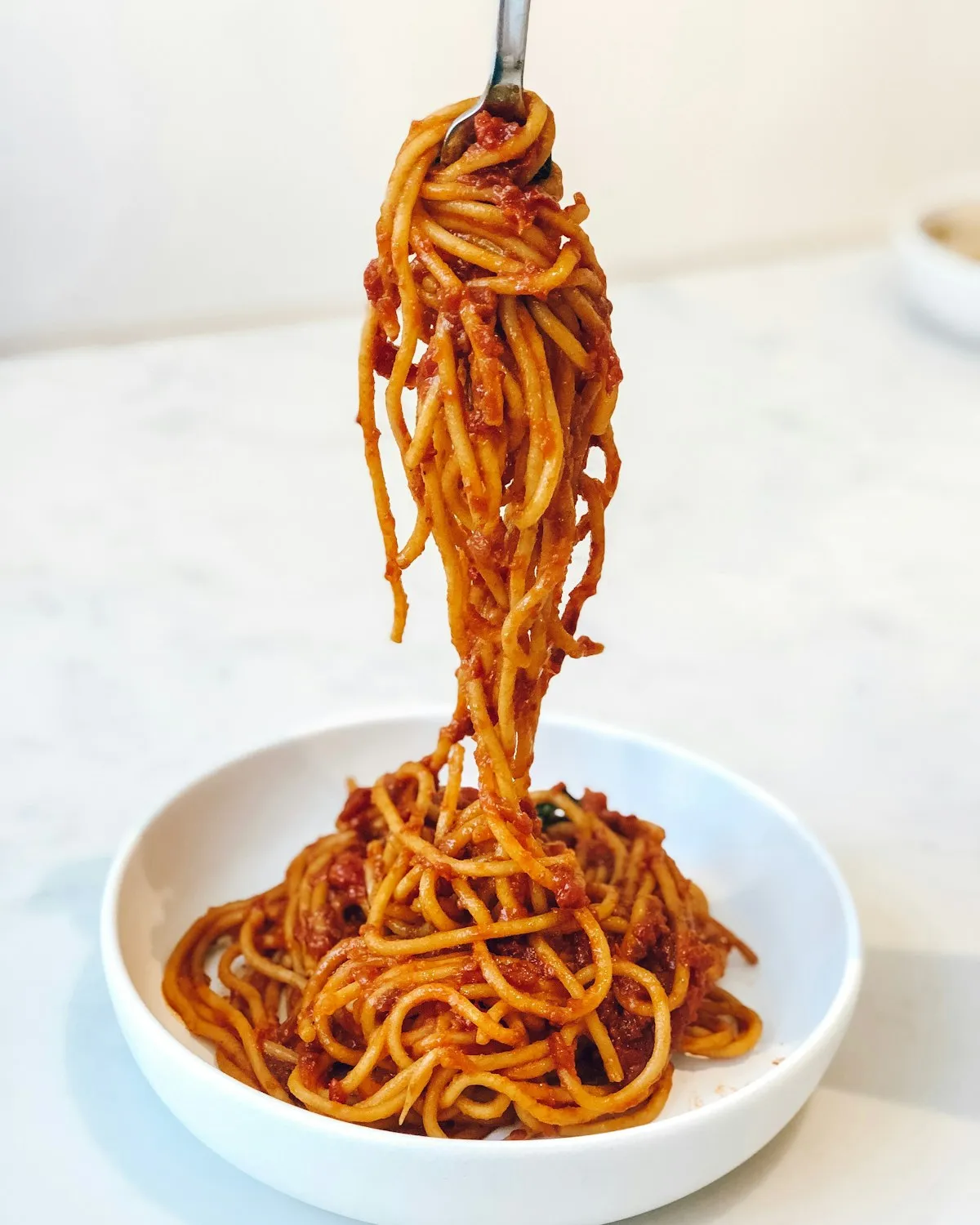
At its heart, Garlic Olive Oil Spaghetti is a science experiment you can eat, and I mean that as the highest compliment. The biggest mistake most home cooks make is thinking this dish is just pasta plus oil plus vibes. Nope. If your noodles are lounging in a slick puddle at the bottom of the bowl, the sauce never came together. The whole game here is emulsification.
Think of olive oil and water like two dinner guests who absolutely did not RSVP to the same party. Left alone, they split up immediately. To make them cooperate, use starch. When pasta boils, its surface sheds starch into the water. That cloudy water is not kitchen waste. It is your sauce builder, your insurance policy, your tiny saucepan full of chemistry. Add some of that starchy liquid to the garlic-infused oil, then toss like you mean it. The starch helps suspend droplets of fat in water so the mixture turns glossy and lightly creamy instead of greasy. That’s why great garlic pasta looks silky rather than shiny in an alarming way.
A lot of cooks hear "use pasta water" and stop there, but the why matters. Starch molecules thicken the water phase of the sauce and make it harder for the oil droplets to merge back into one greasy pool. In plain kitchen English, the starch gives the sauce structure. It creates a more stable emulsion, especially when combined with constant motion and moderate heat. That is the difference between noodles that wear the sauce like a tailored jacket and noodles that sit under an oil slick like a tiny environmental disaster.
Use less water than you think in the pasta pot if you want extra-potent pasta water. A smaller volume of water gets starchier faster, which gives you a stronger emulsifier. Finish the pasta in the pan, not as an afterthought. That last minute of tossing over heat is what encourages the starch molecules to swell, thicken the liquid phase, and help the sauce grab the noodles. Skip that part and you are basically asking oil to cling to dry rope. It won’t.
Also remember that starch concentration changes over the course of cooking. Early pasta water can be weak. Later pasta water is usually cloudier and more useful. If your sauce keeps breaking, the problem may not be your technique alone. Your water may simply not contain enough starch yet. Reserve it toward the end of the boil, and don’t be shy about using a little more if the pan looks tight. This is controlled adjustment, not cheating.
Heat control is non-negotiable here. Keep the garlic and oil on a gentle path upward, not a roller coaster. Start in a cold pan if you want a slow infusion. That gradual rise gives the garlic time to perfume the oil before the sugars and sulfur compounds cross into bitterness. If the garlic browns deeply, the whole pan tastes like regret. Aim for pale gold. Stop before "crouton." That is the line.
Now let’s talk about tossing, because stirring politely is not enough. Agitation matters. Move the pasta around vigorously so the oil breaks into smaller droplets and disperses through the starchy liquid. That mechanical action is a big part of what builds the emulsion. Professional cooks do not toss pasta for drama. Well, not only for drama. They do it because movement physically helps the sauce come together.
Ratio matters too. Use too little pasta water and the sauce stays separated. Use too much and you get garlic broth, which is not the assignment. Add small splashes, toss, and watch for the texture to change from loose and oily to glossy and clingy. When the sauce coats each strand and there is no puddle collecting at the bottom, you nailed it. This is one of those quick family meals that only feels effortless after you respect the science.
Garlic Allicin: Why Cutting Style Changes Flavor
Garlic is not just garlic. It is a tiny chemistry set wearing a papery jacket. When you cut a clove, you damage its cells and allow two compounds that were minding their own business to meet. One is alliin, the other is an enzyme called alliinase. Once they connect, they create allicin, which is responsible for that punchy, unmistakable fresh-garlic kick. In other words, the flavor doesn’t fully exist until you cut the clove. Garlic is dramatic like that.
This is why your knife work changes the whole personality of the dish. Mince the garlic and you rupture more cells, which means more allicin forms quickly. The result is sharper, hotter, and more assertive. Slice it thinly and you break fewer cells, so the flavor is gentler and sweeter, especially after slow cooking in oil. Mash it into a paste and the flavor goes even harder. Choose the cut based on the mood you want, not just convenience.
Now for the part that sounds nerdy but actually makes you a better cook: allicin is not very stable. It forms quickly after garlic is cut, but it also starts changing quickly, especially when heat enters the picture. That means the flavor of garlic is not fixed. It is constantly moving. Let chopped garlic sit briefly before cooking and you give more allicin time to form. Throw it into hot oil immediately and you shift that chemistry sooner, softening the pungency into sweeter, rounder sulfur compounds. Neither approach is wrong. They just produce different results, and knowing that gives you control instead of guesswork.
Acid, time, and temperature all affect how long that fresh garlic edge sticks around. High heat is the blunt instrument. It breaks down the sharpness fast and can push the flavor toward nuttiness or, if you go too far, bitterness. Gentle heat is the smarter move here because it coaxes the garlic through those flavor stages more gradually. That’s why this dish rewards patience. You are not just "cooking garlic." You are steering a chain reaction and trying not to drive it into a ditch.
This is also why sliced garlic tastes different from grated garlic even if the ingredient is technically the same. More damaged cells mean more rapid allicin formation, more pungency, and more risk if the heat is too aggressive. Less damage means a milder start and a wider margin for error. If you want a deeper garlic flavor without making the dish taste harsh, combine cuts. Use some sliced cloves for sweet infusion and some finely chopped garlic for a sharper aromatic edge. It is a small move, but it makes the pasta taste more layered.
Use fresh cloves. Avoid the jarred stuff. Jarred garlic has already lost some of the volatile compounds that make fresh garlic taste alive, and the preservative tang can shove the flavor in a weird metallic direction. In a dish this stripped-back, there is nowhere for low-quality garlic to hide. The same goes for your oil. Use one that tastes good on its own, because it is basically a co-star, not a background extra.
Don’t forget the salt. Since this dish has so few components, every single one has to work overtime. Salt your pasta water until it tastes properly seasoned. This is your best chance to season the pasta itself and improve the overall flavor balance. If the water is bland, the final dish stays flat no matter how lovingly you twirl it. It’s one of the simplest ways to keep this recipe in the lane of smart, satisfying healthy dinner ideas without making it feel austere.
One more non-negotiable: reserve the pasta water before draining. Do not stand there staring at a colander while your best ingredient disappears down the sink. That cloudy water is the bridge between fat and water, the fixer of tight sauces, and the reason the finished pasta feels restaurant-level instead of dorm-room-level. Save it. Use it. Respect it.
Elevating the Simple: Flavor Variations
Once you’ve mastered the base, you can start playing with balance. The classic version is brilliant because it is restrained, but small changes can make it feel brighter, deeper, or crunchier without wrecking the point of the dish.
- The Crunch Factor (Pangrattato): Add toasted breadcrumbs if the texture feels too soft from end to end. Crunch gives contrast, and contrast keeps rich pasta from eating like a beige nap.
- The Acid Kick: Use lemon juice or zest if the olive oil tastes a little heavy. Acidity cuts fat, sharpens the garlic aroma, and makes the whole bowl feel lighter.
- The Heat Profile: Add red pepper flakes early for a deeper infused warmth, or add them later for a more obvious hit of heat that lands on the front of the palate.
- The Umami Bomb: Melt in an anchovy if you want savory depth. It won’t scream fish. It will just make the pasta taste suspiciously more complete.
- The Green Finish: Add chopped parsley at the end for freshness. It brings a clean, herbal note that helps balance the rich oil and sweet cooked garlic.
These variations work because they play with contrast rather than piling on random extras. Fat needs acid. Soft textures need crunch. Deep savory notes need freshness. Keep that balance in mind and you can improvise without turning a minimalist masterpiece into a cluttered pantry dump. That’s also why this dish earns a spot among reliable quick meals: it adapts easily, but the backbone stays the same.
Perfect Side Dish Pairings
Because Garlic Olive Oil Spaghetti is rich, silky, and unapologetically carb-forward, pair it with sides that bring brightness, bitterness, or crisp texture. Do not serve it with another heavy, creamy situation unless your goal is an accidental nap.
Start with a sharp salad. Arugula with lemon or balsamic works especially well because its peppery bite cuts through the mellow oil and sweet garlic. Bitter greens are your friend here. They keep the meal from feeling flat or overly rich.
If you want something warm, go with roasted broccoli or asparagus. A little char echoes the toasted notes in the garlic, while a squeeze of lemon keeps the vegetables from blending into the pasta’s richness. Crisp-tender green beans also do the job nicely if you want more snap.
For extra protein, choose something lean and simply seasoned. White fish or grilled shrimp make sense because they add substance without hijacking the flavor profile. Keep the seasoning restrained. Let the pasta remain the loudest thing on the plate. If you’re building out healthy dinner ideas for a busy weeknight, this kind of balance matters: rich main, sharp side, clean protein, no drama.
FAQ: Troubleshooting Your Pasta
Why is my garlic bitter?
You probably cooked it too hot or too long. Garlic has sulfur compounds and natural sugars that develop beautifully over gentle heat, but they turn harsh fast once the slices brown too much. Use medium-low heat. Start the garlic in cool oil if you want more control. The second it goes from pale gold to dark brown, the flavor tips from nutty to bitter. If things look too dark, stop the cooking immediately.
What if my sauce won’t emulsify and just looks oily?
Usually one of three things went wrong: your pasta water was not starchy enough, you didn’t toss vigorously enough, or the ratio of water to oil was off. Fix it by adding a small splash of pasta water and tossing over medium heat until the sauce tightens and turns glossy. Don’t dump in half a cup and hope for a miracle. Add a little, toss a lot, and watch for the texture change.
Why does pasta water matter so much?
Because it contains suspended starch that helps oil and water form a stable, clingy sauce. Without that starch, the oil separates and slides off the noodles. Pasta water is basically the dish’s built-in sauce technician. Save more than you think you need. It is much easier to loosen a tight sauce than to fix a greasy one from scratch.
Can I use jarred minced garlic?
Nope. This is one of my firmer kitchen opinions. Jarred garlic often tastes flat, sour, or metallic because it sits in preservatives and loses the volatile compounds that make fresh garlic taste bright. In a recipe this minimal, every ingredient is under a spotlight. Use fresh cloves. This is exactly why simple pasta recipes demand good ingredients and decent technique.
What if I want a stronger garlic flavor without burning it?
Change the cut, not the heat. Mince or grate some of the garlic for a sharper allicin-heavy punch, then slice the rest for sweeter infused flavor. You can also add a tiny bit of raw garlic at the end if you like a more aggressive bite, but go easy. Raw garlic does not believe in indoor voices.
What is the best pasta shape for this?
Spaghetti is ideal, and linguine works well too. Long strands give the sauce maximum surface area to coat evenly. Short shapes can work in a pinch, but they don’t create the same elegant tangle, and the sauce tends to collect awkwardly instead of clinging. For this specific dish, long pasta is the better engineering choice.
Is this dish actually healthy?
Yes, especially if you keep portions sensible and pair it smartly. Olive oil brings beneficial fats, garlic brings plenty of flavor without relying on heavy dairy, and the ingredient list stays refreshingly short. If you want to lean harder into healthy dinner ideas, pair it with bitter greens or lean protein rather than more bread and cheese. Delicious restraint is still delicious.
Can I make this in an air fryer?
Not the full dish, no. We love air fryer recipes dinner, but this pasta depends on boiling water for starch release and pan tossing for emulsion building. Those are the two core mechanics, and an air fryer does neither well. Use it for a side vegetable if you want to keep dinner moving.
Why does my sauce look watery instead of silky?
You may have added too much pasta water at once, or you didn’t cook and toss long enough for the starch to do its job. Keep the pan over medium heat and continue tossing until the liquid reduces slightly and the sauce turns glossy. Watery sauce often just means it hasn’t finished yet. Give it another minute before declaring defeat.
What if I salted the pasta water too lightly?
Then the whole dish may taste flat, because pasta absorbs seasoning as it cooks. You can compensate somewhat by seasoning the finished pasta carefully, but it is never quite the same as properly seasoned noodles from the start. Next time, salt the water confidently. This is one of those quiet details that separates decent pasta from great pasta, especially in quick family meals where there are very few ingredients to hide behind.