Recipe
Servings
Servings 1×
Ingredients
- Salmon
- Lemon
- Honey
- Mustard
- Cooking oil
Method
- Let the salmon develop its own natural crust first.
- Whisk them together vigorously.
- Pat your salmon bone-dry before it ever touches the heat.
- Use a paper towel and press firmly.
- Use a heavy-bottomed skillet if you have one.
- Give each piece of salmon its own personal space to breathe and brown.
There is a specific kind of magic that happens when you realize dinner doesn't have to be a multi-hour production to feel like a warm hug for your soul. We’ve all been there, staring into the fridge at 6:30 PM, wondering if cereal counts as a balanced meal. But if you have a piece of salmon and a few pantry staples, you are exactly fifteen minutes away from a dish that tastes like it belongs in a high-end bistro. This honey mustard glazed salmon is one of those easy dinner recipes that bridges the gap between "I'm too tired to cook" and "I deserve something beautiful." It’s fast, it’s vibrant, and it relies on a little bit of kitchen chemistry to do the heavy lifting for you.
The Science of the Sear and the Soul of the Glaze
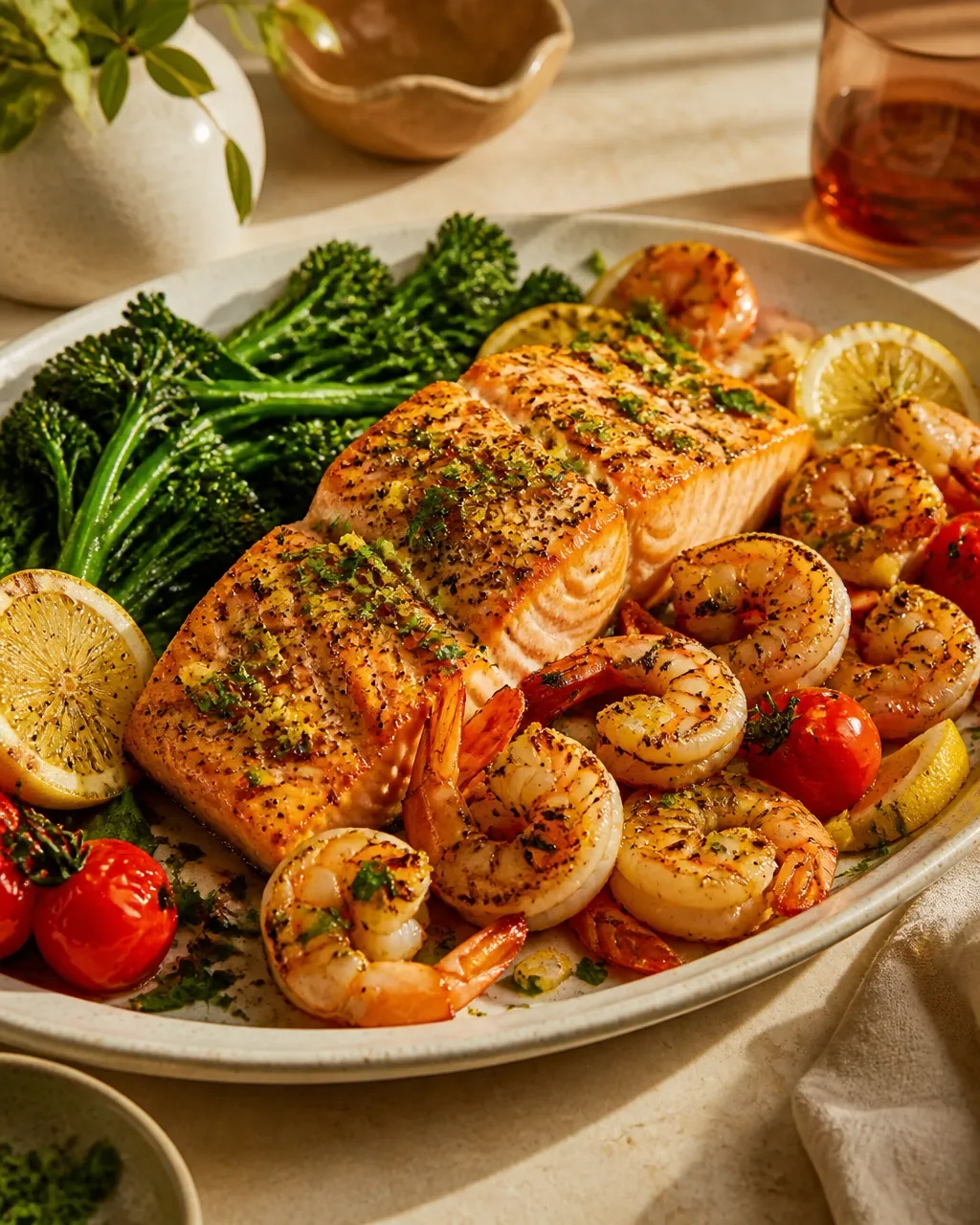
When you’re aiming for quick healthy meals, you can’t afford to waste time on techniques that don't deliver maximum flavor. The secret to this dish isn't a secret at all, it’s science. Specifically, it’s the Maillard reaction. This is the chemical dance between amino acids and reducing sugars that happens when you apply heat to food. In this recipe, the proteins in the salmon and the sugars in the honey join forces under the heat of your pan or broiler to create that gorgeous, golden-brown crust that makes your mouth water before you even take a bite.
But there’s a catch: honey burns. Because it’s packed with fructose and glucose, honey can go from "perfectly caramelized" to "charred mess" in a matter of seconds. This is where your choice of cooking method becomes a non-negotiable. If you are pan-searing, do not add the glaze until the very end. Let the salmon develop its own natural crust first. Then, during the final sixty to ninety seconds, introduce the honey mustard mixture. This gives the sugars just enough time to bubble and thicken into a glossy lacquer without turning bitter.
The mustard plays a much bigger role than just providing a tangy kick; it’s your primary emulsifier. Mustard contains natural gums and mucilage that act as a bridge between the watery lemon juice and the thick, viscous honey. Whisk them together vigorously. You aren't just mixing; you are creating a stable emulsion that will cling to the fish rather than sliding off into the bottom of the pan. A well-emulsified glaze ensures that every square millimeter of the salmon is coated in flavor.
Don't ignore the importance of internal temperature. While the USDA recommends an internal temperature of 145°F, many home cooks find that this results in a dry, chalky texture. Consider pulling your salmon off the heat when it hits 125°F or 130°F. Remember the concept of carryover cooking: the residual heat will continue to raise the internal temperature by several degrees while the fish rests on your plate. Trust the process and let it sit for two minutes before diving in. This allows the muscle fibers to relax and reabsorb those precious juices.
Pat your salmon bone-dry before it ever touches the heat. Use a paper towel and press firmly. Moisture is the enemy of the Maillard reaction; if the surface of the fish is wet, it will steam rather than sear. You want that distinctive sizzle the moment the fish hits the oil. If you’re looking for more ways to master the art of the perfect sear, check out my guide on achieving the perfect glossy sauce for a different take on high-impact flavor.
Caramelization and Consistency
Use a heavy-bottomed skillet if you have one. Cast iron or stainless steel is ideal because they hold heat consistently, which is vital when you’re trying to move fast. Avoid overcrowding the pan. If you drop four cold fillets into a small skillet, the temperature will plummet, and you’ll end up boiling your fish in its own juices. Give each piece of salmon its own personal space to breathe and brown.
Check your honey’s consistency. If it’s crystallized or too thick to pour, give it a quick ten-second zap in the microwave. You want a glaze that is fluid enough to brush on evenly but thick enough to stay put. If the glaze feels too runny, add a teaspoon more mustard; if it’s too sharp, a touch more honey will bring the balance back. Balance is the soul of this dish, the acidity of the mustard cutting through the rich fats of the salmon, rounded out by the sweetness of the honey.
Variations for the Adventurous Cook
While the classic honey-mustard-lemon trio is hard to beat, you can easily pivot this recipe to suit your mood or your dietary needs. For those following a keto lifestyle, swap the honey for a monk fruit-based maple syrup or a sugar-free honey alternative. You’ll still get that hit of sweetness, though the caramelization might behave a little differently, so watch it closely.
If you want to lean into a more "soulful" heat, add a pinch of smoked paprika or a dash of cayenne to the glaze. The smokiness pairs beautifully with the charred sugars of the honey. For a brighter, more summery vibe, substitute the lemon juice with lime and add a teaspoon of freshly grated ginger. This shifts the profile toward something more zesty and energetic.
You can also experiment with the type of mustard. A grainy Creole mustard adds a rustic texture and a deeper punch than a smooth Dijon. Just ensure you aren't using the bright yellow "hot dog" mustard, which lacks the complexity needed to stand up to the salmon's richness.
Perfect Pairings for a Balanced Plate
Since this is one of our favorite quick healthy meals, keep the sides simple but intentional. You want textures that contrast with the flaky, tender salmon. Roasted asparagus is a natural partner; the earthy bitterness of the greens provides a great counterpoint to the sweet glaze. A quick batch of quinoa or couscous is excellent for soaking up any extra honey mustard sauce that wanders off the fish.
Think about acidity when choosing your sides. A simple arugula salad with a light vinaigrette can help cut through the richness of the salmon's healthy fats. If you're in the mood for something heartier, try pairing it with a quick roasted veggie medley. Much like our air fryer sausage and pepper medley, roasting vegetables at a high temperature brings out their natural sweetness, mirroring the caramelization on the fish.
FAQ: Mastering the Salmon Science
Can I use frozen salmon for this?
Yes, but you must thaw it completely and pat it exceptionally dry. Frozen salmon often releases more moisture during cooking, so be prepared to drain the pan if liquid starts to pool. If you're looking for other ways to use your kitchen gadgets for frozen favorites, see how we handle comfort food cheats for more inspiration.
Why did my glaze burn before the fish was done?
This usually happens if the heat is too high or the glaze was applied too early. Honey begins to burn at a much lower temperature than the fish needs to cook through. Apply the glaze only in the last minute of cooking, or use the "foil tent" method in the oven to protect the sugars until the very end.
Should I leave the skin on?
Absolutely. Even if you don't plan on eating it, the skin acts as a protective barrier that prevents the delicate flesh from overcooking. If you’re pan-searing, start skin-side down and let it get incredibly crispy. It’s much easier to flip a piece of salmon once the skin has released naturally from the pan.
What if I don't have Dijon mustard?
Whole grain mustard is your next best bet. Avoid using dry mustard powder unless you hydrate it first, as it won't provide the emulsification needed to keep the glaze together.
How do I know when it's perfectly flaked?
Use a fork to gently press down on the top of the fillet. If the flakes separate easily along the white lines of fat (the marbling), it's ready. If it feels springy or tough, you’ve likely gone a bit too far.
Is it okay to marinate the salmon in the glaze?
Because of the acid in the mustard and lemon, a long marinade will actually start to "cook" the fish (like ceviche) and break down the texture. Limit any marinating to 15 minutes or less, or better yet, just brush it on during the cooking process for the best results.
{“@type”:”BlogPosting”,”image”:”https://cdn.marblism.com/M__ZsI9Iqhg.webp”,”author”:{“name”:”Penny”,”@type”:”Person”},”@context”:”https://schema.org”,”headline”:”Soulful Simplicity: 15-Minute Honey Mustard Glazed Salmon”,”keywords”:”easy dinner recipes, quick healthy meals, honey mustard salmon, cooking science”,”publisher”:{“logo”:{“url”:”https://cookpedia.com/logo.png”,”@type”:”ImageObject”},”name”:”Cookpedia”,”@type”:”Organization”},”description”:”Discover the science behind the perfect 15-minute honey mustard glazed salmon. Learn how to master the Maillard reaction and emulsification for a quick, soulful dinner.”,”datePublished”:”2026-06-10T02:00:00″,”mainEntityOfPage”:{“@id”:”https://cookpedia.com/soulful-simplicity-15-minute-honey-mustard-glazed-salmon”,”@type”:”WebPage”}}